
 Worksheets
Global patterns
Total questions: 40
Worksheet time: 23mins

Cold air is _______ dense than warm air.
more
less
the same as

What is the global wind belt near the equator known as?
Polar Easterlies
Horse latitudes
Westerlies
Tradewinds
Three types of global winds are:
Tradewinds
Sea Breezes
Polar Easterlies
Prevailing Westerlies
Land breezes

Winds that blow over short distances are called
Local winds
Global winds
Doldrums
Coriolis Effect

During the day, the _______ has an area of low pressure, and the ______ has an area of high pressure.
land, water
water, land

Which absorbs heat the fastest?
Land
Water

Altitude and air pressure are related. As altitude increases, what happens to air pressure?
It increases.
It decreases.
It stays the same.
It becomes 0.

What does this graph tell you about how the temperature of air affects the amount of water vapor the air can hold?
The temperature of air doesn't make a difference
The warmer the air is, the less water vapor it can hold.
The warmer the air is the more water vapor it can hold.
The temperature of the air causes causes it to sink near the water.

Why would a scientist most likely use this model?
to show daily wind speeds in different parts of the world
to show wind patterns that occur all over the world
to show how wind patterns control ocean currents around the world
to show how wind patterns change landforms around the world
Which of the following is true?
Cold water is less dense than warm water.
Cold water is more dense than warm water.
Cold water contains less salt than warm water.
Cold water contains more salt than warm water.
Which is an important characteristic for determining a climate?
the moon
Coriolis Effect
Ocean Currents
Sea breezes

What is the name of the wind belt located between 60S-30S?
Polar Easterlies
Westerlies
Trade Winds
Which shows Florida's climate
storms during a hurricane
warm, sunny temperatures most of the time
Change in temperature from day to day
twelve rainy afternoons in Jne
What is convection?
It is when heat moves from one place to another because particles carry the heat to a different place
It is when heat moves from one place to another because two surfaces are touching.
tIt is when heat moves from one place to another through different types of light.
Areas near the _________ have warmer climates because the sun’s rays hit Earth’s surface more direct.
sun
ocean
equator
poles
The Gulf Stream is an area of warm water near what?
near the equator
near the east coast of the United States
near the coast of Alaska
near the coast of California
The transfer of heat is responsible for many of the events that occur on Earth. Which of the following events is MOST directly caused by radiation?
the circulation of air
the movement of the Earth's crust
the warming of the Earth's surface
the movement of the ocean currents

The way the steam is moving from the hot coffee is called...
convection
radiation
insulation
conduction
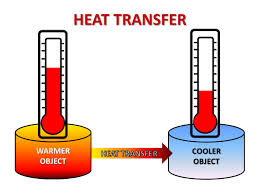
Which type of front replaces warm air?
cold front
occluded front
stationary front
warm front
If you wanted to visit an area with no wind, where might you go?
The doldrums around the equator
The jet stream in the northern hemisphere
The North or South Pole
The area around the Mediterranean Sea
The process in which water moves from a solid to a gas is known as...
dew point
humidity
sublimation
precipitation
Weather or climate - "It has not rained this month."
weather
climate

What causes wind to travel faster?
the greater the difference in temperature the faster the winds travel
the higher up in the atmosphere the faster the winds travel
the hotter the air the faster the wind will be
the faster Earth rotates on its axis the faster wind will be


The Gulf Stream causes weather in England to be:
warmer
colder
windier
more rainy
Which of these characteristics refers to the climate of an area?
week-long heat wave
average temperature
number of rain showers
number of hurricanes
In what direction does a jet stream move across the Earth?
North to south
South to west
West to east
East to west
What does the Coriolis Effect cause?
amount of precipitation across the globe
speed of wind across the globe
curving of wind in large areas around the globe

Based on the weather map, how many cold fronts can be observed?
5
4
3
2

Which of these processes in the water cycle moves water to the air?
infiltration
precipitation
evaporation
condensation

What type of air mass holds more humidity?
warm air
cold air
moving air
polar air

Where would there be less air pressure?
on top of a mountain
in a cold air mass
near Earth's surface


What is represented by the L on the map?
rain
thunderstorm
warm air mass
cold air mass

