Worksheets
Land biomes
Total questions: 74
Worksheet time: 2hrs 28mins
Which biome is characterized by low temperatures and low amounts of rainfall (and other precipitation)?
tundra
desert
temperate deciduous forest
tropical rain forest
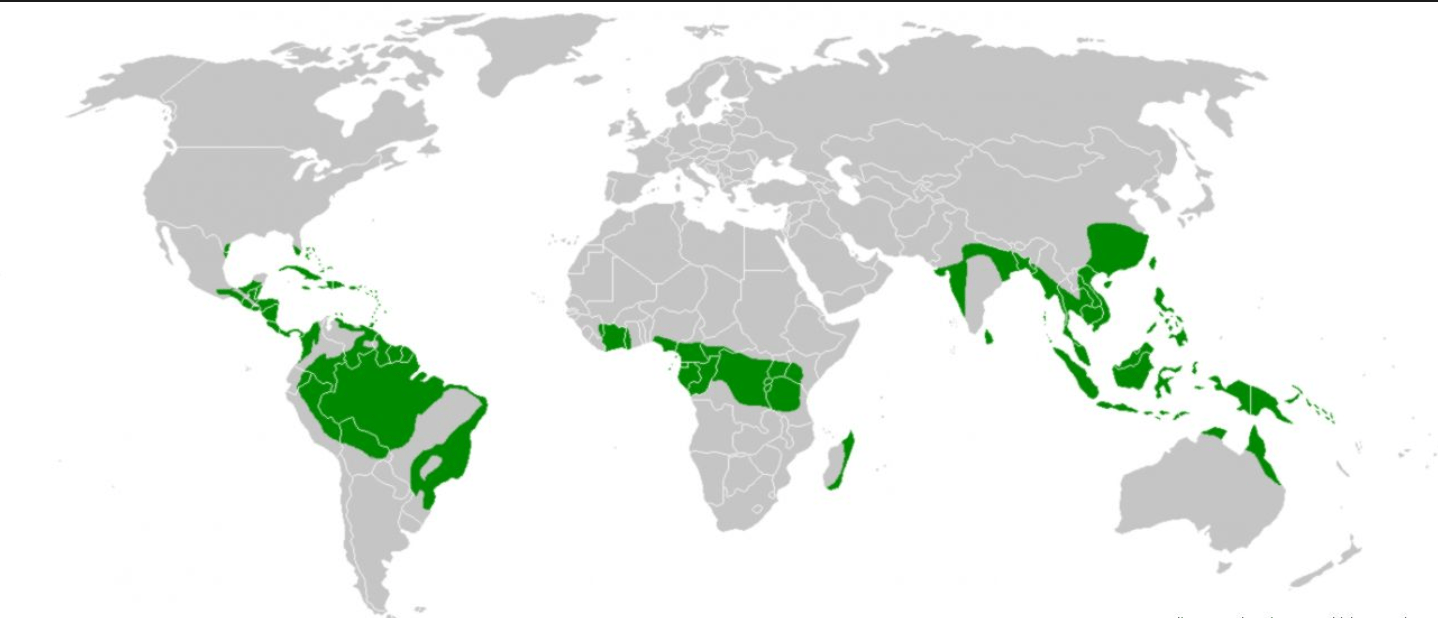
Which biome covers most of the land mass near Earth's equator?
tundra
desert
grassland
tropical rainforest

Which biome contains large populations of grazing herbivores, few species of birds, and deep, rich soil?
taiga
tundra
deciduous forest
grassland
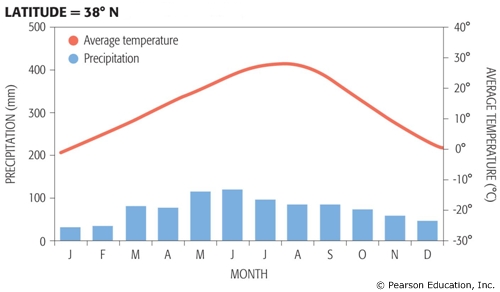
The most important abiotic factors when studying biomes are...
Soil and Freshwater
Producers and Consumers
Native Plants and Animals
Precipitation and Temperature

Which biome has deciduous trees (that lose their leaves in the fall)?
Temperate Forest
Rainforest
Grasslands
Taiga

Which biome has 4 seasons?
Taiga
Tundra
Tropical Rainforest
Temperate Forest

Which biome is home to cacti, scorpions, coyotes, kangaroo rats, and lizards?
Desert
Grasslands
Temperate Forest
Taiga

lichens, mosses, grasses, and other low-growing plants are common vegetation in this biome due to the permafrost, low rainfall, and very cold temperatures.
Desert
Taiga
Tundra
Grasslands
What term describes the living parts of an ecosystem?
Biotic Factors
Abiotic Factors

A desert is very hot during the day and receives very little rain.
Which plants have an adaptation that would help them survive?
plants with waxy coatings
plants with deep roots
plants with large leaves
plants with soft stems

An organism has thick white fur, a bushy tail, and short ears. It often burrows holes and curls into a ball for warmth. To which biome is this organism most likely adapted?
Grassland
Tundra
Taigia
Desert
A biome is characterized by all of the following EXCEPT...
human population size
temperature
precipitation
plant and animal communities

This biome, also called a boreal forest, has dense forests of conifers (cone-bearing evergreen trees). Temperatures are cold, but soil is not completely frozen.
Tundra
Taiga
Temperate Forest
Grasslands
Which biome has less than 25cm of rain each year?
Grasslands (Savanna)
Temperate Deciduous Forest
Desert
Rainforest

The three-toed sloth is adapted to living in a hot, humid climate with lush vegetation and no seasons. What biome would you most liked find this organism?
Temperate Deciduous Forest
Tropical Rainforest
Grasslands
Taiga (Boreal Forest)
What is the best description of a biome?
An interdependent system of plants, animals, and land.
A system of trees, forests, and rivers.
A habitat where large numbers of animals live.
An area with significant amounts of rainfall.
What might happen if you tried to plant a tree that is native to tropical rainforests in the tundra?
The tree would quickly adapt to its new environment
The tree would slowly evolve to adapt to its new environment
The tree would probably die
The tree would survive, but it probably wouldn't grow

Which animal might you find on the savanna, or grassland?
A
B
C
D

What can you infer about animals that live in the desert?
Most of them are quite large
Most of them are warm-blooded
Most are unable to withstand temperatures below 90 degrees Fahrenheit
Most can survive on very little water
How is the taiga different from the tundra?
Evergreen trees grow in the taiga; very little plant life grows in the tundra
Many animals live in the taiga; no animals live in the tundra
The taiga is very warm; the tundra is very cold
The taiga exists around the North Pole; the tundra exists around the South Pole
Which word best describes the process by which biomes naturally change?
Rapid
Gradual
Instantaneous
Quick
How can people change or impact biomes?
By melting the permafrost with campfires
By cutting down trees and polluting the water
By raising different kinds of animals on farms
By using canoes and boats to navigate rivers
What does the word deciduous mean?
"to change color"
"to fall off"
"to decide"
"to change seasons"
Why do deciduous trees lose their leaves?
to feed animals
to make the soil better
to save water during winter
to get more sunlight
Why do few large plants grow beneath conifers?
It is too cold
Animals eat them
Little light reaches the ground
The ground is too bare
What is the rain-forest canopy?
treetops
vines
tree trunks
ground
What are the main plants in temperate grasslands?
conifers
shrubs
grases
crops
What is the climate of a savanna?
rainy year-round
seasonal rains
always dry and hot
always cold and wet
Which is a way plants adapt to the desert climate?
They grow far apart
They grow under the gound
They have roots above the ground
They do not have flowers
Why don't temperate grasslands have trees?
too much rain
firers
deep roots
rolling hills
Which describes tundra?
cold temperatures and much rain
warm temperatures and seasonal rain
cold temperatures and little rain
cold winter and hot summers
What is permafrost?
soil that has thawed
soils that is always frozen
a plant in the tundra
muddy soil
Which biome contains large populations of grazing herbivores, few species of birds, and deep, rich soil?
taiga
tundra
deciduous forest
grassland
Which biome has deciduous trees (that lose their leaves in the fall)?
Temperate Forest
Rainforest
Grasslands
Taiga
Lichens, mosses, grasses, and other low-growing plants are common vegetation in this biome due to the permafrost, low rainfall, and very cold temperatures.
Desert
Taiga
Tundra
Grasslands
What can you infer about animals that live in the desert?
Most of them are quite large
Most of them are warm-blooded
Most are unable to withstand temperatures below 90 degrees Fahrenheit
These animals can survive on very little water
What is the main factor that separates the biomes?
Land
Water
Climate
Longitude
Which land biome is mainly covered with grass?
Desert
Taiga
Grassland
Tundra
Which land biome is the ground frozen all year round?
Grassland
Taiga
Tundra
Deciduous Forest
Which land biome is covered mainly with conifer trees?
Tropical Rain Forest
Deciduous Forest
Tundra
Taiga
Which land biome is the coldest in temperature without any trees?
Taiga
Grassland
Tundra
Deciduous Forest
Prairies and savannas are two examples of this land biome?
Tundra
Grassland
Desert
Taiga
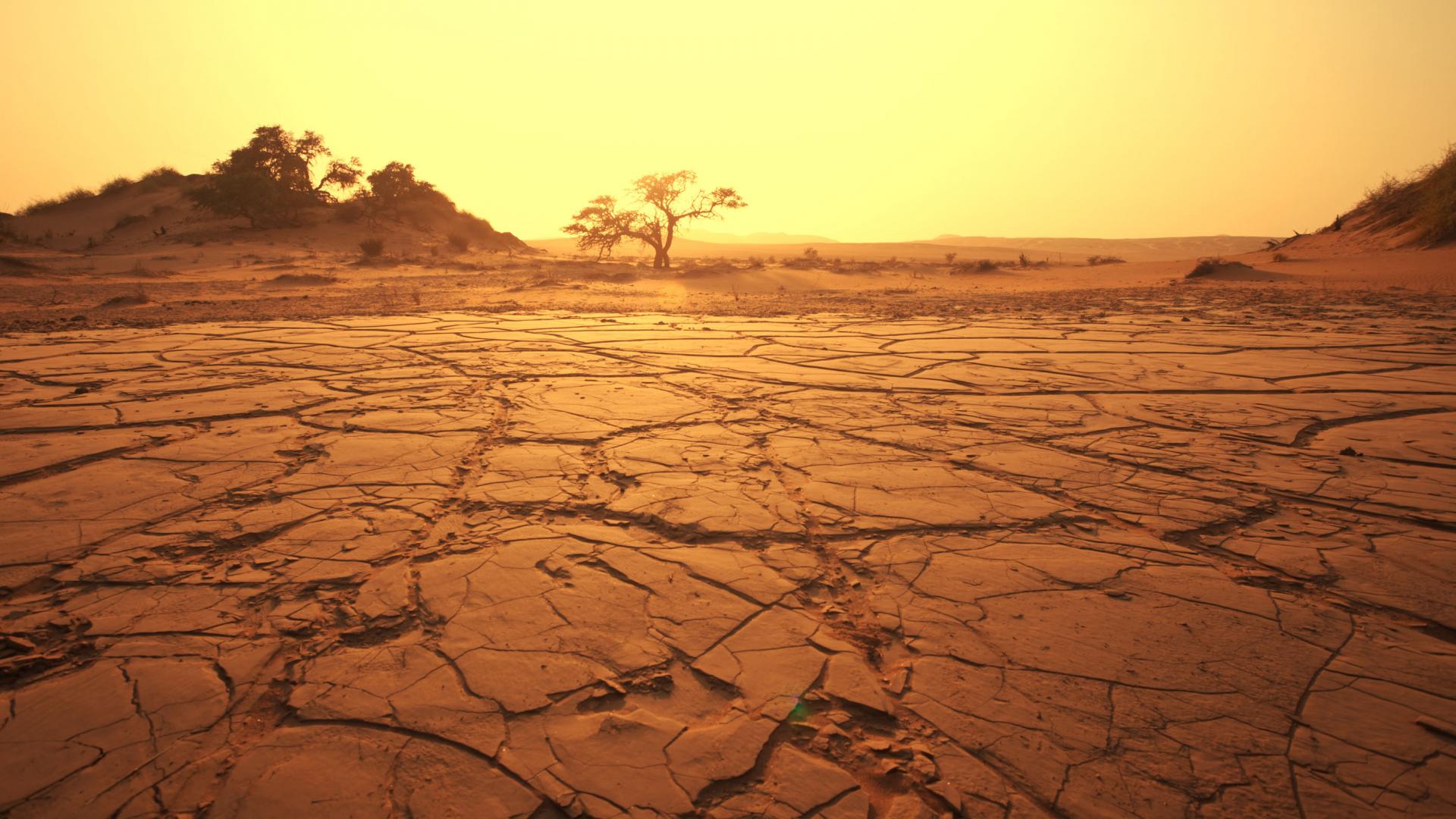

Organisms within each biome have _____________ that enable them to live and thrive successfully in the environment.
adaptations
money
resources

In a tropical rain forest, the layer which forms an umbrella effect with trees is called the ____________ and the layer of shorter trees and vines underneath that layer is called the ____________.
canopy; understory
understory; canopy
top; middle
green; brown

This type of biome is cold, has long cold winters, short soggy summers and has permafrost.
Ohio
Temperate grasslands
Tundra
Wetlands

If an animal was adapted to walking on snow what biome would they most likely live in.
Grassland
Taiga
Desert
Rainforest

When are most desert biome animals active?
Early in the morning
after they eat
at night
when it rains

Which biome is also known as the "Temperate Forest"?
Deciduous Forest
Tropical Rain Forest
Tundra Forest
Taiga Forest

Which land biome is the ground frozen all year round?
Grassland
Taiga
Tundra
Deciduous Forest

Which land biome is covered mainly with conifer trees?
Tropical Rain Forest
Deciduous Forest
Tundra
Taiga

Which is the largest land biome in the world?
Taiga
Tundra
Grassland
Desert

Which land biome is divided into 4 levels/layers?
Deciduous Forest
Tropical Rain Forest
Tundra
Taiga

Which land biome is the coldest in temperature without any trees?
Taiga
Grassland
Tundra
Deciduous Forest

Which biome is sandy and/or rocky with very little rain?
Desert
Tundra
Grassland
Tropical Rain Forest

Which biome has tree leaves that change color and drop off as the season changes from fall to winter?
Tropical Rain Forest
Deciduous Forest
Tundra
Coniferous Forest
The following animals are common to which land biome?
(polar bear, walrus, arctic fox, seal, penguin, snowy owl, caribou, arctic hare, musk oxen)
Tundra
Taiga
Temperate Forest
Coniferous Forest
The following animals are common to which land biome? (white-tailed deer, black bear, turkey, chipmunk, skunk, raccoon, groundhog, and squirrel)
Grassland
Tundra
Deciduous Forest
Coniferous Forest
The following animals are common to which land biome? (zebra, ostrich, lion, giraffe, bison, elephant, cheetah, hyena, hippo, rhino, prairie dog, and ostrich)
Desert
Grassland
Tundra
Tropical Rain Forest
The following animals are common to which land biome? ( scorpion, camel, fennec fox, kangaroo rat, black widow spider, roadrunner, and jackrabbit)
Desert
Tundra
Deciduous Forest
Grassland

A biome is _______________________________________
all the living things in a small area.
a very large ecosystem.
all the members of one species in an area.
a role/ job of an organism.
What biome has cold winters, cool summers, and 4 seasons?
deciduous forest
desert
grassland
coniferous forest
What biome is home to bison and cheetahs?
deciduous forest
grassland
tundra
desert
Where would you find fleshy stemmed plants that have roots close to the ground surface to absorb water quickly?
tropical rain forest
deciduous forest
coniferous forest
desert