
 Worksheets
Grade 10 SPALN= ADHS- Graded Work sheet
Total questions: 50
Worksheet time: 44mins

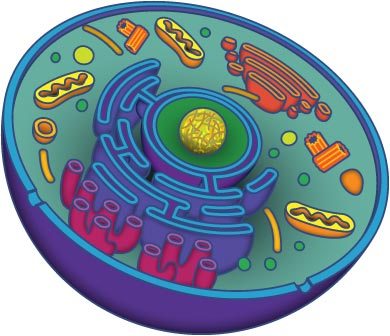
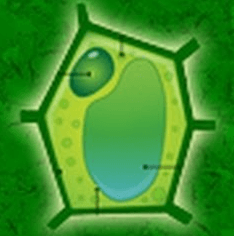
Student 1: Cell 1 is a plant cell because it has a cell wall
Student 2: Cell 2 is an animal cell because it has a nucleus
Student 3: Cell 1 is a plant cell because it has chloroplasts
Student 4: Cell 2 is an animal cell because it has a cell membrane
Who is correct?



Which type of specialized cell carries oxygen from the lungs all over the body?
red blood cells
squamous (skin) cells
muscle cells
white blood cells (macrophages)
nerve cells (neurons)
Which type of specialized cell protects the body by destroying germs?
red blood cells
squamous (skin) cells
muscle cells
white blood cells (macrophages)
nerve cells (neurons)
Which type of specialized cell opens and closes pores (holes) to let things in and out of the leaf?
xylem
guard cells
epidermis cells
phloem
root hair cells

Red blood cells have a disk-shape with a lot of surface area.
This statement describes a STRUCTURE.
This statement describes a FUNCTION.
Which type of specialized cell sticks out into the soil, allowing water into the plant?
xylem
guard cells
epidermis cells
phloem
root hair cells

Muscle cells become shorter and thicker when they contract the muscle.
This statement describes a STRUCTURE.
This statement describes a FUNCTION.
Diffusion is the movement of molecules from an area of _____ concentration to an ______ concentration
High, low
Low, high
Low, low
High, high
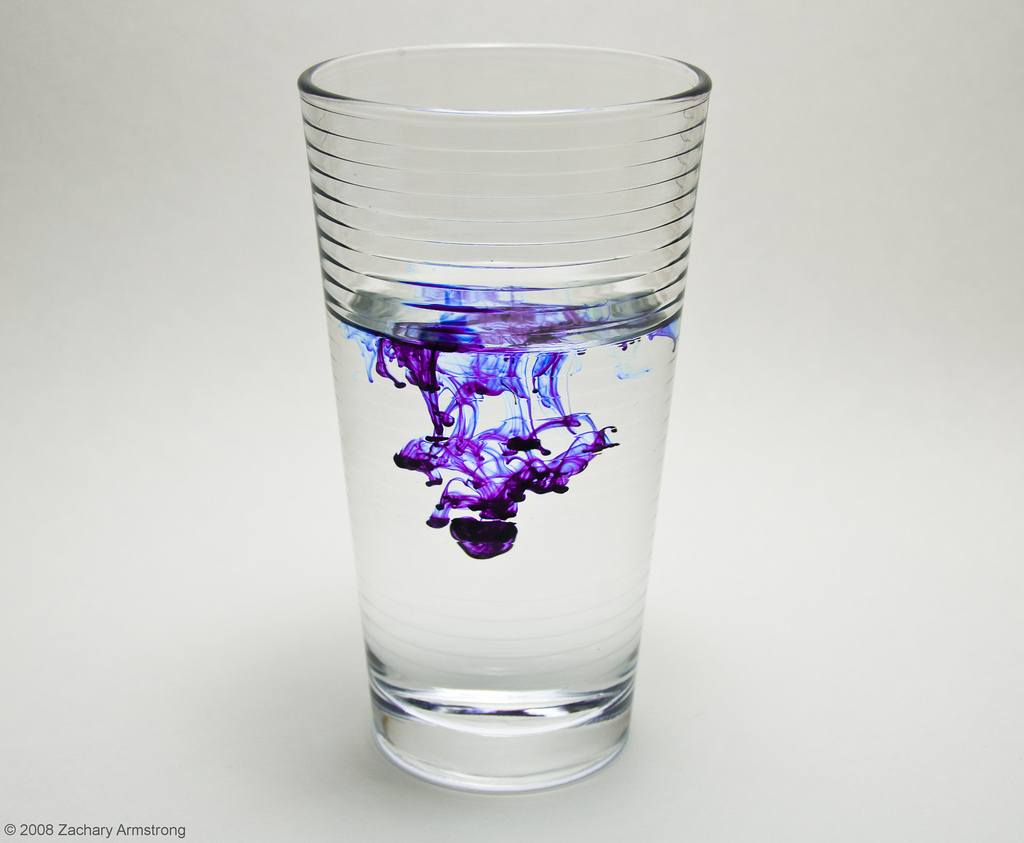
Where is there a low concentration of dye?
at the bottom of cup
in the color
at the top of cup
no concenteraion gradient
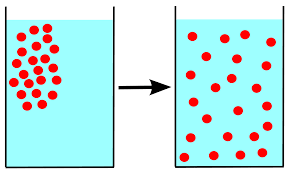
The picture below is an example of _________________.
osmosis
isotonic
diffusion
active transport
How long does diffusion last?
Until the concentration of particles in the system is equal
Until a region in the system has a smaller concentration of particles than the other
Until a region in the system has a greater concentration of particles than the other
Until the particles disappear from the system
When does diffusion stop?
After a day and a night
When the particles are evenly spread out
When there are no particles left
When all the particles leave the system
Suppose that a container of liquid is heated so that thermal expansion occurs. Why might the liquid overflow after heating?
the volume of liquid contracts
the volume of liquid expands
the liquid remains the same volume
How does an increase in temperature affect diffusion?
Diffusion speeds it up
Diffusion slows it down
Diffusion has no effect
During osmosis
water moves from high to low concentration
large or oddly shaped molecules move across a cell membrane
water moves when energy is used
proteins are built
Permeable means
things can pass through
the concentration levels are different
it is permanent
things are stuck


_______ regulates what enters and leaves a cell.
Cell Membrane
Nucleus
Mitochondria
Cytoplasm
If there is 5 percent water inside a cell and 5 percent water outside a cell
more water will move inside the cell
more water will move outside the cell
There will be no net movement of water, it moves into and out of the cell at the same time.
Which of the following is not a type of microbe?
bacteria
fungi
mosquito
virus
Microbes can be spread with air, animals, food, touch and in water.
true
false
Chicken pox is caused by __________ .
protozoa
virus
bacteria
fungus
Microbes that cause diseases are called __________ .
parasite
germs
host
preservatives
Microbes that cause diseases are called __________ .
parasite
germs
host
preservatives
Influenza or common flu spread by
coughing or sneezing
direct body contact
both 1 and 2
insects

Microorganisms can be found:
in the ocean, inside and outside your body
in medicine and your food
on plants and animals
All of the above
Microbes are bacteria, viruses and other _____ organisms.
big
tiny
small
huge

