
 Worksheets
Cells/Cell Theory
Total questions: 71
Worksheet time: 59mins
Name
Class
Date
1.
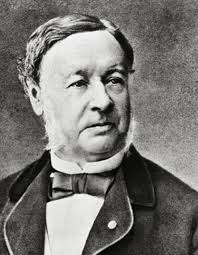
Which of the following scientists concluded that all animals are made of cells?
a)
Rudolf
Virchow
b)
Matthais
Schleiden
c)
Robert
Hooke
d)
Theodor
Schwann
2.

Which of the following scientists was the first to observe bacteria?
a)
Anton
van Leuwenhoek
b)
Matthais
Schleiden
c)
Robert
Hooke
d)
Theodor Schwann
3.

What is one way in which all living things on Earth are alike?
a)
All living things have hair.
b)
All living things are made of cells and come from other cells.
c)
The cells of all living things have chloroplast.
d)
All living things can move.
4.
Who looked at cork and named the cell?
a)
Robert Hooke
b)
Van Leeuwenhoek
c)
Robert Brown
d)
Francesco Redi
5.

Robert Hooke, Anton van Leeuwenhoek, Theodor Schwann, Rudolf Virchow, and Matthias Schliden were all responsible for what theory?
a)
The Theory of Gravity
b)
The Theory of Relativity
c)
The Cell Theory
d)
The Theory of Continental Drift
6.
What tool do you use to view the cells?
a)
metric ruler
b)
centrifuge
c)
microscope
d)
pipette
7.
Rocks are not living because
a)
they never move
b)
they aren't needed for humans
c)
they are not made of cells
d)
they don't break down
8.
The smallest unit that can perform the basic activities of life is
a)
a cell
b)
a tissue
c)
an organ
d)
an organism
9.

Which of the following scientists contributed to the cell theory?
a)
Rudolf Virchow, Robert Hooke, Anton van Leuwenhoek
b)
Matthais Schleiden, Theodor Schwann, Rudolf Virchow
c)
Robert Hooke, Theodor Schwann, Anton von Leuwenhoek
d)
Theodor Schwann, Matthais Schleiden, Robert HookeOption 4 (optional)
10.
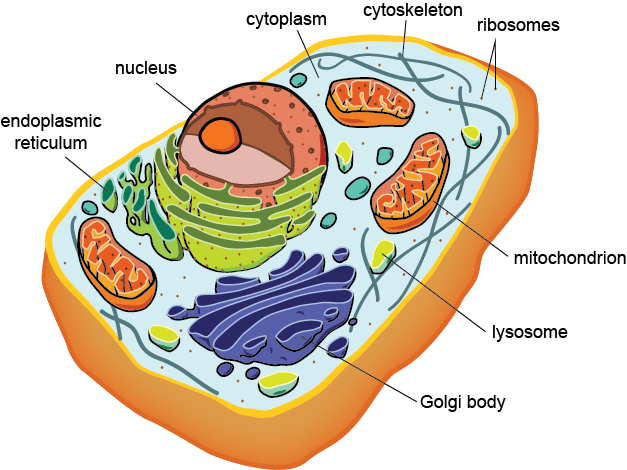
Which of the following statements is not part of the cell theory?
a)
Cells are the basic unit of structure and function in all living things.
b)
All cells are produced from other cells.
c)
Only animal cells are composed of cells.
d)
All living things are composed of cells.
11.

Which scientist did NOT contribute to the cell theory?
a)
Anton Van Leeuwenhoek
b)
Robert Hooke
Robert Hooke
c)
Albert Einstein
d)
Matthias Schleiden
Matthias Schleiden
12.
A plant and an animal are both living things. According to the Cell Theory, what can you conclude about these two very different organisms?
a)
Plants have cells but animals do not.
b)
They are both made of one or more cells.
c)
They both come from the same kind of cell.
d)
They both come from a non-living organism.
13.
This scientist concluded that animals and, in fact, all living things are made of cells:
a)
Hooke
b)
Leeunwenhoek
c)
Schleiden
d)
Schwann
14.
This scientist was the first to identify cells and name them:
a)
Hooke
b)
Leeunwenhoek
c)
Schleiden
d)
Virchow
15.
This scientist proposed that all cells come from other cells:
a)
Leeunwenhoek
b)
Schleiden
c)
Schwann
d)
Virchow
16.
This scientist concluded that plants are made of cells:
a)
Virchow
b)
Schwann
c)
Schleiden
d)
Leeunwenhoek
17.
This scientist observed live cells and observed greater detail:
a)
Hooke
b)
Leeunwenhoek
c)
Virchow
d)
Schwann
18.
This scientist observed live cells and observed greater detail:
a)
Hooke
b)
Leeunwenhoek
c)
Virchow
d)
Schwann
19.
All organisms are made of:
a)
organelles
b)
cytoplasm
c)
DNA
d)
cells
20.
All existing cells are produced by other
a)
living cells
b)
dead cells
c)
atom cells
d)
animal cells
21.
This is the most basic unit of life
a)
atom
b)
cell
c)
nucleus
d)
DNA
22.
Cells come only from what?
a)
existing cells
b)
nucleus
c)
fission
d)
budding
23.
Who looked at cork and named the cell?
a)
Robert Hooke
b)
Van Leeuwenhoek
c)
Robert Brown
d)
Francesco Redi
24.
The Cell Theory states...
a)
atoms create all matter
b)
living things evolve
c)
the cell is the backbone of all matter
d)
cells are the basic unit of structure and organization of organisms
25.
"All animals are made of cells". This fact was discovered by...
a)
Matthias Schleiden
b)
Theodor Schwann
c)
Robert Hooke
d)
Rudolf Virchow
26.

All cells have DNA.
a)
True
b)
False
27.
Eukaryotic cells are complex.
a)
true
b)
false
28.
All living things are made of...
a)
fungi
b)
cells
c)
bacteria
d)
plants
29.
Plants and animal cells are examples of ____________ cells
a)
prokaryotic cells
b)
eukaryotic cells
30.
These cells have DNA surrounded by a nucleus.
a)
Eukaryotic
b)
Prokaryotic
c)
Neither
d)
Both prokaryotic and eukaryotic
31.
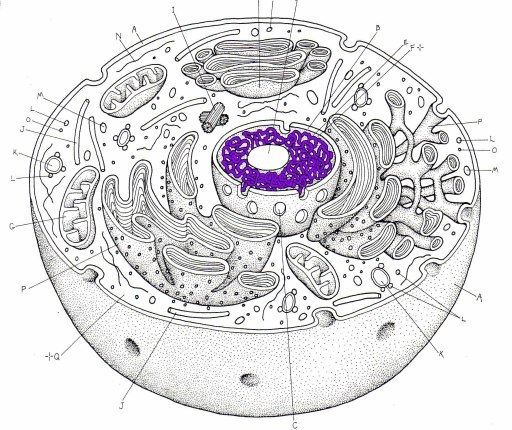
What kind of cell is this?
a)
Eukaryotic
b)
Prokaryotic
32.

What type of cell is pictured?
a)
Prokaryotic
b)
Eukaryotic
c)
Plant
d)
Animal
33.

All cells have cell membranes. What is the function (job) of the cell membrane?
a)
Allow certain things to enter and exit the cell.
b)
Allows all things to enter the cell.
c)
Does not allow anything to enter and exit.
d)
It is made out of wood.
34.

What does it mean when you see a nucleus in a cell?
a)
The cell is empty
b)
The cell is prokaryotic
c)
The cell is eukaryotic
d)
This would not be a cell
35.

What is cytoplasm?
a)
The outside of the cell
b)
Another name for cells
c)
Another name for a nucleus
d)
The gel like liquid inside all cells
36.
Which cell is larger, more complex and has a nucleus?
a)
Eukaryotic
b)
Prokaryotic
37.
Which cell is smaller, more simple and does not have a nucleus?
a)
Eukaryotic
b)
Prokaryotic
38.
Humans and plants are made of ______________ cells because they both have a nucleus.
a)
Eukaryotic
b)
Prokaryotic
c)
Fungi
d)
What?
39.

Ribosomes are found in both prokaryotic and eukaryotic cells. What is the main function of ribosomes.
a)
to make proteins
b)
to make sugar
c)
to make oil
d)
to make cells
40.
Ribosomes synthesize protein. What does the word synthesize mean?
a)
To move
b)
To heat up
c)
To make (produce)
d)
To burn
41.
1. All living things are made of one or more cells.
2. Cells are the building blocks of life.
3. All cells come from preexisting cells.
What is this theory called?
2. Cells are the building blocks of life.
3. All cells come from preexisting cells.
What is this theory called?
a)
The Eukaryotic Theory
b)
The Prokaryotic Theory
c)
The Cell Theory
d)
The Nucleus Theory
42.
All cells have DNA.
a)
True
b)
False
43.

Chromosomes are ____ shape structures that contain DNA inside the nucleus.
a)
"S"
b)
"I"
c)
"0"
d)
"X"
44.

Chromosomes (DNA) are found in the __________________ in eukaryotic cells.
a)
Nucleus
b)
Ribosome
c)
Cell Membrane
d)
Cytoplasm
45.

Bacteria are all made of ...
a)
Eukaryotic cells
b)
Plant cells
c)
Prokaryotic cells
d)
fungi cells
46.
This organelle takes food and turns it into ENERGY for plant and animal cells.
a)
Chloroplast
b)
Mitochondria
c)
Lysosome
d)
Ribosome
47.

Which part of the cell is often called "the brain of the cell"?
a)
nuclear membrane
b)
endoplasmic reticulum
c)
nucleus
d)
mitochondria
48.
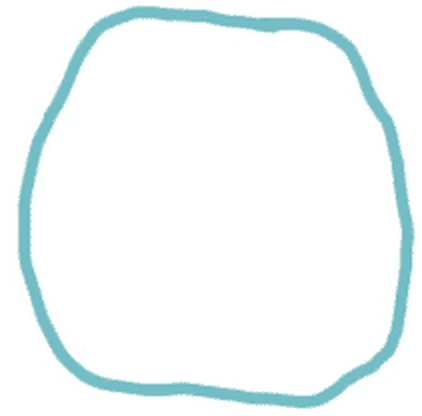
I am the outer most layer of an animal cell. What am I?
a)
cell wall
b)
nucleus
c)
cell membrane
d)
cell skin
49.
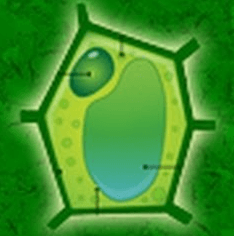
A rigid layer that lies outside the cell's membrane is...
a)
Cytoskeleton
b)
Cilia
c)
Cell Wall
d)
Flagella
50.
What organelle is called the "powerhouse" of a cell?
a)
Endoplasmic Reticulum
b)
Nucleus
c)
Mitochondria
d)
Nucleolus
51.
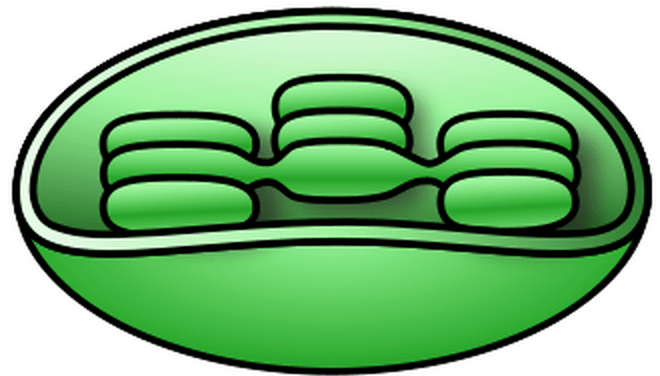
I am only found in a plant cell. What am I?
a)
cell wall
b)
mitochondria
c)
cytoplasm
d)
chloroplast
52.
Consists of a jellylike substance that contains many organelles.
a)
ribosomes
b)
cytoplasm
c)
chloroplasts
d)
cell wall
53.
Which organelle uses energy from sunlight to make sugar?
a)
mitochondria
b)
nucleus
c)
chloroplasts
d)
vacuoles
54.
Controls what enters/leaves a cell
a)
cell membrane
b)
Nuclear membrane
c)
cell wall
d)
cytoplasm
55.
hold/store water, mainly found in plant cells
a)
nuclolus
b)
ribosomes
c)
golgi bodies
d)
vacuoles
56.
jello-like material, fills the space between cell organelles, is where many chemical reactions occur
a)
cytoplasm
b)
chromatin
c)
chloroplast
d)
cell membrane
57.
Converts food into usable energy for the cell
a)
Mitochondria
b)
Chloroplast
c)
Nucleus
d)
Vacuole
58.
Provides structure and support for plant cells.
a)
Cell membrane
b)
Chloroplast
c)
Ribosomes
d)
Cell Wall
59.
Stores food and water for the cell.
a)
Cytoplasm
b)
Cell Wall
c)
Vacuole
d)
Nucleus
60.
Controls the cell and contains DNA
a)
Nucleus
b)
Mitochondria
c)
Chloroplast
d)
Cell Wall
61.
Controls what enters and leaves the cell
a)
Mitochondria
b)
Cell Membrane
c)
Cell Wall
d)
Nucleus
62.

The Golgi apparatus _____.
a)
packages cell products for export
b)
eliminates waste
c)
stores DNA
d)
makes energy
63.

Which organelle is only found in a plant cell?
a)
nucleus
b)
chloroplast
c)
mitochondria
d)
cell membrane
64.

This organelle creates energy.
a)
Nucleus
b)
Ribosome
c)
Mitochondria
d)
ER
65.

Where is DNA stored in a cell?
a)
Lysosomes
b)
Golgi Complex
c)
Ribosomes
d)
Nucleus
66.

What is the fluid inside a cell called?
a)
Endoplasimic Reticulum
b)
Orange Juice
c)
Water
d)
Cytoplasm
67.

Which of these is NOT a part of the Cell Theory?
a)
All cells are independent.
b)
Cells are the basic unit of living things.
c)
All living things are one or more cells.
d)
Cells come from cells.
68.

This organelle helps plants keep their rigid structure.
a)
Cell wall
b)
Cell membrane
c)
Chloroplast
d)
Nucleus
69.

This organelle turns the light energy into a simple sugar.
a)
Mitochondria
b)
ER
c)
Chloroplast
d)
Nucleus
70.

This organelle makes proteins.
a)
Cell membrane
b)
Nucleus
c)
Ribosome
d)
ER
71.

Plant and animal cells are identical.
a)
True
b)
False
100 %

