
 Worksheets
Reproduction: Asexual vs Sexual
Total questions: 32
Worksheet time: 21mins

What is reproduction?
a play
making of the next generation
to do something over
none of the others

A mode of reproduction by which an organism arises from a single organism and inherit the identical genes of that parent
Asexual Reproduction
Sexual Reproduction
Genetic Variation
Alleles


A mode of reproduction in which an organism arises from two organisms and inherits half of its DNA from each parent
Sexual Reproduction
Asexual Reproduction
Cloning
Fragmentation
Requires two parents
sexual
asexual


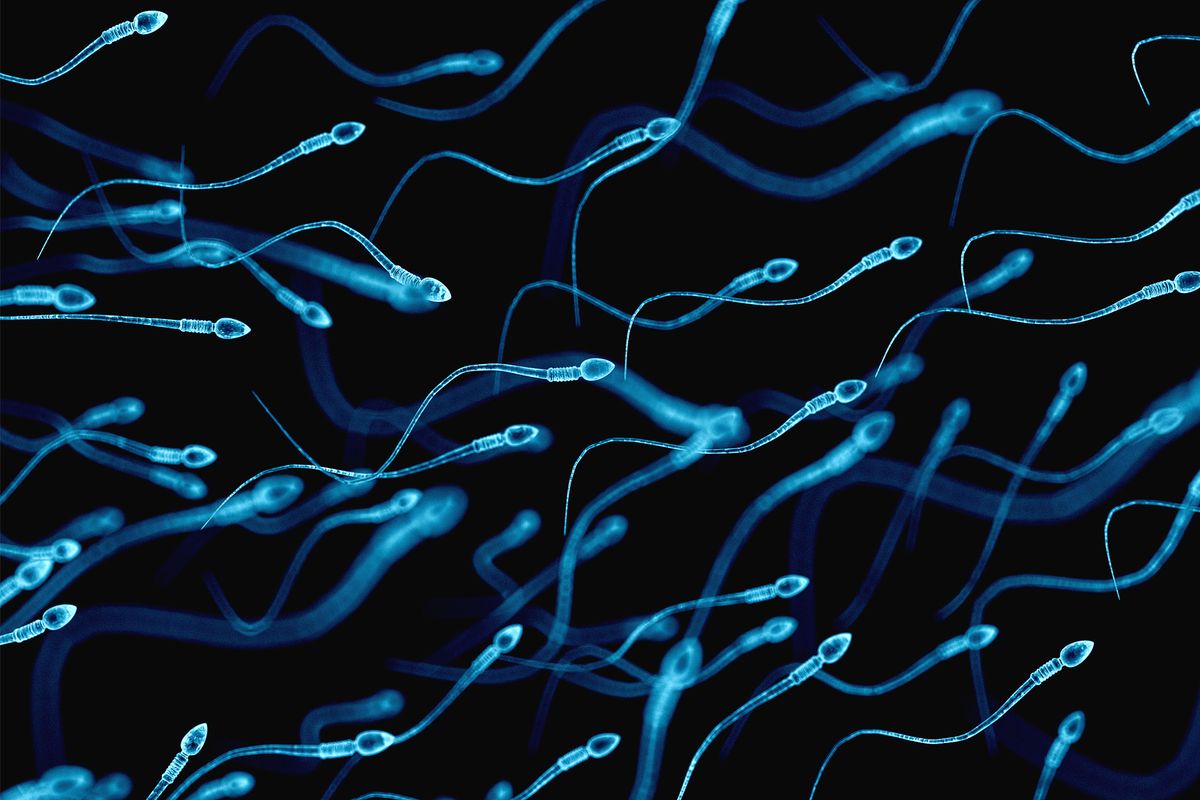
In sexual reproduction the male produces ___ cells.
Malex
Quack
Egg
Sperm
In sexual reproduction the female produces ___ cells.
Femalex
Quack
Egg
Sperm
Involves two parents and produces offspring different from parents
external fertilization
sexual reproduction
internal fertilization
asexual reproduction
The movement of pollen from one flower to another flower
Results in offspring that is genetically identical to the parent(s)
Results in offspring that is genetically unique to the parent(s)
Identical copy of parent
zygote
clone
sperm
pollen
Which is the best example of sexual reproduction?
DNA is 100% the same
Offspring receive genetic material from two parents.
A bacterium divides into offspring identical to the parent.
Daughter cells receive all the genetic material of a parent cell.
Which of these statements about asexual reproduction is false?
Asexual reproduction requires only one parent.
Asexual reproduction increases variations in a population.
Asexual reproduction is carried out by bacteria.
Asexual reproduction can produce more offspring faster than sexual reproduction can.
The offspring of sexual reproduction:
receives half of its genetic material from each parent
receives all of its genetic material from one parent
receives genetic material from an outside source
develops genetic material independent of any other source
:
A scientist is observing a new species of organism. She observes that from generation to generation many of the organisms’ offspring have adaptations that their parents did not have. This organism is most likely reproducing through __________.
budding
asexual reproduction
sexual reproduction
binary fission

There are a couple thousand different species of brittle star. At certain times of the year, male and female stars release sperm and eggs into the ocean. They can also reproduce by simply splitting in half and grow new body parts. How does the organism reproduce?
Sexual reproduction
Asexual Reproduction
Both Asexual and Sexual reproduction
Can't reproduce

The common earthworm has both male and female reproductive parts. To reproduce, two worms come together to exchange sperm. each worm deposits its own eggs and the donated sperm into a gooey cocoon that if leaves in the soil. Baby worms emerge a few weeks later. What type of reproduction?
Asexual reproduction
Sexual reproduction
Both axexual and sexual reproduction

Pollen grains produced by a flower are carried by a be to the stigma of another flower. What type of reproduction
Sexual reproduction
Asexual reproduction
Both sexual and asexual reproduction

A stem is cut from a plant and grows its own roots and leaves. A process called vegetative propagation (cutting)
What type of reproduction?
Sexual reproduction
Asexual reproduction
Both asexual and sexual reproduction

While fishing the fisherman cuts an earthworm in half. The head of the earthworm lives and the tail decays. What type of reproduction?
Asexual reproduction
Sexual reproduction
Both asexual and sexual reproduction
neither type of reproduction (attempted murder)

Offspring are produced by growing out of the parent through a process called budding. The DNA are 100% the same.
Sexual reproduction
Asexual reproduction
Both asexual and sexual reproduction
Neither type of reproduction

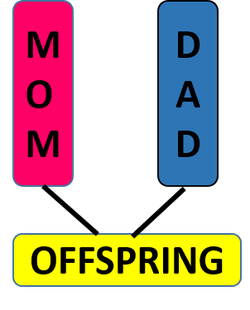
What is true about the offspring in this image?
They will be genetically unique and not identical to their parents
They will share the identical DNA as their parent
Two parents were required to create offspring
The offspring will not carry the same diseases as the parent

What is FALSE about the offspring in this image?
Will have identical DNA to one of their parents
Will be a genetically unique individual
Will receive have their DNA from each parent
Requires 2 parents
Which disadvantage is most related to asexual reproduction
slower process
requires more energy
produces less offspring
there is no genetic diversity
Which advantage is most related to asexual reproduction?
produces many offspring quickly
increases genetic diversity
sometimes both parents help to raise the offspring
the health of the population increases overtime because of genetic variation
What is a disadvantage of sexual reproduction?
Requires more energy to find a mate
there is no genetic diversity in the offspring
if the parent has a genetic disorder the offspring will also have that disorder
requires one parent
onto future generations


Which statement reflects a way in which asexual reproduction is beneficial? Select all that apply.
It results in genetic variation.
It requires a lot of time and energy.
Organisms can reproduce without a mate.
It is a much quicker process.

