
 Worksheets
UNIT II: ATOMIC STRUCTURE & PERIODIC TABLE
Total questions: 50
Worksheet time: 39mins
Which are of the following are subatomic particles. Select three:
Protons
Neutrons
Electrons
Nucleus
The atomic number will tell me... (select three)
Number of Protons
Number of Electrons
Number of Neutrons
What element is it
The nucleus of an atom contains which of the following subatomic particles: (Select two)
protons
Neutrons
Electrons
Shells
2. Subatomic particles that have a negative charge
electrons
atoms
protons
neutrons

What is one way Neutrons are different from electrons?
they both are negative
neutrons have no charge, while electrons have a negative charge
Both are in the nucleus( center of atom)
Electrons are inside nucleus and neutrons are outside the nucleus.


3. The number 16 for the atomic element sulfur is the
ionic number
atomic mass
isotope
atomic number

What is Group 18 referred as?
Halogens
Alkaline
Alkali
Noble Gases

What Element is H?
Helium
Hydrogen
Hectogen
Not enough information
What is an element called if it has more or less neutrons than the stable version of the element?
Isotope
Ion
Negative
Positive
Which particles contribute to the mass of an atom?
How much space they take up
Protons and Neutrons
Electrons and Quarks
Protons and Electrons

How many neutrons are in this element?
28
14
29
42
When building a Bohr Model, what is the MAXIMUM number of electrons you can have on the FIRST shell?
1
2
8
18

What element is in Period 2 Group 4?
Calcium
Carbon
Titanium
Doesn't Exist
When building a Bohr Model, what is the MAXIMUM number of electrons you can have on the SECOND shell?
1
2
8
18

What is the element Symbol for Aluminum?
A
AL
Al
Am

What is the atomic mass for Carbon? (Rounded)
15
13
16
12

How many electrons are in Potassium?
15
19
39.10
30.97

Which of the following elements are in Period 4?
Lithium
Beryllium
Argon
Calcium
Use your periodic table. The element neon has
10 protons, 20 neutrons, 12 electrons
15 protons, 15 neutrons, 15 electrons
0 protons, 0 neutrons, 0 electrons
10 protons, 10 neutrons, 10 electrons
The outermost electrons are called ______ electrons.
nothing
valence
electron cloud
energy levels
Lanthanides and Actinides are part of groups 3-12 which are called ______ metals.
transition
alkali
alkaline earth
Use your periodic table. What element is in group 10, period 4?
copper
nickel
cobalt
palladium
5. The group number equals?
The number of energy levels
The number of neutrons
The number of protons
The number of valence electrons
Which element has a mass number greater than nitrogen, but less than neon?
Oxygen
Lithium
Sodium
Helium
The electron is not included in the calculations for the atomic mass because
It has negative charge
It is located in the outer energy levels of the atom
Its mass is basically zero
It attracts neutral particles


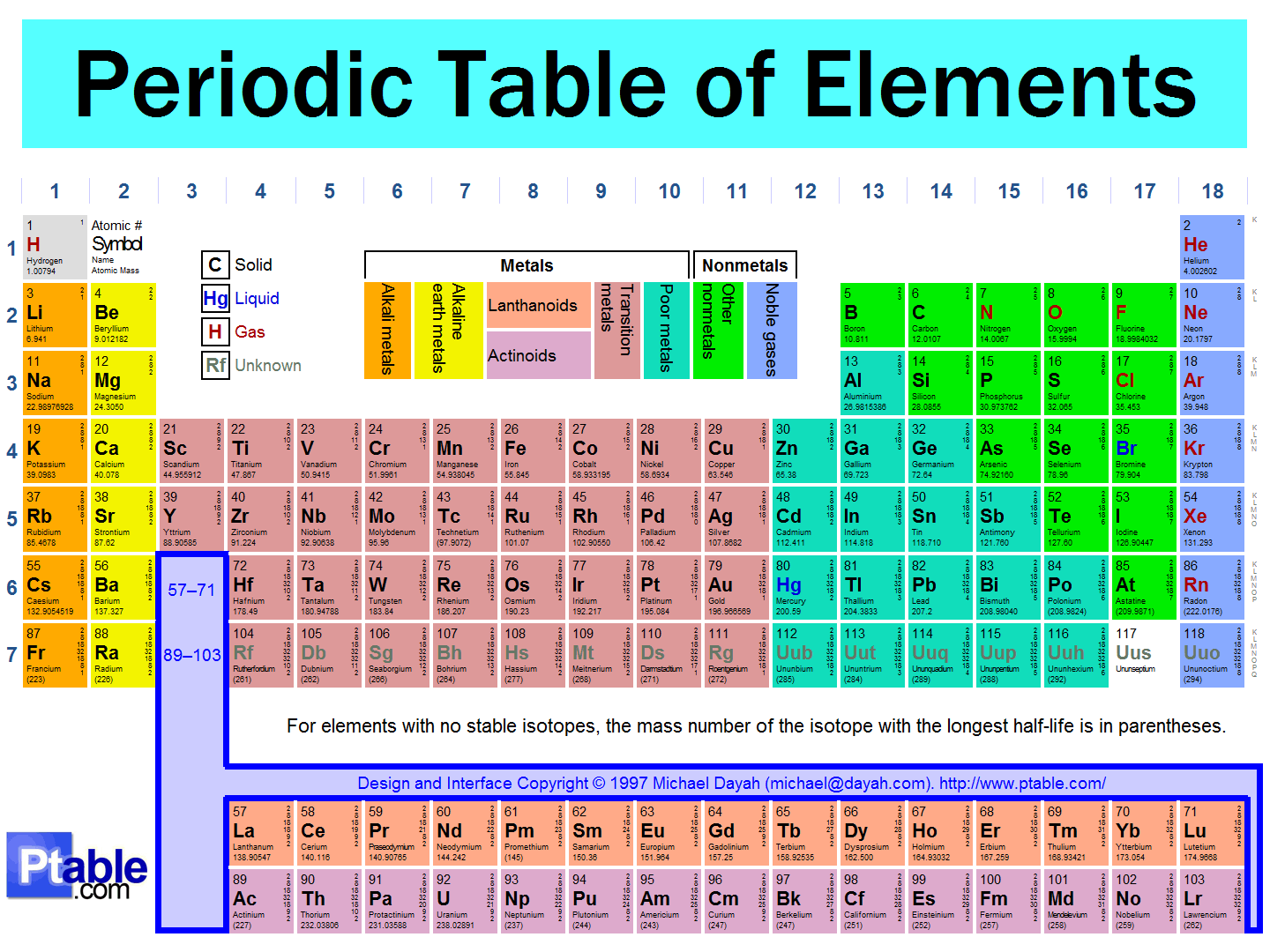
The vertical (up and down) columns in the Periodic Table are called
groups
towers
periods
atomic numbers
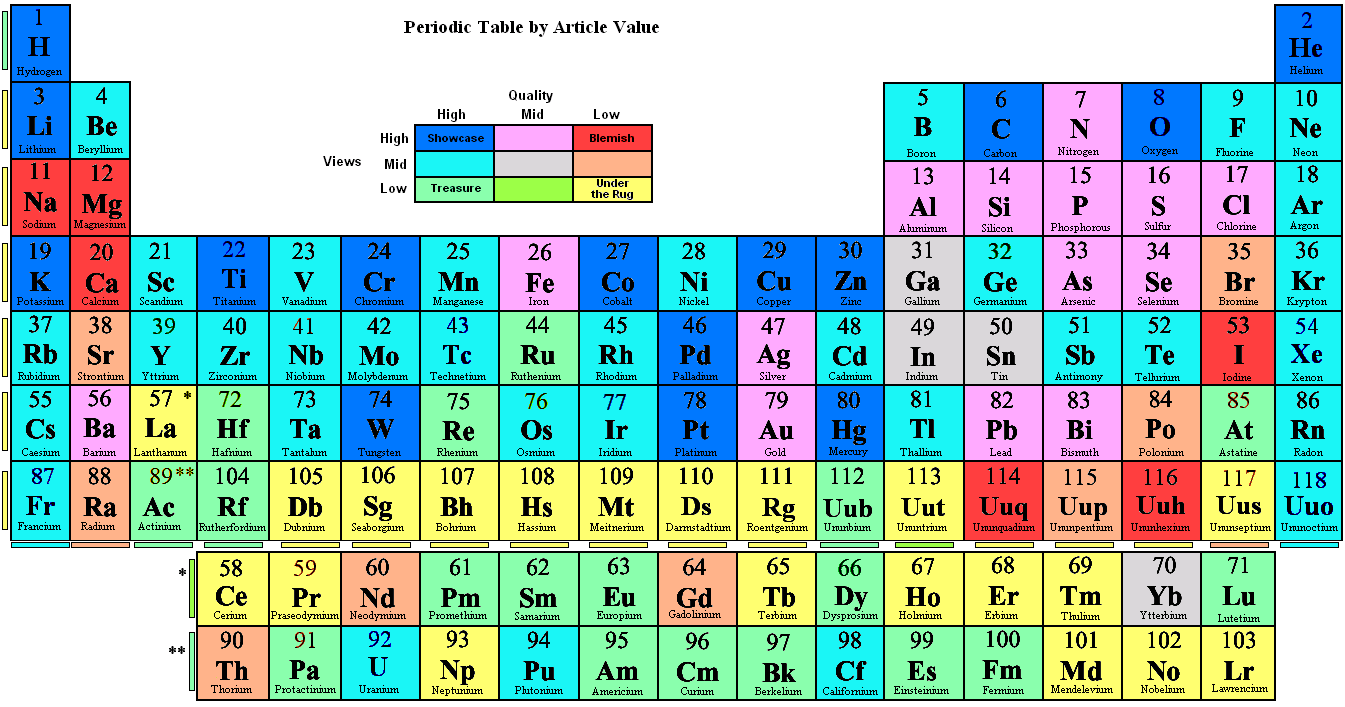
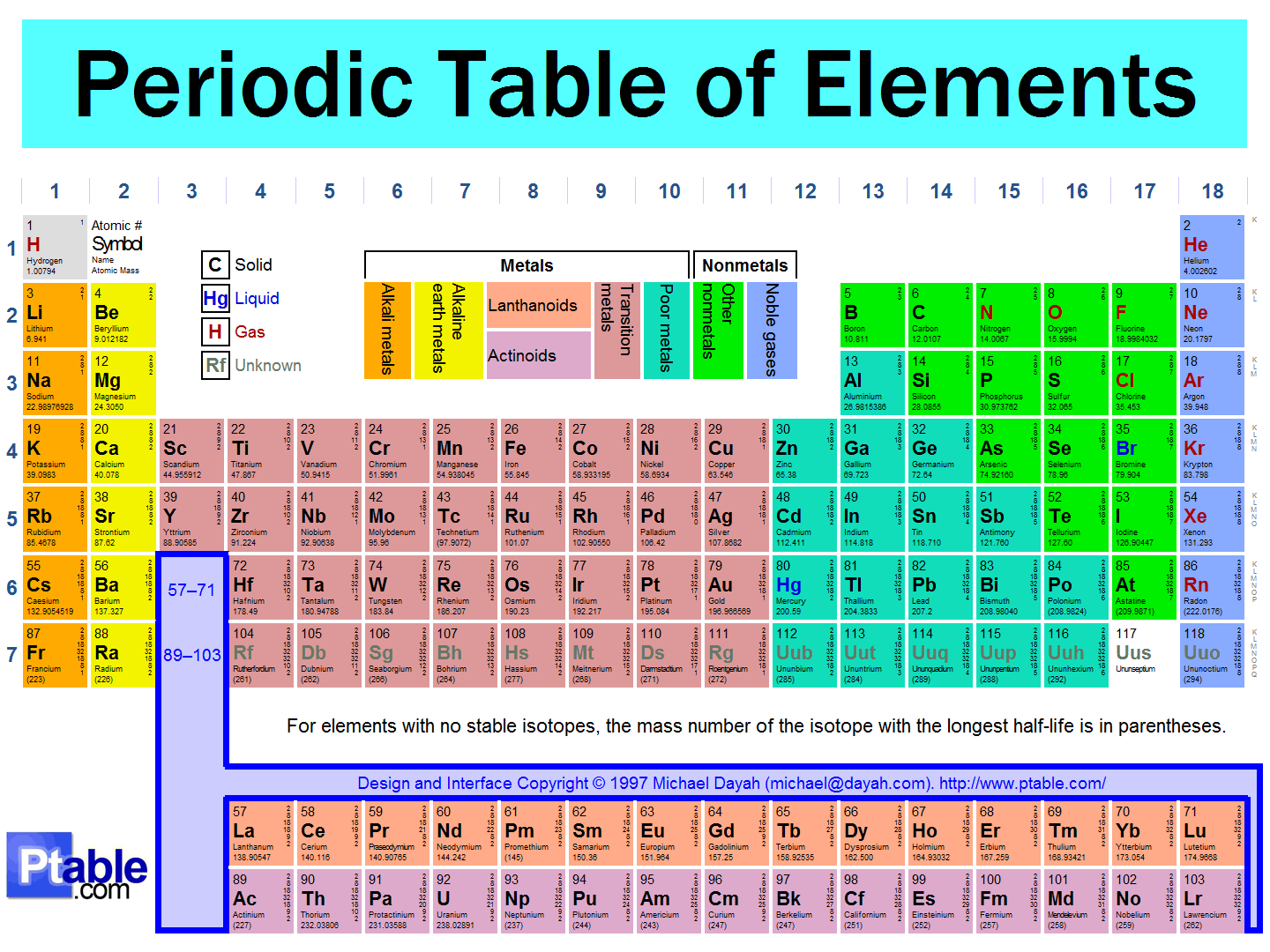
The horizontal (side to side) rows in the Periodic Table are called
groups
families
periods
atomic numbers

What period is Lead (Pb) in?
6
4
Metals
4A
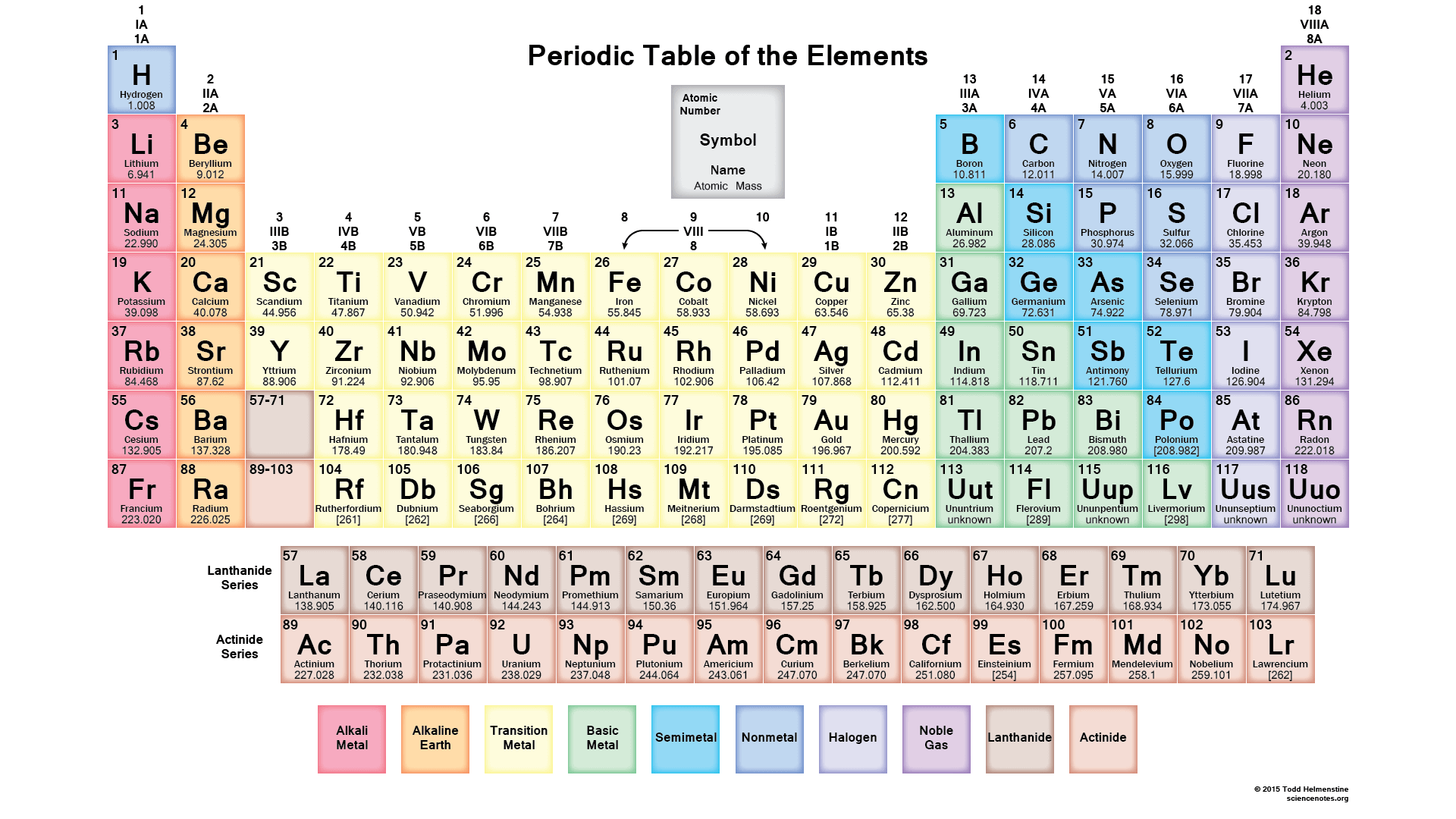

Which group of the periodic table is composed of inert (not reactive) gases with 8 valence electrons?
alkali metals
alkaline earth metals
halogens
noble gases


what is the name of group number 2
transition metals
halogens
metaloids
alkaline earth metals
Which of the following is a Halogen?
Bromine
Rubidium
Beryllium

