
Font size
 Worksheets
Review: Atoms Unit--8th
Total questions: 95
Worksheet time: 8hrs 55mins
___________is the basic unit from which all matter is made.
Element
Atoms
Molecule
Matter
Anything that has mass and takes up space is called ____________.
Atom
Element
Molecule
Matter
What is the basic building block of matter (made of protons, electrons, and neutrons)?
Matter
Molecule
Atom
Crystal
What has no charge?
Protons
Neutrons
Electrons
What has a negative charge?
Protons
Neutrons
Electrons
Subatomic particles with a negative charge
Electrons
Neutrons
Protons
Quarks

Found orbiting outside the nucleus, this subatomic particle has a negative charge.
Neutron
Proton
Electron
Idontknowatron

How many protons does indium have?
49
66
114
115

What is the atomic mass of barium
56
82
137
138

How many neutrons does platinum have?
78
117
195
196


This particle determines the identity of an atom.
number of electrons
number of neutrons
number of protons
sum of protons and neutrons
Atoms in which the number of electrons is not the same as the number of protons.
isomers
ions
isotopes
isoelectronic
How many protons will an atom have it has an atomic number of 26, an atomic mass of 56 and a charge of +3?
29
30
26
3
How many electrons are in an atom that has an atomic number of 34, a mass number of 74 and a charge of -2?
34
72
36
2
Which describes a cation?
positive ion, # electrons = # of protons
positive ion, # electrons < # of protons
negative ion, # electrons > # of protons
negative ion, # electrons < # of protons
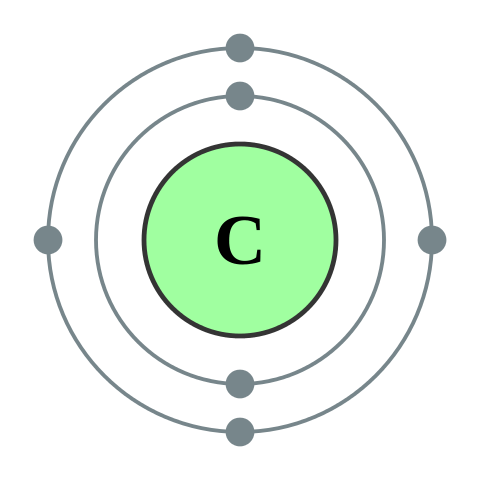
How many valence electrons does carbon have?
4
5
6
7

This is a correct dot diagram for carbon (C)
true
false
What are valence electrons?
The total number of electrons in an atom
The number of electrons in the outermost shell
The number of electrons in the second shell
The number of protons in the outermost shell
All atoms are most stable with (or would "prefer") how many electrons in their valence shell?
1
2
8
18
The period that an element is in, tells you what?
Number of protons
Number of electrons
Number of valence electrons
Number of shells
USE THE PERIODIC TABLE
Find the element that has 5 Valence Electrons and 4 energy levels (hint: row 4).
Arsenic - As
Selenium - Se
Calcium - Ca
Vanadium - V
Which model represents the most reactive atom?
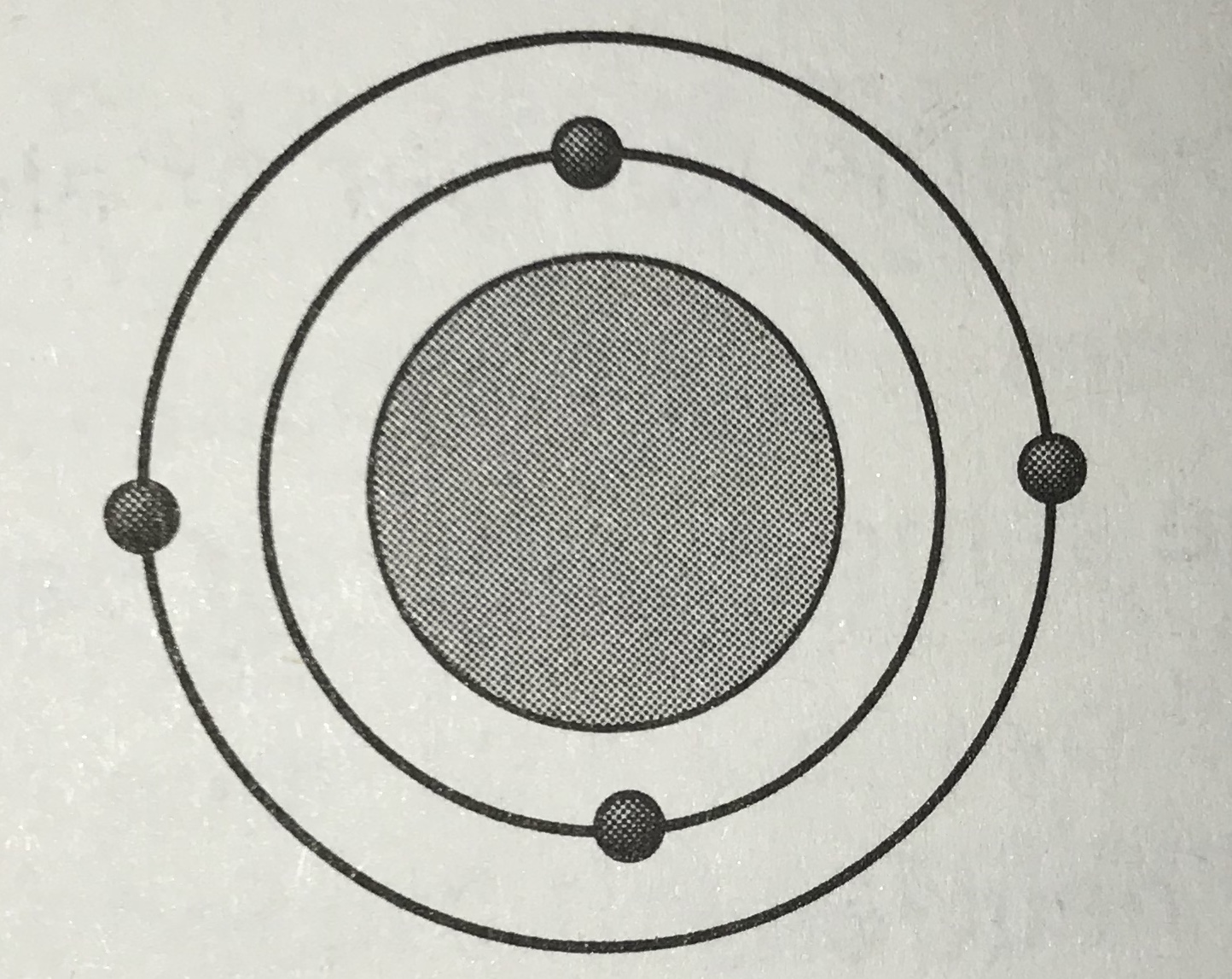
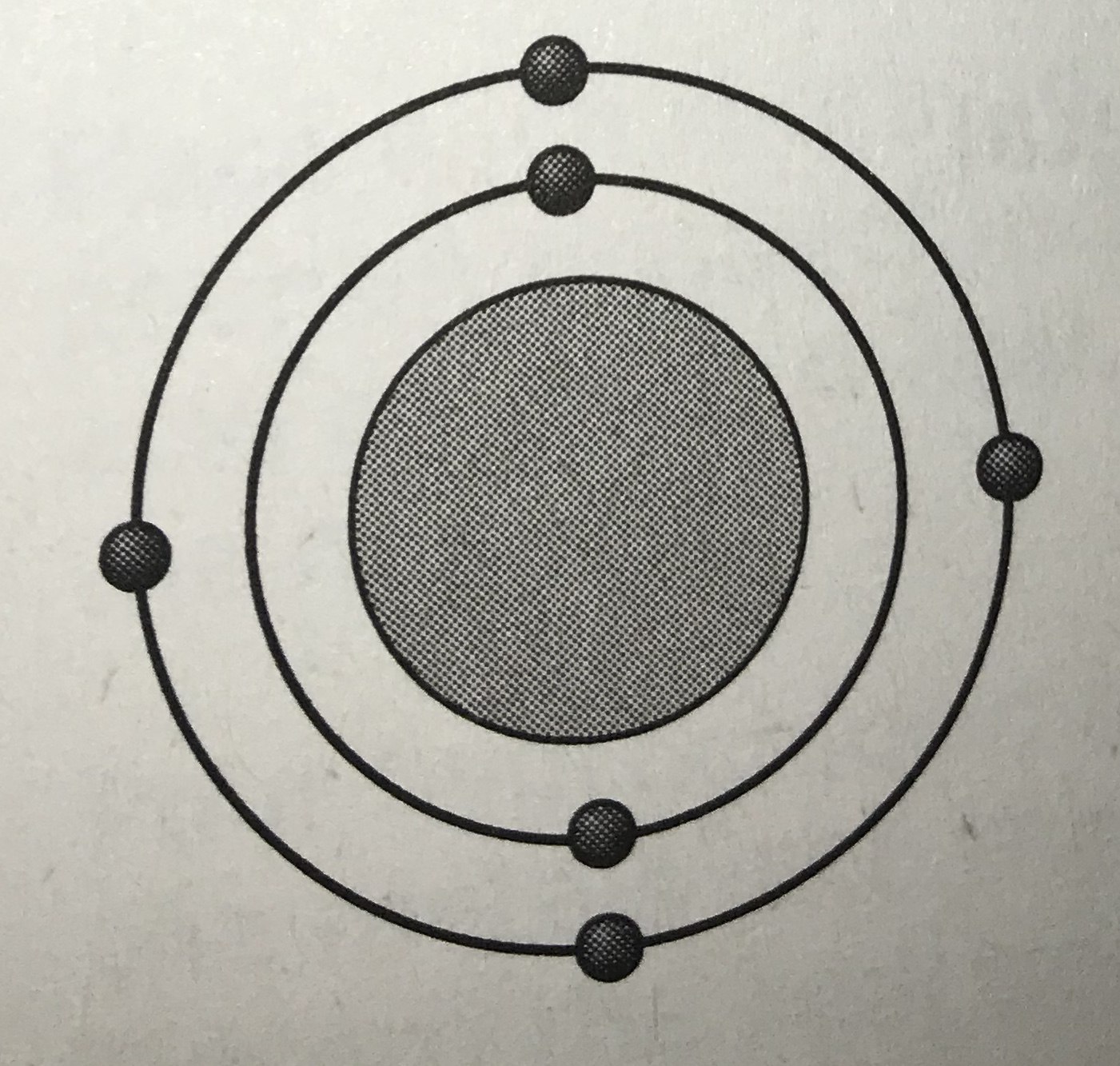
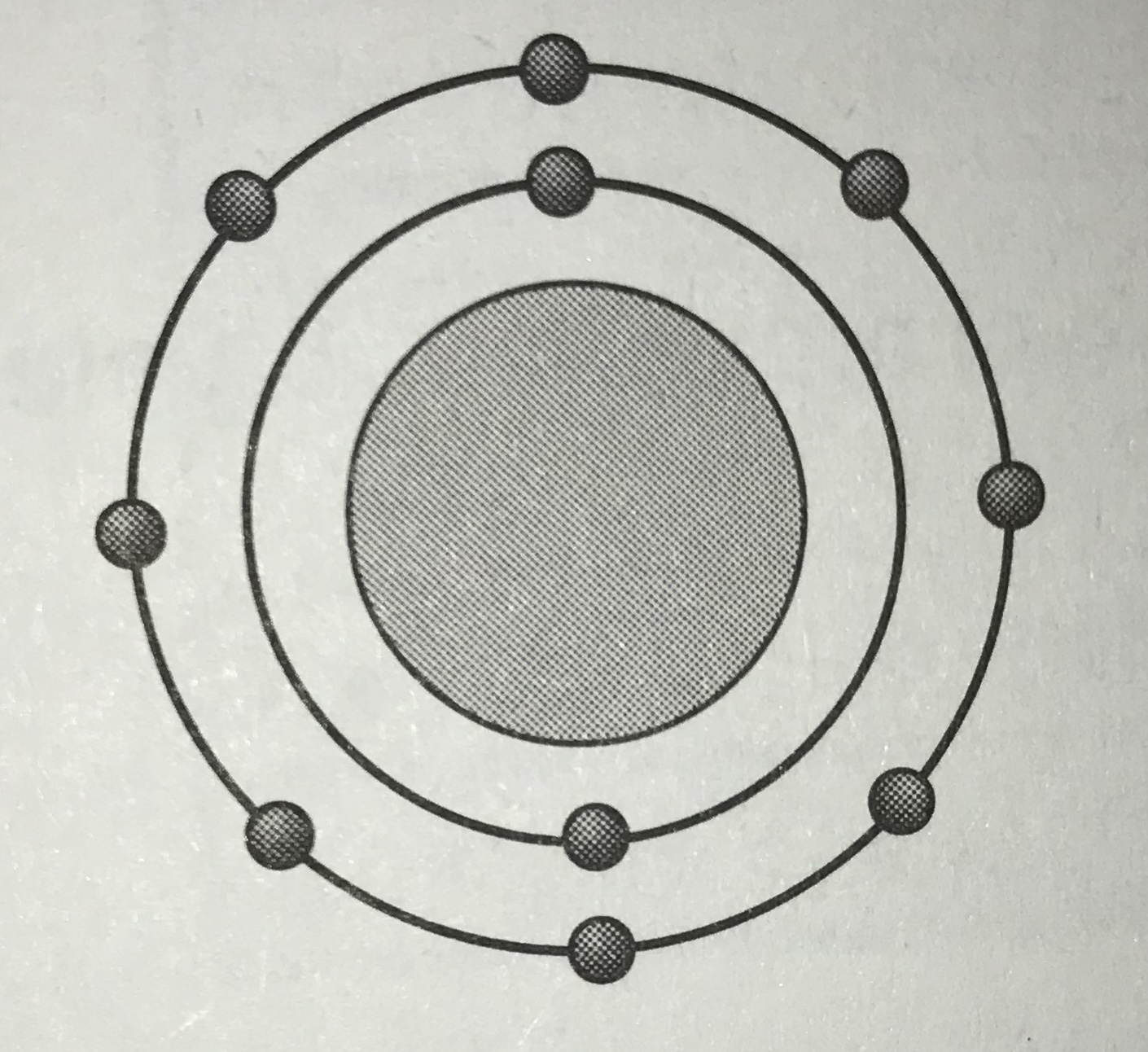
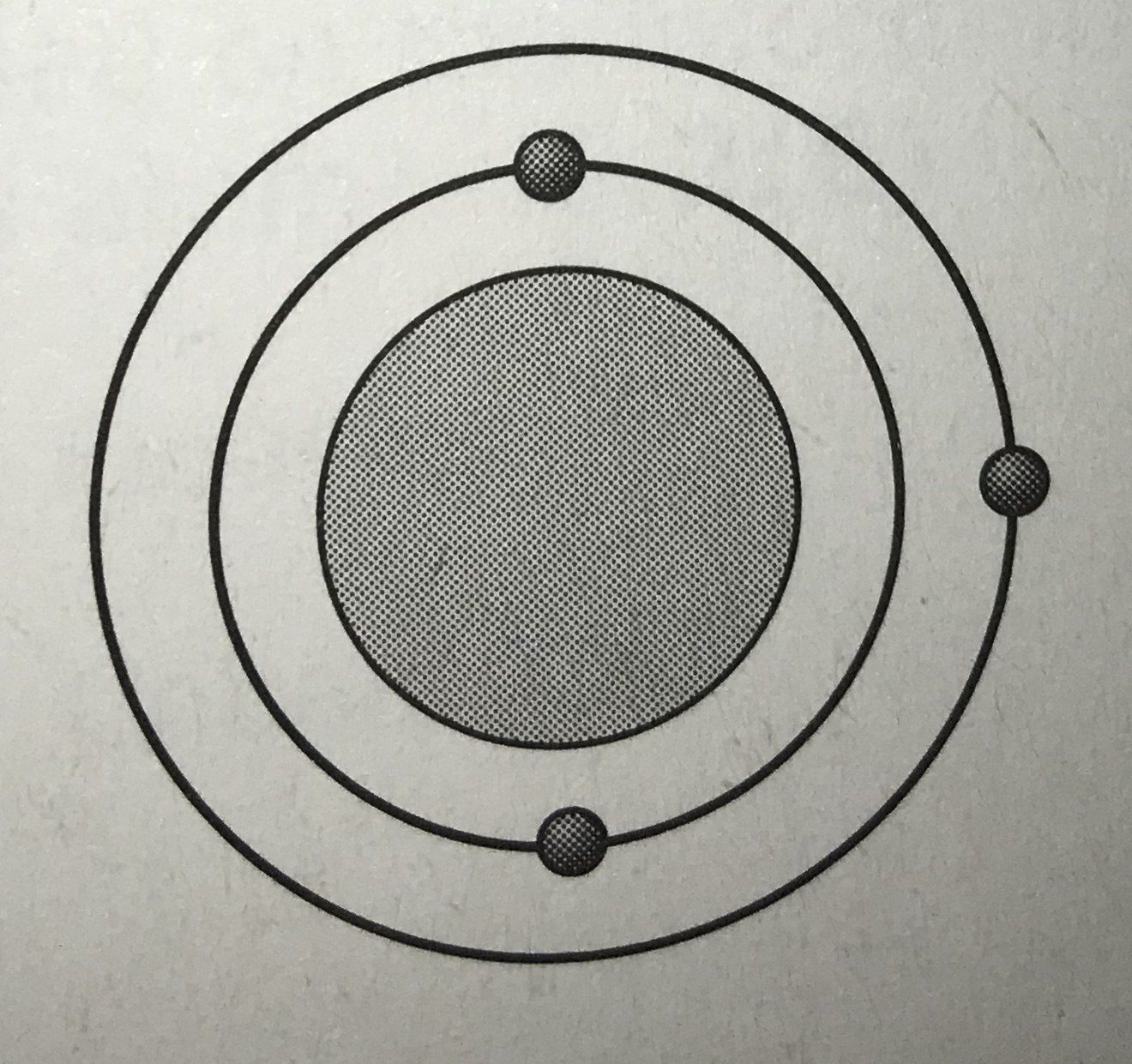

What element, based on the subatomic particles in the atom, is shown?
Beryllium
Helium
Lithium
Oxygen

Based on the information, what is the identity of this atom?
Fluorine (F)
Cobalt (Co)
Germanium (Ge)
Nickel (Ni)

Which student's claim about valence electrons in a sulfur atom is correct?
Student 1
Student 2
Both Student 1 and Student 2
Neither Student 1 nor Student 2
Which statement best explains why protons are used to identify an element?
Protons are the most easily identified subatomic particles
Positive charges are more easily detected during an investigation than negative and neutral charges
The number of protons is unique to each element and remains constant
Protons alone cannot be used to identify an element. The number of electrons and neutrons must also be known.
A group of students examines a Bohr model of an atom with 8 valence electrons. What conclusion can the students make about the chemical reactivity of the element?
The element is extremely reactive because the outer energy level is full
The element is nonreactive because the outer energy level is full
The element is somewhat reactive because the outer energy level is full
Additional information is necessary to determine reactivity

Which area would be most useful in determining the identity of an element?
Area 1
Area 2
Area 3
Area 4
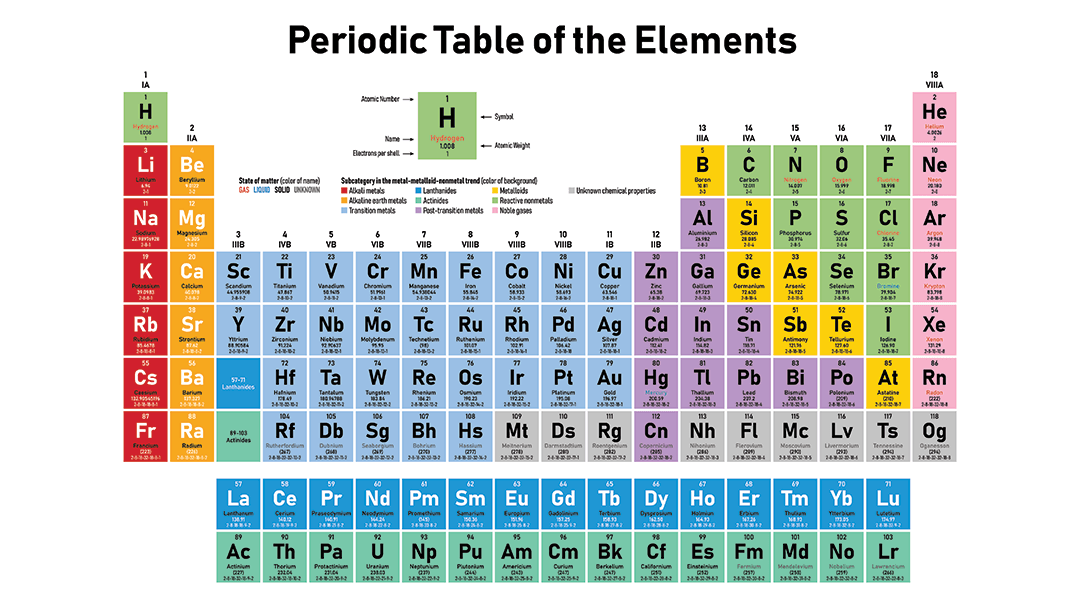
How many valence electrons does Na have?
1
5
6
11

Select the elements that has 8 valence electrons.
Ne
Br
Kr
Xe

What is the chemical symbol for Potassium?
Po
P
K
Pm
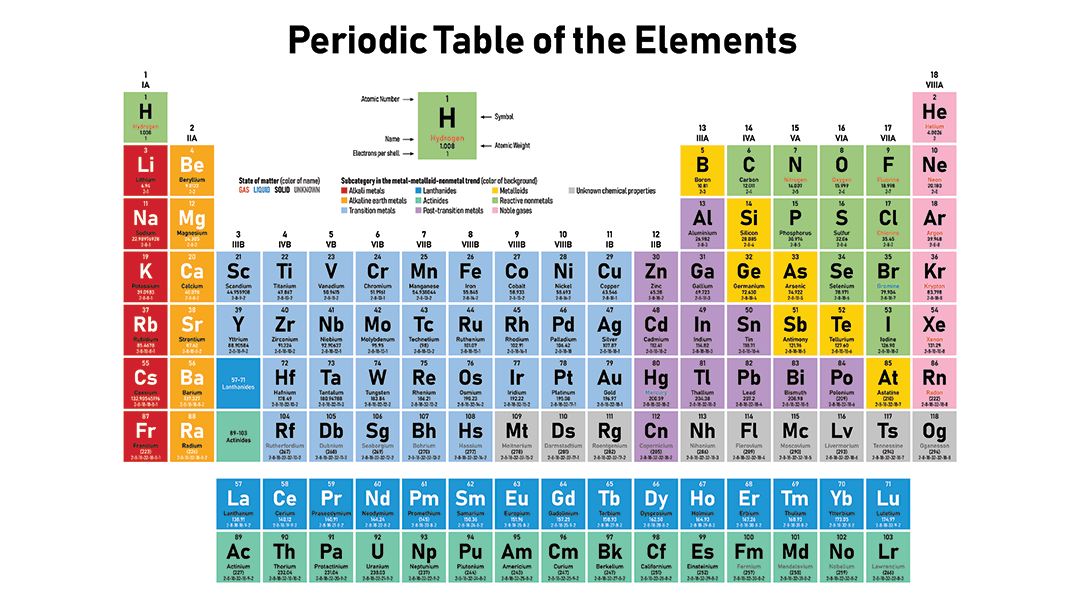
All of the elements has 4 valence electrons EXCEPT______
Carbon
Silicon
Germanium
Selenium

Which particles change the charge in atoms when ions are formed?
Protons
Electrons
Neutrons

Why are ions formed?
To make our lives difficult
Because atoms want to be stable
Because atoms have the same number of protons and electrons
Because atoms gained neutrons

An atom becomes _________ when it gains electrons.
Positive
Negative
Neutral

An atom becomes _______ when it loses electrons.
Positive
Negative
Neutral

Anions are...
Positive
Negative
Neutral

Cations are...
Positive
Negative
Neutral
When an atom loses a valence electron, it becomes a(n) _____________ ion.
positive
negative
neutral
When an atom gains a valence electron, it becomes a(n) _____________ ion.
positive
negative
neutral


A Bromine ion gains 1 electron, which of the following is the correct symbol for a Bromine ion?
Br-1
Br+1
Br+7
Br-7
What is the ion formed from Sulfur?
S+2
S-2
S+6
S-6
three hydrogen (H)
one sulfur (S)
four oxygen (O)


H2SO4

What are the reactants?
What are the products?

Which of the following accurately describes the chemical formula of the molecule shown above?
3CH8O
C3H7O
C4H8O2
C3H8O
Which of the following molecules has the formula CH2O?


How many atoms of hydrogen are in the formula CH3CH2Br?
5
3
2
7
How many different elements are in the formula CH3CH2Br?
3
5
6
2

How many sodium (Na) atoms are in 6Na2Cl ?
6
12
2
1
Which of the following represent chemical equations? Check all that apply.
2Na + H2O → 2NaOH + H2
2KClO3 → 2KCl + 3O2
2Fe + 3O2 → 2Fe2O3
2H2O
3O3 , H2O
The formula shown here represents the breakdown of a metal into rust. What elements are involved in this reaction? Check all that apply. 4Fe + 3O2 → 2Fe2O3
Iron
Oxygen
Carbon
Nitrogen
Which image below best demonstrates the Law of Conservation of Mass?


Review the image and then pick the scenario below which best illustrates the Law of Conservation of Mass.
A scientist adds 5g of Substance A to 5g of Substance B. A reaction occurs that produces 10g of Substance C.
A scientist adds 5g of Substance A to 5g of Substance B. A reaction occurs that produces 15g of Substance C.

Is this equation balanced?
Yes
No

To balance an equation you should:
ONLY change subscripts.
ONLY change coefficients.
Change BOTH subscripts and coefficients.

What does the symbol inside the circle mean?
"yields, or produces"
"dissolved in water"
"forms a precipitate"
"released as a gas"
_Mg + _Cl2 --> _MgCl2
HgO --> Hg + O2
H2 + Cl2 --> HCl

