
 Worksheets
VL6: HW 12.06
Total questions: 85
Worksheet time: 53mins
Phase Change: Liquid changes into gas.
condensation
evaporation
melting
freezing
Phase Change: Solid changes into liquid.
evaporation
melting
freezing
sublimation
Phase Change: Liquid changes into solid.
melting
evaporation
condensation
freezing
Phase Change: Solid changes into gas.
sublimation
evaporation
metimg
freezing
Phase Change: Solid to a gas.
sublimation
deposition
condensation
evaporation

What is a change in which a new substance is NOT formed?
physical change
chemical change
color change
physical property

Which is NOT an example of a physical change?
tearing paper
molding clay
burning wood
chopping wood
One cold winter morning, you make three snowballs to throw at your older sister when she gets home from school later that day. That afternoon, when you look for the snowballs you made, they are goner. The most likely explanation for this is that
The snowballs froze.
The snowballs boiled.
The snowballs melted.
The snowballs condensed.
Indicate heat movement, Heat Added or Heat Taken Away: Soild >>> Gas
Heat Added
Heat Taken Away
Indicate heat movement, Heat Added or Heat Taken Away: Gas >> Solid
Heat Added
Heat Taken Away
Indicate heat movement, Heat Added or Heat Taken Away: Gas >> Liquid
Heat Added
Heat Taken Away
Indicate heat movement, Heat Added or Heat Taken Away: Soild >>> Liquid
Heat Added
Heat Taken Away
Indicate heat movement, Heat Added or Heat Taken Away: Condensation
Heat Added
Heat Taken Away
Indicate heat movement, Heat Added or Heat Taken Away: Deposition
Heat Added
Heat Taken Away
Jill puts her glass of iced tea on the table and goes to make lunch. When she returns the outside of her tea glass has beads of water. What process is causing this to occur?
deposition
melting
freezing
condensation
Sharpening a pencil
physical property
physical change
chemical change
chemical property
Red ball
physical property
physical change
chemical change
chemical property
The change in an object’s position with respect to time and in comparison to the position of other objects used as reference points.
motion
speed
velocity
acceleration
speed with a direction
motion
velocity
acceleration
distance
energy of motion
kinetic energy
potential energy
movement
work
What is energy?
something that picks up things, like a magnet.
Motion of an object
ability to do work
magic rays of sunshine that come down when you're feeling blue.

At which point is potential energy greatest?
W
X
Y
Z

What kind of energy is in a moving skateboard?
Potential
Kinetic

What energy does a rock at the edge of a cliff have?
Potential
Kinetic
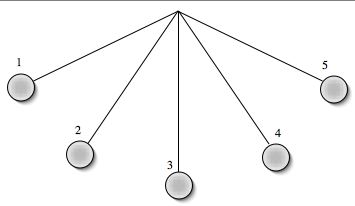
When a pendulum swings, at which point is kinetic energy greatest?
1
2
3
4
What are the two factors that affect kinetic energy?
time and energy
power and mass
mass and speed
time and work
Which statement is true?
Oranges contain Elastic Energy
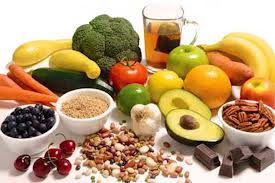
Food contains Chemical Energy
Phone on the table doesn't contain Gravitational Energy
Radiator contains Nuclear Energy
Heat Energy is called:
Radiant Energy
Chemical Energy
Thermal Energy
Mechanical Energy

Term: Energy caused by the motion of electrons.
mechanical energy
kinetic energy
potential energy
electrical energy
thermal energy
Term: Energy produced from vibrating waves through a medium.
mechanical energy
kinetic energy
sound energy
electrical energy
thermal energy
Term: Energy from the average kinetic motion of particles.
mechanical energy
kinetic energy
sound energy
electrical energy
thermal energy
Term: Energy that is both potential and kinetic energies; easily identified by moving parts.
mechanical energy
kinetic energy
sound energy
radiant energy
thermal energy
How many types of energy are we studying?
(a)
How many classes of energy are there?
(a)
What is the source of MOST of the energy found?
(a)

Boiling Water
Conduction
Convection
Radiation

Curling Iron
Conduction
Convection
Radiation

You feel the heat from a campfire
Convection
Conduction
Radiation
Are living things biotic or abiotic?
Biotic
Abiotic
Name the levels of an ecosystem in order from smallest to largest.
Ecosystem, population, organism, community
Community, organism, population, ecosystem
Organism, population, community, ecosystem
Ecosystem, community, population, organism

What does biodiversity mean?
Only one species in an area.
The different amount of species in an area
All abiotic life
Nitrogen fixation
What is an organism's niche?
an organisms role in an environment
where an organism lives
something that itches
a predator that is mean
Term: Energy of motion.
mechanical energy
kinetic energy
potential energy
electrical energy
thermal energy
Term: Stored energy.
mechanical energy
kinetic energy
potential energy
electrical energy
thermal energy
Term: The ability to do work or cause change.
(a)

What energy transformation occurs as bioluminescent algae glow in the ocean?
Radiant --> Chemical
Thermal --> Radiant
Chemical --> Radiant
Thermal --> Chemical

What energy transformation occurs in the chameleon as it quickly launches its tongue to catch an insect?
Radiant --> Chemical
Thermal --> Chemical
Chemical --> Mechanical
Mechanical --> Chemical
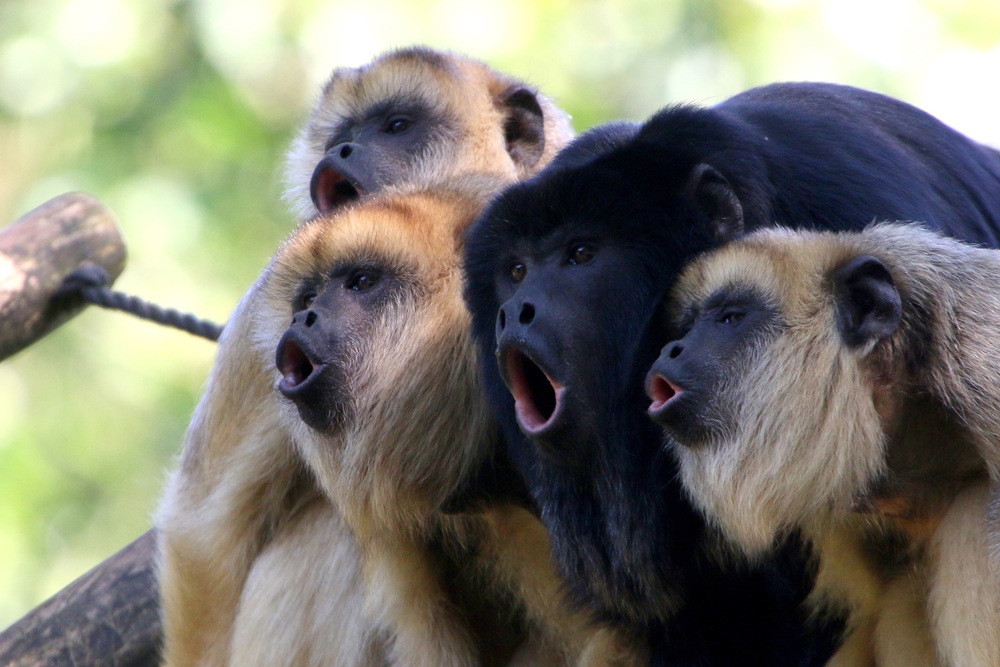
What energy transformation occurs as howler monkeys loudly call to each other in the forest?
Chemical --> Mechanical --> Sound
Chemical --> Sound --> Thermal
Sound --> Chemical --> Radiant
Mechanical --> Chemical --> Sound

What energy transformation occurs as as an elephant walks through the savanna?
Thermal --> Chemical + Mechanical
Mechanical --> Chemical + Thermal
Radiant --> Chemical + Mechanical
Chemical --> Mechanical + Thermal

What energy transformation occurs during photosynthesis?
Chemical --> Radiant
Thermal --> Chemical
Radiant --> Chemical
Mechanical --> Thermal

What energy transformation occurs as a mouse produces body heat?
Chemical --> Thermal
Thermal --> Chemical
Electrical --> Thermal
Thermal --> Mechanical

What energy transformation occurs as an electric eel shocks its prey?
Electrical --> Mechanical
Thermal --> Electrical
Chemical --> Electrical
Radiant --> Electrical

What energy transformation occurs as bacteria and fungi decompose dead plant material?
Thermal --> Chemical
Chemical --> Thermal
Radiant --> Thermal
Radiant --> Chemical

