
 Worksheets
Science
Total questions: 100
Worksheet time: 17mins
What part of the plant transports water and nutrients to the other parts of the plant?
Roots
Stem
Flower
Leaves
What part of the plant anchors the plant in place and soaks up water and nutrients from the soil?
Leaves
Sepals
Roots
Stem
The _______ are responsible for photosynthesis (making food).
Roots
Stems
Leaves
Flowers
What part of the plant is responsible for reproduction?
Flower
Leaves
Roots
Stem
The female part of the flower is called the _____.
Sepal
Filament
Stamen
Pistil
The male part of the flower is called the _____.
Sepal
Stigma
Stamen
Pistil
In order for a seed to be fertilized, pollen has to be transported from the stamen to the _____.
anther
filament
sepal
pistil
What are the 3 parts of the pistil?
anther, filament, and stigma
stigma, style and ovary
stigma, filament and anther
anther, style and ovary
What are the 2 main parts of the stamen?
anther and filament
stigma and ovary
anther and ovary
filament and style
What part of the stamen produces pollen?
anther
filament
ovary
stigma
What part of the pistil produces the egg cells?
Anther
Stigma
Style
Ovary
Which of the following can be a pollinator?
Birds
Bees
Wind
All of the above
What part of the flower protects the bud (before the flower blooms)?
Leaves
Petals
Sepals
Pistil
How does a plant know when to bloom?
senses the number of day and night hours in a season
when it rains
when it's parent reminds it to bloom
it doesn't know; it just happens randomly throughout the year
If the egg cell in a flower's ovary is pollinated, the result is a _____.
Baby yoda
Seed
Puppy
Sepal
What has to be transported from the male part of a flower to the female part of a flower for a seed to be formed?
Water
Glucose
Pollen
Fertilizer
The process of _____ occurs when a seed sprouts.
Photosynthesis
Respiration
Germination
Pollination
Ferns are seedless plants. They reproduce by spores.
True
False
All plants reproduce by flowers.
True
False
If a certain type of plant's main pollinator is eliminated from an ecosystem, what is the most likely result?
The plant will produce a higher number of flowers.
The plant will produce fewer seeds and the population will decrease.
The plant will produce a lot of seeds and the population will increase.
The current plants will start to die from lack of resources.

What stage of the plant life cycle is shown in the picture?
Germinating
seedling
mature plant
flowering plant

What stage of the plant life cycle is shown?
seedling
flowering plant
a seed
seedling
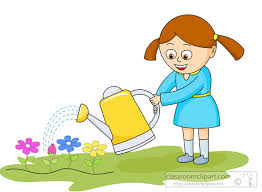
In order to grow plants need?
water,sunlight and air
water, ice cream, and a ball
sun, water, and book
air, sun, and pencil
In flowering plants, where are the seeds from ?
leaves
roots
fruits/ flower
stem
Which of the following shows a seed ?


Example of flowering plants is ….
Pine
Mosses
Hibiscus
Fern
Which of the following shows seedling ?

Example of Non-flowering plants is ….
Pine
rose
jasmine
manggo
Bright color of flowering plants comes from.....
seed
petal
root
shoot

Is an apple tree a flowering or non-flowering plant?
flowering
non-flowering
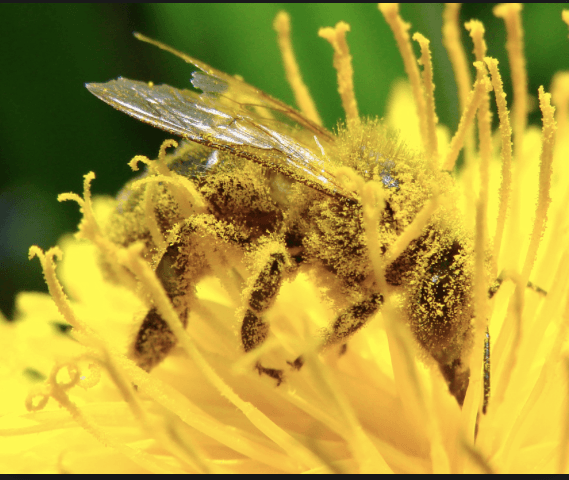
A bee buzzes inside a flower to drink some nectar. While there it touches the stamen. Later the bee goes to another flower and comes into contact with the flower's pistil. Which process of reproduction is this helping with?
pollination and fertilization
plant growth and fertilization
germination and pollination
seed dispersal and germination

The petals job is not only to protect the reproductive parts of the plant, but also to
keep wind away from the stamen
attract pollinators with their colors
absorb sunlight
fall off and become food for bugs
Seed structure that grows become roots
radicle
plumule
cotyledon
endosperm
Seed structure that protects seed
radicle
plumule
endosperm
seed coat(testa)

What cause air pollution ?
Factories produce too much waste water and oil.
Factories produce too much smoke.
What cause land pollution?
People throw too much rubbish in the sea.
People throw too much rubbish everywhere.
People reduce making rubbish.
People reuse things.
What cause noise pollution?
People take public transport.
People turn down TV.
The traffic makes too much noise.
The traffic makes too many fumes.
What cause water pollution?
People dump things in the countryside.
Factories produce too much waste water and oil.
Factories produce good products.
Factories produce too much smoke.
If we keep on causing noise pollution, what will happen?
Sea animals will die.
People won’t have a quiet place to live in
People may have hearing problems
We can’t see the sky.
If we keep on causing water pollution, what will happen?
We won’t have a quiet place to live in.
We won’t have clean water to drink.
We will have hearing problem.
Sea animals will die.
If we keep on causing light pollution, what will happen?
People may have hearing problems.
People may have health problems.
People can’t sleep well at night.
People won’t have a quiet place to live in.
If we keep on causing land pollution, what will happen?
Plants and animals will die.
Sea animals will die.
People may have health problems .
People won’t have clean water to drink.

Is this good for us?
yes
no

Is this good for us?
yes
no

Is this good for us?
yes
no

Is this good for us?
yes
no

Is this good for us?
yes
no

Is this good for us?
yes
no

Is this good for us?
yes
no

Is this good for us?
yes
no
_____________________ is the contamination of air, land, and water.
Conservation
Ecology
Pollution
Pollution occurs when people release, dump, leak, spill, or ______________ the environment around us.
litter
preserve
save
Most incidents of pollution are deliberately caused by______.
humans
machines
animals
The illegal dumping or littering of waste onto the land is called __________ pollution.
air
land
water
The release of smoke and harmful gases into the air is called _________ pollution.
air
water
land
The leaking or spilling of chemicals or raw sewage into a body of water is ________ pollution.
air
water
land
When light hits an area and bounces back it is called:
echo
refraction
reflection
absorbing
Light travels through air, water, glass and many other materials. What path does it travel to get from one place to another?
sideways
back and forth
straight
up and down
When light hits a barrier that is solid/opaque what is usually created?
a hot object
a shadow
nothing
Which color shirt would you rather wear outside on a sunny 90 degree day?
black
white
gray
navy blue

What is the best explanation for Mickey seeing himself in the mirror?
refraction
absorbed
reflection
flipped
What is the best explanation for Mickey seeing himself in the mirror?
refraction
absorbed
reflection
flipped

If you can see light through an object it is called...
opaque
plastic
transparent
which of the characteristics is not exhibited by the shadow of an object?
erect
can be formed on screen
same colour as the object
can be bigger than the object
A plane mirror form an image of an object because it ........ light from the object
absorbs
reflects
passes
emits
Rectilinear propagation of light means
light bends after striking a smooth surface
light travels in a straight line
light travels in a curvilinear line
both a and b
which of the following objects can cast a dark shadow?
a lighted bulb
a wooden door
a glass pane
both a and b
which of these are required to form the shadow of a ball
torch
ball
screen
all of these
which of the following the non-luminous obejct
sun
moon
stars
firefly
which of the following is an example of an opaque object
clean water
plastic wrap
cardboard sheet
spectacle glass
divergent ray is


none of these
divergent ray is
none of these
Image formed in a pinhole camera is
erect
inverted
parallel
none of these
Bending of light is called
reflection
refraction
dispersion
scattering
The dark patches are formed behind the objects are called
Clear images
Dark images
Dim images
Shadow
The principle behind the pin hole camera is
Curvilinear propagation of light
Rectilinear propagation of light
Image
shadow
The dark patches are formed behind the objects are called
Clear images
Dark images
Dim images
Shadow
Fire fly is a
Non-living luminous body
Plant body
Living luminous body
Heavenly body
Objects which allow light to pass through them are called
Opaque objects
Transparent objects
Translucent objects
Image
Which of the following is an example of a translucent object?
A thin sheet of paper
A thin glass slab
A thin iron sheet
All of these
When an opaque objects comes in the path of light it forms
An image with colors
Shadow
Black and white image
Depends on the color of light
Which letters of English alphabet will not show lateral inversion?
I,O,U
N,Z,X
I,X,E
A,E,I
Bouncing back of light from shining surfaces is called
Dispersion
Refraction
Reflection
Total internal reflection
Assertion(A): Moon is non - luminous object.
Reason(R): Moon does not emit light on their own.
A and R are true. R is not the correct explanation of A
A is true and R is false
A is false and R is true
A and R is true and R is the correct explanation of A
Assertion(A): The image formed in pinhole camera is laterally inverted.
Reason(R) : Image gives the shape, size and color of the object.
A and R are true and R is not the correct explanation of A
A and R are false
A is true and R is false
A and R are true and R is the correct explanation of A.
(a) is a source that enables to see the things around us.
Candles, oil lamps and earthen lamps are (a) sources of light.
Which of the following does not have light of its own?
a torch
a lamp
the moon
the sun

