
 Worksheets
Matter Unit Test
Total questions: 98
Worksheet time: 1hrs 28mins
- any of the four physical forms of matter
properties
matter
states of matter
specialization
studying or working in one area of a subject
properties
states of matter
matter
specialization
the study of matter and energy and how they interact
chemistry
physics
specialization
states of matter
the study of matter and how it is made up
physics
chemistry
specialization
properties
anything that has mass and takes up space
matter
mass
specialization
properties
characteristics used to describe an object
matter
mass
specilization
properties
state of matter with a definite shape and volume
solid
liquid
gas
plasma
state of matter with a definite volume but no definite shape
solid
liquid
gas
plasma
state of matter that has no definite shape or volume
solid
liquid
gas
plasma
state of matter made up of electrically charged particles
solid
liquid
gas
plasma
anything that falls from clouds
specialization
precipitation
condesation
sublimation
a change that does NOT produce a new substance
physical change
chemical change
property
oxidize
a change that produces a new substance
physical change
chemical change
property
oxidize
to combine chemically with oxygen
physical change
chemical change
property
oxidize
When a solid melts, its particles lose heat energy.
True
False
All matter takes up space and has mass.
True
False
Color, shape, and smell are all examples of
chemical properties
physical properties
chemical change
physical change
A change in state always involves a change in
color
mass
heat energy
Properties that can be observed without changing a substance are
physical
organic
nonorganic
chemical
Natural plasma is found in
the oceans
stars
Earth's atmosphere
streetlights

How do the atoms behave in a solid?
Atoms slide against each other to fill a bottle.
Atoms are far apart and fly around the room.
Atoms are close together and shake.


2. wet
3. evaporate
2. keep their shape
3. can be melted
2. atoms are very far apart
3. atoms move very fast

2. wet
3. evaporate
2. keep their shape
3. can be melted
2. atoms are very far apart
3. atoms move very fast

3 properties of gases are:
1. take the shape of their container
2. wet
3. evaporate
1. hard
2. keep their shape
3. can be melted
1. most can't be seen
2. atoms are very far apart
3. atoms move very fast

Going from a liquid to a solid when heat is taken away is called _____________.
Freezing
Melting
Condensation
Evaporation

Going from a solid to a liquid when heat is added is called _____________.
Condensation
Evaporation
Sublimation
Melting

Going from a liquid to a gas when heat is added is called ______________.
Evaporation
Sublimation
Condensation
Precipitation

Going from a gas to a liquid when heat is taken away is called ______________.
Melting
Precipitation
Condensation
Evaporation

When a substance goes from a solid to a gas WITHOUT changing into a liquid, this process is called ____________.
Evaporation
Sublimation
Magic

H2O
Water
Liquid
Elements


True or False: Matter can change states by adding heat or cooling.
True
False
When a substance is heated, particles will
Move further apart
Get larger
Move closer together
Be unaffected
True/False: Evaporation and condensation are opposite processes.
FALSE
TRUE
True/False: Melting and boiling are opposite processes.
FALSE
TRUE


What is an example of a solid turning into another state of matter?
breaking a chair into pieces
adding food coloring to water
tearing a piece of paper
chocolate melting
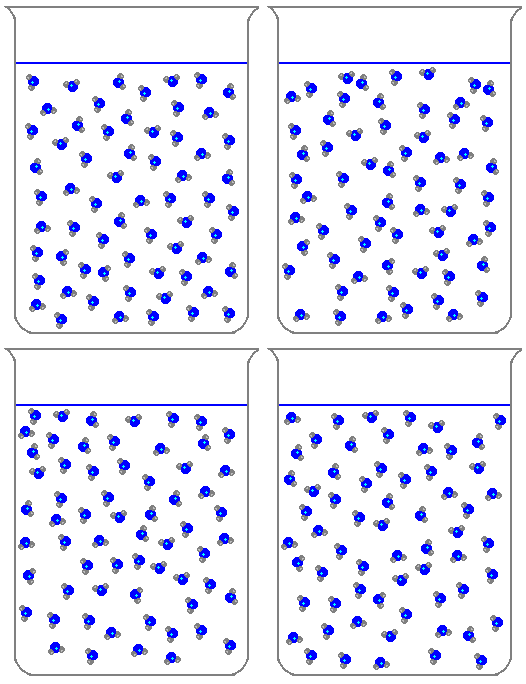
What state of matter does this picture show?
Gas
Solid
Matter
Liquid
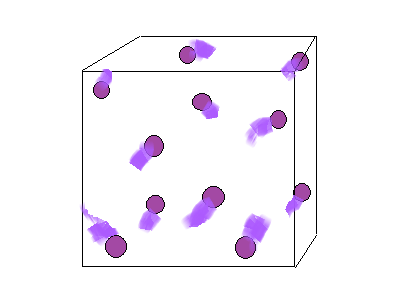


When a liquid loses enough energy it changes state to a _____.
solid
liquid
gas
Mr.C

Gasses do not have a shape or volume of their own.
True
False


Particles are closest together in a
Solid
Liquid
Gas
plasma


Which of the following statements describes a solid?
It has a fixed shape
It takes the shape of it's container

Christina wants to measure the mass of a rock. What should she use?
a ruler
a triple beam balance
a thermometer
a graduated cylinder
The particles slide past each other
solid
liquid
gas
plasma

Which state of matter is shown in this picture?
solid
liquid
electricity
plasma
This state of matter is not often found in its's natural form on Earth.
solid
liquid
gas
plasma

Northern Lights/Aurora Borealis
solid
liquid
gas
plasma
This state of matter spreads out and fills all parts of it's container.
solid
liquid
gas
plasma
The particles vibrate in a ____________.
solid
liquid
gas
plasma
The particles are electrically charged in a ________________.
solid
liquid
gas
plasma

What is the role of the sun in the water cycle?
provide heat energy for evaporation
provide heat energy for condensation
dry out the soil for runoff to occur
provide thermal energy for accumulation
What do we call water in its gas state?
rain
snow
ice
water vapor
Which of the following is an example of precipitation?
sleet
hail
snow
all of the above
Water falls to Earth as rain after water vapor ________ into clouds.
evaporates
accumulates
condenses
freezes
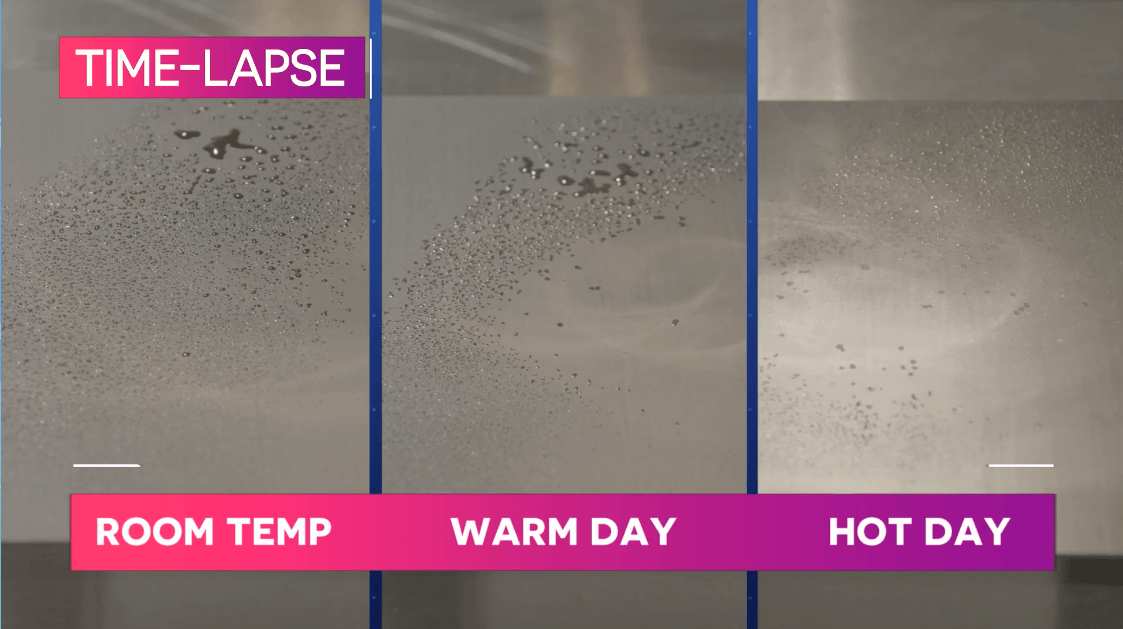

Where did the water droplets on this cold glass come from?
dishwasher
water inside mug
water vapor in the air
refrigerator
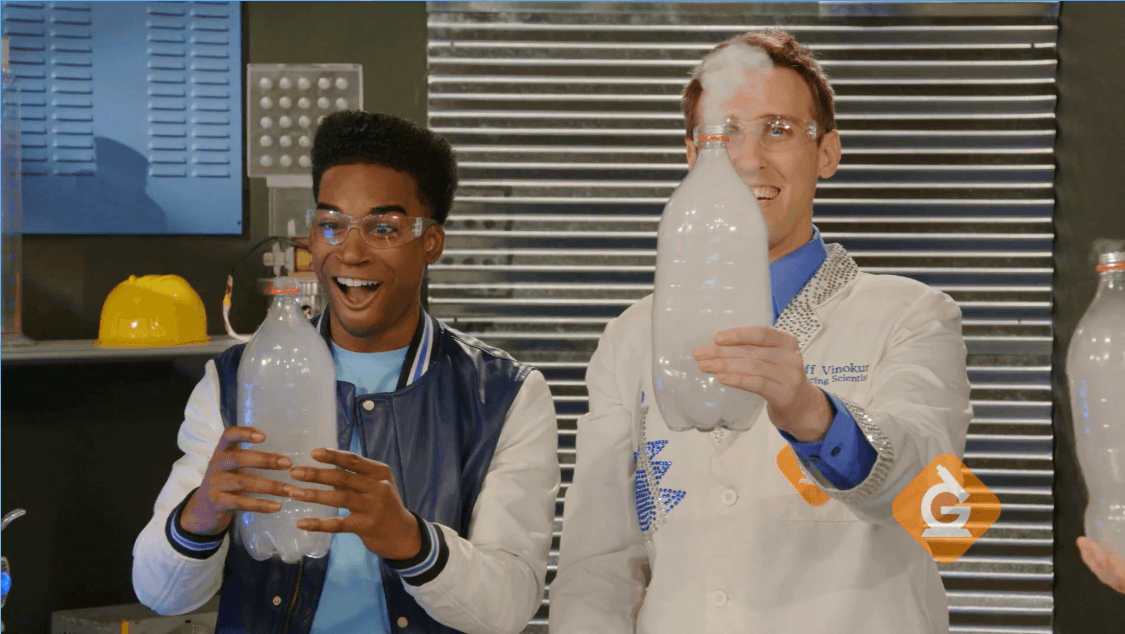
What are clouds made out of?
water vapor
tiny water droplets
steam
ice crystals
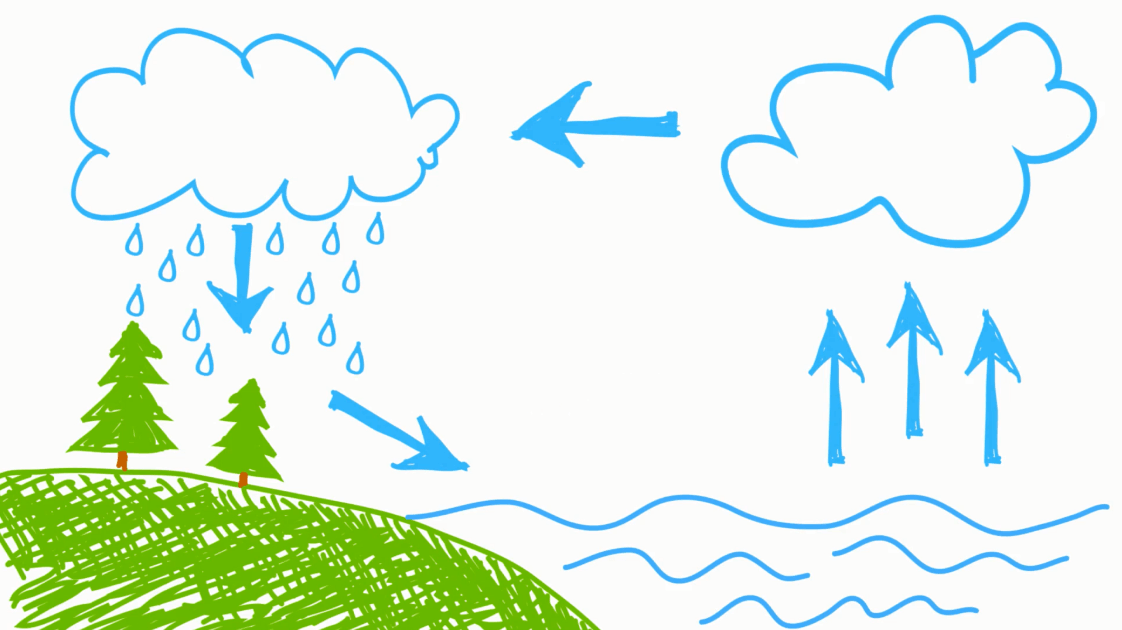

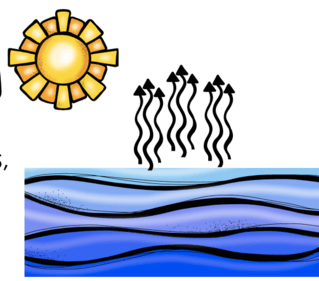
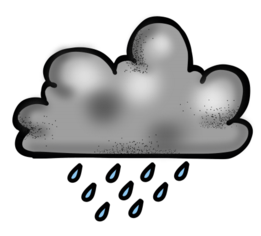


What process does letter A show?
condensation
evaporation
precipitation
collection
What process does letter B show?
condensation
evaporation
collection
precipitation
What process does letter C show?
condensation
evaporation
collection
precipitation
What process does letter D show?
condensation
evaporation
collection
precipitation

Is this an example of a physical or chemical change?
physical
chemical
Is this an example of a physical or chemical change?
physical
chemical

Is this an example of a physical or chemical change?
physical
chemical

Is this an example of a physical or chemical change?
physical
chemical

Is this an example of a physical or chemical change?
physical
chemical

Is this an example of a physical or chemical change?
(Think carefully. He is CHEWING, the food is still in his mouth.)
physical
chemical

Is this an example of a physical or chemical change?
physical
chemical

Is this an example of a physical or chemical change?
physical
chemical

Is this an example of a physical or chemical change?
physical
chemical

Is this an example of a physical or chemical change?
physical
chemical

Is this an example of a physical or chemical change?
physical
chemical

Is this an example of a physical or chemical change?
physical
chemical

Is this an example of a physical or chemical change?
physical
chemical
The particles of a liquid can only vibrate in place.
True
False

