
 Worksheets
Energy Resources
Total questions: 94
Worksheet time: 2hrs 19mins
What is an energy resource?
a natural product that can be changed into other energy forms to do work
something formed from buried plants and animals
force that opposes motion
resource that can never be replaced
What are nonrenewable resources?
energy sources that are replaced faster than they are used
energy sources that can never be replaced or are replaced more slowly than they are used
a natural product that can be changed into other forms of energy to do work
What are fossil fuels?
energy producers that comes from radioactive elements
a natural product that can be changed into other energy forms to do work
energy resources that formed from buried plants and animals that lived a very long time ago
resources that are replaced faster than they are used
All of the following are fossil fuels EXCEPT
oil
water
coal
natural gas
All of the following are uses of fossil fuels EXCEPT
to produce electrical energy
gasoline
to heat homes
windmills
What changes chemical energy from fossil fuels into electrical energy?
electric generators
nuclear fission
power plants
windmills
Where does nuclear energy come from?
Electric generators
radioactive elements
fossil fuels
geothermal energy
Nuclear fission is a process where the nucleus of an atom splits into two smaller nuclei.
True
False
Geothermal energy is made from water being pumped underground near hot rock, turning it to steam.
True
False
What is a device that changes solar energy into electrical energy?
wind turbine
perpetual motion machine
electric generator
solar cell
Biomass is nonorganic matter that gives off energy when burned.
True
False

One benefit of geothermal energy is that ________________________________.
a plant can be built ANYWHERE
it doesn't cost a lot of money to build
it can provide power 24 hours a day
it harms ecosystems where it's built
Why are coal, oil, and natural gas classified as nonrenewable resources?
They are limitless
They exist in many places on Earth.
They are originally from once-living things.
They take millions of years to form.
Which statement is true about coal and natural gas?
Both are renewable resources
Both require wind in order to work
Both lead to greenhouse gases and climate change
Neither one causes global warming

What is a disadvantage to Hydroelectricity?
lots and lots of pollution
Kills wild bird population
Radioactive waste
Increases potential for flooding
What are two advantages of geothermal energy?
cheap and a lot pollution
expensive and a lot of pollution
cheap and little pollution
expensive and little pollution
If a river is located in a deep canyon, and has changing amounts of water , how can this be developed as an energy source?
A dam could be built to store water
A well could be dug to hold the water
Wind turbines could be built on the banks.

Why is solar energy considered renewable energy?
It's cheaper than fossil fuels
The sun's energy would not run out for billions of years
Solar energy recharges batteries
All of them

Which renewable resource uses the natural resource in the picture below to produce energy?
wind
tidal
biomass
geothermal

Which of the following is an advantage of using coal as an energy resource?
There is not an abundant supply of coal.
Coal is less expensive than oil.
Burning coal contributes to global warming.
Coal can be used to produce electricity.

What are the advantages of Geothermal energy?
Is a nonrenewable resource
Can only be used in specific places in the world
It comes from the Earth
Takes months to build the machines to extract energy
Which of the following is a disadvantage of fossil fuels?
Not easily available
causes pollution when burned
only available at certain times
creates long lasting waste

Which of these is NOT a disadvantage of a nuclear power plant?
It's waste can destroy habitats and ecosystems.
It costs a lot of money to build.
It produces radioactive waste.
It produces large amounts of energy.
Another advantage of using hydropower is that
it's able to produce a steady flow of energy 24 hours a day
it's very cheap to build a dam
no ecosystems are destroyed by damming up a river
dams cause flooding
Why do most of the power plants in the US burn coal as an energy source?
They haven't developed the technology to use anything else.
Mining for coal does not harm any habitats or ecosystems.
Coal is a non-polluting source of energy.
Coal is a renewable energy source.
Which type of nuclear energy do we currently use?
Nuclear fission
Nuclear fusion
The releasing of stored chemical energy in fuels by burning; burning gas in car, burning wood is called ____________________________.
combustion
fossil fuels
resources
greenhouse gases
Select ALL the options that are fossil fuels.
coal
oil
nuclear energy
natural gas
Because fossil fuels take hundreds of millions of years to form, they are considered…
renewable
nonrenewable
energy
useful
What is the energy produced by moving water?
hydroelectric power
streams
hydrowater power
rivers
Coal is formed from .....
decaying plant remains
hydrogen atoms
nuclei
living plants and animals
What is a substance that provides energy as a result of a chemical change?
biomass
resources
the sun
fuel
Wood, leaves, food waste, and manure are examples of ...
fossil fuels
nonrenewable resources
biomass fuel
energy
Select all the renewable energy sources.
wind
nuclear
geothermal
moving water
If we had the technology, why could nuclear fusion be better than nuclear fission?
produces more energy
produces less energy
What is one advantage of using natural gas instead of the other fossil fuels?
takes less time
it's in the US
produces less air pollutants
it is cheaper
What do we call the reduction of energy use?
recycling
energy saving
reusing
energy conservation
Select the options that show a conservation of energy.
carpooling
using a heated blanket
public transportation
leaving the TV on when not in the room
___________________ stops the transfer of heat.
Insulation
Air conditioners
Heating systems
Windows
What is one form of energy we can use that will not run out for billions of years?
wind
solar
geothermal
nuclear
What is the most abundant fossil fuel in the United States?
oil
natural gas
coal
nuclear energy
What do we call liquid fossil fuel?
petroleum
coal
natural gas
nuclear energy
Why will fossil fuel reserves eventually be used up?
we have an infinite supply
they are a renewable resource
we are using fossil fuels faster than they are formed
most are imported from other countries
A liquid fossil fuel formed from the remains of animals, algae, and other organisms is ____________________.
petroleum
coal
natural gas
nuclear energy
The intense heat from Earth’s interior is called ____________________________________________ energy.
thermal
geothermal
solar
wind
Biomass is
Material derived from living things
A hard, black solid fuel formed from the remains of plants over millions of years and extracted from the ground; a nonrenewable fossil fuel
A natural, nonrenewable fuel such as coal, oil, or natural gas formed a very long time ago from the remains of living organisms
Heat transferred from beneath the surface of Earth and used to produce energy for human use
Geothermal Energy
A natural, nonrenewable fuel such as coal, oil, or natural gas formed a very long time ago from the remains of living organisms
A source or supply of energy that can be used to generate electric power to meet people’s needs
Heat transferred from beneath the surface of Earth and used to produce energy for human use
The ability of a system to do work; required for changes to happen within a system
Coal is...
The ability of a system to do work; required for changes to happen within a system
A source or supply of energy that can be used to generate electric power to meet people’s needs
A natural, nonrenewable fuel such as coal, oil, or natural gas formed a very long time ago from the remains of living organisms
A hard, black solid fuel formed from the remains of plants over millions of years and extracted from the ground; a nonrenewable fossil fuel
Fossil Fuels are...
A source or supply of energy that can be used to generate electric power to meet people’s needs
A natural, nonrenewable fuel such as coal, oil, or natural gas formed a very long time ago from the remains of living organisms
The ability of a system to do work; required for changes to happen within a system
Gases in the atmosphere that trap heat within the atmosphere
Greenhouse gasses are
A natural, nonrenewable fuel such as coal, oil, or natural gas formed a very long time ago from the remains of living organisms
A renewable source of energy based on the natural movement of water
Gases in the atmosphere that trap heat within the atmosphere
A disposal site for solid waste
Nuclear Power=
Energy harnessed from the decay of uranium atoms
A gas, usually found in the ground positioned above petroleum deposits, that is burned to obtain energy; a nonrenewable fossil fuel
A renewable source of energy based on the natural movement of water
A flammable, yellow-to-black liquid composed of hydrocarbons occurring naturally beneath Earth’s surface; a nonrenewable fossil fuel processed to make gasoline used in vehicles
Wind Energy=
The presence of harmful or unwanted levels of material in the environment
Energy collected from the Sun and converted into usable energy; a renewable resource
Energy harnessed from the decay of uranium
atoms
Energy from turbines that harness the movement of air and convert it to usable energy; a renewable resource
What is a renewable resource?
A resource you can reuse over and over
An object you cannot replace
Fossil fuels
A resource that has a nearly unlimited supply
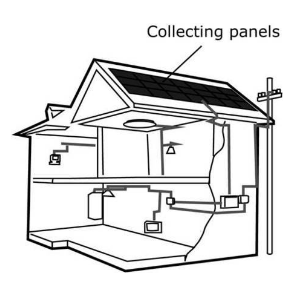
Which alternative energy source does this house use?
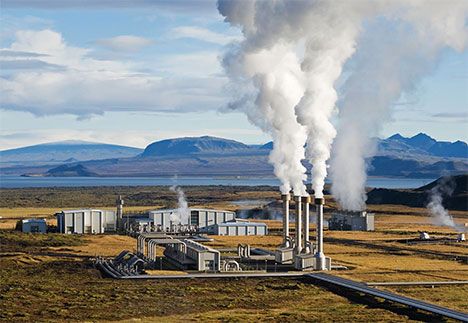

All of the following are considered renewable energy sources EXCEPT –
Wind
Coal
Biomass
Solar
Plant materials or animal waste used as fuel
Coal
Geothermal
Wind
Biomass

