
 Worksheets
Chemicals and chemical changes
Total questions: 41
Worksheet time: 31mins
Which type of change is most often easily reversed?
Chemical
Physical
Both a physical and chemical change.
Neither a physical or chemical change.

Identify what type of change happening in the picture below...
Chemical Change
Physical Change
Endothermic Reaction
Exothermic Reaction

Identify what type of change happening in the picture below...
Chemical Change
Physical Change
Endothermic Reaction
Exothermic Reaction
If the chemical properties of a substance remain unchanged & the appearance or shape of an substance changes it is a...
Chemical Change
Physical Change
Both a physical and chemical change.
Neither a physical or chemical change.
Which of the following is an example of a physical change?
A glass falling and shattering on the floor.
Baking a birthday cake.
Burning a piece of paper.
Baking soda and vinegar mixing together.
A green powder is heated & a gas is given off while it turns to a black solid. This describes
Physical Change
Chemical Change
Change in State
Change in Temperature
During Chemical Reactions, the new substances created are called?
Precipitate
Corrosion
Reactants
Products
A cup of water is left outside for two days. When it was checked there was only half a cup left. What happened?
evaporation; chemical change
condensation; physical change
evaporation; physical change
condensation; chemical change
Identify the following chemical reaction.
Pb + FeSO4 ----> PbSO4 + Fe
Synthesis (or combination)
Decomposition
Single displacement
Double displacement
What reaction has the following general formula:
AB --> A + B
Combination
Decomposition
Single Replacement
Double Replacement
Combustion
What reaction has the following general formula:
A + CD --> C + AD
Combination
Decomposition
Single Replacement
Double Replacement
Combustion
What reaction has the following general formula:
AB + CD --> CB + AD
Combination
Decomposition
Single Replacement
Double Replacement
Combustion
What reaction has the following general formula:
A + B --> AB
Combination
Decomposition
Single Replacement
Double Replacement
Combustion
Which of the following is a compound?
zinc (Zn)
magnesium (Mg)
sodium chloride (NaCl)
potassium (K)
Which of the following is an element?
potassium chloride (KCl)
water (H2O)
carbon (C)
calcium carbonate (CaCO3)
In this equation, CH4 is a
Which are the reactants in the following reaction?
2Mg + O2 ---> 2MgO
2MgO
2Mg +O
2Mg + O2


How many atoms are there TOTAL in H2SO4 ?
6
5
7
3
A subscript is the small number below the element symbol that tells the number of _______ of that element.
atoms
valence electrons
protons
elements
How many Nitrogen atoms are in the in H2C3O4N5?
2
3
4
5
How many atoms are present if there is no subscript following the element symbol?
0
2
only 1
1 million

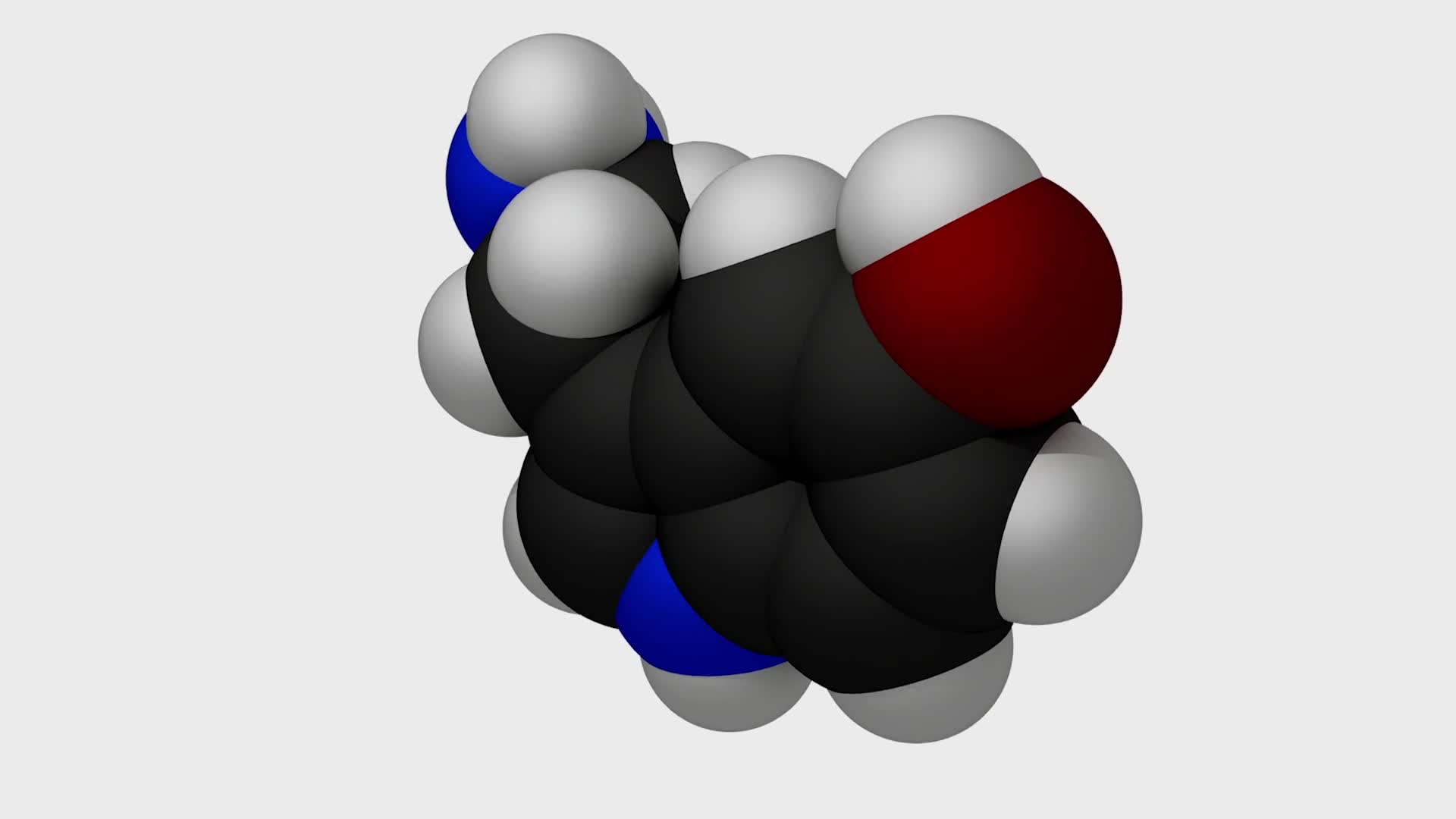
What is the picture displayed?
(tick all appropriate answers)
atom
element
molecule
compound
How many ELEMENTS are in AgNO3?
1
12
3
6

Describe this
one compound
two compounds
pure elements
mixture of pure elements
Which of these is NOT a sign of a chemical change?


Name the insoluble product formed when two compounds react in their aqueous solution state.
A) Reactant
B) Precipitate
C) Catalyst
D) Water

