
 Worksheets
Cells Review #2
Total questions: 97
Worksheet time: 2hrs 32mins

Name of structure #3
Esophagus
Salivary Glands
Stomach
large intestine
Name of structure #5
Stomach
Small Intestine
Large intestine
esophagus
Absorbs nutrients from food into the bloodstream.
What does enzymes and stomach acid do?
Mechanical digests
Chemically digests
Absorbs nutrients
Esophagus and Small Intestine
Mouth and Stomach
saliva and stomach acid
small and large intestine
finished digestion and starts absorption of nutrients
small intestine
Peristalsis
Stomach
Esophagus
The tube after the small intestine where the water is absorbed into the blood stream
large intestine
small intestine
esophagus
stomach
What is the digestive system?
group of organs that work together to exchange gases with the environment
group of organs that work together to convert food into nutrients
organs in the body that transport nutrients and oxygen throughout the body
organs in the stomach that make food for the body to digest.

Which is the esophagus?
A
B
C
D
E


What are these structures called that are found on the lining of the small intestine?
large intestine
Villi
alveoli
peristalsis
mouth
esophagus
stomach
small intestine
large intestine
contraction of the muscles (called _________) moves the food from the esophagus towards the stomach
Salivary Glands
Teeth
Peristalsis
Esophagus

capillaries
villi
veins
peristalsis

What process occurs between the alveoli in the lungs and the blood in the capillaries?
diffusion
digestion
peristalsis
filtration
Put the following in the correct order that air would flow during inhalation.
nasal cavity
trachea
bronchi
alveoli

Name of structure #3
Pharynx
Trachea
Bronchi
Alveoli

The walls of the alveoli and capillaries are permeable. What does this mean?
Substances can pass through them.
They are made of muscle.
They are located throughout the body.
They are made of bone.
Which is responsible for transporting nutrients and oxygen to cells?
respiratory system
circulatory system
digestive system
nervous system
Deoxygenated blood means that the blood is low in...
Oxygen
Carbon Dioxide

The blood obtains the oxygen from which organ?
Brain
Lungs
Heart
Stomach
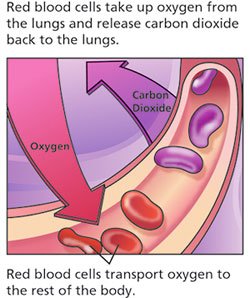
These cells, in the blood, carry oxygen and give the blood its color.
white blood cells
plasma
platelets
red blood cells
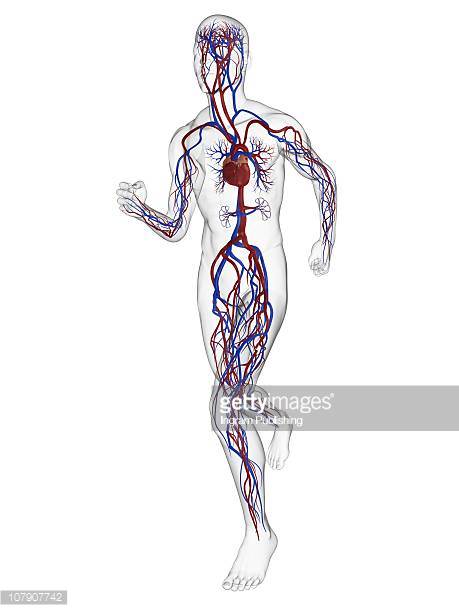
What is the main organ of the circulatory system?
small intestine
bone
lungs
heart
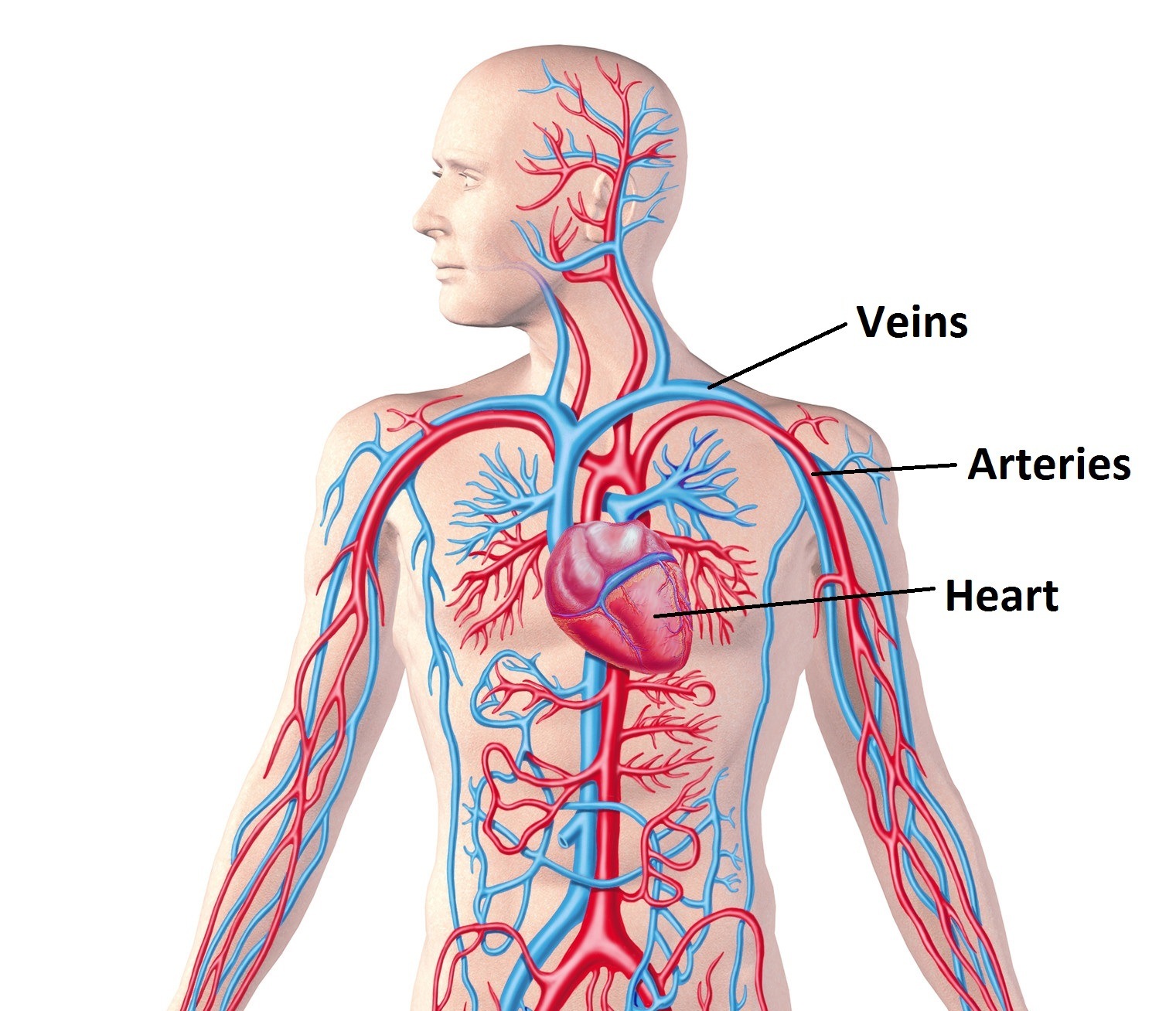
The circulatory system works with the ___________ system to provide our body with oxygen.
respiratory
digestive
muscular
What is the circulatory system made up of?
Lungs, diaphragm, alveoli
Intestines, esophagus and stomach
Heart, Blood Vessels, and Blood
brain, spinal cord, neurons
pumps blood through the arteries and veins
heart valves
blood vessels
cells
enzymes
In humans, carbon dioxide is considered _________________
food
waste
energy

This type of vessel returns blood TO the heart:
capillary
Capillaries connect
veins and arteries
veins and the heart
arteries and the heart
heart and valves
The FREQUENCY of heart contractions is...
heart rate
blood pressure
respiratory rate
voluntary muscle contraction

Which structures are arteries?
10, 11, 12
5, 11
10, 12, 6
1, 2, 3, 4
Why does blood go to the lungs?
to get food nutrients
to pick oxygen and drop carbon dioxide
to get energy
to drop oxygen and pick carbon dioxide
Give a reason why blood comes back to the heart from the lungs?
to carry food nutrients
for blood to be pumped to all body parts
to transport energy
to transport heat

The diagram shows a section through an alveolus and a capillary. Why does carbon dioxide move from X (capillary) to Y (alveolus)?
Air has a lower concentration of carbon dioxide than blood.
Carbon dioxide moves more freely in air than in blood.
Carbon dioxide must replace oxygen.
Diffusion of carbon dioxide can only be out of the blood.

How do the heart and the lungs work together? Arrange the following statements in correct order of how the human breathing system works.
1 – 4 – 3 – 6 – 2 – 5
5 – 2 – 3 – 1 – 4 – 6
6 – 2 – 1 – 3 – 4 – 5
6 – 4 – 1 – 3 – 2 – 5
Blood pressure measures
The contraction and relaxation of the heart
The number of times the heart beats per minute
The force exerted on the walls of the arteries by the blood
The expansion and recoiling of the aorta

What is heart rate?
Oxygen going to the heart
The number of times your heart beats in a minute
Blood pumping though the body
Carbon dioxide leaving the body
Which blood vessels contain oxygenated blood?
6, 11, 12
5, 10
10, 12, 6
5, 11
What is the main function of the nervous system?
to inhale oxygen and exhale carbon dioxide
to break down food consumed by a person for nutrients
to control the body's activities by relaying messages
to move the body's muscles and bones
A nerve cell is called a:
neutron
nerve
neuron
synapse
Senses recognize ____________ which are recognized by the brain and results in a response.
Synapses
Brain messages
Stimuli (plural of stimulus)
Cerebrums
When the spinal cord responds in an emergency to a stimulus before the brain, this is called a...
response
synapse
cerebral response
reflex


Your brain and spinal cord are made mostly of this kind of tissue
nerve
epithelial
muscle
bone

When you react to catch a dropped ruler your body reacts in this order:
eyes sense ruler move
message sent to brain
brain interprets signal
message is sent to muscles
muscles contract
Type of neuron that carries messages from the brain/spinal cord to the body
Sensory
Motor
Type of neuron that perceive information about your environment.
Motor Neuron
Interneuron
Sensory Neuron
Type of neuron located only in the brain and spinal cord that pass impulses from one neuron to another.
Motor Neuron
Interneuron
Sensory Neuron

Where would the nerve impulse start in this reflex arc?
A
C
D
E
If you picked up a hot coal, the signal from the sensory neurons in your fingertips would travel to ________ in your spinal cord
Sensory Neurons
Motor Neurons
Interneurons

Something you detect using your sensory receptors is called a...
stimulus
reflex
sense
touch

Label 2
motor neuron
sensory neuron
interneuron

How is a reflex arc different than other voluntary movements?
A reflex arc takes the same path as a voluntary action
A reflex arc takes longer than a voluntary action
A reflex a travels from a sensory neuron to the spinal cord then to a motor neuron, skipping the brain
There is no difference between a reflex arc and a voluntary action
A reflex arc involves what kind of neurons?
sensory neurons only
motor neurons only
sensory and motor neurons
sensory, motor, and interneurons


Which of the following is NOT represented in the Medicine Wheel?
Four cycles of life
Four seasons
Four directions
Four sacred books
A ceremony traditionally used to purify and cleanse negativity from a person or place.
Smudging
medicine wheel
Powwow
Ceremonial plants
Water, Mother Earth, fire and air and known as
The four sacred elements
Ceremonial plants
Smudging
Life stages
A toothache causes pain because:
you have a hole in your tooth
tiny bits of food are stuck in between your teeth
the tooth has nerves, which send a pain message to the brain
bacteria produce an acid which causes the pain
Eating a well balanced diet is an example of this factor affecting health
environment
infection
lifestyle
heredity
Kevin has a lot of family members who have high blood pressure. He is at risk for high blood pressure because of his
lifestyle
genetics
environment
infection
Karen's parents smoke in her house. She is at risk for lung disease because of
lifestyle
genetics
environment
infection
The student who sits next to you in health class has a cold. Your health is at risk from _____
lifestyle
environment
genetics
infection
Carson Wentz has been performing physical therapy for 9 months. Working out is an example of...
lifestyle
genetics
your environment
infection
diagnose injuries and illnesses
prevent disease
cure cancers
treat infections

How much money is saved by the use of vaccines?
Theory that states that microscopic organisms named germs can cause disease in the human body.
The big bang Theory
Spontaneous Generation Theory
Germ theory of disease
The Pasteur Theory
What tool provided the evidence to be able to formulate the germ theory?
Telescope
Microscope
Drill
Hammer

What is the responding variable in this experiment?
time
amount of exercise
heart rate
how exercise affects heart rate
Which conclusion(s) is/are supported by the data in the graph?
fit individuals have a lower resting heart rate
exercise increases heart rate
the heart rates of fit individuals recover more quickly to resting levels after exercise
fit individuals benefit more from exercise than unit individuals
How has the practice of dissection improved human health?
Medical training
better hygiene to prevent infections
medication that prevents infections from spreading
Better able to visualize broken bones

How did X-rays improve human health?
used to diagnose broken bones and internal injuries
medicine that regulates sugar levels
preventing infectious from causing disease
led to imrpovement in hygiene practices
What is neuroplasticity?
The brain's fixed nature after childhood
The brain's inability to form new connections
The brain's inability to weaken old pathways
The brain's ability to change throughout our lives
How do habits affect the brain?
They have no impact on the brain
They weaken certain pathways
They create new pathways
They strengthen certain pathways
What happens when we think about something differently?
We create a new pathway
We strengthen the old pathway
We have no impact on the brain
We weaken the old pathway

What is the brain's ability to reorganize and create new connections between neurons called?
Neuroplasticity
Rehabilitation
Hobbies
Synaptic pruning
Which of the following is a way we can strengthen our neural connections?
learning a new language
practicing a sport
studying for a science test
All of the above
Which type of student would most likely say that intelligence is like a muscle; you have to put effort in and challenge yourself in order to help it grow?
A student with a growth mindset
A student with a fixed mindset
Who would most likely AGREE with this statement: "You can learn new things, but you can't really change your basic intelligence?"
A student with a growth mindset
A student with a fixed mindset

How do you maintain working memory?
Rehearsal (repitition)
encoding (make meaning)
retrieval
attention
How do you move information from working memory into long term memory?
Rehearsal (repeating over and over again)
encoding (make meaning)
retrieval
attention


