
 Worksheets
Terminology Unit Review
Total questions: 55
Worksheet time: 19mins

What joint is displayed in picture
Hinge Joint
Saddle joint
Ball and socket joint

What type of joint is displayed in the picture?
Saddle joint
Ellipsoid joint
Pivot joint

What type of joint is displayed in the picture?
Pivot joint
Ellipsoid joint
Hinge joint

What type of joint is displayed in the picture?
Ellipsoid joint
Pivot joint
Ball and socket joint

What joint is displayed in the picture?
Ball and socket Joint
Pivot joint
Gliding joint

Where is the hinge joint located?
neck
elbow
wrist


The bodies starting position is called what?
Sagittal
Coronal
Anatomical
Biological

What action is being performed here?
Adduction
Abduction
Flexion
Extension
If I were to push my toes and ball of my foot down, it would be called what?
Inversion
Plantar flexion
Dorsi flexion
Flexion
What is anatomical position?
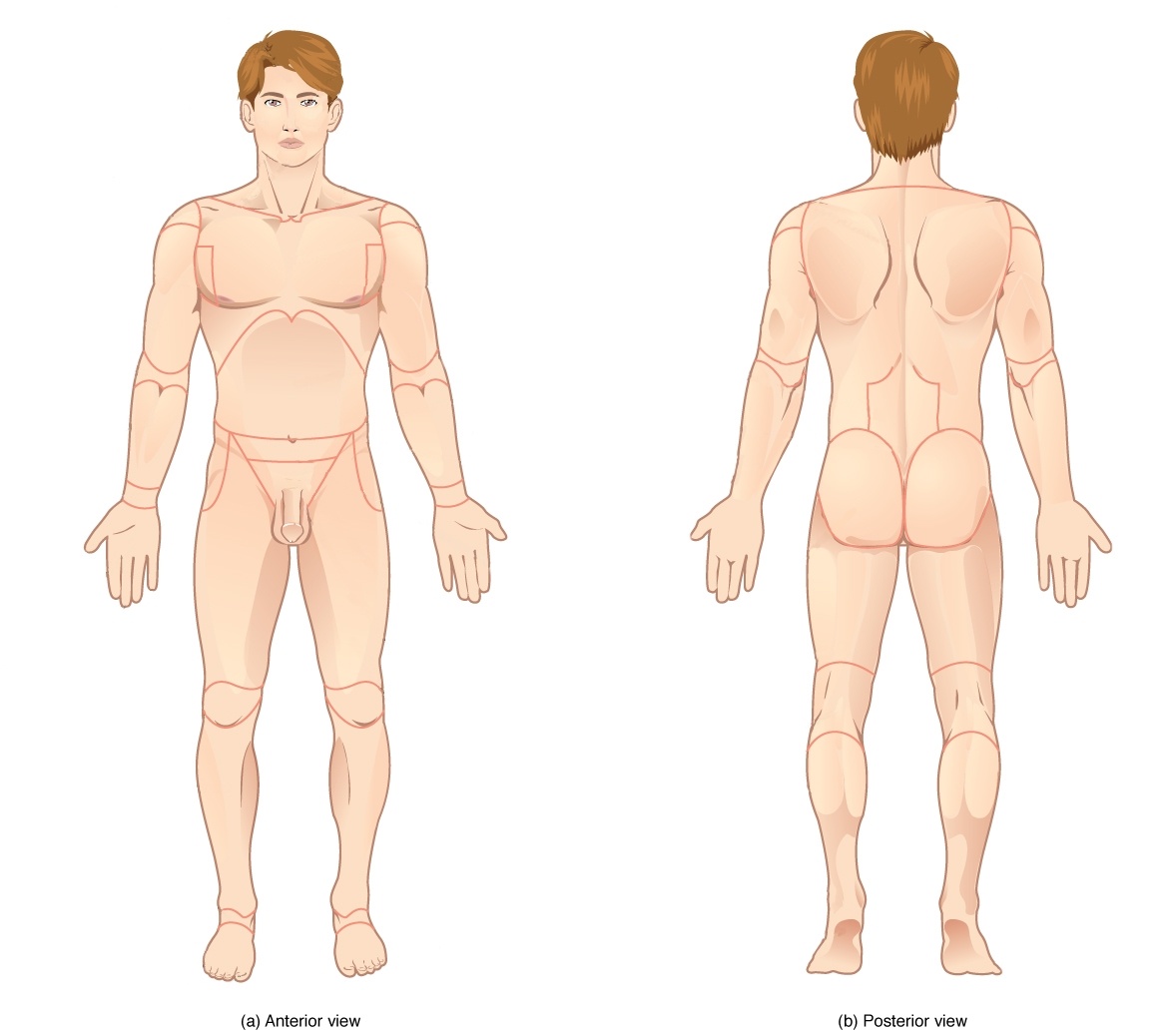
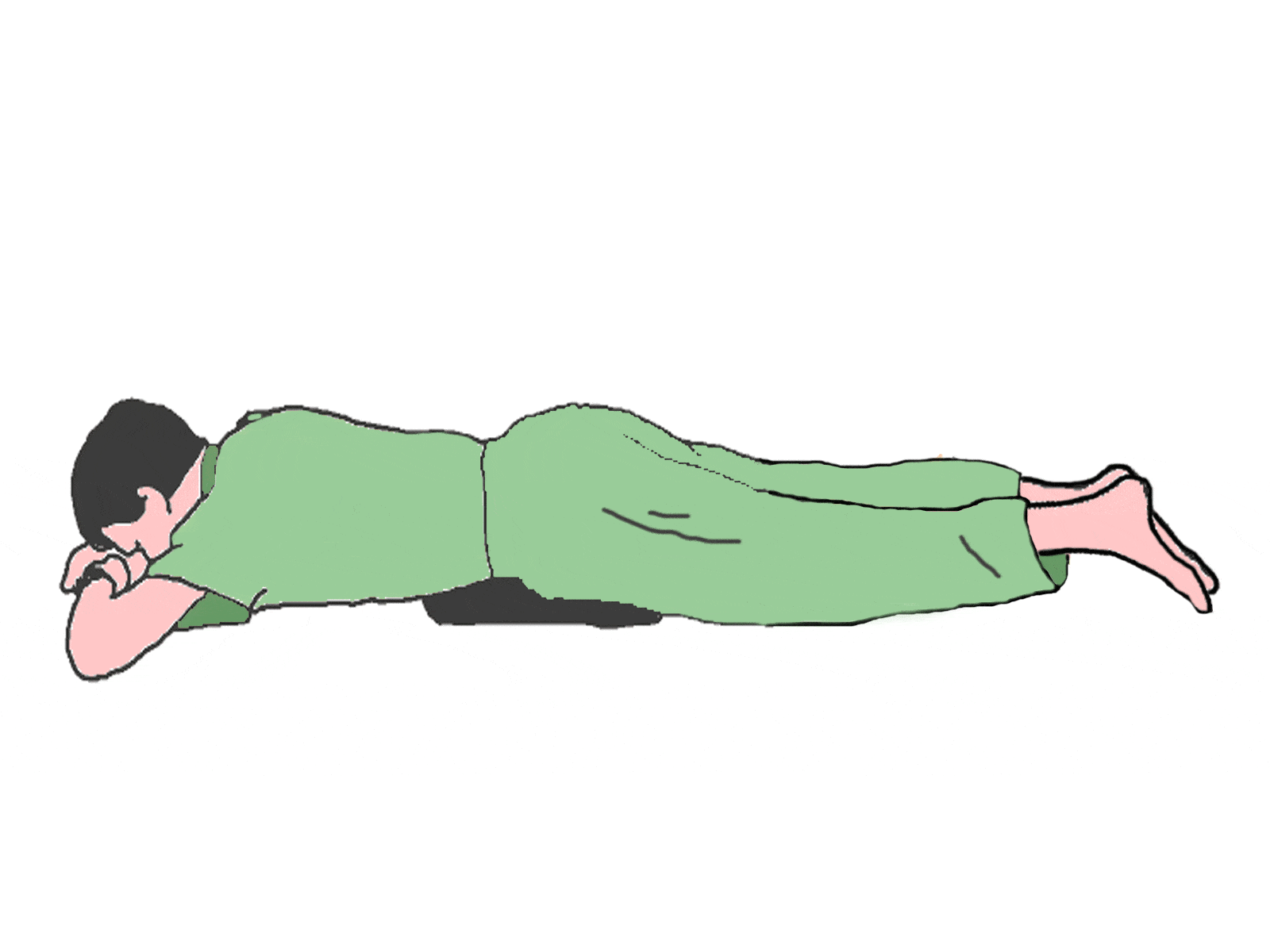
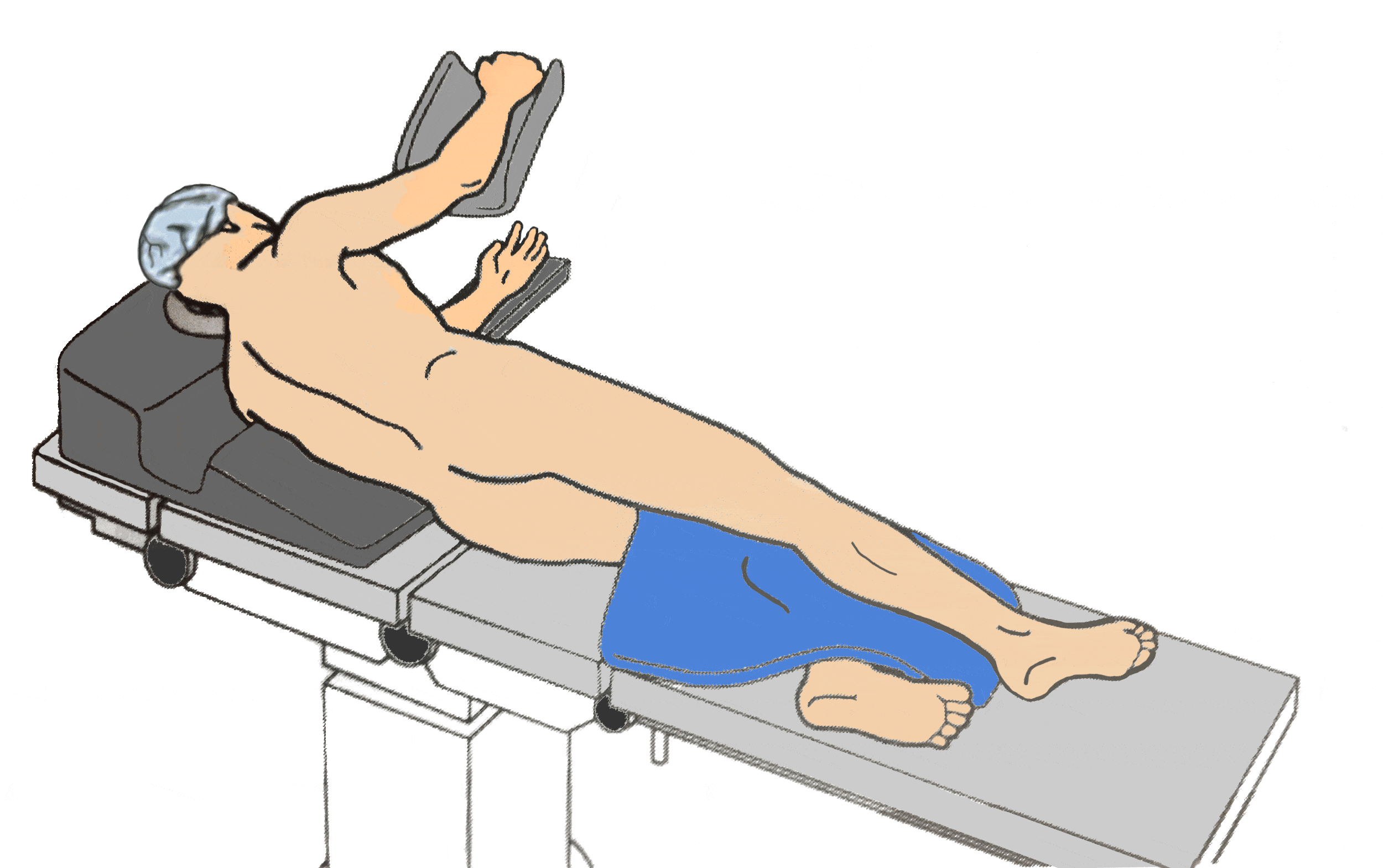
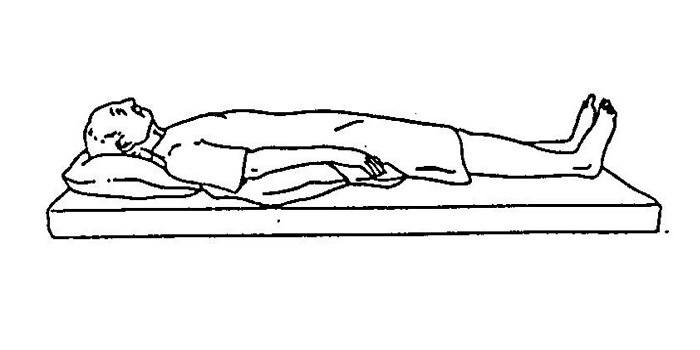
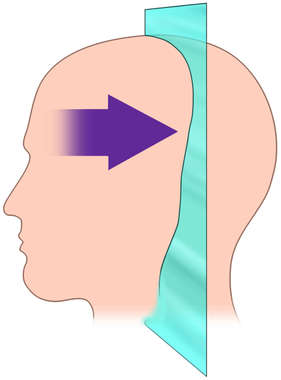
Identify the section or cut.
cross section
plane
midsagittal section
coronal section
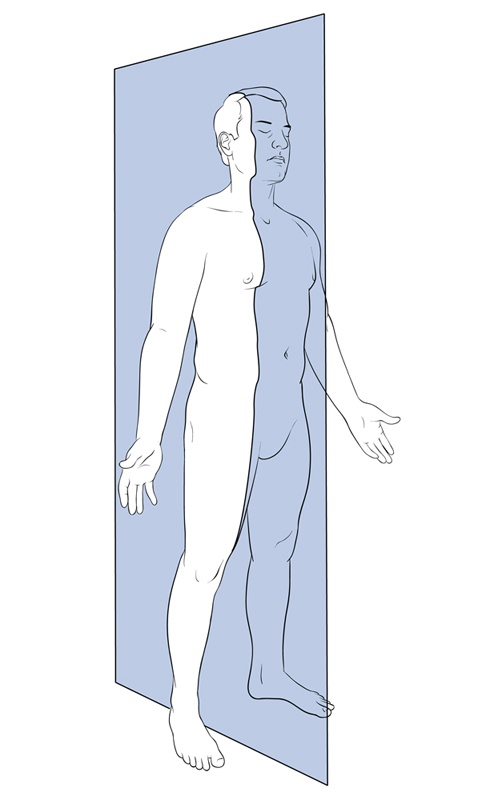
Identify the section or cut.
frontal section
cross section
transverse section
sagittal section
The shoulder is most _____ to the elbow than the wrist.
proximal
dorsal
distal
ventral
You find a patient lying face down, which position is this?
Supine
Anterior
Prone
Superior
A 47-year-old woman has fallen and is lying on her back, what position is this?
Lateral
Prone
Superior
Supine
You find a 16-year-old female on her right side, this is known as which position?
Lateral
Supine
Prone
Inferior
The head is _____ to the chest.
inferior
anterior
peripheral
superior
The heart is ______ to the skin.
superficial
deep
inferior
superior
The pinky finger is ______ to the thumb in anatomical position.
posterior
superior
lateral
medial
Your feet are ________ to your knees.
caudal
cephalic
inferior
superior
Which structure is most medial?
nose
ears
heart
femur
Which one is more DISTAL?
Elbow
Wrist
Towards or on the surface of the body
Deep
Caudal
Superficial
Eversion
Rotation of hands so that palms are up
Flexion
Eversion
Supination
Pronation
Movement of ankle medially
Inversion
Eversion
Which set of directional terms are opposites?
distal and proximal
medial and inferior
superior and ventral
anterior and deep

This movement is....
Circumduction
Ratation
Flextion
Extention

Both movements are called
flexion
extension
hyperextension
abduction

Both movements are called
flexion
extension
hyperextension
adduction

This movement is called
extension
circumduction
lateral flexion
hyperextension

The movement is called
palmar flexion
extension
dorsiflexion
plantar flexion

What is this motion?
Eversion
Supination
Pronation
_______ means toward the side of the body.
distal
proximal
medial
lateral


Identify the joint action being performed.
Circumduction
External Rotation
Internal Rotation
Eversion


Identify the joint action being performed.
Circumduction
Internal Rotation
External Rotation
Eversion

Process of sending a nerve impulse from the central nervous system to the periphery to induce muscle contraction
Innervation
Intervention
Articulation
Muscle memory
Overstretching (1st degree), partial tearing (2nd degree), complete rupture (3rd degree) of a MUSCLE/TENDON
Sprain
Strain
Overstretching (1st degree), partial tearing (2nd degree), complete rupture (3rd degree) of a LIGAMENT
Sprain
Strain
Overstretching of a ligament
1st degree strain
1st degree sprain
2nd degree sprain
2nd degree strain
Complete rupture of a muscle
1st degree sprain
3rd degree strain
3rd degree sprain
2nd degree strain
This member of the sports med team is responsible for safe equipment and injury prevention programs for their sport.
Strength and conditioning coach
Athletic trainer
Coach
Athletic Administrator
Who is the final authority in determining when an athlete may return to play after an injury?
Coach
Athletic Trainer
Team Physician
Personal Trainer
What profession treats athletes from the time they are injured to their return to play?
Physical Therapist
Athletic Trainer
Chirpractor
Physician
The athletic trainer is most directly responsible for all phases of health care in an athletic environment, EXCEPT:
Prevention of athletic injuries
First aid and injury management
Implementation of prescribed rehabilitation
Diagnosis of athletic injuries
The primary purpose of the pre-season health exam is:
Identify whether an athlete is at risk before he/she participates
Reveal conditions that would qualify an athlete to play
Satisfy insurance and liability issues
Determine body fat percentages for coaches

