
 Worksheets
Unit 7: Evolutionary History and Evidence
Total questions: 45
Worksheet time: 1hrs 16mins
What did Charles Darwin learn from the fossils of a giant armadillo that he found in Argentina?
Fossils do not resemble modern animals.
Modern animals may be related to fossilized organisms.
An earthquake led to the armadillo’s extinction.
Armadillos used to be marine organisms.

A change in a species over time is
Adaptation
Evolution
Diversity
Morphology

This living sea star and fossil sea urchin both have body structures that are formed along five lines. What best explains why both species have this five-lined body structure?
The sea star and sea urchin are different species, so they must not share an ancestor population. They must have inherited this five-lined body structure from separate ancestor populations.
The sea star and sea urchin both share the same ancestor population that had a five-lined body structure. They inherited this structure from the ancestor population.
It is impossible to say. Fossils are very old; therefore, we cannot make observations of the sea urchins’ families, and we cannot explain their body structures.
All species have their own specific body structures, so it is a coincidence that this sea star and sea urchin each have this specific type of five-lined body structure.

What does this diagram show?
All three species share a common ancestor, but the African elephant and Sumatran tiger are more closely related to each other than they are to the rat.
All three species share a common ancestor, but the Sumatran tiger and rat are more closely related to each other than they are to the African elephant.
The Sumatran tiger, African elephant, and rat are not related and come from separate lines of evolutionary history.
All three species share a common ancestor and are equally related to each other.
Whales, which live in the water, have hips. These structures are important for carrying the weight of animals that walk on land. Finding this body part in animals that don’t walk on land is best explained how?
Whales have evolved this structure because it might be useful in the future.
Whales are able to interbreed with other animals that have hips.
Whales have a diet that includes other animals that have this structure.
Whales share a common ancestor with animals that walk on land.

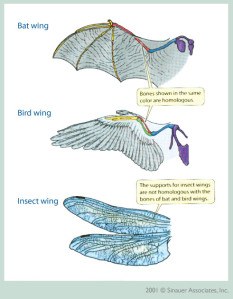
This human and this bat both have hand bones in their front limbs. However, their f bones are very different. The red bathas long finger bones that help it to fly. The human has short fingerr bones that help grab things. What most likely explains why both have front limbs with a hand bones and why the bones are different?
different species, so they do not share an ancestor population. These species had separate ancestor populations, and each evolved hand bones that help it survive in its environment.
It is impossible to explain the structures of different species. The way that structures change over time is very complex, and no one has ever observed these changes occurring.
both inherited the bones from a shared ancestor population, but this population separated into different environments. In each environment, different types of handr bone evolved, which helped the populations survive.
What is suggested by the similarity of early embryos of different species of vertebrates?
recent common ancestry
no evolutionary relationship between the groups
evolution from a distant common ancestor
similar environments in the past
If an organism has a vestigial structure, that structure likely once had a function in a(n) __________.
early ancestor
embryological stage
unrelated organism
close relative
Evolved from the same ancestor, but have different functions
Homologous structures
Analogous structures
Vestigial structures
All of the above
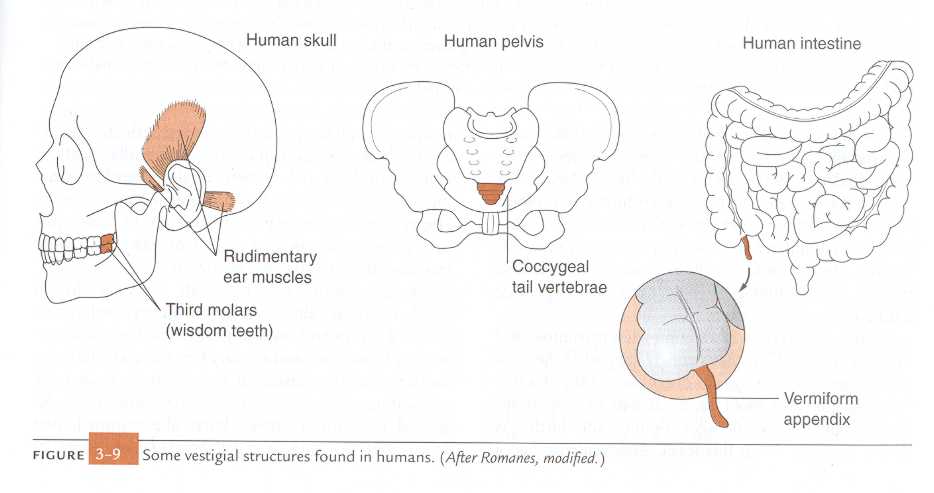
An anatomical feature that no longer seams to have a purpose in the current form of an organism
Homologous structure
Analogous structure
Vestigial structure
None of the above

Whales have pelvic bones. What type of structure does this best represent?
Homologous structure
Analogous structure
Vestigial structure
None of the above
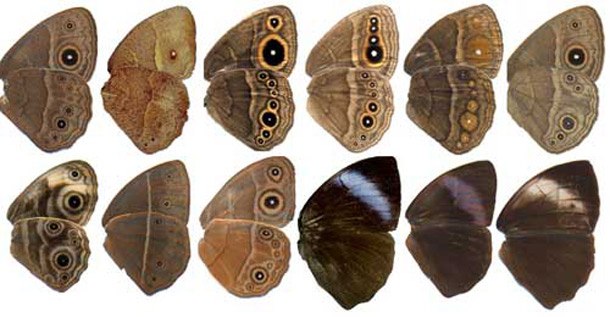
What is natural selection?
When reproduction occurs and mutations happen.
When a offspring has the traits from its parents.
When an organism is able to camoflauge in its environment.
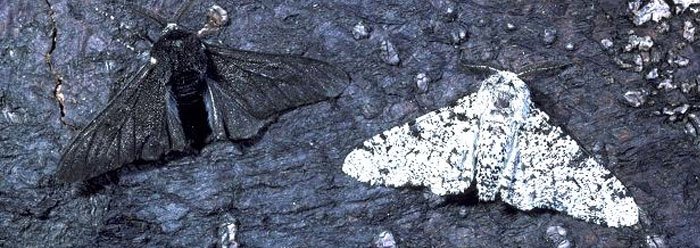
the process whereby organisms that are better adapted to their environment tend to survive and reproduce more offspring.
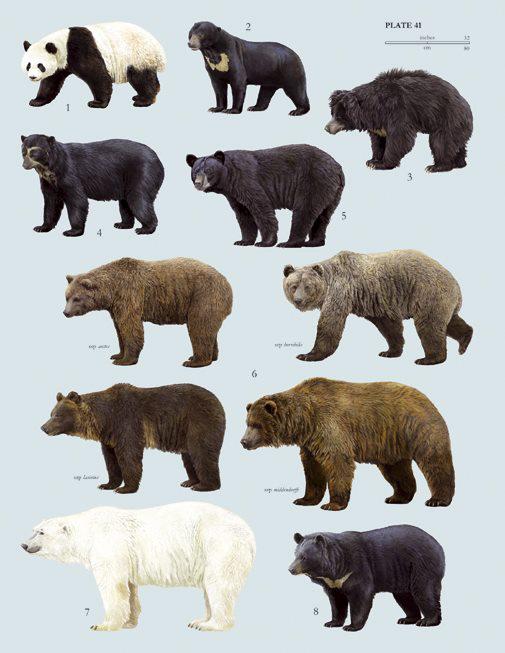
Which 'famous' islands did Charles Darwin travel to?
Hawaiian Islands
Barbados
Galapagos
Trinidad

Which of the following explains what environmental and physical characteristics of the finch s
led Darwin to develop his theory?
Darwin concluded that the beaks were different because the finches were not related species
on the different islands.
Darwin concluded that the beaks were different because they are attracting various predators
that will eat them for energy.
Darwin concluded that the beaks were different because they are acquired traits that developed based on the food source.
Darwin concluded that the beaks were different because the food source allowed for
survival of the trait that was best and passed on.
Which of the following statements best represents Lamarck's ideas on the evolutionary process?
Survival of the Fittest
Punctuated Equilibrium
Assortative Mating
Inheritance of Acquired Traits
The evolutionary theory proposed by Charles Darwin stated that:
Change in populations through time is a result of mutations.
Organisms develop new characteristics in response to need.
Populations change through time as a response to environmental change.
Genes pass from one generation to the next.
New species come about by spontaneous generation.
Natural selection is BEST described as:
able to generate new traits that better suit the species. increasing the perfection of a species.
driving the species toward an eventual endpoint sometime in the future.
causing the death of a significant proportion of the population.
working on existing variation of traits to favor those better suited to the organism's environment.
In which of these does evolution take place?
Individuals
Populations
Communities
Mutations
The similarity in homologous structures between different species is evidence that they:
evolved from each other.
use the similar structures in the same way.
are members of the same genus.
share a common ancestor
Which of the following is an example of convergent evolution?
similar plant species on islands and the nearest continent
different beak shapes of Galapagos finches
similar body shape of dolphins and fish
similar bones in the forelimbs of horses and bats
similar amino acid sequences of hemoglobin in humans and chimpanzees


What is the process in which populations CHANGE gradually over time?
evolution
species
variation
competition

What do you call a characteristic that allows an organism to survive in an environment?
variation
adaptation
selection
overproduction
Which of the following phrases best describes the process of evolution?
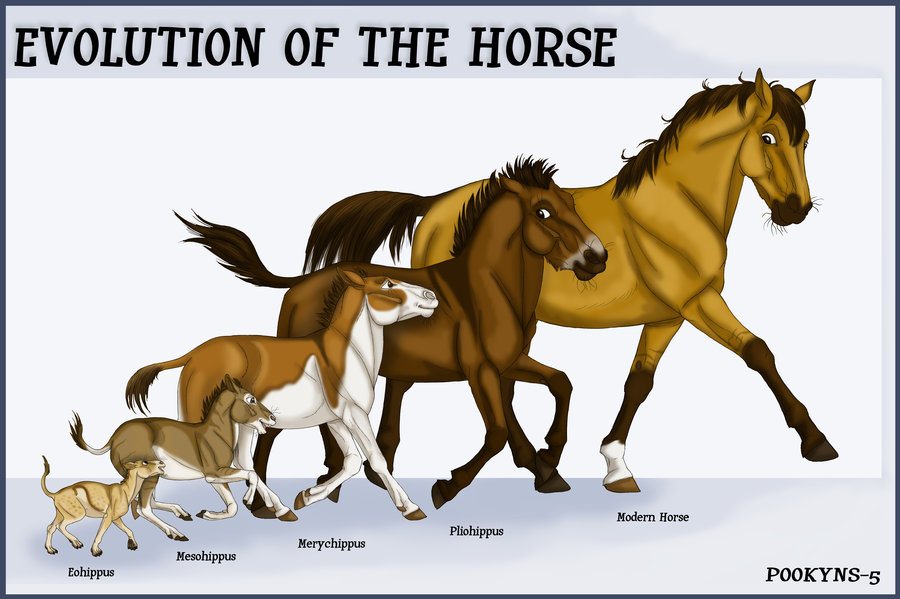
Change of populations through time
The development of characteristics in response to need
The change of simple to complex organisms
The development of man from monkey-life ancestors

