wayground logo

Free Printable Worksheets

Font size

S
M
L
XL
Worksheets

Unit 9: 6G, 6E and 6F

Total questions: 84

Worksheet time: 2hrs 54mins

Name
Class
Date
1.
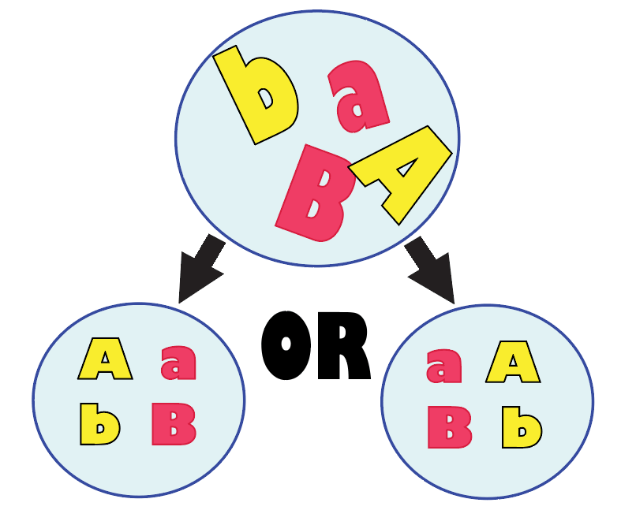
Which process and type of resulting cells are represented?
a)
mitosis, gametes
b)
mitosis, body cells
c)
meiosis, gametes
d)
meiosis, body cells
2.
What is it called when a sperm and egg meet?
a)
meiosis
b)
fertilization
c)
cell division
d)
mitosis
3.
The chromosomes that pair up during meiosis, are called __________ chromosomes.  
a)
homozygous 
b)
asexual
c)
homologous
d)
genes
4.
A male shark has 40 chromosomes in each of its sex cells. How many would be present in its body cells?
a)
20
b)
40
c)
80
d)
160
5.
Compared to the number of chromosomes contained in a body cell, how many chromosomes would normally be contained in a gamete?
a)
The same number
b)
One-fourth as many
c)
Twice as many
d)
Half as many
6.
What causes genetic variation in meiosis?
a)
chromosomes lining up
b)
crossing over of chromosomes
c)
separation of chromosomes
d)
chromosomes pulling apart
7.
What is one of the advantages, why is it better to reproduce sexually versus asexually?
a)
survival of the fittest
b)
overproduction
c)
genetic variation
d)
cloning
8.
Crossing over helps promote 
a)
male genotype
b)
genetic variation
c)
DNA replication
d)
mitosis
9.
Chromosomes exchange genetic material during 
a)
crossing over
b)
replication
c)
synthesis
d)
translation
10.
A human zygote should have _____ chromosomes inside.
a)
46
b)
23
c)
92
d)
64
11.
Females have ____ and males have _____ chromosomes.
a)
XX, XY
b)
XY, XX
c)
XX, XX
d)
XY, XY
12.
A human being has a somatic cell that has 46 chromosomes.  What is the haploid number found in a gamete?
a)
23
b)
46
c)
69
d)
92
13.
Diploid Cells are represented by
a)
2n
b)
n
c)
4n
d)
1/2 n
14.

CROSSING OVER TAKES PLACE DURING

a)

PROPHASE II

b)

PROPHASE I

c)

INTERPHASE

d)

METAPHASE I

15.

WHAT TYPE OF CELLS STORE THE GENETIC INFORMATION THAT IS PASSED TO OFF-SPRING

a)

BODY CELLS

b)

MITOSIS

c)

EGG

d)

SPERM

e)

EGG AND SPERM

16.

MEIOSIS

a)

REDUCES THE NUMBER OF CHROMOSOMES BY ONE HALF

b)

PRODUCES UNIQUE SEX CELLS-1N

c)

ALLOWS TRAITS TO BE PASSED TO OFFSPRING

d)

ALL ARE TRUE

e)

INCREASE GENETIC VARIATION

17.

MITOSIS

a)

INCREASES GENETIC VARIATION

b)

ALLOWS TRAITS TO BE PASSED ON TO OFFSPRING

c)

PRODUCES 2 IDENTICAL DAUGHTER CELLS

d)

ALL ARE TRUE

18.

1N AND N MEAN THE SAME THING (LIKE MATH)

a)

TRUE

b)

FALSE

19.
An example of a mutation where a piece of chromosome breaks off and attaches to another chromosome is called ___.
a)
trisomy
b)
translocation
c)
inversion
d)
deletion
20.
A chromosome is found to be shorter than it's homologous match.  Which type of mutation would this most likely be?
a)
insertion
b)
deletion
c)
translocation
d)
inversion
21.
What process occurs during meiosis that can result in chromosomal disorders?
a)
crossing over
b)
non-disjunction
c)
anaphase I
d)
prophase II
22.

A piece of a chromosome is copied and remains within the chromosome

a)

deletion

b)

duplication

c)

inversion

d)

translocation

23.

A piece of the chromosome detches, turns 180 degrees, and reattaches

a)

deletion

b)

duplication

c)

inversion

d)

translocation

24.

A piece of one chromosome detaches and reattaches to a different chromosome

a)

deletion

b)

duplication

c)

inversion

d)

translocation

25.

A piece of a chromosome is lost

a)

deletion

b)

duplication

c)

inversion

d)

translocation

26.
What kind of cells are made in MEIOSIS?
a)
Haploid cells
b)
Diploid Cells
c)
Skin Cells
d)
Liver Cells
27.
Diploid Cells are represented by
a)
2n
b)
n
c)
4n
d)
1/2 n
28.

A mutation in which type of cell can be passed to an organisms offspring?

a)

Liver

b)

Heart

c)

Sperm

d)

Somatic

29.

Passing on traits from parents to offspring

a)

Chromosome

b)

Genotype

c)

Heredity

d)

Allele

30.

The study of heredity

a)

Genetics

b)

Genome

c)

Allele

d)

Punnett Square

31.

The instruction of one allele covers up the instruction

of the other allele in a homologous pair. Symbolized by a capital letter.

a)

Recessive Allele

b)

Dominant Allele

c)

Heredity

d)

Trait

32.

The instructions of this allele are covered up by the other allele in a homologous pair. Symbolized by a small letter.

a)

Homozygous

b)

Dominant

c)

Recessive

d)

Genetics

33.

The letter symbols for both homologous alleles.

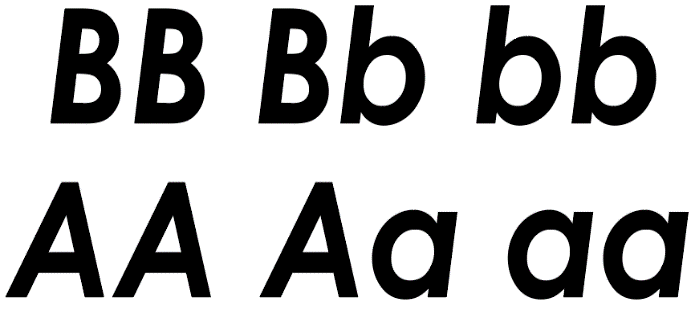
BB Bb bb AA Aa aa

a)

Genotype

b)

Phenotype

c)

Recessive

d)

Dominant

34.

A genotype where only dominant alleles were passed on

from both parents for one trait

BB AA TT LL

a)

Homozygous Recessive

b)

Homozygous Dominant

c)

Dihybrid

d)

Heredity

35.

A genotype where only recessive alleles

were passed on from both parents for one trait

bb aa tt ll

a)

Heredity

b)

Homozygous Dominant

c)

Homozygous Recessive

d)

Phenotype

36.

A genotype where one dominant and one recessive allele was passed on from both parents for one trait.

Bb Aa Tt Ll

a)

Allele

b)

Homozygous Dominant

c)

Homozygous Recessive

d)

Heterozygous

37.

The observable traits dictated by the genotype

a)

Phenotype

b)

Genotype

c)

Homozygous Recessive

d)

Homozygous Dominant

38.

During meiosis, the homologous pairs of chromosomes and the matching alleles are lined up independently.

Offspring are a mix of maternal genes and paternal genes.

This increases genetic variation.

a)

Homozygous Dominant

b)

Law of Segregation

c)

Crossing Over

d)

Independent Assortment

39.

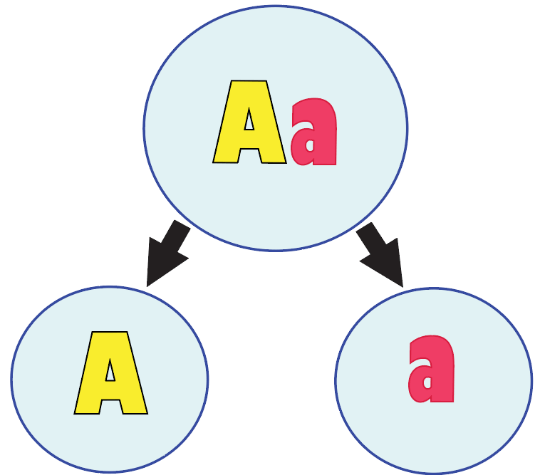
During meiosis and gamete formation, homologous (paired up) alleles split up

a)

Phenotype

b)

Law of Segregation

c)

Genotype

d)

Dihybrid Cross

40.

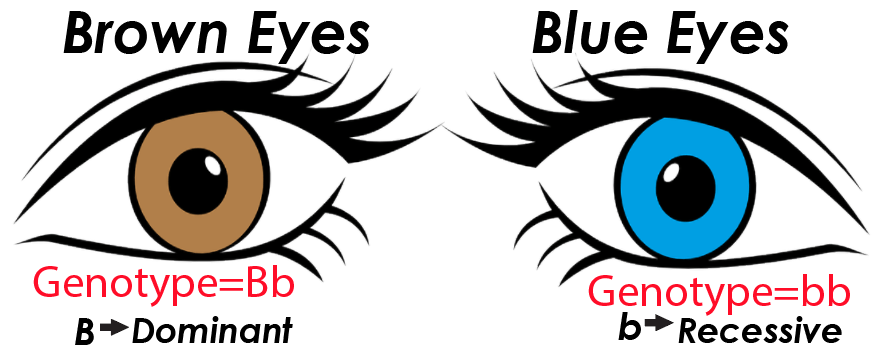
The genetic cross between two parents for one trait:

Example BB x bb

B = dominant for brown

b = recessive for blue

a)

Incomplete Dominance

b)

Dihybrid Cross

c)

Monohybrid Cross

d)

Iron Cross

41.

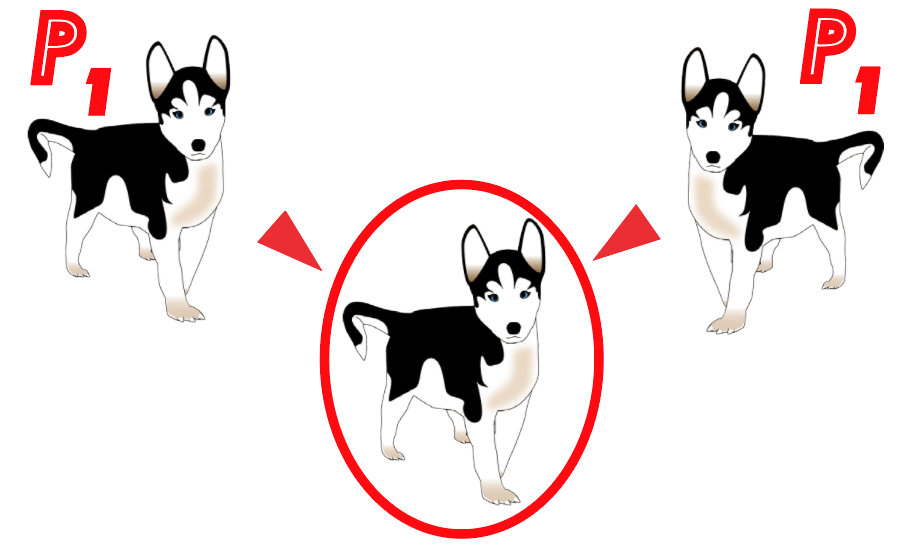
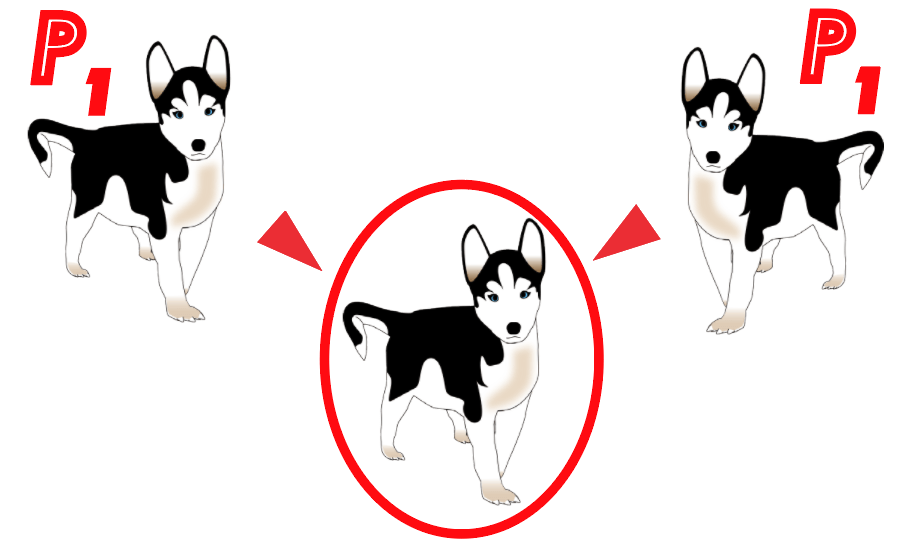
Referring to the original parents.

a)

P1

b)

F1

c)

F2

d)

Homozygous

42.

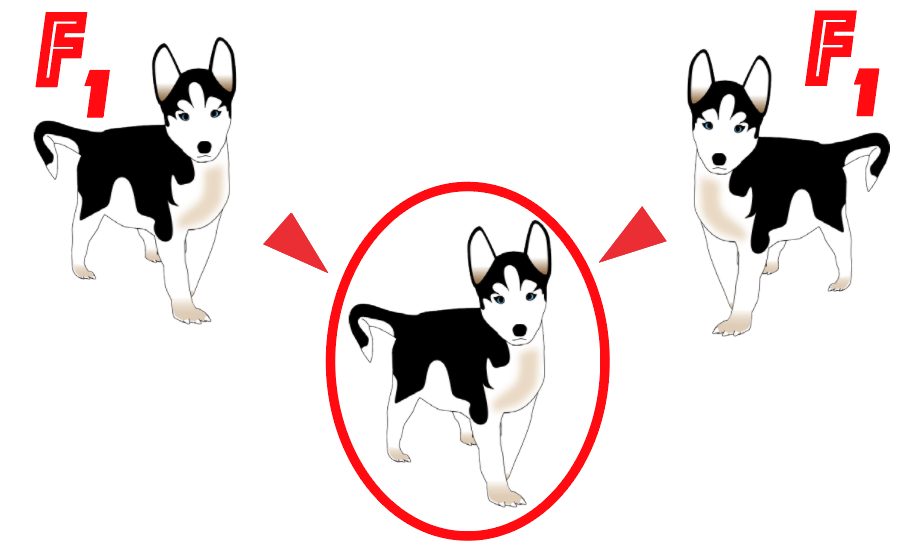
First Filial (child) Generation: the offspring of P1

a)

P1

b)

F2

c)

F1

d)

Heterozygous

43.

Second Filial Generation: the offspring of F1

a)

P1

b)

F1

c)

F2

d)

Homozygous Recessive

44.

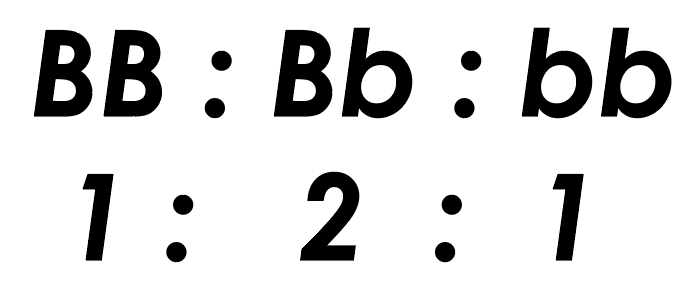
The ratio of homozygous dominant to heterozygous

to homozygous recessive offspring

a)

Genotypic Ratio

b)

Phenotypic Ratio

c)

Monohybrid Cross

d)

Homologous Pair

45.

The ratio of phenotypes in a Punnett Square

a)

Phenotypic Ratio

b)

Genotypic Ratio

c)

Dihybrid Cross

d)

Independent Assortment

46.

The chance that a genotype or phenotype

will actually occur in offspring

a)

Probability

b)

Phenotype

c)

Genotype

d)

Homozygous Recessive

47.

The Italian monk/scientist who first showed

the principles of genetics

a)

Watson and Crick

b)

Linnaeus

c)

Darwin

d)

Mendel

48.
In watermelons, green rinds (G) are dominant to striped rinds (g).  What is the genotype of a heterozygous green watermelon?
a)
GG
b)
Gg
c)
gg
d)
green
49.
In cacti, long arms (A) are dominant to short arms (a).  Suppose 2 heterozygous cacti are crossed.  What percentage of their offspring are expected to have short arms?
a)
0%
b)
25%
c)
75%
d)
100%
50.
One of the two forms of a gene is called a(n)
a)
genotype
b)
allele
c)
hybrid
d)
trait
51.
When a person has two different alleles for a gene, they are said to be
a)
heterozygous
b)
homozygous
52.
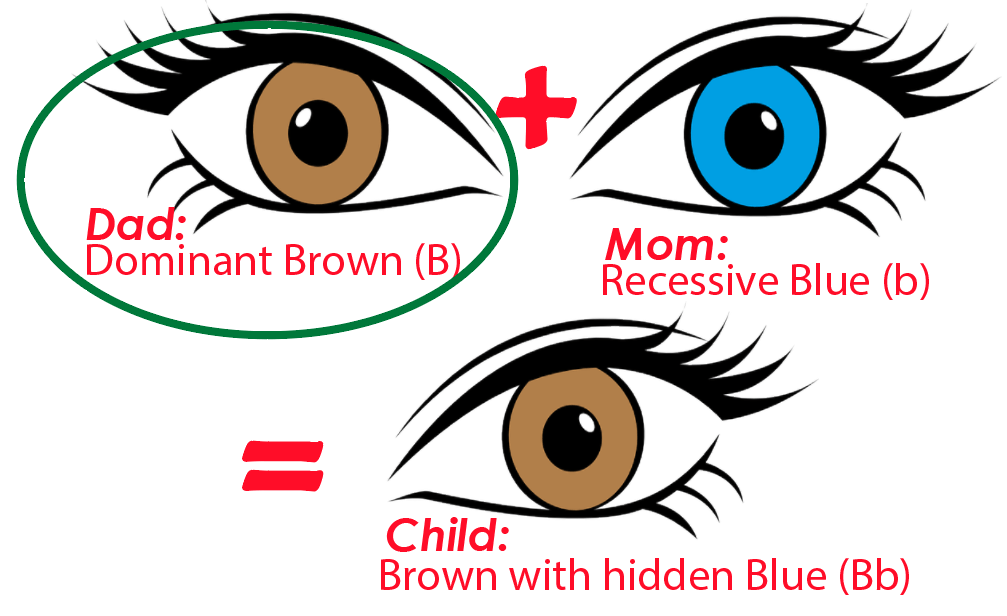
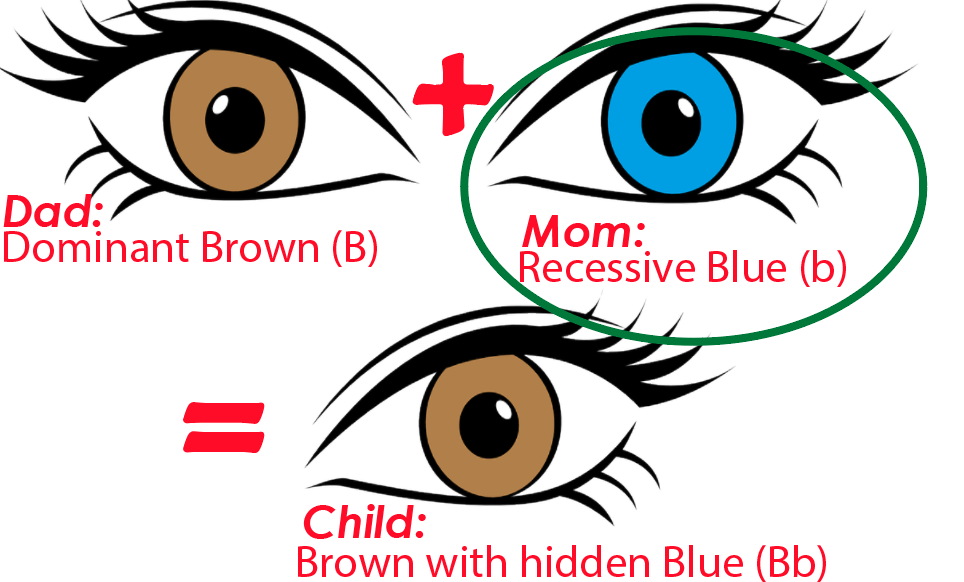
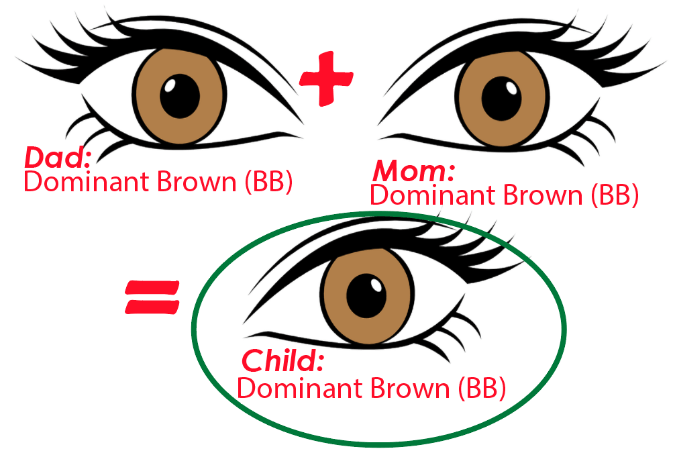
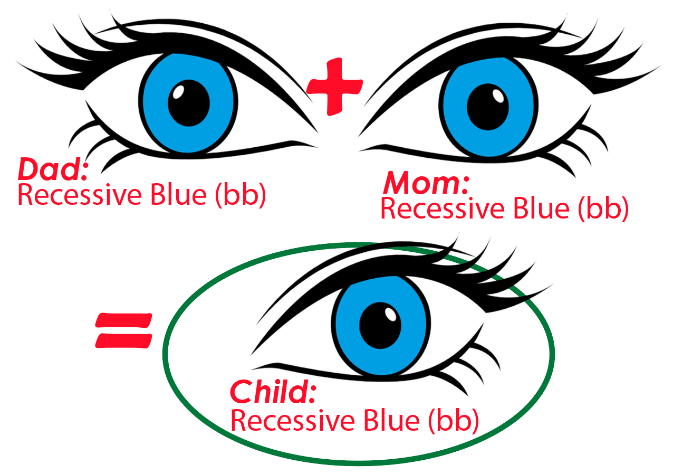
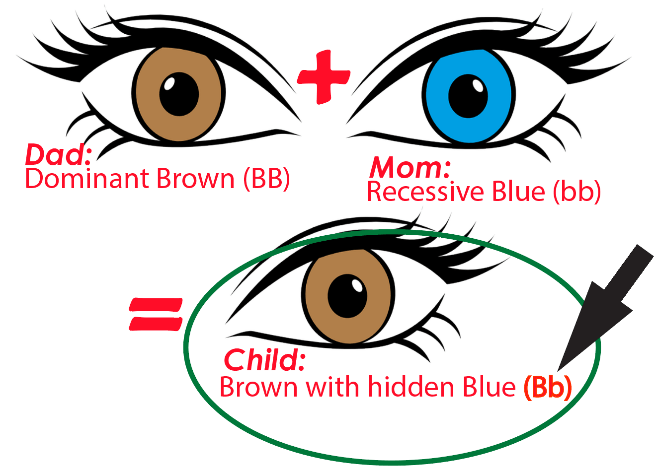
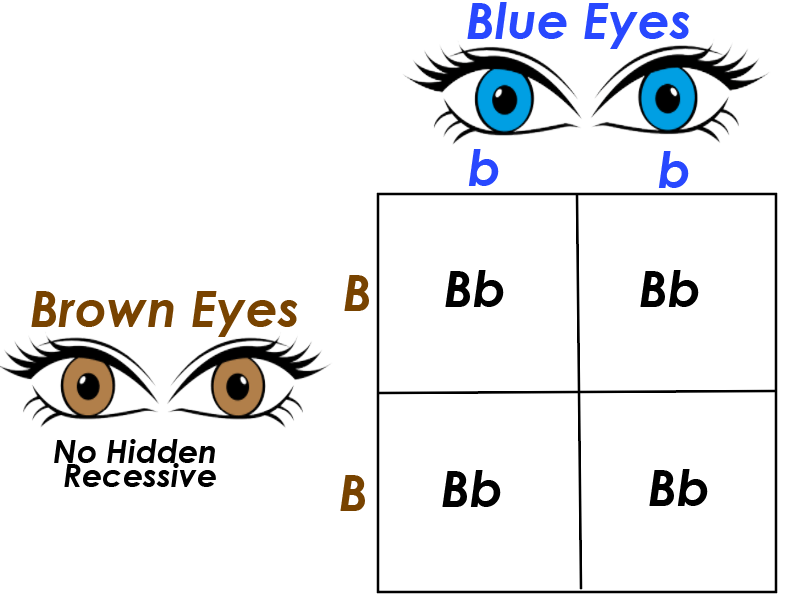
In this example, the child displays the ________ trait.
a)
dominant
b)
recessive 
53.
How many alleles (letters) do each person carry for a trait?
a)
1
b)
2
c)
3
d)
4
54.
How many alleles (letters) does a child get from each parent for each trait?
a)
1
b)
2
c)
3
d)
4
55.
Dominant alleles are represented by a:
a)
Male gene
b)
lowercase letter
c)
recessive trait
d)
capital letter
56.
T - tall and t = short
In the punnett square below, what belongs in the missing square
a)
tt
b)
Tt
c)
Bb
d)
TT
57.
Which of the following is a phenotype?
a)
Aa
b)
red hair
c)
heterozygous
d)
DNA
58.
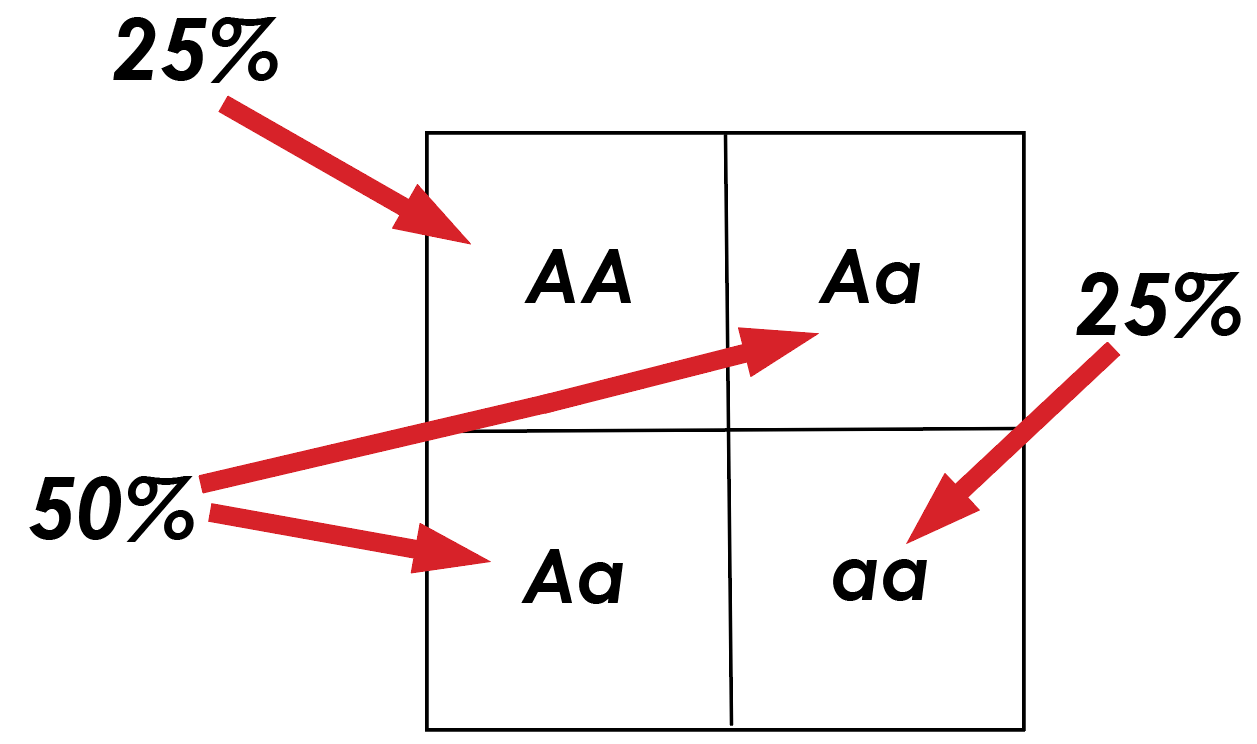
What are the possible genotypes for this cross?
a)
TT = 25% Tt= 50% tt=25%
b)
all tall
c)
TT= 75% tt = 25%
d)
Tt = 100%
59.
Which of the following genotypes is heterozygous?
a)
Bb
b)
BB
c)
bb
d)
B
60.
Which of the following genotypes is homozygous dominant?
a)
A
b)
Aa
c)
AA
d)
aa
61.
If green is dominant over purple, then what is the genotype for this individual?
a)
Purple
b)
Green
c)
GG
d)
gg
62.
A dihybrid cross shows the possible outcomes of _______ 
a)
two alleles
b)
two parents
c)
two traits/characters
d)
a self pollination
63.
What goes in box 1
a)
AABb
b)
AABB
c)
aabb
d)
AaBb
64.
What gamete possibilities could come from this parent's genotype?
a)
AB, AB, aB, aB
b)
Ab, AB, Ab, ab
c)
Ab, Ab, Ab, Ab
d)
AB, aB, ab, aB
65.
parent 1: GgBB
parent 2: ggBb
Find the gametes for parent 1.
a)
GB, GB, gB, gB
b)
gB, gb, gB, gb
c)
Gg, BB, GB, GB
d)
gg, Bb, gB, gb
66.
Assume dad's gametes are on top, what is his genotype?
a)
AAPP
b)
AaPp
c)
aaPP
d)
Aapp
67.
Assume mom's gametes are on the left, what is her genotype?
a)
TTZz
b)
TtZz
c)
ttZZ
d)
TtZZ
68.

A single gene has 3 or more alternative forms. These are called

a)

heterozygotes

b)

multiple alleles

c)

epistatic

d)

polygenic

69.
In mice, the homozygous mice are black and white. The heterozygous mice are gray. What pattern of inheritance is expressed in fur color in mice?
a)
complete dominance and recessiveness
b)
co-dominance
c)
incomplete dominance
d)
pleiotropy
70.
If this image were real, it would represent what type of inheritance?
a)
incomplete dominance
b)
codominance
c)
polygenic inheritance
d)
compete dominance
71.
AB blood type is an example of what type of inheritance?
a)
complete dominance
b)
incomplete dominance
c)
codominance
d)
polygenic inheritance
72.
A red flowered plant (RR) breeds with a White flowered plant (WW). The gene for petal color in these plants expresses incomplete dominance.  What percentage of the offspring will have pink (RW) flowers?
a)
0%
b)
25%
c)
50%
d)
100%
73.
This is an example of ___________?
a)
Incomplete dominance
b)
Co-Dominance
74.
What type of inheritance is shown?
a)
complete
b)
incomplete
c)
codominance
d)
sex-linked
75.
What do you call the non-Mendelian inheritance pattern that states that neither trait is dominant and the traits appear to blend together?
a)
Codominance
b)
Incomplete dominance
c)
Polygenic traits
76.
This is when a trait is controlled by more than one gene.
a)
Multiple alleles
b)
Polygenetic inheritance
c)
Codominance
d)
Incomplete Dominance 
77.
How many generations are shown in this pedigree?
a)
1
b)
2
c)
3
d)
4
78.
How many generations are shown in this pedigree?
a)
1
b)
2
c)
3
d)
4
79.
What do half colored symbols represent?
a)
The individual is a carrier (heterozygous).
b)
The individual expresses the trait.
c)
The individual has both recessive alleles.
d)
The individual has both dominant alleles.
80.
In the second generation-how many people have the disease or display the physical trait?
a)
2
b)
4
c)
5
d)
6
81.
What does an open circle represent?
a)
Not Affected Male
b)
Not Affected Female
c)
Affected Male
d)
Affected Female
82.
What does a filled in square represent?
a)
Not affected Female
b)
Not affected Male
c)
Affected Male
d)
Affected Female
83.

The following pedigree chart shows _______ females and ______ males that have the trait.

a)

7, 3

b)

4, 4

c)

3, 2

d)

3, 3

e)

57, 93.5

84.

The following pedigree chart shows _______ females and ______ males that DO NOT have the trait.

a)

7, 3

b)

4, 4

c)

3, 2

d)

3, 3

e)

57, 93.5