
Font size
 Worksheets
STD 7 SCIENCE 2021 FEB
Total questions: 50
Worksheet time: 49mins
have diverse functions such as photosynthesis
ground tissues
meristematic tissues
vascular tissues
dermal tissue
In which structures would reproduction occur in some non-flowering land plants?
Roots
Leaves
Stems
Cones
Leaves capture light energy for photosynthesis. What feature allows this to happen?
Leaves are green
Leaves are broad and flat
Leaves have vascular tissues


What is the function of the stem?
to make seeds for the plant
to absorb water and nutrients from the soil
to make food for the plant
to carry water, nutrients and food to other parts

Which of these are both male reproductive structures?
Stigma
Anther
Filament
Ovary


The diagram represents a flower, the reproductive structure of some plants. Which structure is represented by the letter A in the diagram?
the stamen, a male structure which produces pollen
the pistil, a female structure which collects pollen and passes it to the ovary
the sepal, a modified leaf used for protection of the flower
the petals, decorative structures which attract pollinators
The function of the petal is to
attract pollintors
Egg production
Pollen production
Identify the structure:
A= Egg Production
B=Pollen Production
A = Pistil; B= Stamen
A=Petals; B=Ovary
A= Stamen; B=Pistil
Trace the path that pollen takes:
Anther --> Stigma --> Style --> Ovary
Ovary --> Stigma --> Anther --> Stamen
Anther --> Ovary --> Stamen --> Stigma

This structure is -
stamen
pistil
petals
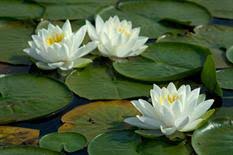
Water lilies live in lakes and ponds. It is an example of
Free floating plant
Fixed plant
Submerged plant
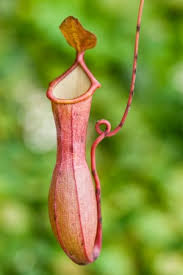
Identify the picture
sundew
Venus flytrap
pitcher plant
Identify the picture
sundew
Venus flytrap
pitcher plant
Leaves of underwater plants do not have stomata. One example of such a plant is....
Lotus
Hyacinth
Hydrilla
Water lettuce
The trees that do not shed their leaves are called
Deciduous trees
Evergreen trees
Xerophytes
Trees that have cones are called
coniferous trees
deciduous tree
evergreen tree
mangrove tree

What
adaptation is represented by the image?
Minimizes water loss
To make food
Seed dispersal
Pollination
Plants in the desert have long roots so that they...
take up more space
help avoid deterioration of the soil
provide food for animals underground
absorb more water.
Pine leaves have_________________.
waxy leaf
needle-shaped
drip-tip
leaflets
An example for plants growing on coastal areas.
Mango tree
Pine tree
Coconut tree
Fir tree
A place where a livings live in nature is their (a)
What is it called when a plant or animal has a trait that helps it survive in a specific environment?
instinct
mimicry
camouflage
adaptation
Some grasses grow in hot dry areas. Why might they grow very deep roots?
to protect the plant from sun damage
to take in as much light as possible
to spread seeds to new places
to reach water that is underground
What is anything that occupies space and has weight or mass?
MATTER
EARTH
GRAVITY
VOLUME
what are the properties of matter?
solid,liquid,matter
solid,liquid,gas
liquid,gas,properties
properties gas,solid
From which food do we get Vitamin A ?


Below are the main parts involves in the human blood circulatory system, except...
heart
blood vessels
brain
blood
lungs
Which is responsible for providing oxygen to our body?
respiratory system
circulatory system
muscular system
nervous system
What is the function of blood vessels?
Pumps blood to the lungs and the whole body
Exchange of oxygen and carbon dioxide
Transport blood to the whole body
Which side of the heart pumps blood rich in carbon dioxide to the lungs?
Right side
Left side
Both sides
Our blood circulatory system is closely related to which system?
Respiratory system
Cardiovascular system
Mascular system
What is the main organ of the circulatory system?
small intestine
bone
lungs
heart

