
NEW
Font size
 Worksheets
QZ 5: Photosynthesis and Cellular Respiration
Total questions: 50
Worksheet time: 40mins
Occurs in plants
photosynthesis only
cellular respiration only
photosynthesis and cell respiration
all of the above
Occurs in animals
photosynthesis only
cellular respiration only
cellular respiration and photosynthesis
all of the above
Location for photosynthesis
mitochondria
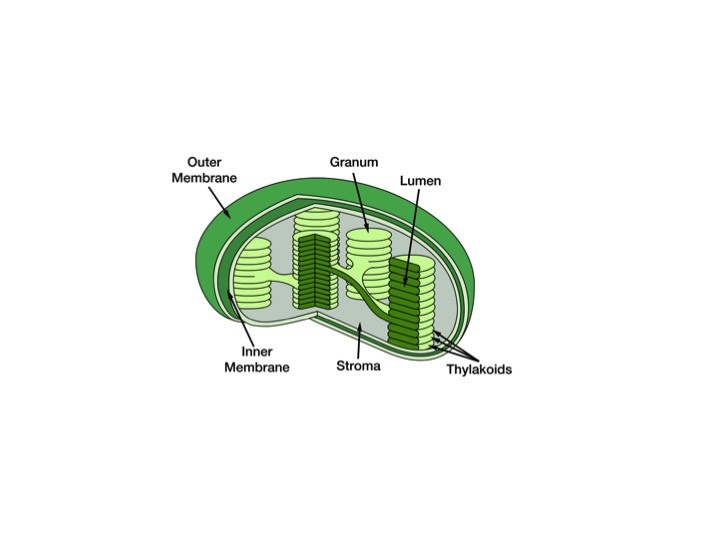
chloroplasts
cytoplasm
vesicle
What do plants need to perform photosynthesis?
Love
Soil with a high nitrogen (N) content
Water (H2O) + Carbon Dioxide (CO2) and Sunlight Energy
Pollinators such as bees and hummingbirds
What is created as a result of Photosynthesis
ATP Energy
Water (H2O) and Carbon Dioxide (CO2)
Proteins and lipids
Glucose (C6H12O6) + Oxygen (O2)
Where do plants get the energy they need to perform photosynthesis?
The soil
The sun
The rain
Bees
What does C6H12O6 tell you about the glucose molecule?
That it has 6 carbon (C) atoms, 12 hydrogen (H) atoms, and 6 oxygen (O) atoms
That it has too many atoms for us to count, so we just assign random numbers to show that its really big
That it is smaller than a water (H2O) atom
That it has 12 carbon (C) atoms, 12 hydrogen (H) atoms, and 12 oxygen (O) atoms
In which cell organelle does PHOTOSYNTHESIS take place?
The chloroplast
The mitochondria
The cytoplasm
The golgi apparatus
What process must cells undergo to convert the energy stored in glucose (C6H12O6) into useable cell energy (ATP)?
Photosynthesis
Cellular respiration
Ketosis
The macarena
What do cells need to perform the process of cellular respiration?
Sunlight, water (H2O) + carbon dioxide (CO2)
Proteins, lipids, carbohydrates, and nucleic acids
Lactose (C12H22O11) + soil
Glucose (C6H12O6) + Oxygen (O2)
What is created as a result of cellular respiration?
Glucose (C6H12O6) + Carbon dioxide (CO2)
Water (H2O) + Carbon dioxide (CO2) + ATP Energy
Proteins and lipids
Chloroplasts
Where in the cell does cellular respiration take place?
The chloroplasts
The golgi apparatus
The mitochondria
The cell wall

Based upon the equation shown, how many molecules of Carbon Dioxide (CO2) and water (H2O) are required to make one molecule of glucose (C6H12O6) as a result of photosynthesis?
It takes 12 Oxygen and 6 Hydrogen atoms
Photosynthesis requires 6 CO2 + 6 H2O molecules to create 1 molecule of glucose
2 CO and 2 HO
This is a trick question, photosynthesis does not require CO2 or H2O
How are photosynthesis and cellular respiration related?
They're not, they are completely different processes and neither the products nor reactants of either process are related
Both require sunlight to take place
The products of photosynthesis (C6H12O6 + O2) are the same as the reactants of cellular respiration. The products of cellular respiration (CO2 + H2O) are the same as the reactants of photosynthesis
They both take place in animal cells
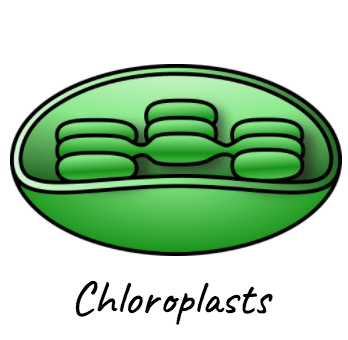

Why are many plants green?
plant cells are green
plants absorb green light
chlorophyll reflects green light
rigid cell walls are green
Simple sugar that is an important source of energy
oxygen
sunlight
glucose
Where do animals get the glucose that is needed for cellular respiration?
from the exercise they get
from the water they drink
from the food they eat
from the sunlight they get

Which process is considered to be a part of the carbon cycle?
precipitation
metamorphosis
condensation
photosynthesis
How will clear-cutting of forests affect the level of carbon dioxide in the atmosphere?
It will decrease because of increased respiration.
It will increase because of decreased photosynthesis.
It will decrease because of decreased photosynthesis.
It will remain constant as respiring animals remove the carbon dioxide.
Which statement accurately describes an interaction between plants and animals?
Animals release CO2, required for photosynthesis.
Animals release O2, required for plant survival.
Plants provide humans with atmospheric nitrogen.
Plants provide humans with CO2 for respiration.
6. Which of the following represents the process of photosynthesis?
C6H12O6+6O2→6CO2+6H2O
6CO2+6H2O→C6H12O6+6O2
2H2O→2H2+O2
2H2+O2→2H2O
Beneath the outer layer of tree bark is a layer of live tissue. The cells of this live tissue contain chloroplasts. The bark also contains structures that allow gas exchange with the environment. These characteristics allow the tree bark to perform photosynthesis. Tree bark photosynthesis occurs mostly in early spring and late fall, or in times of drought or disease. What is the MOST likely reason bark photosynthesis is higher during these conditions?
Photosynthesis keeps the bark from freezing.
The bark produces a different type of sugar.
The angle of light is different.
The tree has fewer leaves.


This is the equation is for? 6Co2 + 6H2O ----> C6 H12 O6 6O2
photosynthesis
cellular respiration

Which of the following statements is true
The products of photosynthesis are the reactants of cellular respiration.
The products of photosynthesis are not necessary for respiration to occur.
The reactants of photosynthesis are also the reactants of cellular respiration.
The products of photosynthesis are also the products of cellular respiration.
What is a cell?
A green chemical in plant cells that allows plants to use the Sun's energy to make food.
The smallest unit of living matter.
The food-making process in green plants.
The tissue through which water and minerals move up in a plant.
All living things do which of the following?
photosynthesis
cell respiration
What is cellular respiration?
the breakdown of glucose to release ATP
the breakdown of glucose to release oxygen
the breakdown of glucose to release carbon
the breakdown of glucose to release water
True or False: Plants do both cell respiration and photosynthesis.
True
False

