
 Worksheets
Unit 1 PE- Cardiovascular and Respiratory system Revision
Total questions: 37
Worksheet time: 27mins
The blood vessel that carries oxygen rich blood away from the heart is:
Arteries
Veins
Capillaries
Venules
The features of a capillary are:
they are thinnest blood vessel in the body
they are the site of oxygen and nutrient transfer
are the most abundant type of blood vessel in the body
all of the above
the widest blood vessel of the venous system is:
Venules
capillaries
Vena cava
veins
In what order does blood flow away from the heart in the systemic circulatory system?
Arteries->arteriole-> aorta
Arteriole-> aorta-> arteries
Aorta-> arteriole-> arteries
Aorta-> arteries -> arteriole
Blood makes it's way back to the heart through:
the assistance of a muscle pump, because of the low pressure of the venous system
Pressure of blood stream alone puches blood back to the heart
One way valves in the veins contract forcefully to push blood back to the heart
None of the above
The arteries, aorta and arteriole all make up part of the (a) system
The veins, venules and vena cava all make up part of the (a) system.
There are _________ number of chambers in the heart:
3
5
4
1

The heart contracts twice in the pumping action. The second contraction:
Pushes blood forcefully out of the left and right ventricle through the arteries
Is to ensure all blood is cleared from the atria
pushes blood forcefully out of the atria
The systemic circulatory system:
A- Carries oxygen rich blood to the working muscles and all cells of the body and then transports waste products such as carbon dioxide back to the lungs
B- Transports oxygen rich blood to the lungs
C- Includes blood flow to all of the extremities of the body
D- A and C

the area labelled 7 in the diagram is:
The aorta
The vena cava
pulmonary artery
pulmonary vein
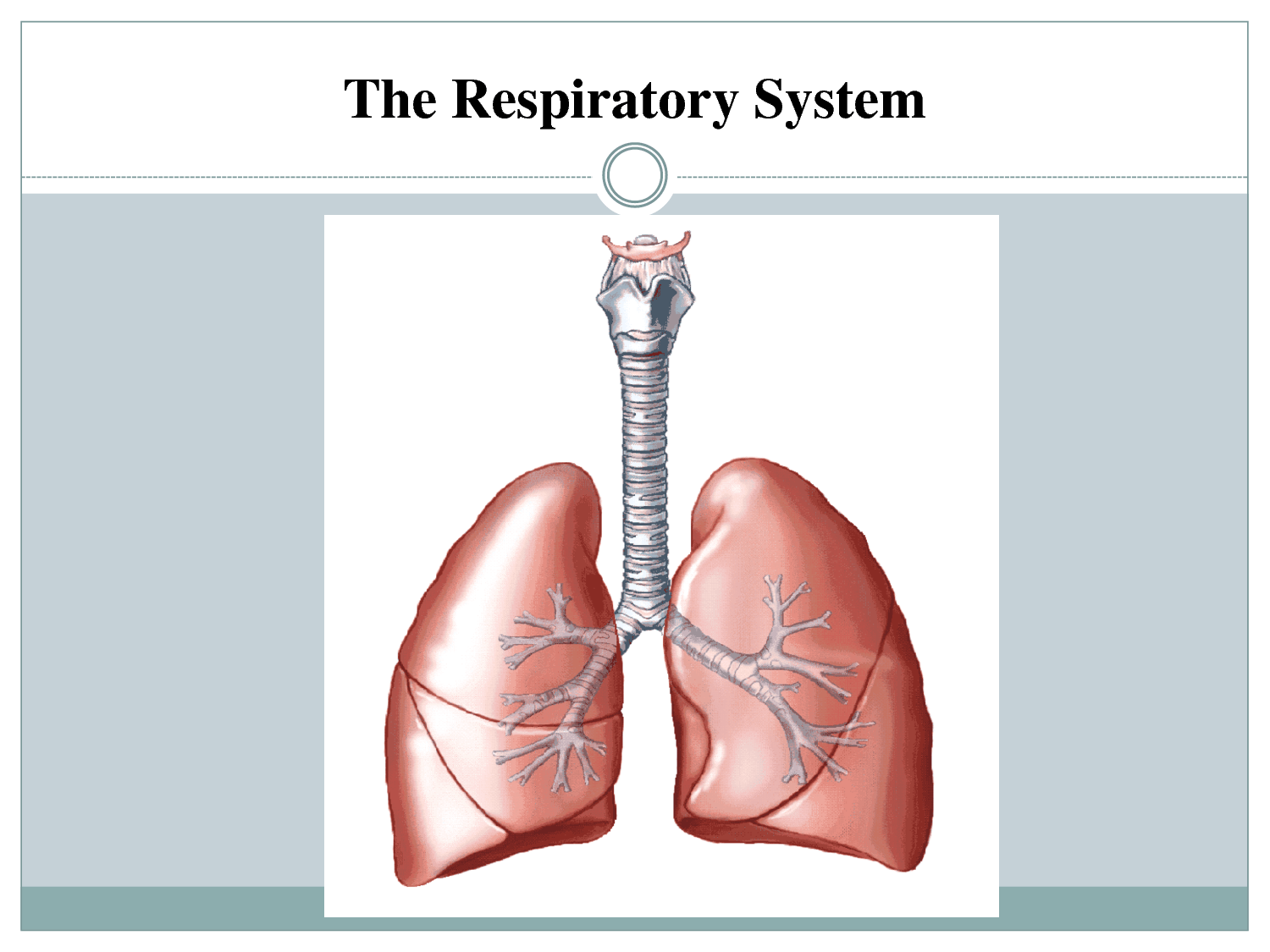
What is the main function of the respiratory system?
to provide oxygen and remove carbon dioxide from the body
o break down food and absorb nutrients
to remove oxygen from the body and deliver carbon dioxide
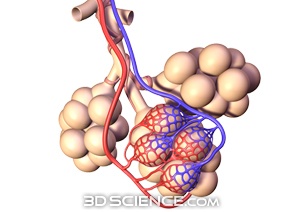
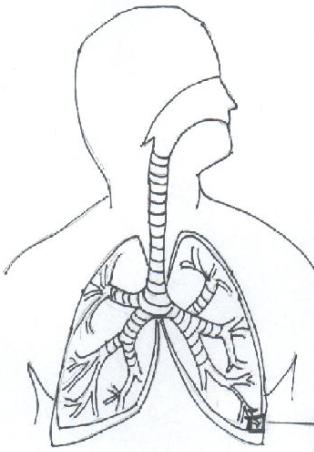
What is the function of the bronchi?
Transport air from nose to lungs
Transport air from trachea/larynx to the lungs
Transport air from lungs to alveoli
Transport air from alveoli to blood
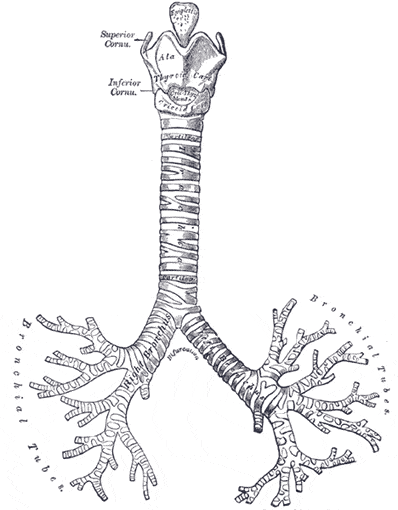
These are the two two main branches from the trachea (one to each lung)
bronchi
alveoli
capillaries
bronchioles
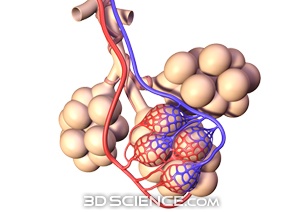
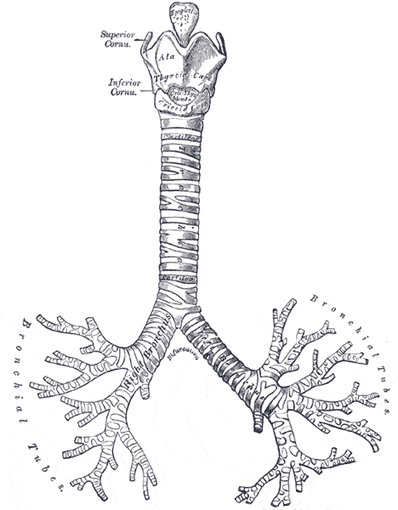
a process that allows for the transfer of gases between the lungs and the atmosphere
external respiration
diffusion
inhaling
nasal passage
Muscles of the rib cage that contract when inhalation is taking place are called
Intercostals
Pectoralis major
Serratus anterior
Diaghragm
Number of times we breathe in a minute is called the
(a)

The pathway of air into the lungs is:


How do you describe the condition of the diaphragm as one exhales?
the diaphragm contracts
the diaphragm relaxes
the diaphragm goes down
both a and c
How is ventilation calculated?
Ventilation= cardiac output x respiratory rate
Ventilation= respiratory rate x stroke volume
Ventilation= heart rate x stroke volume
Ventilation= respiratory rate x tidal volume
Redistribution of blood flow during exercise results in:
A. An increase in oxygen supply to the vital organs and brain to facilitate better decision making
B. An increase in blood flow to the working muscles to assist with energy production and waste product breakdown
C. An increase in blood flow to the skin to assist with body temperature regulation
D. Both B and C
Maximum heart rate can be calculated by:
220- age
1/2 age x max ventilation
wearing a heart rate monitor overnight
210- (1/2 age)
Blood pressure is recorded as
Hydrostatic /diastolic
Diastolic/ hydrostatic
Systolic/diastolic
Diastolic/systolic
lowest pressure against the blood vessels of the body. Measures between contractions
diastolic pressure
systolic pressure
hypotension
hypertension

The force of blood pushing against your arteries is...
Heart Rate
Temperature
Respiration Rate
Blood Pressure
Acute respiratory responses to exercise do not include:
Ventilation
Cardiac Output
Tidal Volume
Pulmonary Diffusion
Movement of O2 and CO2 from an area of high concentration to an area of low concentration is:
Ventilation
Redistribution of blood flow
Pulmonary diffusion
Increased blood flow to working muscles
Cardiac output is:
Tidal volume x stroke volume
Stroke volume x heart rate
Heart rate x ventilation
Stroke volume x venous return
During exercise more blood is directed to the working muscles and this is achieved via:
Vasodilation of capillaries supplying muscle
Vasoconstriction of capillaries supplying muscle
Vasodilation of capillaries supplying the heart
Vasoconstriction of capillaries supplying the heart
Which athlete would have the highest VO2 Max:
Netball player
AFL midfielder
Cross Country Skier
Olympic diver

