
 Worksheets
Unit 1 Review
Total questions: 40
Worksheet time: 25mins
The amount of force that a muscle can produce
Muscular Strength Endurance
Muscular Strength
Power
Speed


The ability to use your entire body for long periods of time without stopping is called...
***This requires a strong heart, and lungs.
Cardiovascular Endurance
Muscular Strength
Speed
Muscular Endurance
What are the 5 components of health-related fitness
Cardiovascular Endurance, Muscular Strength, Muscular Awareness, Flexibility, Body Composition
Cardiovascular Strength, Muscular Strength, Muscular Endurance, Flexibility, Body Composition
Cardiovascular Endurance, Muscular Strength, Muscular Endurance, Flexibility, Body Composition
Cardiovascular Endurance, Muscular Strength, Muscular Endurance, Flexibility, Body Weight

We warm-up to do what?
prevent injuries
make you stronger
lower your heart rate

An example of muscular strength is:
going for a long bike ride
jumping jacks
picking up something heavy

Which type of exercise is this
Aerobic
Anaerobic
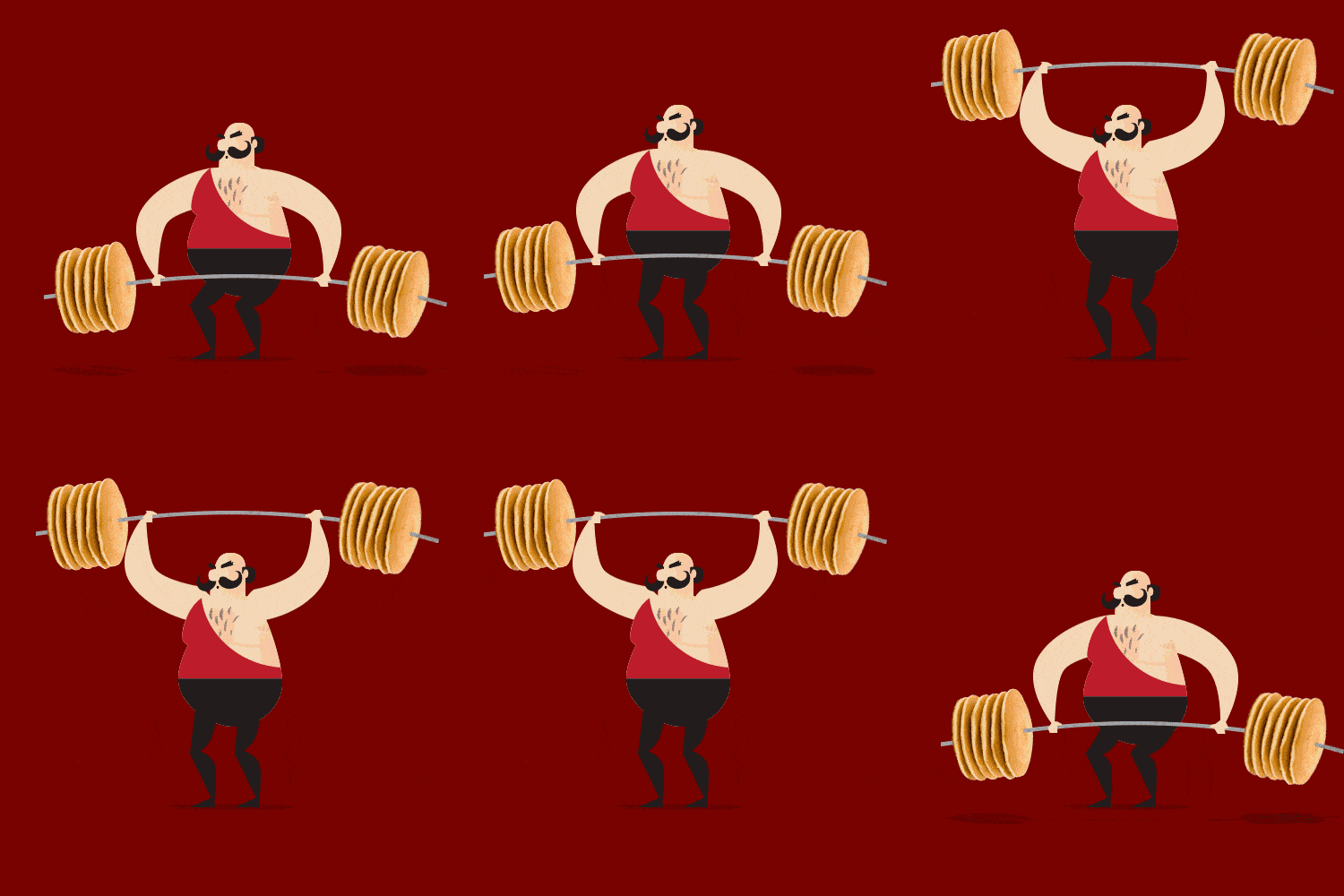
Which type of exercise is this
Anaerobic
Aerobic

Which type of exercise is this
Aerobic
Anaerobic

Which type of exercise is this
Aerobic
Anaerobic
Aerobic means muscles require...
Glucose
Lactic Acid
Gatorade
Oxygen
Lactic acid buildup occurs in anaerobic exercise
True
False
Anaerobic exercise is high intensity and causes you to be quickly out of breath.
True
False


Common places to find heart rate
Neck and wrist
Tongue and armpit
Thigh and bicep
Ear and temple

Factors that can increase or decrease heart rate
Temperature and time of day
Exercise and temperature
Exercise and how much food you have had
None
In terms of duration, Heart rate is typically measured for how long?
One minute
30 Seconds
10 Seconds
The resting heart of an average healthy person is typically?
50 BPM
100 BPM
60 BPM
What effect will endurance training have on your resting heart rate?
Decrease
Increase
Experts agree: exercise improves your ________.
Mood
Appearance
Weight
Waistline
The most effective way to visually track physical changes is to ________ before starting your routine.
write down how you feel about your body
take mental notes about your body
take measurements and photos of your body
compare yourself with other people
It's vital to consider your life choices and to avoid _____________that can jeopardize your health and impact your overall fitness plan.
an injury
ill-fitting shoes
risky behaviors
ill-fitting shoes
Relaxation and _____________ can help relieve stress.
isolation
exercise
eating
being sedentary
Ending your workout session about five to ten minutes before you plan to stop will give your body time to slow its __________________.
movement
muscle memory
rate of sweat
pace and intensity
When talking about personal fitness in general, what's really key to remember at the end of the day is ______________.
motivation
endurance
acceptance
body weight
Your target heart rate is the rate or "target" for your exercise that will put you in the right zone to get in shape.
True
False
Why is it important to stretch correctly before any physical activity?
Its fun
Reduces muscle injuries and improves athletic performance
Makes my muscles get bigger
The more you stretch, the less time you have to run around
What is the definition of static stretching?
Continuous movement
A stretch that is held in a challenging but comfortable position for a period of time
Using rapid movements
A stretch hold for move then 3 minutes
Using a bouncing movement to stretch a target muscle.
Static Stretching
Passive Stretching
Ballistic Stretching
Dynamic Stretching
A Stretching technique in which movement (Ex. swinging) and active muscular effort are used to stretch and the end position is not held.
Static Stretching
Passive Stretching
Ballistic Stretching
Dynamic Stretching
Which factors influence flexiblity?
age
previous injury
activity level
gender

