
 Worksheets
Topic 3: Earth's Systems
Total questions: 54
Worksheet time: 54mins

Water is a major part of which sphere?
hydrosphere
geosphere
atmosphere
biosphere

Air and other gases are a major part of which sphere?
geosphere
hydrosphere
biosphere
atmosphere

All living things are part of which sphere?
atmosphere
geosphere
biosphere
hydrosphere

Rocks, minerals, and other layers of the Earth's surface are part of which sphere?
biosphere
hydrosphere
geosphere
atmosphere

Look at the picture and select 3 items that are members of the biosphere.
human
rocks
trees
dog

This picture shows an example of the biosphere interacting with which other sphere?
hydrosphere
atmosphere
geosphere

This model represents the layers of the geosphere. Check the 2 areas that represent parts of the lithosphere.
atmosphere
upper mantle
inner core
crust
What is one cause of acid rain?
pollution in the air
decaying animals
floods
Check all that are part of the hydrosphere.
snow
rivers
rock
mushrooms
Check all that are part of the geosphere.
humans
rocks
sand
water
Which of the following is an interaction between the biosphere and the atmosphere?
plants producing oxygen
bears hibernating in a cave
water evaporating into water vapor
Blizzards and hurricanes are natural disasters caused by the interaction between which 2 spheres?
hydrosphere and atmosphere
hydrosphere and geosphere
geosphere and atmosphere
biosphere and atmosphere
Which sphere keeps the Earth warm?
hydrosphere
atmosphere
biosphere
geosphere
Earth's spheres are constantly interacting with each other.
TRUE
FALSE

This picture shows an alternative source of energy rather than using fossil fuels. Which sphere is the alternative source of energy from?
hydrosphere
biosphere
geosphere
atmosphere

This picture is an example of what?
The Greenhouse Effect
Solar Power
The Water Cycle
Pollution

Which 2 spheres are interacting in this picture?
atmosphere
biosphere
geosphere
hydrosphere
Why is an air pollution analyst's job so important?
Because collecting data is awesome!
Because they help solve air pollution problems.
Because they create more pollution for the Greenhouse Effect.


A river slowly wears away rock to form a canyon. This is an example of how the hydrosphere can affect the __________
geosphere
atmosphere
biosphere
cryosphere

What do we call regions of the world with similar climate, plants, and animals?
Atmospheres
Habitats
Biomes
None of the above

Starting with the step that involves magma and ending with melting, what are the first two steps of the rock cycle?
New molten rock emerges from inside Earth. 2. Rock cools and hardens.
Rock goes back into Earth and melts. 2. New molten rock emerges from inside Earth.
Rock cools and hardens. 2. Solid rock is broken into pieces.
New molten rock emerges from inside Earth. 2. Pieces harden into another kind of rock.
How is the cryosphere related to the hydrosphere?
The cryosphere is not related to the hydrosphere.
The cryosphere is the part of the hydrosphere in the form of water vapor
The cryosphere is the part of the hydrosphere in the form of ice.
The hydrosphere is actually part of the cryosphere.
If there was a change in the hydrosphere, what would be one way that the biosphere would change as a result?
Increased precipitation would reduce the population.
Lower lake levels would eliminate habitats.
Higher lake levels would reduce the amount of food available.
Reduced precipitation would reduce the amount of available food.
What landforms are present in Florida?
coastline
dunes
rivers (watershed)
mountains
glaciers
What allows the amount of water on Earth to remain constant (the same)?
More water vapor condenses to keep the cycle in balance.
The rate of evaporation competes with the balance of precipitation.
The rate of precipitation and evaporation are in balance.
More precipitation falls that can evaporate and condense.
Lakes are formed in a variety of ways/areas. Identify 3 of them.
In depressions from melted ice sheets
from erosion
In empty volcanic craters
In a watershed
In deep valleys called rift valleys
One landform that is found on both Land and under the sea is...
An abyssal plain
A glacier
A lake
A valley
How is the atmosphere affected when a forest fire occurs?
It fills with ash and soot making it hard to breath.
Runoff water filled with ash, soot, and debris flows into the water ways (i.e. lakes & rivers). This leads to changing landforms by depositing debris/sediment.
Plants are burned, animals killed, and habitats are destroyed.
Heat fractures/cracks rock. Rocks and soil are exposed to erosion and increased risk of mudslides. This can then lead to changing landforms by erosion and deposition.
What is a lake?
A body of water completely surrounded by land
A narrow piece of land that joins two large areas of land
One of Earth's Largest bodies of water
Lower land between hills or mountains
What is the one of the largest body of water?
Sea
Lake
River
Ocean
What is a valley?
A long stream of water
Lower land between hills or mountains
A large, flat land area
Piece of land surrounded by water
True or False, A house is land form
True
False
True or False, A mountain range is a row of mountains joined together?
True
False
what is a canyon
a dig cliff
a deep, narrow valley with high, steep sides
a big duvet in the ground
What is an island
A piece of land that is surrounded by water
a row of mountains joined together
A large flat land area
Which is a Plateau


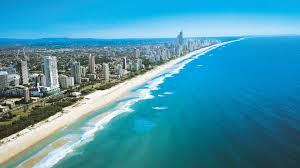


Name this landform, Florida is another example of this.
peninsula
plain
river
lake

