wayground logo

Free Printable Worksheets

Font size

S
M
L
XL
Worksheets

periodic table/ isotopes quiz

Total questions: 55

Worksheet time: 3hrs 45mins

Name
Class
Date
1.
An isotope has...
a)
the same number of protons but different number of electrons
b)
same number of protons but different number of neutrons
c)
same number of electrons and neutrons
d)
same number of electrons, protons, and neutrons
2.
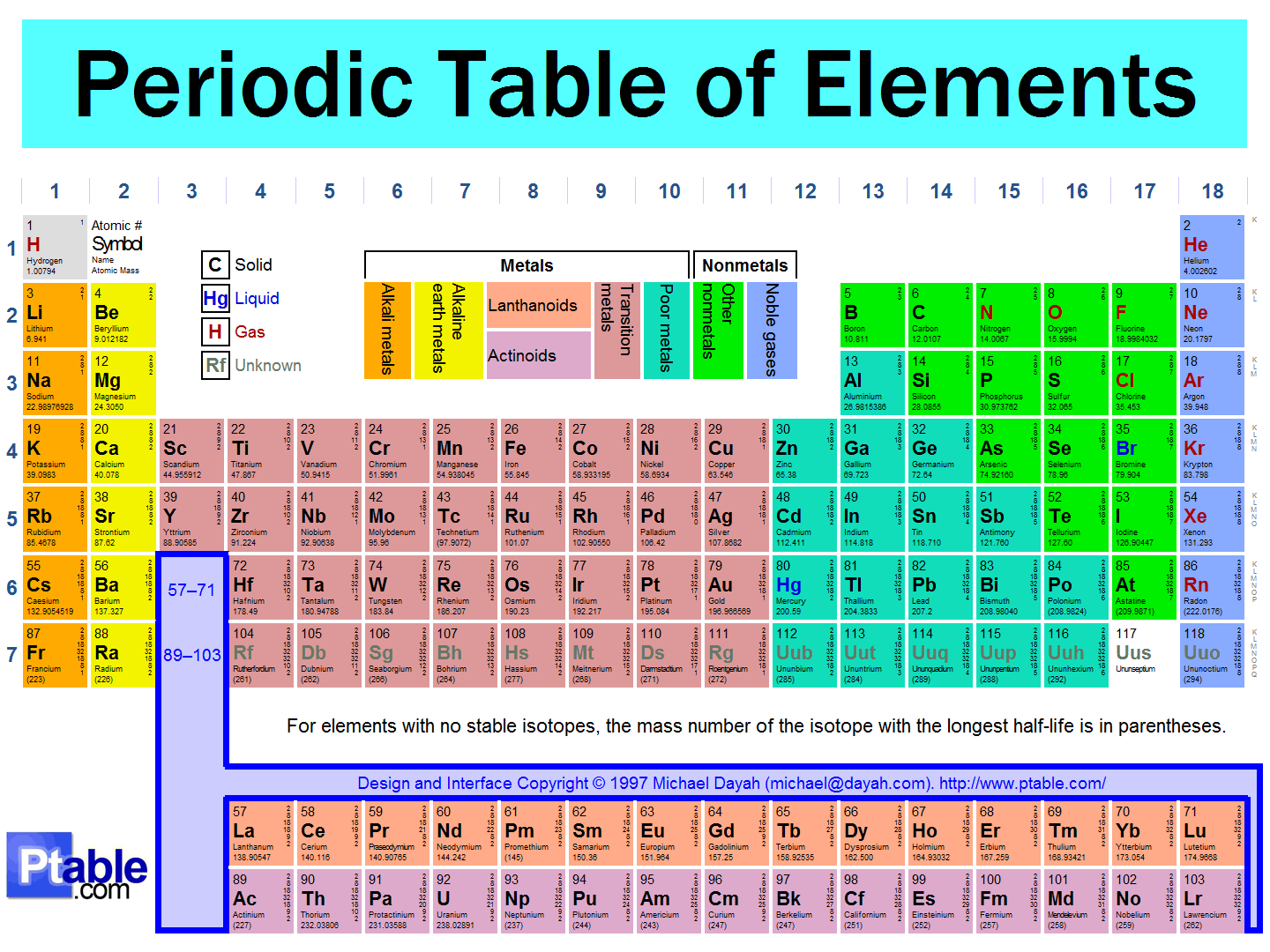
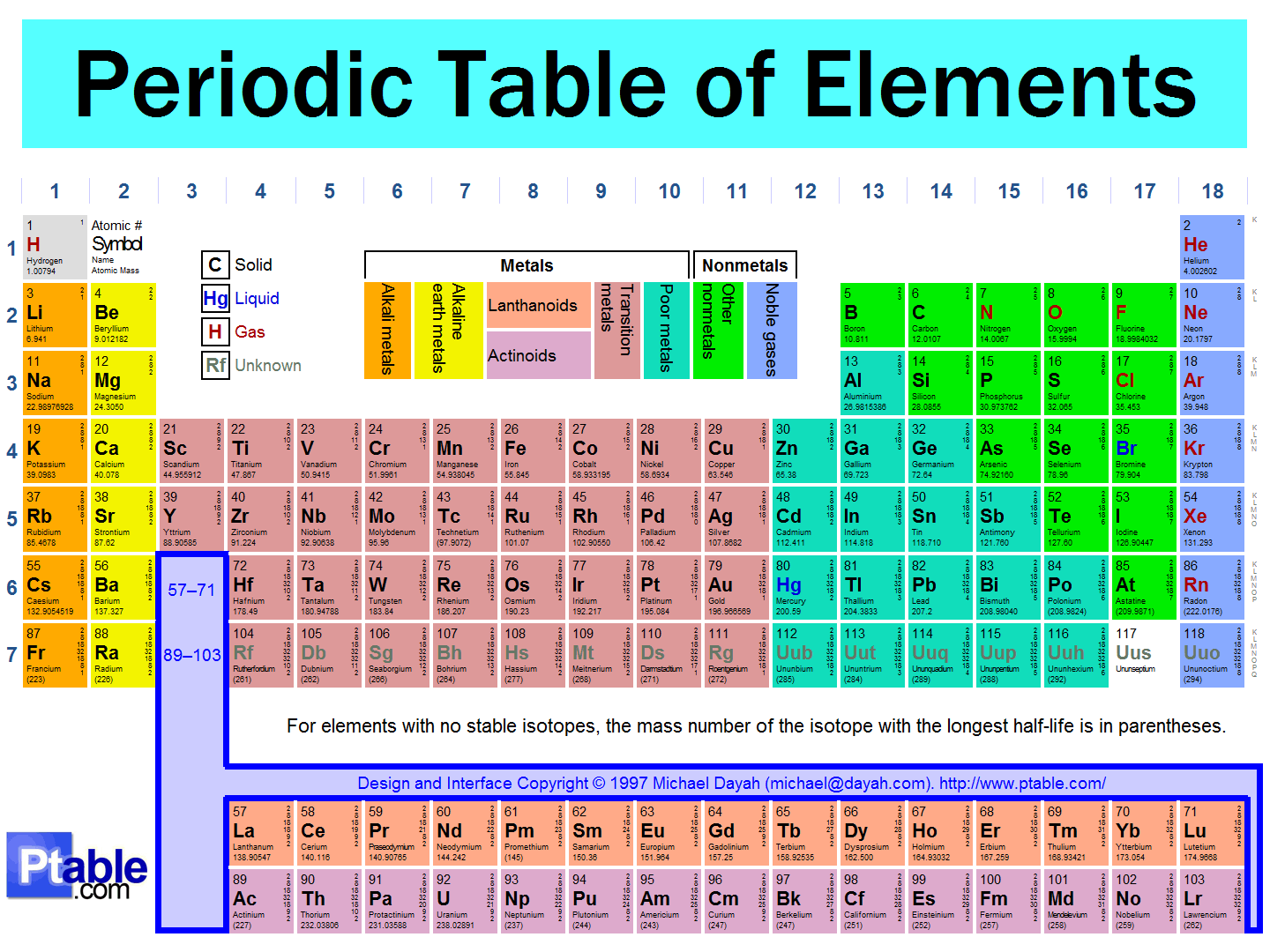
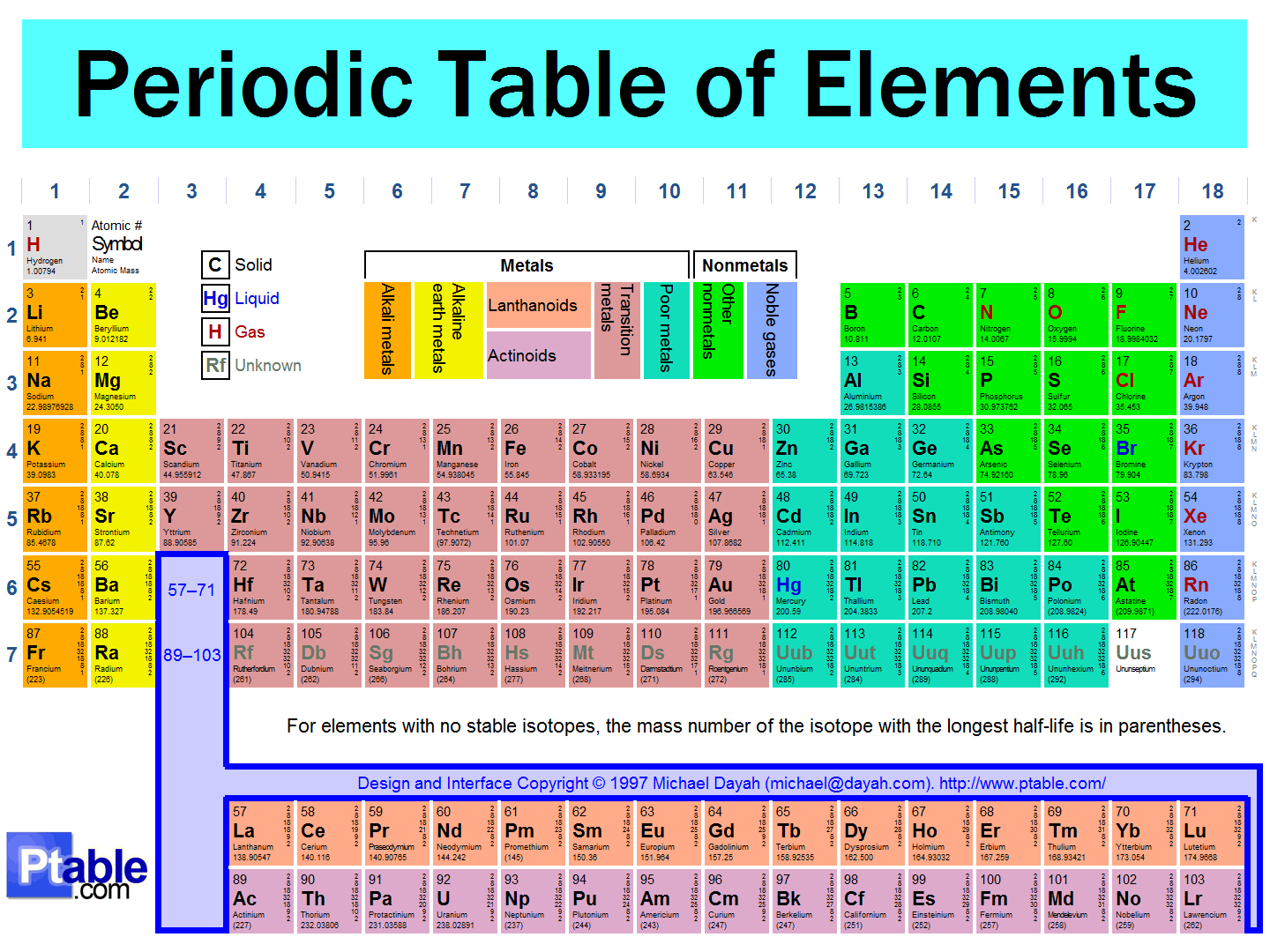
What is titanium's atomic mass?
a)
47.867
b)
22
c)
26
d)
49
3.

Mendeleev arranged the elements by their ________________

a)

alphabetical

b)

density

c)

melting point

d)

atomic mass

4.

The horizontal (going across) rows on the periodic table are called

a)

groups

b)

families

c)

periods

d)

atomic numbers

5.

Each vertical (going up and down) column on the periodic table is called a...

a)

group

b)

tower

c)

period

d)

crew

6.

What is the chemical symbol for Lead?

a)

Le

b)

Fe

c)

Ld

d)

Pb

7.

These elements located on the "stair-step" line are sometimes called "semiconductors."

a)

Metals

b)

Nonmetals

c)

Metalloids

d)

Groups

8.

In the modern periodic table elements are arranged by:

a)

atomic mass

b)

atomic number

c)

valence electrons

d)

number of isotopes

9.
Beryllium is in group number______.
a)
Group 2
b)
Group 3
c)
Group 4
d)
Group 7
10.

The atomic number is the

a)

average mass of the element

b)

number of protons an element has

c)

number of valence electrons an element has

d)

group and period an element belongs to

11.

Which element is a halogen?

a)

Helium

b)

Chlorine

c)

Oxygen

d)

Neptune

12.

Which element is an alkali metal?

a)

Magnesium

b)

Iron

c)

Sodium

d)

Europium

13.

What type of element is Silicon (Si)?

a)

Metal

b)

Nonmetal

c)

Metalloid

14.

What is the name of group 17?

a)

Alkali Metals

b)

Transition Metals

c)

Carbon Group

d)

Halogens

15.

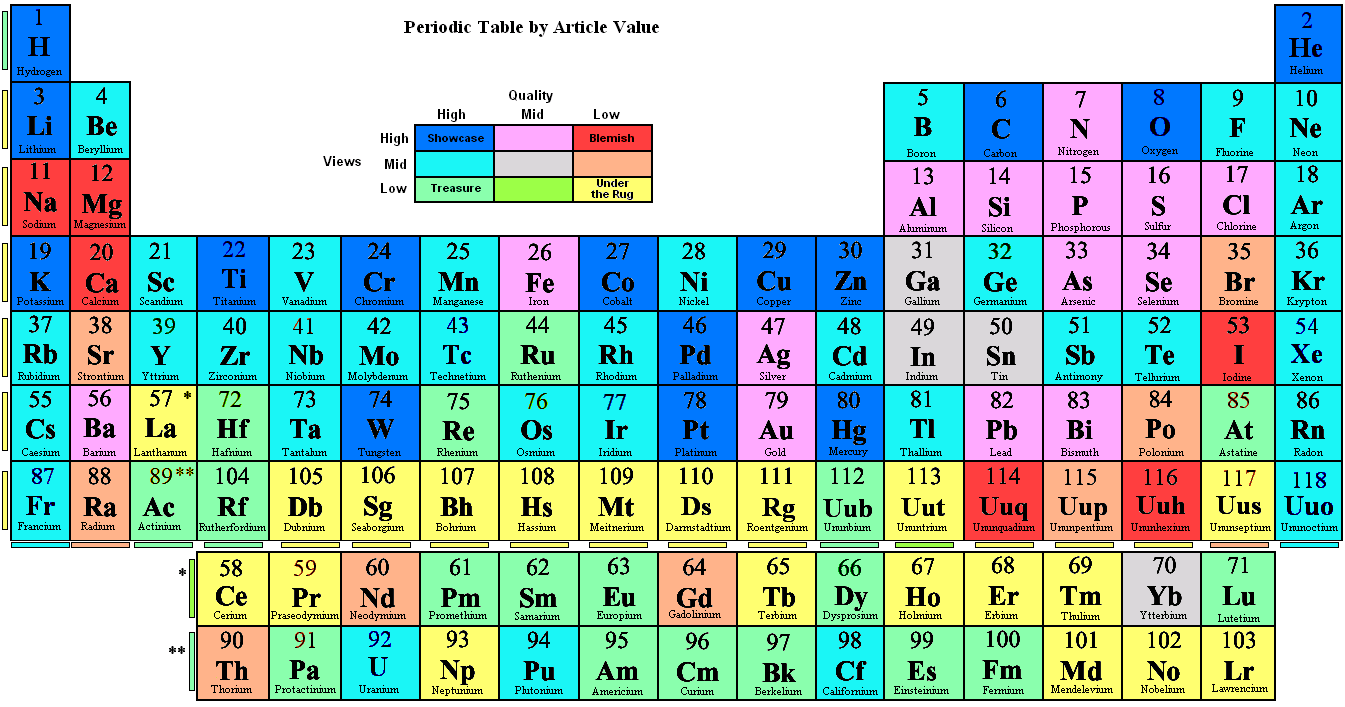
Which color on the image of the periodic table corresponds with the transition metals.

a)

red

b)

black

c)

blue

d)

orange

16.
A proton is....
a)
A negatively charged subatomic particle
b)
A positively charged subatomic particle
c)
A neutrally charged subatomic particle
d)
The only subatomic particle located in the nucleus
17.
A neutron has a charge of
a)
+2
b)
No charge
c)
-1
d)
+1
18.
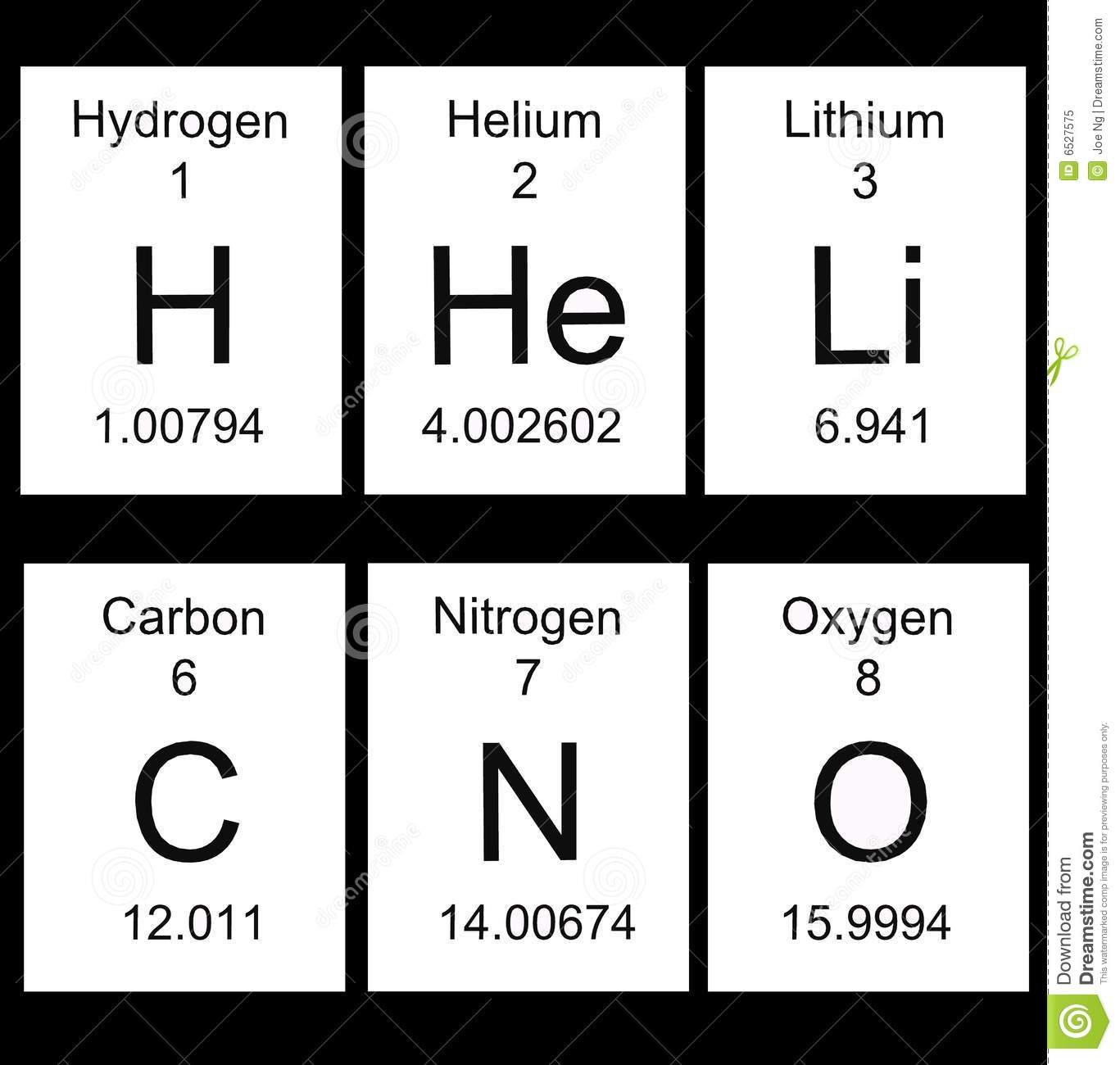
How many neutrons does the isotope of lithium have?
a)
8
b)
3
c)
4
d)
5
19.
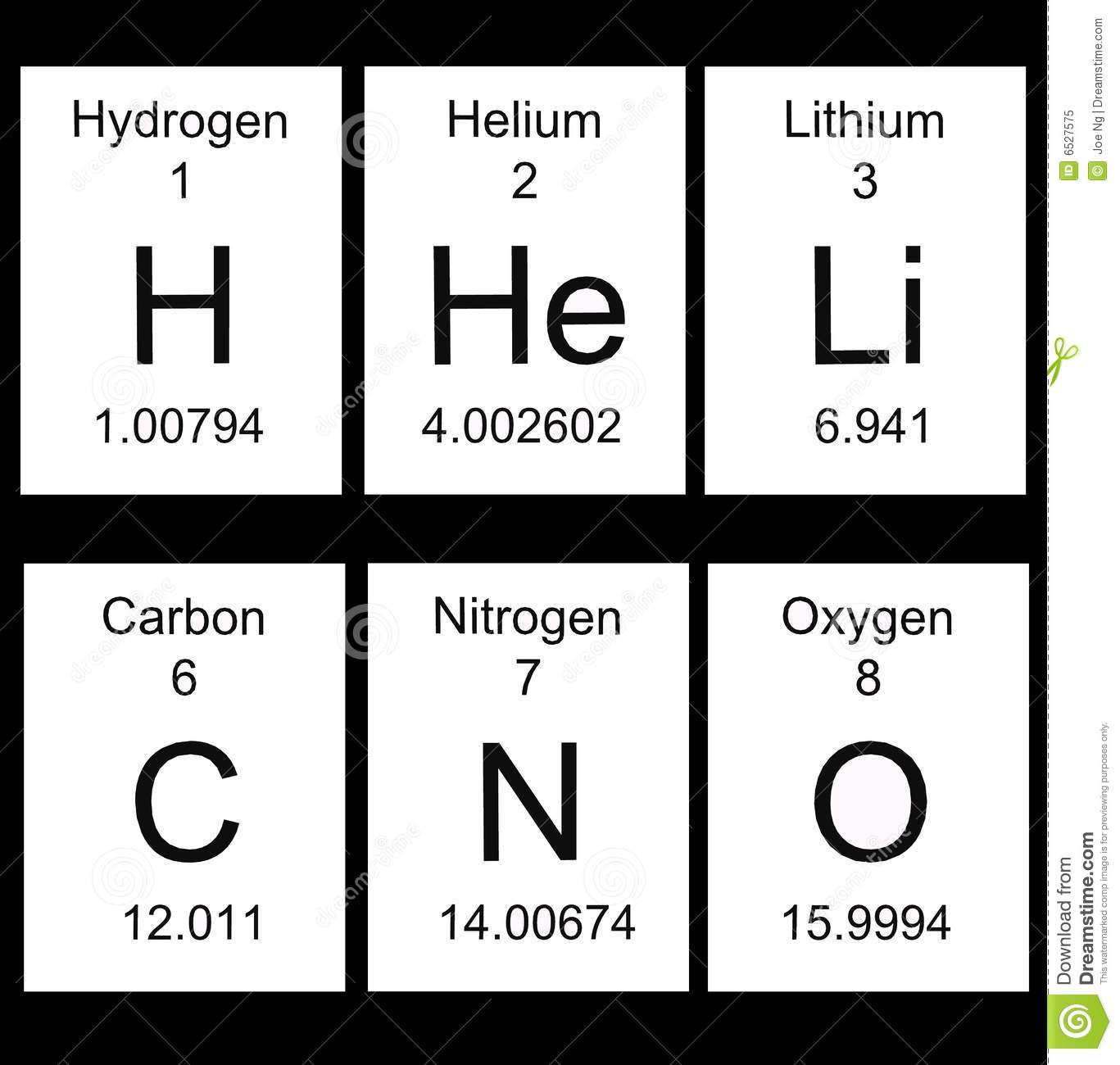
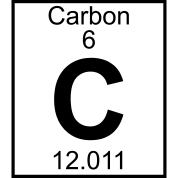
What does the 6 represent?
a)
atomic mass
b)
atomic number
c)
element name
d)
chemical symbol 
20.
In what section would Transition Metals be found?
a)
orange
b)
light blue
c)
blue
d)
white
21.
Which is an alkali metal?
a)
Magnesium
b)
Iron
c)
Sodium
d)
Europium
22.

Beryllium is in group number (a)   .

23.

Fluorine belongs to the group of elements called:

a)

Transition metals

b)

Alkali metals

c)

Halogens

d)

Noble gases

24.

An element in group 6 and period 2 is:

a)

nitrogen

b)

lead

c)

astatine

d)

oxygen

25.

Which one is NOT an alkali metal?

a)

Na

b)

Fr

c)

Rb

d)

Ca

26.

I am usually a good conductor and shiny/lustrous

a)

Metal

b)

Metalloid

c)

Non-metal

27.

All elements can be classified as _______________, _________, or ________________.

a)

protons, neutrons, electrons

b)

metals, non-metals, metalloids

c)

natural, synthetic, man-made

d)

periods, rows, columns

28.
What is the atomic mass of Neon?
a)
10
b)
30
c)
10.18
d)
20.18
29.

What is the formula to solve for the neutron?

a)

Mass number + Atomic Number= Neutrons

b)

Mass number x Atomic Number = Neutrons

c)

Mass number - Atomic Number = Neutrons

d)

Mass number + Number of Protons = Neutron

30.

What category is silicon (Si) a part of?

a)

Metal

b)

Nonmetal

c)

Metalloid

d)

Halogens

31.
Which is an electron?
a)
A
b)
B
c)
C
32.
Which is a proton?
a)
A
b)
B
c)
C
33.
Which is a neutron?
a)
A
b)
B
c)
C
34.
Which item on this element square is the chemical symbol?
a)
Copper
b)
29
c)
Cu
d)
63.546
35.

Metals are located on the

________ side of the

Periodic Table.

a)

ZIG-ZAG

b)

LEFT

c)

RIGHT

d)

BOTTOM

36.

What is the atomic mass of

iron (Fe)?

a)

26

b)

13

c)

55.845

d)

23.423

37.

_______________________ sum of the number of protons and neutrons in the nucleus.

a)

Atomic Number

b)

Mass Number

c)

Group Number

38.
How many neutrons does an Iodine-133 isotope have?
a)
80
b)
133
c)
53
d)
77
39.

What is the mass number of the pictured isotope?

a)

17

b)

35

c)

18

d)

What a "clorious" isotope!

40.
What is the name of the pictured isotope?
a)
Chlorine-Schmorine
b)
Chlorine-17
c)
Chlorine-35
d)
Chlorine-18
41.
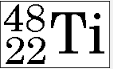
How many protons does this isotope of titanium have?
a)
48
b)
22
c)
26
d)
70
42.

Isotopes of an element have a different number of...

a)

Protons

b)

Neutrons

c)

Electrons

d)

Mass

43.
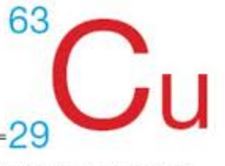
How many electrons does a Copper atom have?
a)
63
b)
29
c)
92
d)
34
44.
An element is defined by its number of 
a)
protons
b)
electrons
c)
neutrons
d)
protons + electrons
45.
In a stable atom the amount of electrons is electron is equal to
a)
neutrons
b)
protons
c)
atomic mass
d)
neutrons + protons
46.
A carbon isotope consists of 6 protons, 6 electrons and 8 neutrons.  What is the mass number for this isotope?
a)
12
b)
14
c)
6
d)
8
47.

What does the mass number of an element represent?

a)

The number of protons in an atom

b)

the number of neutrons in an atom

c)

the number of electrons in an atom

d)

the number of protons and neutrons in an atom

48.
Which elements are found on the right side of The Periodic Table?
a)
Metals
b)
Nonmetals
c)
Metalloids
d)
Water
49.
What does the 6 represent?
a)
atomic mass
b)
atomic number
c)
element name
d)
chemical symbol 
50.

the basic structural unit of matter

a)

atom

b)

matter

c)

element

d)

nucleus

51.
How many protons are in this element?
a)
79
b)
196
c)
117
d)
Cannot be determined
52.

How many electrons does Barium (Ba) have?

a)

13

b)

2

c)

71

d)

56

53.

Group 1 is also known as the ________metals.

a)

Transitional

b)

Alkaline

c)

Alkali

d)

Metalloid

54.

Choose the element that represents a transition metal.

a)

Rb

b)

Sr

c)

Ag

d)

Si

55.
What does the atomic mass tell you? 
a)
Basically,the number of electrons and protons
b)
The number of neutrons
c)
Basically, the number of protons and neutrons
d)
The number of protons.