
 Worksheets
Unit 7- Science Fusion Lessons 1-4
Total questions: 40
Worksheet time: 41mins
A green powder is heated & a gas is given off while it turns to a black solid. This describes
Physical Change
Chemical Change
Change in State
Change in Temperature
The formation of a solid when two liquids combine is called?
Solidification
Freezing
Precipitate
Solubility
What does a chemical change result in?
A change in state of the substance (ex. liquid to solid)
A change in texture of the substance.
A change in the way atoms are bonded to each other.
A change in the appearance of the substance.

Identify what type of change happening in the picture below...
Chemical Change
Physical Change
Endothermic Reaction
Exothermic Reaction
If the chemical properties of a substance remain unchanged & the appearance or shape of an substance changes it is a...
Chemical Change
Physical Change
Both a physical and chemical change.
Neither a physical or chemical change.

The smallest particle into which an element can be divided and still be the same element is a(n)
proton
neutron
electron
atom

Which subatomic particle has a positive charge?
proton
nuetron
electron
atom

Which subatomic particle has a negative charge?
proton
neutron
electron
atom

Which subatomic particle has a neutral (0) charge?
proton
nuetron
electron
atom
What is the smallest piece of matter that still has properties of that matter?
element
atom
proton

What does the 1.00794 stand for?
Hydrogen
atomic number
atomic mass
atomic explosion

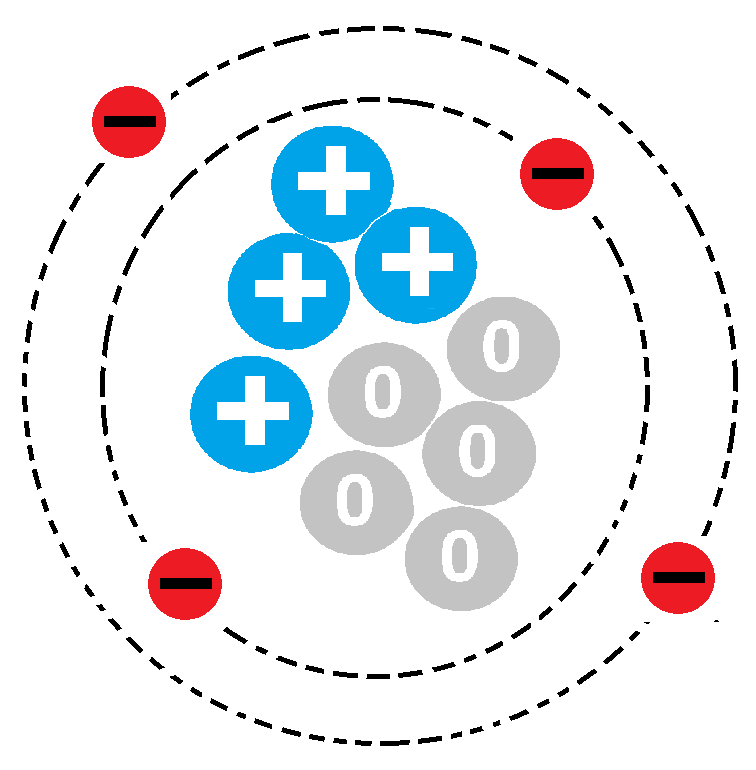


An atomic number of 8 means the atom has ________ protons.
7
8
16
88

What is the mass number for this element?
12
8
7
6

How many electrons are in this element?
39
19
20
21

What is the rounded mass for this element?
8
15
16
17
a collection of atoms of one type that cannot be broken down into simpler substances by ordinary chemical or physical means
element
subatomic particle
electron
matter
In 1869, Dmitri Mendeleev developed the first periodic table, organizing the elements according to atomic weight. When he ordered the elements, he noticed that there were patterns of repeating properties. The modern periodic table sequences elements from left to right by atomic number.
This was the first person to organize a periodic table.
Neils Bohr
Dmitri Mendeleev
Democritus
Ernest Rutherford
The periodic table is a chart that organizes the elements based on their atomic properties. Elements in the periodic table are organized according to the periodic law. The periodic law states that chemical and physical properties of elements are periodic functions of their atomic numbers (the number of protons in the nucleus). As the atomic number of elements increases, different elements display similar characteristics at regular intervals.
Periodic law states that elements are arranged _______________________________________________________________.
in alphabetical order.
from largest to smallest.
as periodic functions of their atomic numbers.
there is no rhyme or reason.
As you move left to right on a row or period what happens?
Atomic number increases by 1
Electrons decrease
Number of shells decrease
Nothing
Family 1 is _____ than Family 18
More reactive
Less reactive
Which family contains all gases?
1
2
7
8
A substance that is formed as the result of a chemical reaction is a __________________
Product
Reactant
Starters
Enders
What does the number 4 represent in 4NH3?
Subscript
Superscript
Coefficient
In an endothermic reaction, energy is _________.
absorbed
released
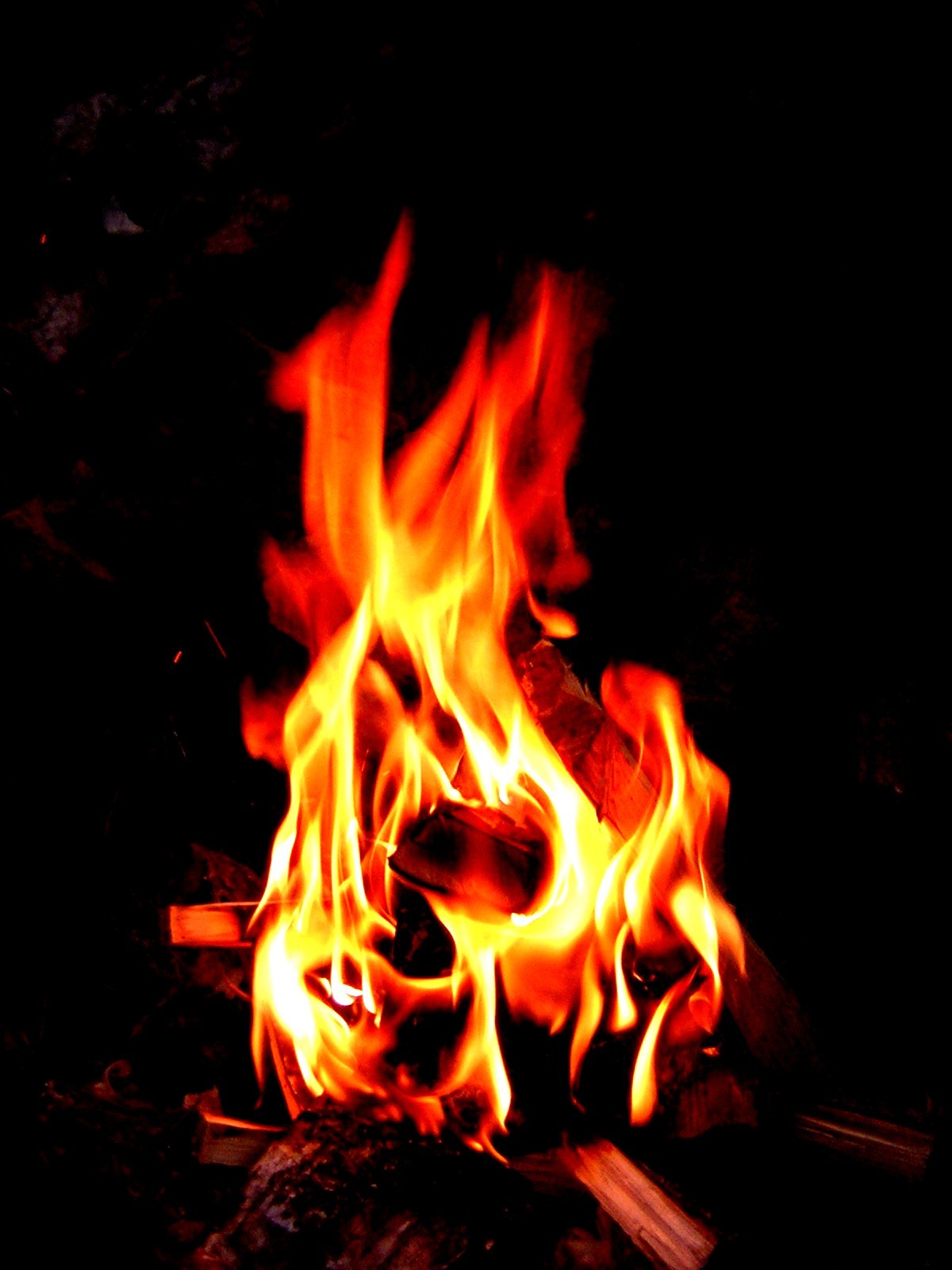
_____ reactions usually feel hot!
endothermic
exothermic
Endo means in or _______.
absorbed
released
Exo means out or ________.
absorbed
released
The ______ are numbers found on the lower right-hand side of an element symbol.
Coefficient
Exponent
Multiplier
Subscript

