
 Worksheets
Chapter 12 Study Guide
Total questions: 103
Worksheet time: 3hrs 35mins

Part of the eye that the functions to capture images formed by the eye lens is ....
cornea
optic nerve
retina
pupil
iris
What is the purpose of the pupil?
Protects your eye
Lets light in
Gives your eye color
Sends messages to your brain

What structure of the eye is this?
Optic Nerve
Retina
Cornea
Iris
What is the pupil of the eye?
the back part of the eye where the image is formed
the front part of the eye that is clear
the black part that light goes through
the colored part
What is the iris of the eye?
the back part of the eye where the image is formed
the front part of the eye that is clear
the black part that light goes through
the colored part of the eye

the colored part of the eye
pupil
iris
cornea-lens
retina
This structure sends images to the brain so we see the image correctly.
Iris
Optic Nerve
Cornea
Lens
This structure is the black, center part of the eye. Light enters the eye here.
Iris
Optic Nerve
Pupil
Lens
This structure is the colored part of the eye.
Pupil
Iris
Retina
Optic Nerve
What is potential energy?
moving energy
stored energy
renewable energy
non renewable energy
What is kinetic energy?
moving energy
potential energy
stored energy
renewable energy
Stretched bow and arrow?
Running?
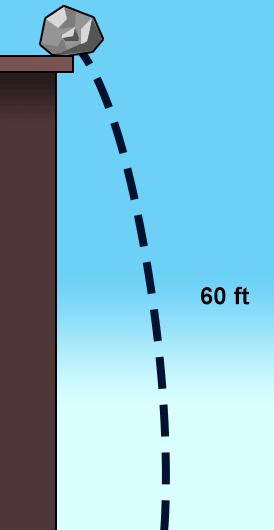
The rock in the picture is pushed over the edge and it begins to fall. Which type of energy conversion is taking place?
mechanical to heat
sound to mechanical
potential to kinetic
kinetic to potential

A ball is projected into the air. Where is potential energy the greatest?


Which point on the roller coaster's path represents the maximum potential energy?


As a roller coaster goes downhill
kinetic energy is converted into potential energy.
potential energy is converted into kinetic energy.
electrical energy is converted into potential energy.
potential energy is converted into electrical energy.
When gasoline is burned in a car engine, ________ energy is converted into _________ energy.
heat, chemical
chemical, potential
mechanical, chemical
chemical, mechanical
What form of energy does a compressed spring have?
heat energy
kinetic energy
chemical energy
potential energy

A drawn bow possesses mechanical energy in the form of _______________. After the arrow is released, the energy is transformed into _________________.
potential energy; mechanical energy
elastic potential energy; kinetic energy
gravitational potential energy; kinetic energy
elastic kinetic energy; mechanical kinetic energy

How would you describe the relationship between the mass of a car and its kinetic energy?
As the mass of a car increases, its kinetic energy increases.
As the mass of a car increases, its kinetic energy decreases.
As the mass of a car decreases, its kinetic energy increases.
There is no clear relationship between mass and kinetic energy.
A pole vaulter runs forward, plants his pole, rises in the air and lands. What point represents his greatest amount of gravitational potential energy?
when he initially lands
as he runs forward to plant the pole
just before he starts to fall to the ground
after take-off as the pole expands and lifts the vaulter toward the bar
Energy stored because of gravity is called:
Gravitational Potential Energy
Kinetic Energy
Mechanical Advantage
Chemical Energy
What is the best description of an opaque material?
no light passes through the material
some light passes through the material
all light passes through the material
What is the best description of a transparent material?
no light passes through the material
some light passes through the material
all light passes through the material
What is the best description of a translucent material?
no light passes through the material
some light passes through the material
all light passes through the material
Which pictures shows a translucent image?
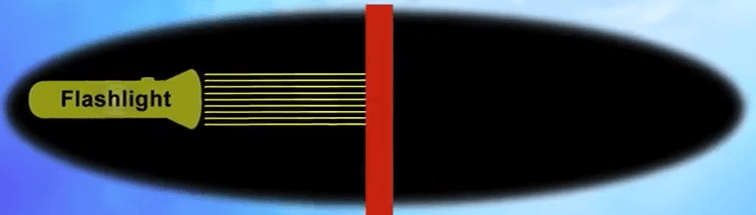
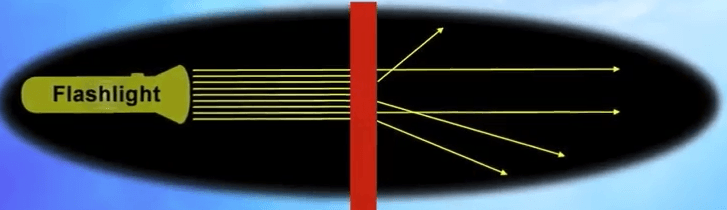
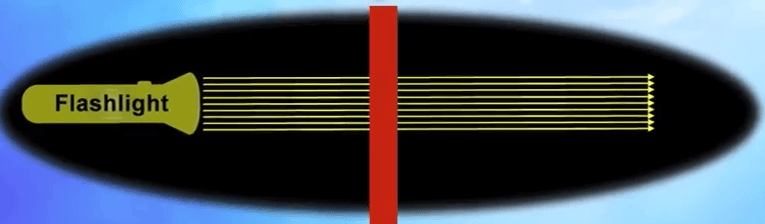
Which pictures shows a transparent image?
Which pictures shows a translucent image?

What type of object is shown in the picture?
opaque
transparent
translucent

What type of object is the glass in the glasses considered?
opaque
transparent
translucent
What type of object is the black rim around the glasses considered?
opaque
transparent
translucent

__________ materials allow light waves to pass through easily.
Opaque
Transparent
Translucent

___________ materials do not allow light waves to pass through.
Opaque
Transparent
Translucent

__________ materials allow some light to partially pass through, but some are reflected.
Opaque
Transparent
Translucent


A stained glass window is ____________.
transparent
translucent
opaque

A lamp shade is ____________.
transparent
translucent
opaque

A window is ________.
transparent
translucent
opaque

A brick wall is ________.
transparent
translucent
opaque

Remember that the objects vary in how they transmit light. Materials like air, water, and clear glass are objects that allow light to travel through them. They are...
Opaque
Translucent
Transparent
Color

Remember that the objects vary in how they transmit light. Some materials like paper and some plastics are objects that allow some light to travel through them. They are...
Opaque
Translucent
Transparent
Color


Sound is a form of energy produced by ______________.
Vibrations
Distances
Prisms
Forces
A place where no sound exists is...
in the air.
under water.
space.
all of the above

A student placed a pencil in a cup of water. The pencil appears broken because light
always travels in a straight line.
bends when it passes through water.
makes the water in the glass evaporate.
reflects the pencil on the water's surface.
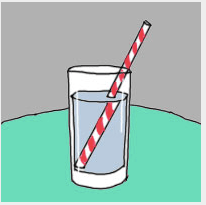
Why does the straw appear to be bent?
light is reflected
light is absorbed
light is turned
light is refracted

What is the best explanation for Mickey seeing himself in the mirror?
refraction
absorbed
reflection
flipped


This is the example of dispersion of light
sky looks bright orange in the evening
shadow
Pool seems shallower
rainbow
Why is the component of color in a rainbow can be seen when light passes through a glass prism?
phenomena of scattering of light
phenomena of dispersion of light
phenomena of reflection of light
phenomena of diffraction of light

Why is the spectrum of light separated into its components of color when white light is directed to a prism?
Because light reflects off the prism's surface
The incident white light refracts and separates into its constituent colors
The white light is absorbed by the prism, separating its colors
The light speeds up as it moves from air into the denser plastic material
Why is the component of colour in a rainbow can be seen when light passes through a glass prism?
phenomena of scattering of light
phenomena of dispersion of light
phenomena of reflection of light
phenomena of diffraction of light
The breaking up of white light into its component .
Based on the statement given, name the process that takes place in the white light.
Dispersion
Reflection
Refraction
Scattering
This is the example of dispersion of light
sky looks bright orange in the evening
shadow
Pool seems shallower
rainbow
A transparent object that bends light into rainbow colors.
prism
mirror
convex lens
concave lens
The substance in the sky which is involved in the formation of rainbow
Air particle
Dust
Raindrop
soot
the movement in sound that allows us to hear
dancing
bouncing
vibration

When matter moves in a back and forth motion, the movement is known as
Pitch
Wave
Vibration
String

Sound does not travel in space because
Space is too far away.
There is no matter in space.
Space is the final frontier
Space has planets.

Sound is a form of?
energy
pitch
volume
How does the light travels?
in parallel
in a straight line
on its own orbit
on its own path

Energy can't be .....
transformed.
made or destroyed.
converted.
harnessed or produced.
The human eye is only capable of seeing which electromagnetic wave?
Infrared Light
Ultraviolet Light
Visible Light
All of the above

