
 Worksheets
March Test 2021 Review
Total questions: 75
Worksheet time: 44mins

What is the function of the round-shaped structure near the center of the cell called the nucleus?
contain genetic material
Control cells activities
Act as the cells "Brain"
Help the cell produce food

What is the function of a bean-shaped structure with FOLDS inside known as the mitochondria?
To act as a "skeleton" for the cell
To carry out photosynthesis
To carry out cellular respiration
To store water and food
What is the function of the oval-shaped structure with pancake-like stacks inside known as the chloroplast and is ONLY found in plant cells?
To give the cell its round shape
To produce food in a plant cell through photosynthesis
To produce food in an animal cell
To help the cell grow and reproduce

What is the function of the vacuole found in both plant and animal cells but much bigger in a plant cell?
To produce energy for the cell
To store water and other nutrients
To store genetic material (DNA)
To support organelles

What is the function of the cell membrane that is like skin in that it surrounds the entire cell?
To allow selected materials to enter/leave the cell
To provide structure for the cell
To give the cell energy
To store genetic material (DNA)

What is the function of the cell wall that is only found in plants?
To allow selected materials to go in and out of the cell
To produce food for a plant cell
To act as a plant cell's "Skeleton"
To act as an animal cell's "Skeleton"

What is the function of the cytoplasm that fills the space inside of the cell?
To provide structure and support for the cell
To allow the cell to move throughout the human body
To absorb light in a plant cell
To act as a jelly-like material to hold organelles in place

Which of the following organelles are found in ONLY a plant cell?
Cell membrane
Cell wall
Mitochondria
Chloroplast

What is the chemical inside a chloroplast that is green in color and traps light in order to perform photosynthesis?
Chromatin
Chromosome
Chlorophyll
Chitin
A woman running in a marathon requires a constant supply of oxygen to her muscles.Which system CARRIES oxygen to muscle tissue?
nervous system
respiratory system
circulatory system
integumentary
As part of the skeletal system, bones do all of the following EXCEPT-
protect organs
store calcium
make nerve cells
make blood

What system is represented?
circulatory system
muscular system
respiratory system
integumentary

Which system provides shape and support, enables you to move, protects your internal organs, and stores minerals and MAKES BLOOD?
skeletal
muscular
digestive
nervous

What system helps DELIVER nutrients, oxygen and needed material to all of your body cells?
Circulatory
Respiratory
Digestion
Excretory

What is the main function of this system?
Gets rid of carbon dioxide waste
Produces movement
Protects your body from infections, regulates body temperature
It gathers information and responds to the information
Which system includes the nose, trachea and the lungs?
Excretory
Respiratory
Circulatory
Muscular
Which body system transports oxygen and nutrients through out the body?
Muscular
Nervous
Digestive
Circulatory
What type of energy transformation occurs when a hawk eats a mouse and then uses that energy to fly?
chemical to mechanical
mechanical to chemical
thermal to mechanical
mechanical to thermal

The passing of genetic instructions/traits from parent to offspring is know as-
heredity
genetics
genes
alleles

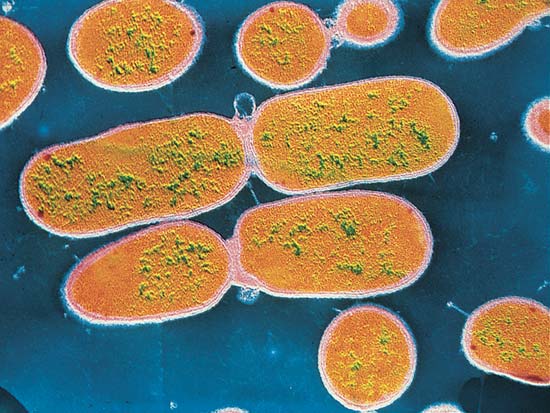

What is the main function or job of the organ system displayed?
To store food until it is absorbed into the lungs
To convert and breakdown food into nutrients and energy to be absorbed into the circulatory system
To provide the body with structure
TO eliminate liquid waste

What is one function of the nervous system?
The nervous system transports blood to the muscles.
The nervous system provides support for the muscles.
The nervous system supplies food and oxygen to the muscles.
The nervous system sends electrical signals to the muscles to cause movement.
Which body system provides movement?
muscular
skeletal
circulatory
excretory

The Excretory system does which of the following?
Fights disease by recognizing and attacking antigens such as bacteria and viruses by producing antibodies
Transports needed materials such as oxygen and nutrients to cells and carries away wastes such as carbon dioxide
Removes wastes from body
Protects organs, stores materials, allows movement and forms blood cells
What system eliminates non solid waste from the body?
Integumentary
Digestive
Excretory
Respiratory
Which system includes the kidneys, ureters, urinary bladder, urethra?
Digestive
Muscular
Excretory
Nervous

The system that controls long term body functions like your body's growth and responses is the __________
immune system
excretory system
endocrine system
integumentary system

This system secretes chemical messages (hormones) to different parts of the body.
excretory
endocrine
digestive
immune
Enzymes breaking down an apple into smaller pieces.
chemical change
physical change
Esophagus contracting to move food to the stomach?
Chemical change
physical change
Water being absorbed in the large intestine?
chemical change
physical change

Enzymes, secretions, and converting into other substances are examples of:
physical/mechanical digestion
chemical digestion

Which of the following is the smallest unit of life that can carry out all life functions?
the mitochondria
the vacuoles
the nucleus
the cell
Which of the following is NOT part of the cell theory?
cells must contain DNA enclosed
all living things are made from cells
cells can only come from other cells
cells are the basic unit of life

During this process, cells use O2 and glucose to release energy. CO2 is a waste product.
Cellular Respiration
Respiration
Peristalsis
Chemical Digestion

What parts of the chromosomes code for traits?
Genes
Deoxyribonucleic Acid
Chromosomes
Nucleus
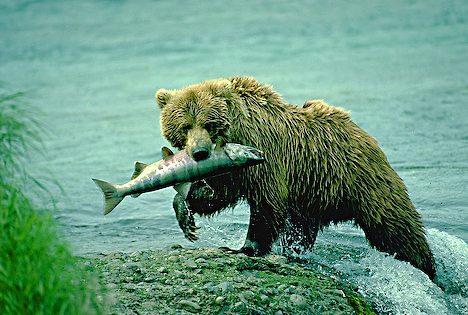
A grizzly bear survives because he is well-adapted to his environment. When he reproduces he passes on those traits to his offspring. this process is called
Natural Selection
Selective Breeding
Random mutations
Variations in a species
Why might it be helpful for a species to have a lot of variations?
They can't be seen by predators
If the environment changes, they might be better able to adapt
It is helpful in asexual reproduction
They don't recognize each other

The purpose of selective breeding is to
Get bigger animals and plants
Get smaller animals and plants
Create animals and plants with desirable traits
Create animals and plants with bad traits

If a farmer wants a cow with a lot of muscle. What would he need to do to improve chances of having a cow with a lot of muscle?
breed two cows that produce a lot of milk
breed two cows.
breed a female cow with a lot of muscle and a male cow with a lot of muscle.
breed the biggest cow and the smallest bull
Biodiversity, aka biological diversity, usually refers to
the same species in a general location
the number of different species in a given area
the number of animal species in a given area
the number of plant species in a given area
Which of the following describes the importance of biodiversity to an ecosystem?
a. People like to be able to see all the different plants and animals
b. If there are many different species, there will be resources that are not being used
c. Biodiversity is not as important as many people think
d. Biodiversity can help minimize the effects of losing a species.
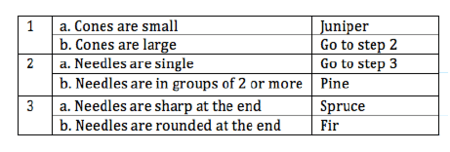


Which leaf is shown in the drawing?
Magnolia
Redbud
Sweetgum
None of the above

When humans select traits that they want in an animal and only mate animals with that trait, this is an example of what?
Natural Selection
Evolution
Variation
Selective Breeding

What is true about sustainability?
Having a small number of species increases biodiversity
Sustainability is how organisms change over time
Sustainability is how much rainfall and sunlight an ecosystem receives
The more different types of species you have (biodiversity) the better an ecosystem can sustain itself

When biodiversity decreases
Sustainability also decreases
Sustainability remains the same
Sustainability increases
Sustainability is not impacted
Which of the following is NOT a compound leaf?


Which of the following is a simple leaf? Check all that apply.


Which leaf has lobes?


A change in matter in which no new substances are formed is a
Chemical Change
Physical Change

Question
From smallest to largest how would genetic information be organized?
genes, cell, nucleus, chromosome, DNA
chromosome, cell, gene, DNA, nucleus
DNA, gene, chromosome, nucleus, cell
nucleus, cell, gene, DNA, chromosome
What is the correct energy chain from the sun to grass to cow?
light and thermal => chemical => chemical
light => heat => mechanical => chemical
light => thermal => mechanical
nuclear => chemical => potential

