
 Worksheets
Circulatory System
Total questions: 60
Worksheet time: 33mins
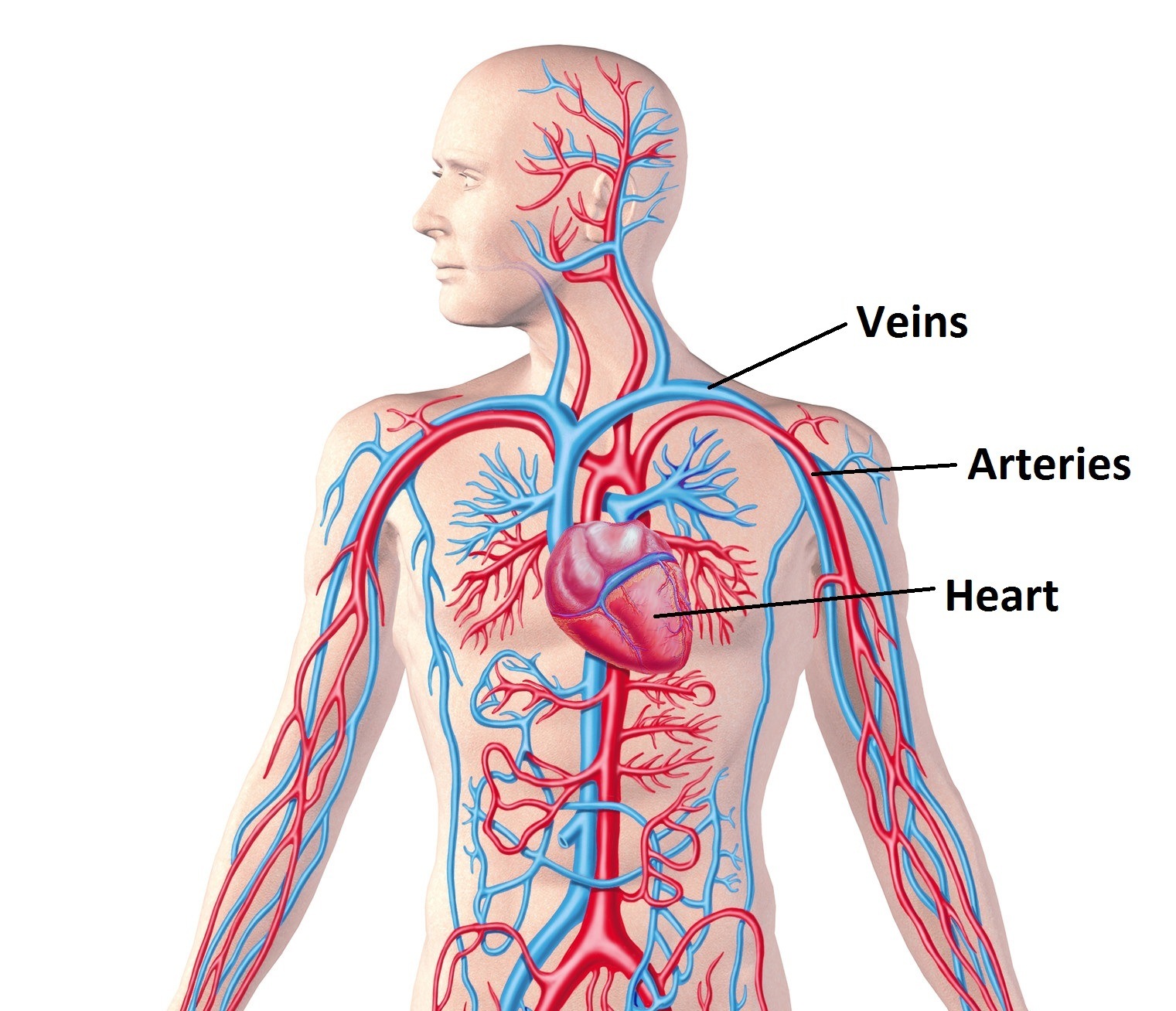
Which system allows blood to circulate throughout the body to transport oxygen and nutrients to all the cells and tissues?
Nervous
Respiratory
Circulatory
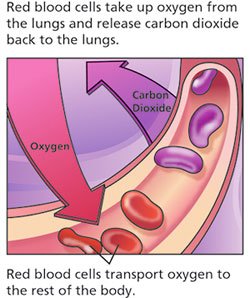
These cells, in the blood, carry oxygen and give the blood its color.
white blood cells
plasma
platelets
red blood cells
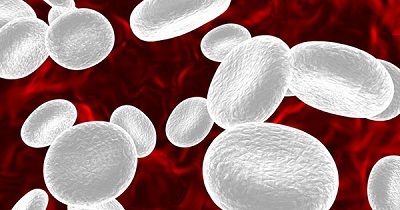
The cells in the blood that help fight germs like bacteria and viruses
red blood cells
platelets
white blood cells
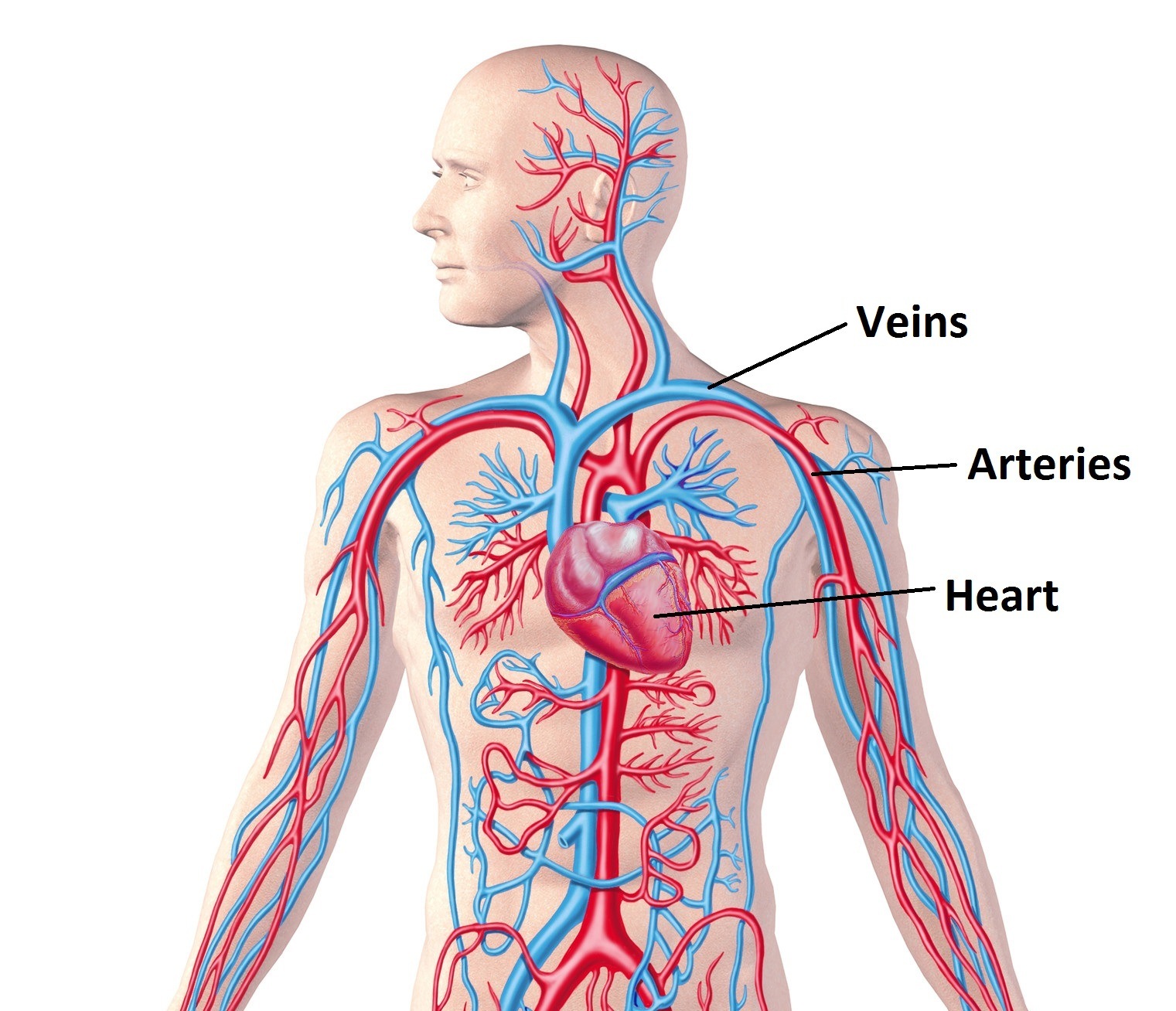
The circulatory system works with the __________ system to obtain energy from nutrients that we eat.
respiratory
digestive
skeletal
nervous
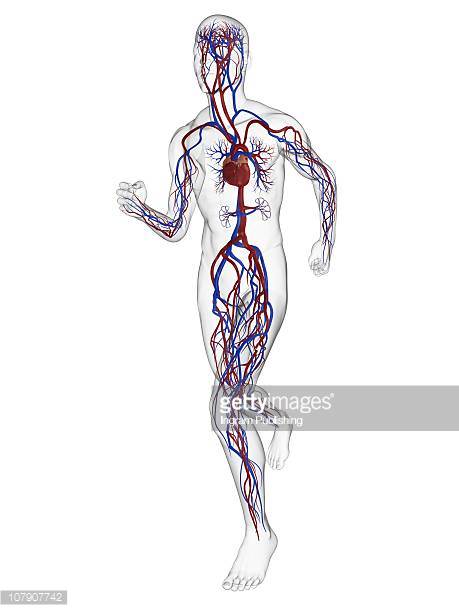
What is the main organ of the circulatory system?
small intestine
bone
lungs
heart
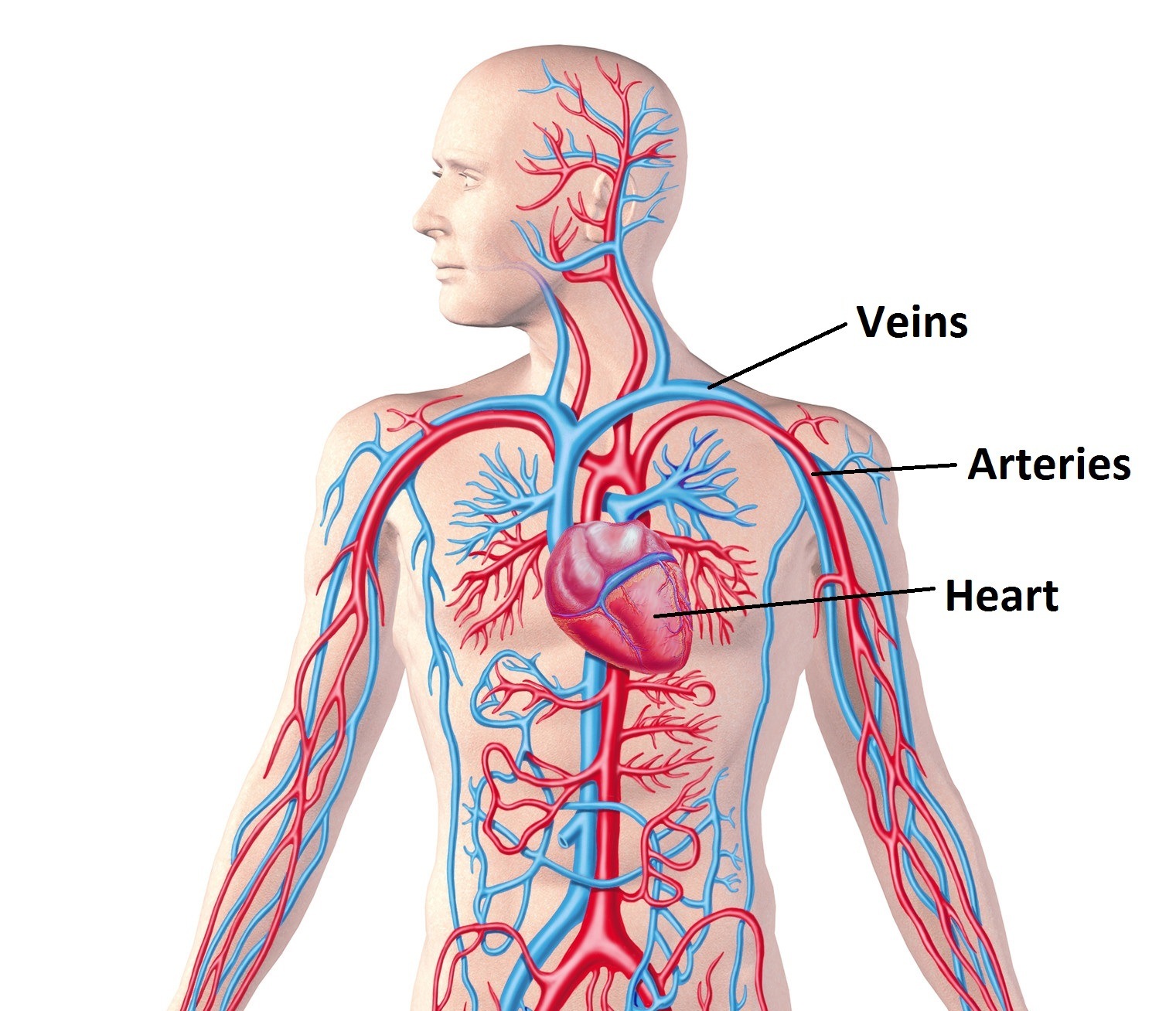
The circulatory system works with the ___________ system to provide our body with oxygen.
respiratory
digestive
muscular
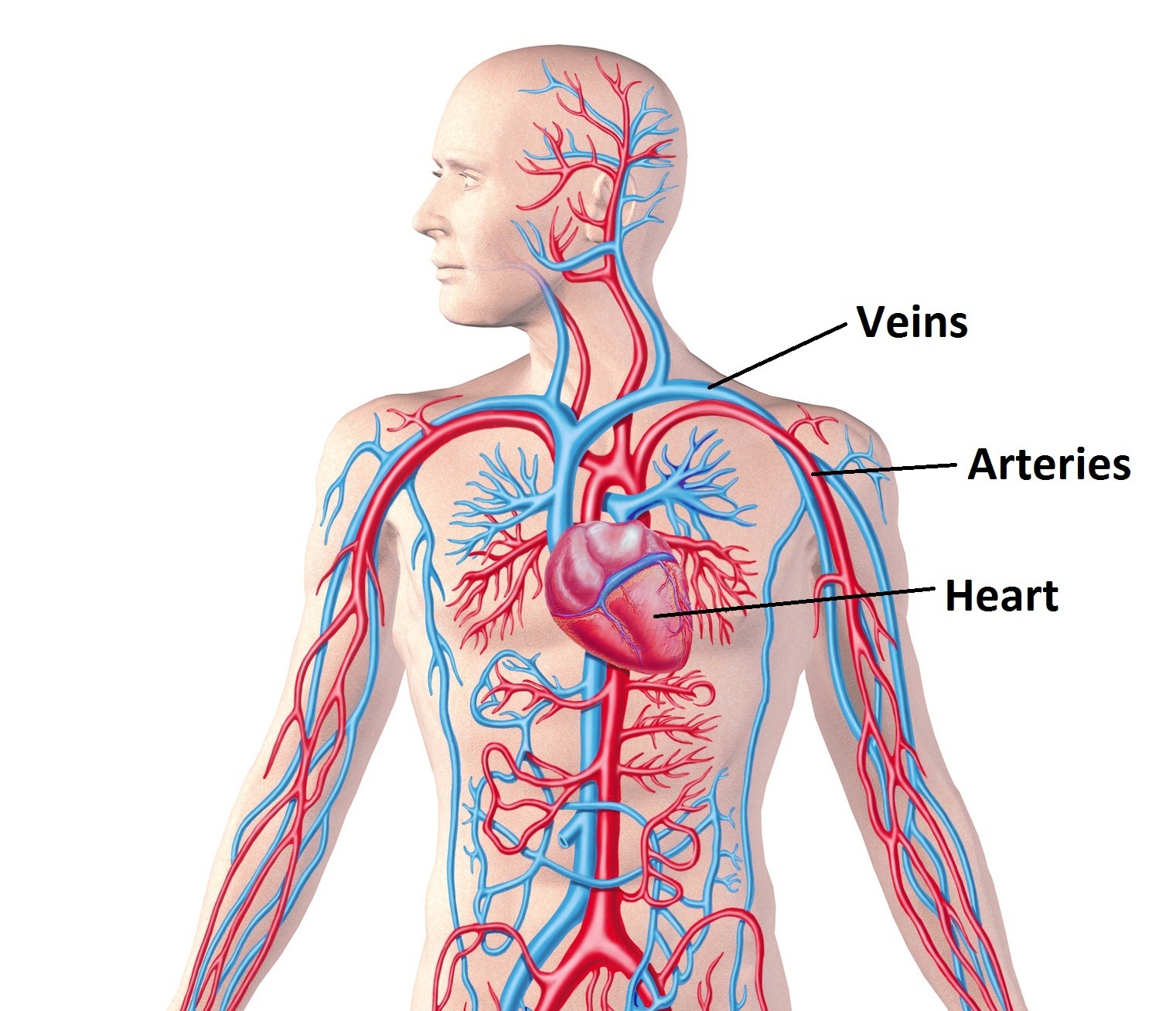
What is the circulatory system made up of?
Lungs, blood, blood vessels
Liver, kidneys, and stomach
Heart, Blood Vessels, and Blood
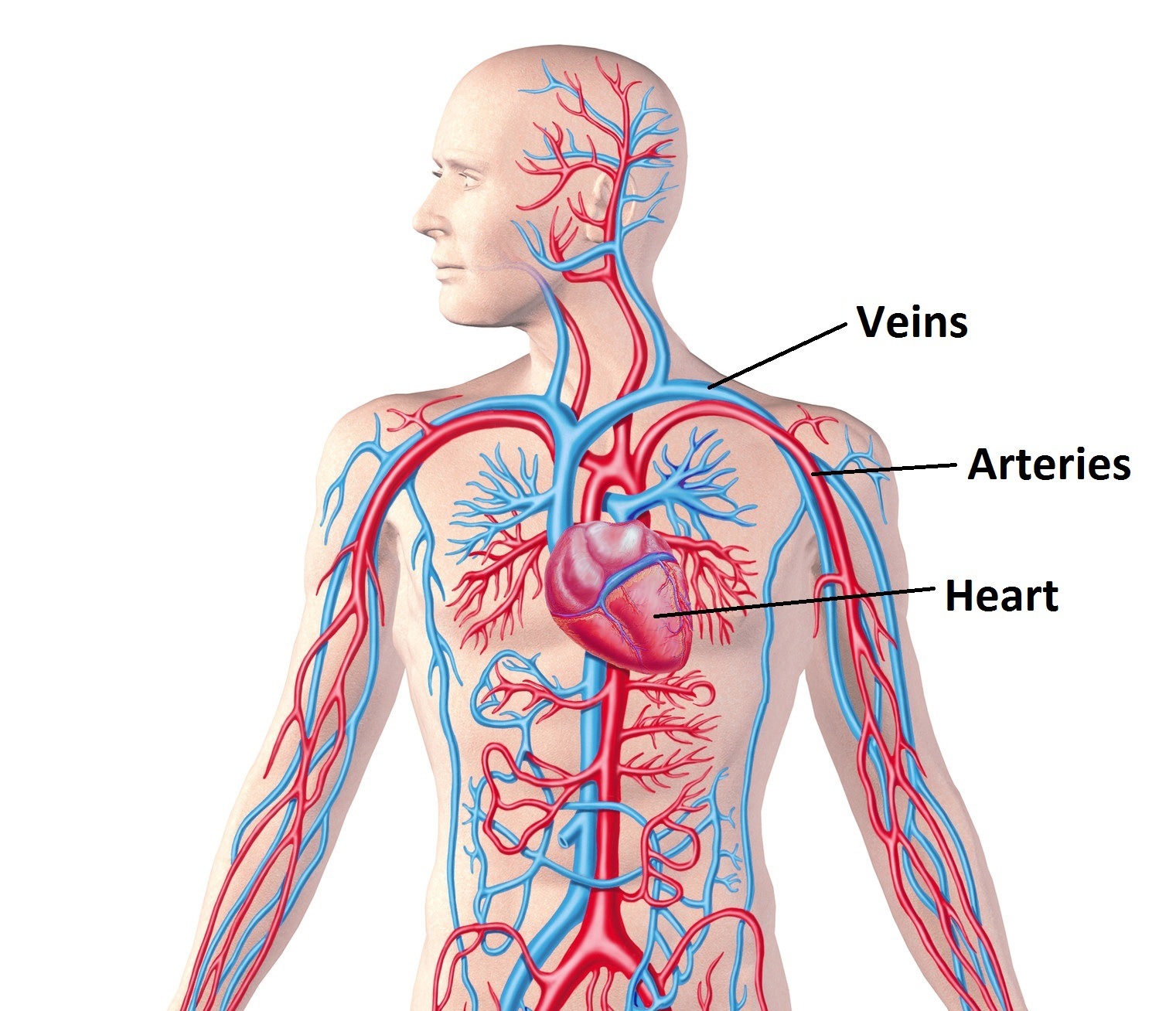
Which of the following does blood help transport throughout the body?
undigested food
Nutrients
Gases (oxygen and carbon dioxide)
hormones like adrenaline

Choose the 3 TRUE statements about the circulatory system
The circulatory system and the respiratory system work together to deliver oxygen to all of the cells and tissues in the body.
The circulatory system and the respiratory system work together to remove CO2 and other waste products from cells and tissues in the body.
The circulatory system, respiratory system, and excretory system all work together to remove waste products from the body.
The circulatory system is a special system that does not work with other systems of the body.
The type of blood vessel that normally carries de-oxygenated blood back to the heart from body cells?
arteries
capillaries
veins
The type of blood vessel that normally carries oxygenated blood from the heart to the body cells?
arteries
capillaries
veins
The type of blood vessel where exchange of gases, nutrients, and wastes occurs?
arteries
capillaries
veins

Name part N.
Right atrium
left atrium
right ventricle
left ventricle

Name part I.
pericardium
mediastinum
septum
unknownum

Name part A.
Pulmonary artery
Pulmonary vein
Superior vena cava
Aorta
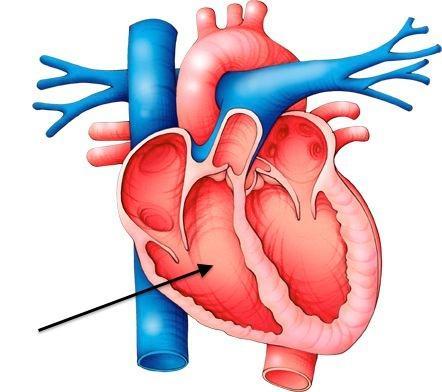
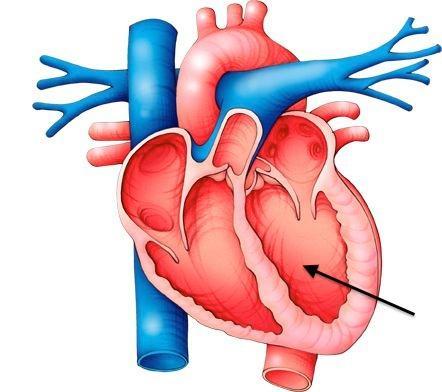
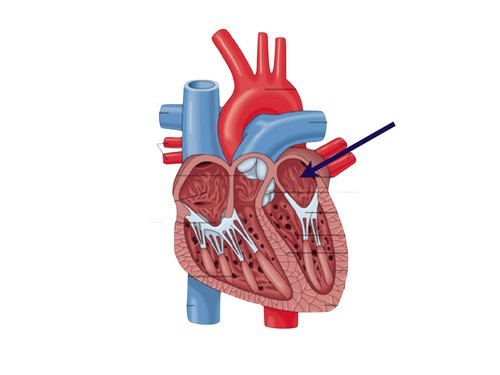
This chamber of the heart RECEIVES oxygen rich blood back from the lungs
Right Atrium
Left Atrium
Right Ventricle
Left Ventricle
This chamber of the heart pumps the blood from the heart to the lungs through the pulmonary artery
Right Atrium
Left Atrium
Right Ventricle
Left Ventricle
This chamber of the heart pumps the blood back out to the body cells through the Aorta
Right Atrium
Left Atrium
Right Ventricle
Left Ventricle
What makes up around 55% of the blood?
Plasma
Red Blood Cells
White Blood Cells
Platelets
Which of the following is NOT a type of blood vessel?
Artery
Capillary
Vein
Ventricle
What is the function (job) of the platelets?
To form clots (i.e. scabs) when you have cuts and grazes.
To transport oxygen to the muscles
To carry dissolved sugars.
To produce antibodies
What is the function (job) of the plasma?
To release antibodies to fight infections.
To transport oxygen around the body.
To carry dissolved nutrients and sugars.
To transport oxygen around the body.
What is the function (job) of the red blood cells?
To transport oxygen around the body and to the muscles.
To release antibodies to fight infections.
To carry dissolved nutrients and sugars.
To clot and form scabs if there is a wound on the body.
Which blood vessels take blood TO the heart?
Veins
Arteries
Capillaries
Which blood vessels take blood AWAY from the heart?
Veins
Arteries
Capillaries

What is blood made of?
oxygen and plasma
red blood cells and white blood cells
plasma, red blood cells, white blood cells, and platelets.
plasma and platelets

What is plasma?
only white blood cells
only red blood cells
fluid part of blood
hemoglobin
Which is not a job of the respiratory system?
taking in oxygen
taking in carbon dioxide
moisten air
absorbing glucose from food
What is oxygen needed for?
make ATP energy
to make glucose
to take in sunlight
none of the above
Which one accurately describes the difference between respiration and cell respiration?
respiration produces glucose while cell respiration does not
cell respiration is a process in cells where energy is made, while respiration is breathing
respiration occurs in cells while cell respiration produces glucose
none of the above
What does the respiratory system release?
oxygen
glucose
carbon dioxide
ATP
What does the digestive system do?
brings in oxygen
gets rid of carbon dioxide
absorbs glucose from food
none of the above
Which is not a job of the nose?
warm air
moisten air
traps particles like dust and bacteria
bring in carbon dioxide
Tiny hairs that move particles in the nose are called
mucus
vocal cords
cilia
flagella
After the nose, air passes into the
larynx
pharynx
bronchi
bronchioles
Where does air go after the pharynx during inhalation?
nose
trachea
bronchi
alveoli
Which system shares the pharynx with the respiratory system?
circulatory
digestive
excretory
skeletal
The "windpipe" is known as the
alveoli
esophagus
trachea
bronchi
When you exhale, air goes out of the trachea to the
bronchi
alveoli
pharynx
esophagus
A small flap of tissue that covers the trachea is called the
bronchi
larynx
pharynx
epiglottis
Where would you find cilia?
nose and alveoli
bronchioles and mouth
trachea and nose
all of the above
Where is carbon dioxide and oxygen exchanged at capillaries?
trachea
larynx
alveoli
bronchi
When you exhale, the diaphragm
moves upwards
moves downwards
flattens
none of the above
Which is known as the voice box?
pharynx
larynx
trachea
bronchi

What is labeled F?
bronchioles
trachea
bronchi
diaphragm

What is labeled at E?
bronchi
trachea
pharynx
none of the above
Another name for the throat is called the:
Nasopharynx
Pharynx
Larynx

