
 Worksheets
IB Bio- Gene Regulation and Linked Genes
Total questions: 87
Worksheet time: 48mins
In the lac operon model the genes within the operon will be expressed if:
lactose is absent in the cell
glucose is present in the cell
lactose is present in the cell
tryptophan is present in the cell
tryptophan is absent in the cell
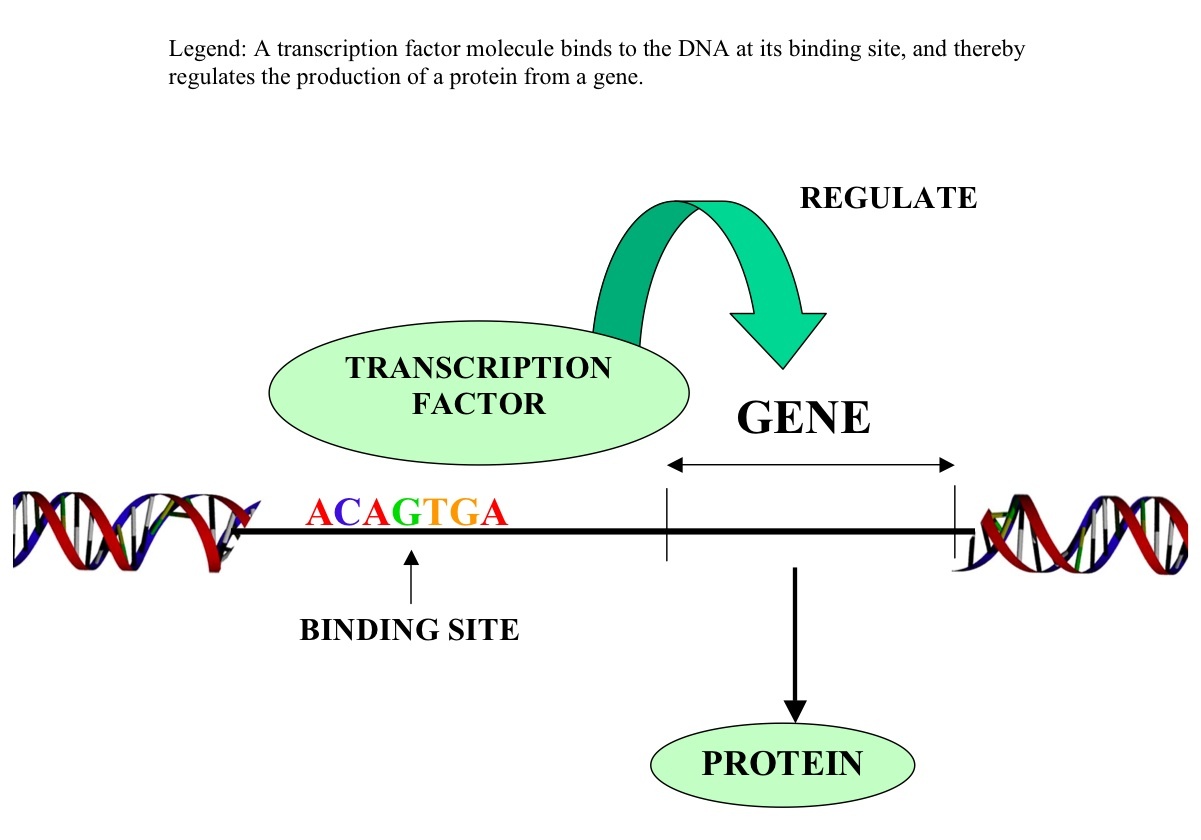
What is the name given to part of a DNA molecule that codes for a protein?
Glucose
Chromosome
Gene
Phosphate
Intron
An operon consists of all the the following EXCEPT
operator
promoter
regulatory gene
structural genes
repressor
The repressor is the protein product of a(n)
operator
regulatory gene
lac gene
corepressor
structural gene
The tryptophan operon is
permanently turned on.
turned on when tryptophan is present in the growth medium.
turned off only when glucose is present in the growth medium.
turned off when tryptophan is added to the growth medium.
The lac operon is referred to as a(n) __________ operon.
inducible
repressible
audible
inaudible
All of the following are true about DNA methylation EXCEPT
may take place on the DNA
enzymes add a methyl group
when it occurs, transcription is more likely to occur
chromatin becomes more tightly packed
In eukaryotes, a cluster of proteins that assemble on the promoter is called the
transcription initiation complex
control element
activator
signal recognition protein
ribozyme
All the genes in both a prokaryotic cell and a eukaryotic cell are expressed at the same time.
True
False
Prokaryotes regulate gene expression primarily
in order to maintain homeostasis
in response to changing environmental conditions
during development as cells specialize
Prokaryotes do not regulate gene expression. All genes are always on.
In order for a gene to be expressed, ___ must bind to the gene's ___, a specific sequence of nucleotides at one end of the gene, thus initiating transcription.
DNA polymerase, promotor
DNA polymerase, operator
RNA polymerase, promotor
RNA polymerase, operator
An operon is
a genetic on/off switch in prokaryotes
a genetic on/off switch in eukaryotes
a group of related genes and the associated gene switches in prokaryotes
a group of related genes and the associated gene switches in eukaryotes
Genes can be shut off (not expressed) when a ___ binds to the ____. Check all that apply
activator, operator
repressor, operator
corepressor, operator
repressor, promotor
repressor, silencer
Which of the following is/are similarities between prokaryotic and eukaryotic gene expression?
both use proteins to interact with the DNA to control gene expression
both have histones complexed with their DNA
both separate the processes of transcription and translation spatially
all of the above
___ are DNA sequences which are often located far from the genes (usually upstream) they regulate in eukaryotes where transcription activators can bind.
histones
promotors
enhancers
silencers
operators
Which of the following help to turn genes on so that they are expressed (transcribed and translated)?
a high level of condensation (coiling around histones)
histone acetylation
DNA methylation
histone methylation
Alternative RNA splicing involves
removing introns and splicing the same exons together
removing exons and splicing the same introns together
removing introns and splicing different exons together
removing exons and splicing different introns together

which process is shown?
replication
respiration
transcription
translation
Which of the following is the template for the production of RNA within a cell?
DNA
protein
rRNA
carbohydrate
The DNA sequence ATCAGCGCTGGC is part of a gene. How many amino acids are coded for by this message?
4
8
12
20
Genetic information in a cell flows in one direction. Which best represents this flow?
DNA-protein-RNA
Protein-RNA-DNA
RNA-protein-DNA
DNA-RNA-protein

The main function of tRNA is to...
carry a message that, when translated, forms proteins
form a portion of ribosomes
string together complementary RNA and DNA strands
bring amino acids from the cytosol to the ribosomes
Which of the following is the site of transcription in Eukaryotes?
vacuole
cytoplasm
nucleus
ribosome
Which of the following enzymes catalyzes unzipping of DNA and the linkage together of RNA nucleotides to form mRNA?
DNA polymerase III
helicase
ribozyme
RNA Polymerase
DNA Polymerase I
Which of the following is required for translation to occur?
energy
ribosomes
tRNA
all of these
Which of the following occurs when RNA polymerase attaches to promoter DNA?
elongation of mRNA
termination of mRNA
initiation of a protein
initiation of mRNA
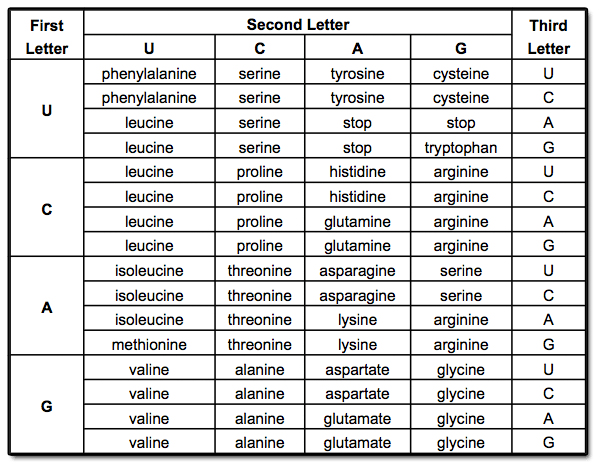
What amino acid is represented by the codon UUA?
Phenylalanine
Tyrosine
Leucine
Stop codon

What is the purpose of strand "A"?
For DNA replication
To make more DNA
To serve as a template for the synthesis of mRNA
To carry the genetic information to the cytoplasm
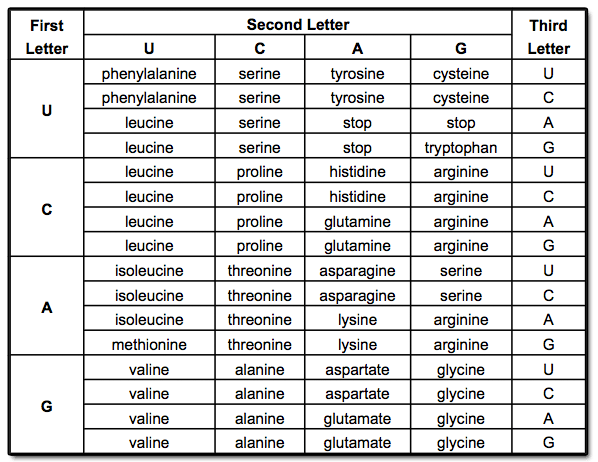
How many codons equals 1 amino acid?
1
2
3
4
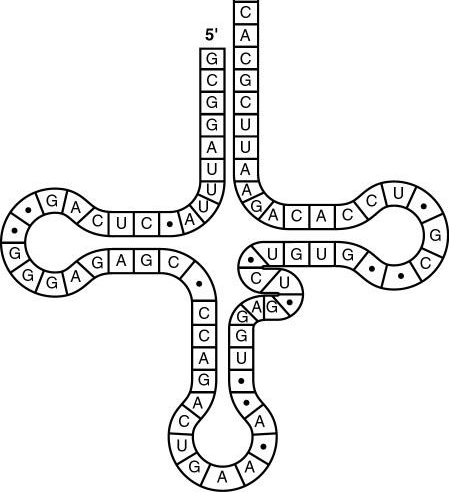
On which molecule can an anticodon be found?
mRNA
DNA
tRNA
rRNA

A polypeptide is a sequence of ____________________ held together by ______________ bonds.
amino acids; peptide
fatty acids; ionic
proteins; hydrogen
fatty acids; covalent
How do you know when to STOP translating a strand of mRNA?
look for AUG codon
stop at the end of the strand
look for TATA box
look for stop UAA or other stop codon
Which of the following best describes the significance of the TATA box in eukaryotic promoters?
it is the recognition site for RNA Polymerase
it sets the reading frame of the mRNA
it is the recognition site for ribosomal binding
it signals the end of the nucleotide sequence of the gene
What is a function of the poly-A tail in mRNA?
to add modified guanine to the 3' end of the mRNA
to indicate the site of translational termination
to code for the binding of RNA polymerase to the DNA
to help protect the mRNA from degradation by hydrolytic enzymes

On a DNA strand, where is the promotor located?
at the 3'end of the sense strand
upstream to the gene
to the left of the template strand
In the middle of the template strand
A tRNA (#1) attached to the amino acid lysine enters the ribosome. The lysine binds to the growing polypeptide on the other tRNA (#2) already in the ribosome. Where does tRNA (#2) move to next?
A site
P site
E site
exit tunnel of ribosome


Which of the following is an example of the redundancy/degeneracy of the genetic code?
The genetic code is not degenerate
A given amino acid has more than one codon
Codons can specifies more than one amino acid
The first base specifies the amino acid
An mRNA codon with the sequence 5'-GAC-3' would be matched by a tRNA anti-codon with the sequence:
3'-GAC-5'
3'-CUG-5'
5'-GAC-3'
5'-CUG-3'
T/F: Only eukaryotes undergo transcription and translation.
True
False
T/F: Both prokaryotes and eukaryotes undergo RNA processing, but in different locations.
True
False
What do ribosomes consist of?
Protein only
rRNA and Protein
mRNA and Protein
tRNA and Protein
What do we call the non coding sections of RNA that are removed during splicing?
Introns
Exons
Extrons
Genes
Which of the following is the site of transcription in prokaryotes?
vacuole
cytoplasm
nucleus
ribosome

The diagram shows the arrangement of introns and exons in a segment of pre-mRNA. Pre-mRNA is immature mRNA containing introns and exons. Which is a mature mRNA molecule derived from the pre-mRNA by splicing?

A
B
C
D

The image shows a polysome in a bacterial cell. How many genes have been transcribed?
1
2
3
4
Segment of mRNA containing the protein coding portion of the gene that remains within the mRNA after splicing has occurred.
codons
operons
introns
exons
String of ribosomes simultaneously translating regions of the same mRNA strand during protein synthesis.
codons
anticodons
polysomes
nucleosomes
Middle stage of translation in which additional amino acids specified by the mRNA are added to the growing polypeptide.
promotion
elongation
transcription
translocation
replication
A group of proteins involved in forming the nucleosome structure of eukaryote chromatin.
nucleolus
polyribosome
histones
introns


Genes that are located in the same chromosome?
Chromosome Map
Genetic Recombination
Linked Genes
Fruit Fly
How do you find the expected numbers when performing a Chi-Squared test to determine gene linkage?
ratio from punnett square multiplied to total
ratio from punnett square divided by total
ratio from punnett square multiplied by observed number
ratio from punnett square minus observed number
count the number of observed offspring

Which genes in this picture are linked?
A and C
B and C
A and B
none of them

Which genes will have the greatest chance of being separated during crossing over?
B and C
A and B
C and D
D and A

When performing Chi-Squared test to determine gene linkage, with 3 degrees of freedom, a calculated p-value of 0.04 would give you the following results:
accept null hypothesis, genes are linked
accept null hypothesis, genes are unlinked
reject null hypothesis, genes are linked
reject null hypothesis, genes are unlinked
When performing Chi-Squared test to determine gene linkage, with 3 degrees of freedom, a calculated X2-value of 0.04 would give you the following results:
accept null hypothesis, genes are linked
accept null hypothesis, genes are unlinked
reject null hypothesis, genes are linked
reject null hypothesis, genes are unlinked

