
 Worksheets
4th Form second Term Test
Total questions: 60
Worksheet time: 37mins
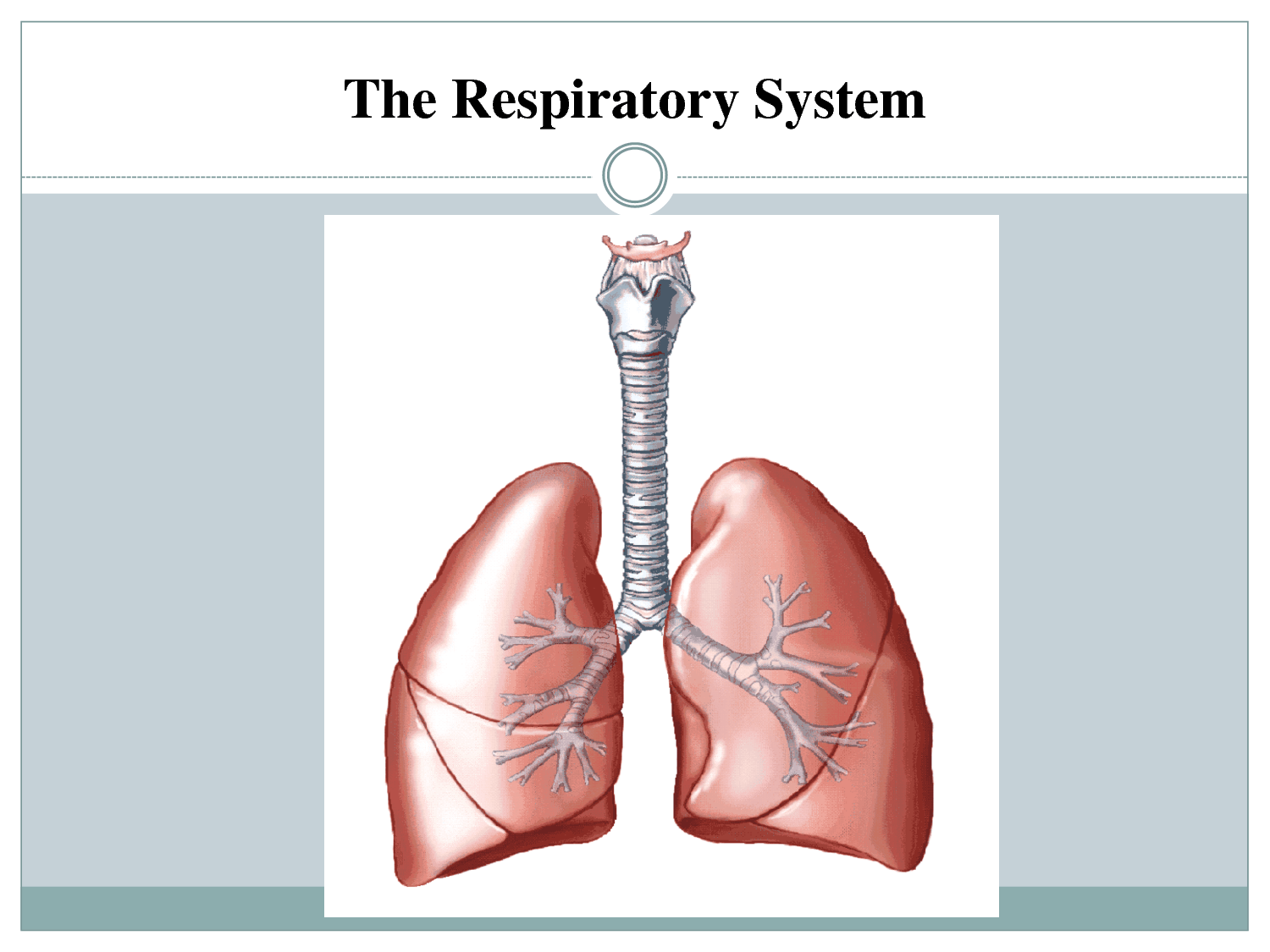
What is the main function of the respiratory system?
to provide oxygen and remove carbon dioxide from the body
o break down food and absorb nutrients
to remove oxygen from the body and deliver carbon dioxide
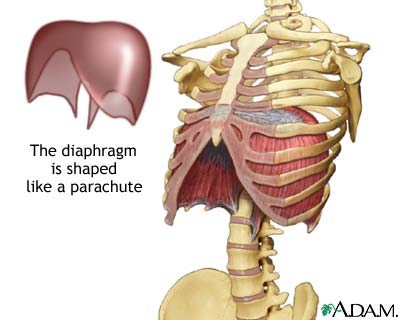
What is function of the dome-shaped diaphragm muscle?
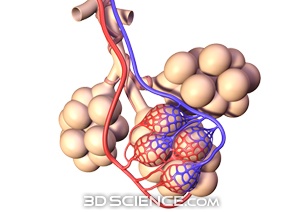
This is where gas exchange happens.
Air passes through the diaphragm on the way to the lungs.
It attaches to the lungs and contracts and relaxes to help in breathing.
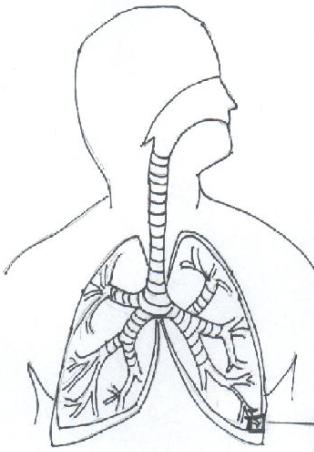
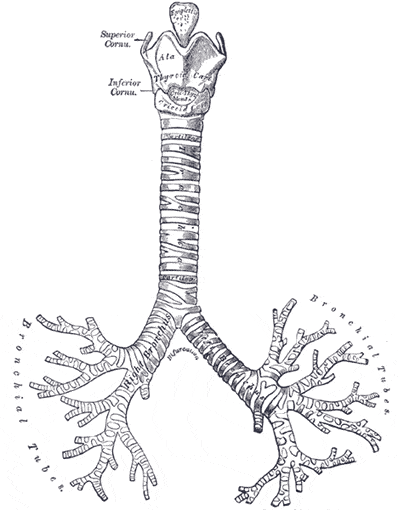
These are the two two main branches from the trachea (one to each lung)
bronchi
alveoli
capillaries
bronchioles

Flap of tissue that covers the opening to the windpipe during swallowing
Pharynx
Trachea
Epiglottis

What type of cells carry oxygen in the blood?
red blood cells
white blood cells
The FREQUENCY of heart contractions is...
heart rate
blood pressure
respiratory rate
voluntary muscle contraction
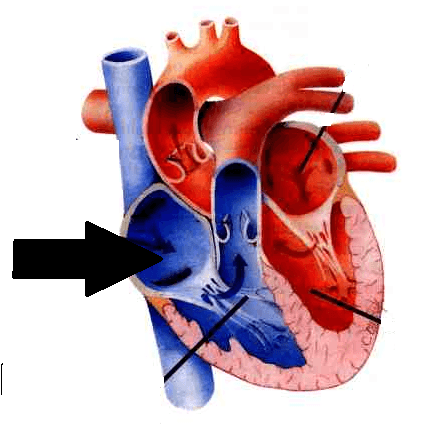
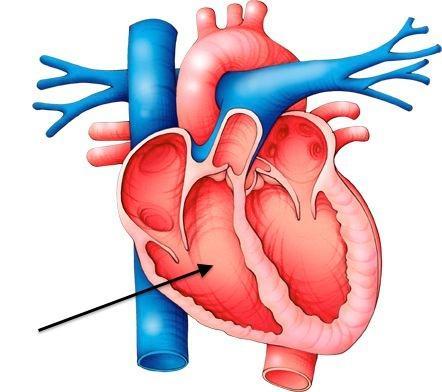
Type of circulation that refers to blood flow from the heart to the lungs and back to the heart again?
Systemic circulation
Renal circulation
Portal circulation
Pulmonary circulation
The sac that surrounds and protects the heart?
endocardium
epicardium
myocardium
pericardium

Name part I.
pericardium
mediastinum
septum
unknownum
Which organ releases digestive enzymes into the small intestine?
pancreas
small intestine
esophagus
salivary glands
What organ is responsible for the majority of the absoption that occurs in the digestive system?
large intestine
small intestine
stomach
oral cavity
The teeth and tongue of the oral cavity break foodstuff down physically. This is an example of
mechanical digestion
chemical digestion
absorption
peristalsis
Which of the following answers correctly sequences the pathway food takes from the beginning to end?
mouth, esophagus, stomach, small intestine, large intestine
mouth, esophagus, stomach, large intestine, small intestine
mouth, stomach, esophagus, small intestine, large intestine
mouth, stomach, esophagus, large intestine, small intestine
Which organ stores and releases bile?
liver
gallbladder
pancreas
Which organ makes bile?
liver
gallbladder
pancreas


What layer of skin senses pain?
callus
epidermis
dermis
hypodermis
What is the oily substance that protects the skin against water called?
seaweed
callus
sebum
skin
a structure out of which strands of hair grow
Follicles
Pores
Head
Eyelashes
How does sweat cool you?
evaporation
condensation
invagination
oder
What is cardiovascular endurance?
The range of movement around a joint.
Distance divided by time.
Ability of the cardiorespiratory system to work efficiently, supplying nutrients and oxygen to working muscles during sustained physical activity.
The ability of muscle to exert maximum force.
What is flexibility?
The relative ratio of fat mass to fat free mass in the body.
The range of movement around a joint.
The ability of a muscle or group of muscles to perform repeated contractions for extended periods of time.
A combination of using strength and speed at the same time.
What is balance?
The ability to move two or more parts of the body at the same time efficiently and accurately.
The time it takes to respond to a stimulus.
The ability to combine strength and speed at the same time.
The ability to keep the body stable, when still or moving.
What is body composition?
The ability of the muscle or group of muscles to contract repeatedly over time.
The range of motion around a joint.
The maximum amount of force generated by a muscle or group of muscles.
The percentage of body weight which is fat, muscle and bone.
What is muscular strength?
The amount of force that can be generated by muscles.
The ability of the muscles to repeatedly contract over time.
The measure of fat and fat free mass.
The range of motion around a joint.
Dynamic stretching is?
A dance
Movement based stretch
A stretch you hold
None of the above
The ability of muscles to be able to tolerate a high-amount of repetitions with a lightweight, refers to?
Muscular endurance
Cardiorespiratory endurance
Muscular strength
Flexibility
Body Mass Index is:
An estimate
An indicator of health risk
A measure of body fat based on height and weight
All of the above
How do you calculate your MAX heart rate (MHR)?
220 - AGE
Counting for 10 sec and that is your pulse
By checking pulse for 30 secs and multiplying by 2
None of the above
Chris runs 3 miles everyday. What type of cardiovascular exercise is he doing?
Aerobic
Anaerobic
stretching
None of the above
What is the proper formula for computing the Body Mass Index (BMI) of a person?
Height2(m)Weight(kg)
Weight(kg)Height(m2)
Height2(m)Weight(kg2)
Weight(kg)Height2(cm)

What does the F stand for in the FITT Principle?
Foundation
Fitness
Frequency
Formular

I am going to increase the weight I bench press every week by 1kg. What additional principle of training am I applying?
Progressive overload
Specificity
Adaptation
Individual needs
Which additional principle of training would occur if I stopped training for a long period of time?
Rest and recovery
Reaction
Repetition
Reversibility
I'm going to increase the amount of times I train every week from twice to three times. What principle of training am I referring to?
Frequency
Intensity
Time
Type
When referring to additional principles of training. Specificity means what?
Making training specific to the sport or activity
Making training specific to a persons individual needs
Making training easy
Making training hard enough to challenge you
What additional principle of training could you incorporate into your program to stop you getting bored?
Specificity
Rest and recovery
Adaptation
Variation

When the exercise workloads exceed normal demands placed on the body you are following which principle?
Overload
Specificity
Progression
Recovery

When you gradually increase the intensity and duration of your activity, which fitness principle are you following?
Overload
Progression
Balance
Variety

Which aspect of fitness does continuous training improve?
Muscular Strength
Cardiovascular endurance
Power
anaerobic fitness

How does circuit training allow the performer to apply the principle of specificity?
It is creative and fun
It is easy to set up
It does not require a lot of equipment
You can match the exercises to your performance needs.

Plyometric training enables the athlete to improve ...
Aerobic endurance
Explosive power
Strength
Muscular endurance

Faartlek is a Swedish word meaning ...
Speed play
Speed sprint
Running play
Sprint play

Interval training is best used to improve which type of fitness?
Aerobic fitness
Cardiovascular fitness
muscular endurance
Anaerobic fitness

A rugby player will use this type of training to improve muscular strength...
continuous training
Faartlek training
Resistance / weight training
Interval training

Which type of training might a High Jumper find most useful?
Faartlek training
Continuous training
Plyometric training
Circuit training

Which of the following sentences does NOT apply to Faartlek training?
It's all about changes of speed
It's great for cardiovascular fitness and muscular endurance
It involves changes in the intensity of the exercise
It's great for improving flexibility

How would Plyometric training help to improve the performance of a gymnast?
It helps to improve flexibility
It helps to improve take-off for flight
It helps to improve strength
It helps to improve balance

Which of the following would be considered to be a form of continuous training?
Swim for 20 minutes with a 1 min break at the 10 minute mark
Swim for 10 minutes then cycle for 10 mins without a break
Swim for 20 minutes without a break
Swim as fast as possible for 1 minute, rest for 1 minute then swim for 15 minutes without a break.

