
 Worksheets
NATURAL RESOURCES
Total questions: 60
Worksheet time: 42mins


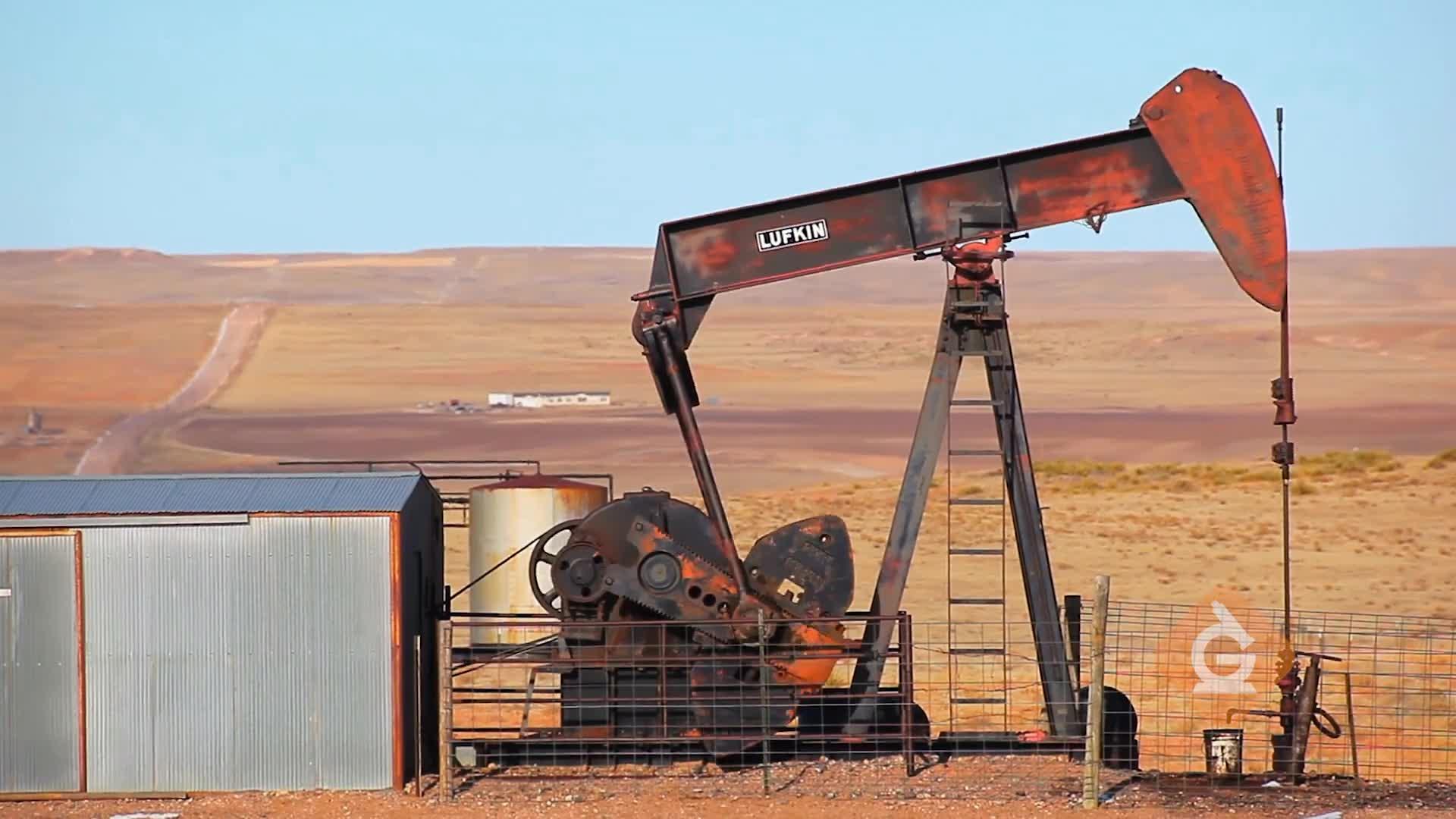


A natural resources comes from...
a factory
earth
machines
humans
Examples of natural resources include...
popcorn, gum, and chocolate.
books, games, and action figures.
water, plants, animals, and sun.
pens, markers, and crayons.
How are soil, water, and rocks the same?
They are man-made resources.
They are used for food.
They are natural resources.
Old paper is used to make new paper. What is this an example of?
disposing
recycling
reusing
Which of these is a renewable energy source?
uranium
natural gas
ethanol
coal
Which of the following resources would be considered renewable?
coal
wind
metal ore
natural gas
Why are trees a natural resource?
because they come from Earth
because they can never be replaced
because they are made by humans
because they are used for many things
What is the term for important nonrenewable resources that formed from the remains of living organisms?
solar particles
mineral sediments
fossil fuels
elemental energy
Which of the following is largely responsible for depleting Earth's ozone layer?
CFCs
CO2
DDT
PCBs
Global warming, the increase of Earth's average surface temperature, can be affected by the
Tyndall effect
greenhouse effect
ozone effect
precipitation effect
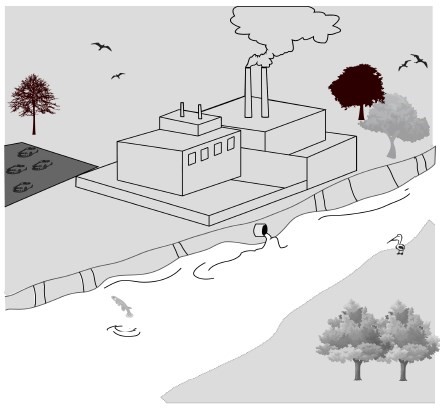

Claim: the consumption of natural resources by humans has a negative impact on the environment. What data would provide evidence for this claim?
Increased human lifespan and increased ice cap size
Increased human population and decreased habitats for plants and animals
Increased consumption of resources by humans and increased biodiversity (variety) in nature
Increased of fossil fuel burning by humans and decreased use of other resources
Fossil fuels are nonrenewable because...
they are used to produce heat.
they take a long time to form.
they can be found underground.

Which of the following is a drawback to the use of oil shale to produce energy?
Most of the world's oil shale occurs in politically unstable countries
Processing, mining, and waste disposal are expensive
Oil shale occurs only in areas with plentiful water resources for processing
Oil shale can be mined only in arid regions

What is the source of geothermal energy?
sunlight heating surface waters
the splitting of atoms to release energy
natural underground reservoirs of steam and hot water
very hot minerals deep underground

The advantages of solar energy include the fact that it is
nonrenewable
non-polluting
expensive
absent at night

The fuel for nuclear fission in nuclear reactors is
petroleum
carbon
hydrogen
uranium

What is a benefit of using coal for energy?
It is nonpolluting
It can be shipped in a liquid form
It is plentiful in the US
It can be mined without damaging the land

What are petroleum products made of?
underground steam
igneous and metamorphic rocks
buried remains of plants and animals
kinetic energy of water

What other natural resource is wasted while processing tar sands?
natural gas
oxygen
water
wind

Where in the ocean do mineral deposits form?
near hydrothermal vents
in deep ocean trenches
in shallow waters near islands
under ice near the poles

What is something nonmetallic mineral resources are used for?
gold mining
natural gas production
gasoline
building materials

Which of the following is NOT an advantage of solar energy?
it is cheap to install
it is renewable
it is non-polluting
it can directly heat water

What is a drawback of wind energy?
carbon production
birds deaths
water pollution
earthquakes

How does a hydroelectric plant produce energy?
fluid is extracted from deep mines
atoms are split by neutrons
falling water turns a turbine
methane deposits are burned

Which of the following does NOT threaten water as a resource?
forest fires
increased population
drought
agricultural pollution

What is a threat to air as a resource?
placer deposits
silt buildup
clear cutting
pollution
Which of the following conservation strategies do not directly involve community participation?
Joint Forest Management
Beej Bachao Andolan
Demarcation of wild life Sanctuaries
Chipko Movement
Where can we find coniferous forest in India?
Deserts
River Deltas
Grassland
Himalayas
How forests increase the atmosphere’s humidity?
By Transpiration
By photosynthesis
By nitrogen fixation
By evaporation
What was the aim of Chipko movement?
Human rights
Political rights
Agricultural expansion
Forest conservation
The Chipko Movement in the Himalayas to protect the forest cover was started by
Dr Aruna Roy of Kisan Mazdur Vikas
Medha Patkar
Sunder Lai Bahuguna
Dr Anil Agarwal of CSE
Which one of the following is not responsible for the decline in India’s biodiversity?
Mining activities
Hunting and poaching
Forest fire
Afforestation
Which one of the following is not considered a consequence of deforestation?
Desertification
Food Shortage
Displacement of local communities
Biodiversity enrichment
Which of the following community in Rajasthan has a religious tenet of conservation of forest and wildlife ?
Agarwal
Gujjar
Bishnoi
Jain
Five 'F's in Chipko Moment are
food trees, fuel trees, fodder trees, fibre trees and fertiliser trees
Flood, Force, Fine, Fertilizer and Fish
Fly, Fox, Fibre, Freedom and Fish
None of the above
What are the benefits of dam
Irrigation and drinking water storage
Generation of hydroelectric power
protects low-lying areas from floods
All of the above
Impacts of the dam construction
destruction of habitat
Loss of flora and fauna
earthquakes can be triggered
All of the above
Water storage recharged by percolation of water from rainfall and other sources are called
Confined Aquifer
Unconfined Aquifer
Ocean
None of the above
water stored or collected in between two impermeable rock is called
Confined Aquifer
Unconfined Aquifer
Ocean
None of the above
Effects of over utilization of ground water
Lowering of groundwater level
Subsidence of land
Salt water intrusion
All of the above
Flood management can be done with
construction of dam
desilting of channels streams
Afforestation
All of the above
Which of these forms of transportation conserves the most amount of energy?
cars
buses
bicycles
trains

