
 Worksheets
Anatomy and Physiology Review
Total questions: 75
Worksheet time: 1hrs 9mins
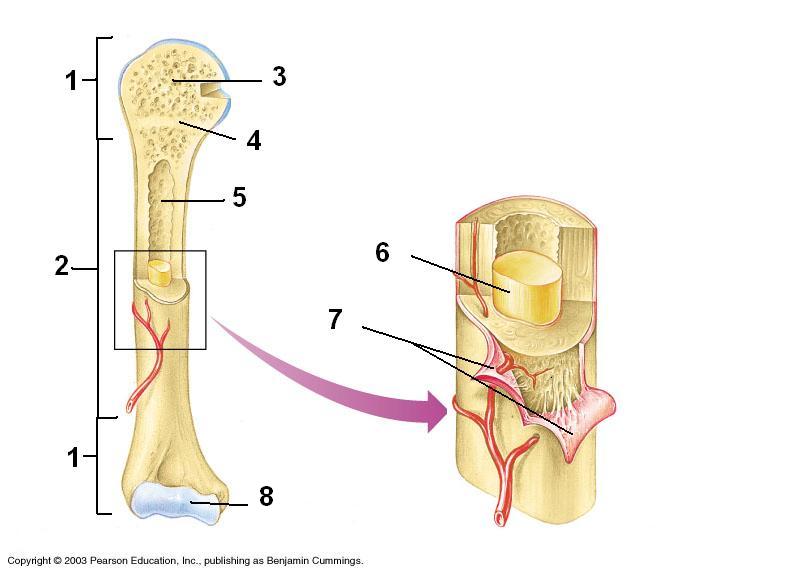
Which is a cell that builds new bone?
osteoclast
osteoblast
osteocyte
osteodontknow
Which type of cell is classified as a bone breaker?
osteoclast
osteoblast
osteocyte
osteodontknow
A contraction of the diaphragm during inhalation causes it to flatten. What else does the contraction result in?
An increase in the volume of the thoracic cavity
Increase in alveolar pressure
A decrease in lung volume
A decrease in the volume of the thoracic cavity
The thoracic cavity has to decease in size in order for ______ to occur.
inspiration
expiration
both
Inspiration is produced by a _____________ in the pressure in the thoracic cavity and in the air passages of the lungs.
decrease
increase
consistency
During expiration your diaphragm moves ....
up
down
both
This substance lowers surface tension, which keeps the alveoli from collapsing after exhalation and makes breathing easy
surfactant
mucus
antigens
bronchiole

Type of digestion in the stomach
Mechanical
Chemical
Both

Muscle contractions that squeezes food and forces it into the stomach
pathogen
pharynx
platelet
peristalis

What does the ear drum do as it receives sound?
it starts to vibrate
it does nothing
it bursts
The cochlea is filled with fluid. The fluid move tiny hairs. What happens next?
sound stops here
messages are sent to the brain

Senses that respond to chemicals in solution utilize which of the following:
Meissner's corpuscle
chemoreceptors
crista ampullaris
beta lactamase

The nerves associated with smell are referred to as the:
olfactory receptor cells
smell cells
gustatory receptor cells
umami cells
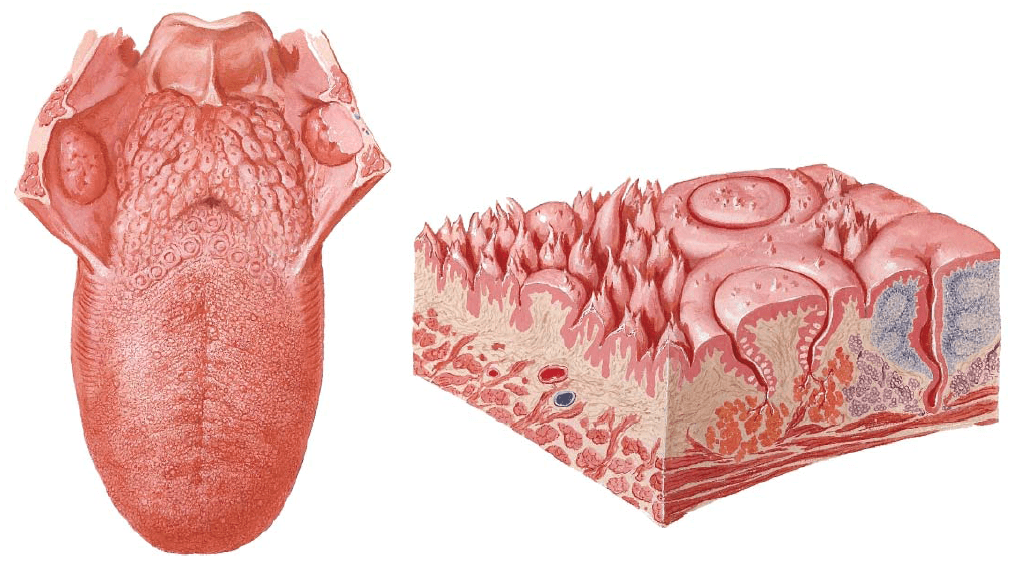
Small projections located on the tongue’s surface where taste buds are located are known as:
papillae
gustatory cells
olfactory epithelium
mucous producing glands

Which of the following are produced from the thyroid?
calcitonin
parathyroid hormone
oxytocin
aldosterone

This hormone produced by your adrenal glands is responsible for your ability to react to long term stress.
epinephrine
cortisol
prolactin
aldosterone

A young patient begins to lose weight and complains of constantly being thirsty. When assessed, the nurse completes a blood glucose analysis with a glucometer. The result is 329 mg/dL (elevated):
diabetes insipidus
diabetes mellitus
Addison’s disease
hyperaldosteronism

The beta cells of the pancreas are stimulated during hyperglycemia to produce:
glucagon
insulin
calcitonin
PTH
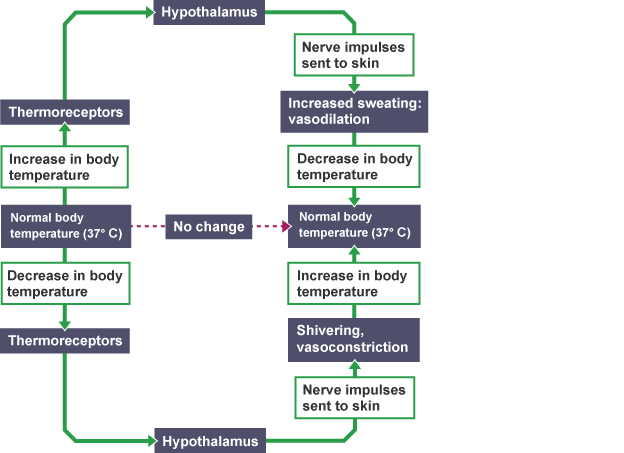
Endocrine system uses the blood stream and hormones to reach their target cells; whereas, neural system uses impulses/synapses, which is quicker?
Neural controls
Endocrine controls
Which of the following is NOT a risk factor for hypertension?
Smoking
Being underweight
Being at an old age
Stress
The pressure in the arteries when the heart beats is called _______
Systolic Pressure
Diastolic Pressure
Atmospheric Pressure
Fluid Pressure
Ahmad has a systolic pressure of 155 mmHg and a diastolic pressure of 92 mmHg. He has _____
Normal blood pressure
Prehypertension
Hypertension stage 1
Hypertension stage 2
Saeed has a systolic pressure of 115 mmHg and a diastolic pressure of 75 mmHg. He has _______
Normal blood pressure
Prehypertension
Hypertension stage 1
Hypertension stage 2
Hypotension is?
Very low blood pressure
Very high blood pressure
Very high blood oxygen
Very low blood oxygen


What's in the picture?
synaptic vesicles
neurotransmitters
presynaptic neuron
postsynaptic neuron
synaptic cleft

What's in the picture?
synaptic vesicles
neurotransmitters
presynaptic neuron
postsynaptic neuron
synaptic cleft
What causes the release of neurotransmitters into the cleft?
an action potential reaches the terminal
ligand gated ion channels open
excititory neurotransmitters bind to ligand gated ion channels
an action potential on the post synaptic neuron triggers nearby voltage gated ion channels
which of the following explains why the action potential continues along the post synaptic neuron?
an action potential reaches the terminal
ligand gated ion channels open
excititory neurotransmitters bind to ligand gated ion channels
an action potential on the post synaptic neuron triggers nearby voltage gated ion channels
A neuron : gland / muscle synapse is associated with....
sensory neurons
motor neurons


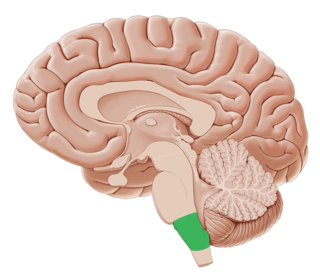
What is this?
Corpus callosum
Medulla Oblongata
Cerebellum
Hypothalamus
Neuroglial cells that form the fatty myelin sheath on neurons in the CNS are ___________ in the PNS are ________________?
ganglia and oligodendroglia
astrocytes and schwann cells
schwann cells and oligodendroglia
oligodendroglia and schwann cells


Radius
Humerus
Ulna
Clavicle


Identify the bone highlighted in red.
Clavicle
Carpals
Sternum
Ribs

Identify the bones highlighted in red.
Tibia
Fibia
Patella
Femur
The gap between the nerve cell and sarcolemma is the ____ ___.
Synaptic cleft
Neurotransmitter
Motor unit
Neuromuscular junction
Once the action potential reaches the end of the axon terminal what takes place?
ACh is released into the synaptic cleft.
Calcium is pumped into the sarcolemma.
Calcium is pumped into the AT.
The muscle contracts.
Once ACh binds to receptor cells on the sarcolemma, what takes place?
Sarcolemma becomes temporarily permeable to sodium.
The muscle contracts.
Calcium is pumped into the axon terminal.
Synaptic vesicles move to the end of the terminal.

LETTER f:
Ovaries
Uterus
Cervix
Vagina
Which serves as a temporary storage of sperm cells before they are released in the urethra?
Testicle
Epididymis
Prostate gland
Cowper's gland

What do you call the process in which the ovary releases a mature egg cell?
urination
menstruation
ovulation
nocturnal emission


The diagram given represents the human male reproductive system. Which activity would be prevented by blockages at X
and Y?
transport of urine out of the body
passage of testosterone to the female to stimulate
egg production
movement of sperm out of the body
movement of testosterone to the testes to
stimulate sperm production

