
 Worksheets
太阳的亮度,地球的自转和公转Sun Brightness, Earth Rotation and Revolution
Total questions: 50
Worksheet time: 31mins
The Sun is...
a satellite made of rock and ice that orbits a planet
a huge ball of very hot matter that gives off energy
chunk of rock that orbits the sun in a belt between Mars and Jupiter
large body of matter that travels around the sun
What are some differences between the sun and the stars you see in the night sky?
The sun is the biggest star in the universe.
The sun is closer to Earth than all other stars in the night sky.
The sun appears larger and brighter than the other stars.
Stars twinkle more than the sun.
What are two factors that affect how bright a star appears in the night sky?
Temperature and Distance
Temperature and Color
Color and Distance
Age and Temperature
What is the closest star to Earth?
Why do some stars in the sky look brighter than others?
If two stars were exactly the same size but one was much further from the Earth, what might you observe?

In comparison to other stars in the sky, the Sun appears brighter than other stars because it is–
Bigger
Smaller
Nearer
Further

Alpha Centauri A is a star that is larger than the Sun, yet it appears much less bright. Which of the following is the best explanation for this?
Alpha Centauri A is further away from Earth than the Sun.
The smaller a star the brighter it appears
The older the star the brighter it appears
The larger the star always appears to be brighter

The Sun is at the center of our Solar System. Which of the following best describes the Sun?
A comet
A satellite
A planet
A star

How many of the stars, visible in the night sky, are closer to Earth than the Sun?
3
2
1
0

Sam and his friend George were looking at the stars. Sam pointed at one star and told George it was nearer than the other stars. What evidence supports his claim?
The star is a different color to the other stars
The star appears brighter than the other stars
The star twinkles more than the other stars
The star appears smaller than the other stars
A huge ball of very hot matter that gives off energy.
sun
star
planet
moon
Stars shine because processes in the stars produce huge amounts of _________________.
fire
Emma
energy
power
The sun is the closest (a) to the Earth.
The Sun is the largest star in the solar system.
True
False
What are stars?
Stars are giant balls of gases.
Stars are giant balls of dust.
Stars are made from nothing.
Stars are shiny.
Wy do some stars shine brighter than others?
Temperature
Distance
Size
True or False: The sun is made of gases.
True
False
What is the nearest star to planet Earth?
Moon
Sun
Sirius
Proxima Centauri

Objects __________ to you appear larger.
farther away
closer
What happens to brightness as distance increases?
As distance increases, the brightness stays the same.
As distance increases, the brightness increases.
As distance increases, the brightness decreases.
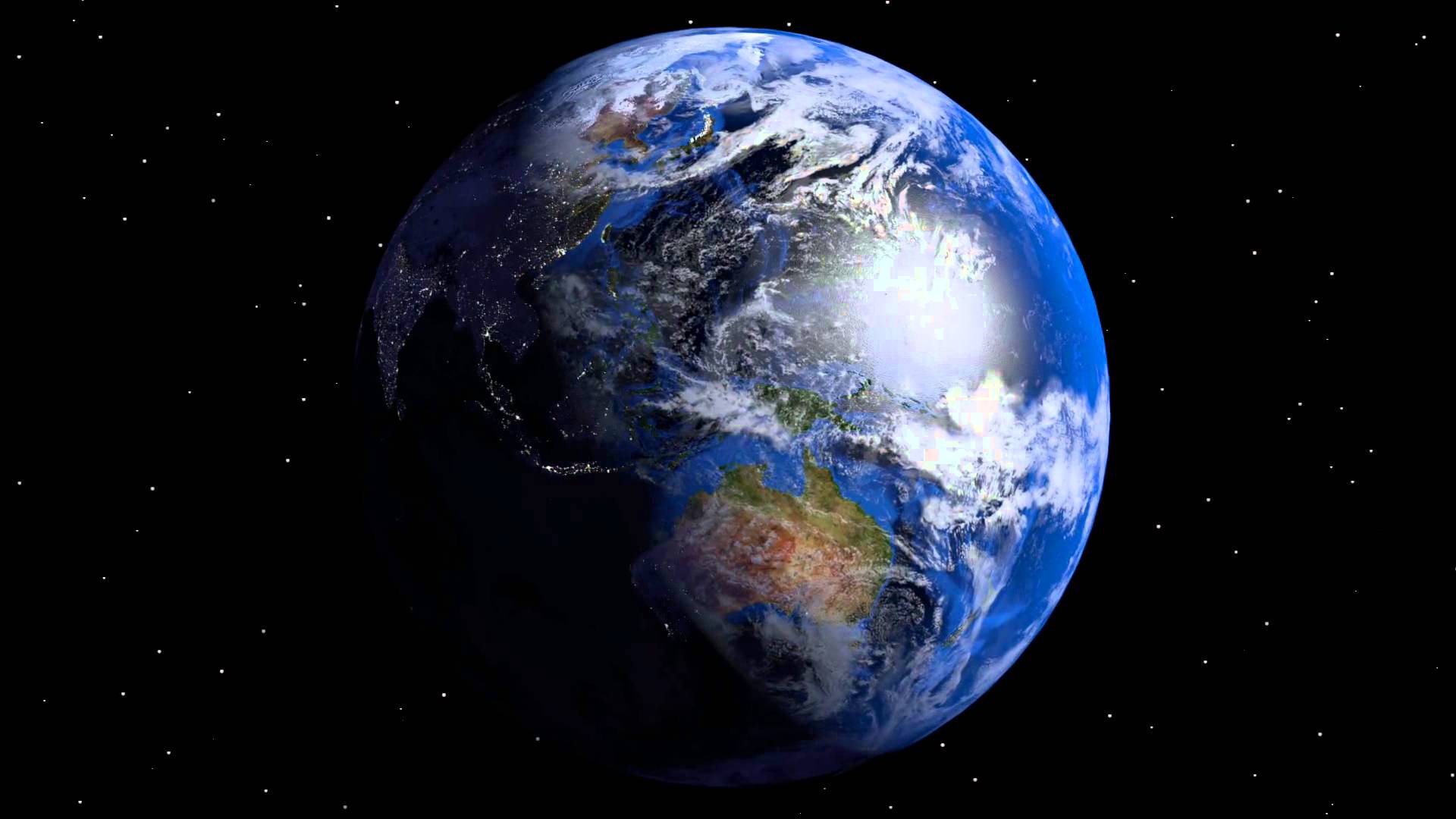
The sun APPEARS to move across the sky, during the day. Which of the following causes shadows to change length throughout the day?
earth's rotation
earth's revolution
sun's revolution
earth's orbit
Many cultures have different methods to determine the time of day. Which of the following is an ancient tool invented to determine the time of day?
watch
clock
sundial
compass
What direction does the sun appear to move across the sky?
west to east
north to south
east to west
south to north
Where does the sun rise?
west
east
north
south
Earth rotates on its axis once approximately every-
month
24 hours
year
12 hours
Earth's rotation causes the day and night cycle. It also causes-
the sun appear to move
the sun remain in orbit
the sun orbit earth
all of the above
A student looks outside and observes the sun in the western sky. Which of the following times could it be?
sunrise
sunset
noon
midnight
Earth revolves around the sun, but it also makes one complete rotation. How long does it take Earth to make one complete rotation on its axis?
365 days
1 month
1 day
1 week

Which of the following represents 12:00 pm (afternoon), at point A?
a
b
c
d

Which of the following is about to experiencing SUNSET?
a
b
c
d


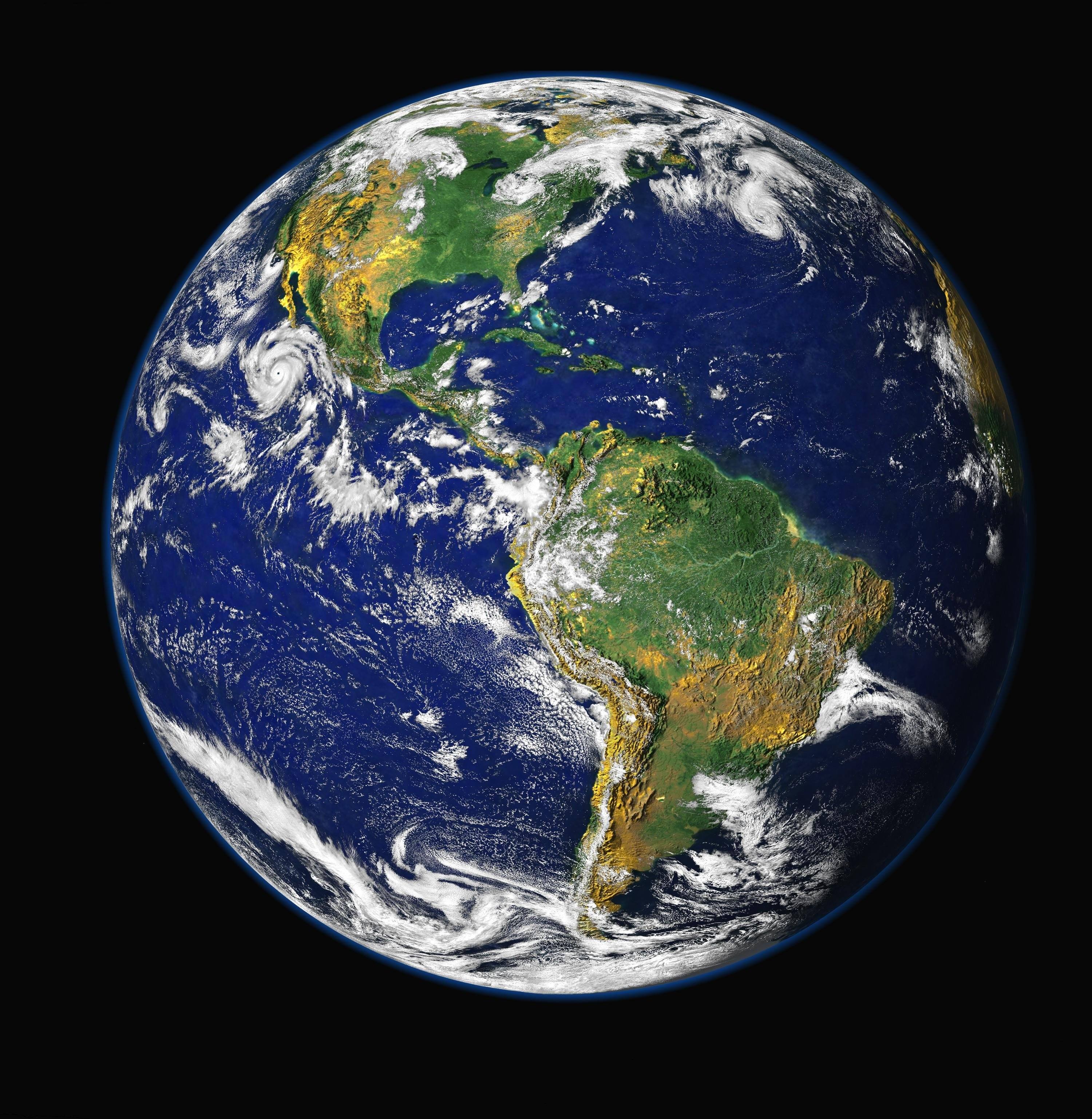
In the US, what time of day is it, according to the photo?
Day
Night

Which of the following represents 12:00 am (midnight) at point A?
a
b
c
d

Which of the following is experiencing SUNRISE?
a
b
c
d

