
 Worksheets
Physical Science Spring Semester
Total questions: 58
Worksheet time: 1hrs 4mins


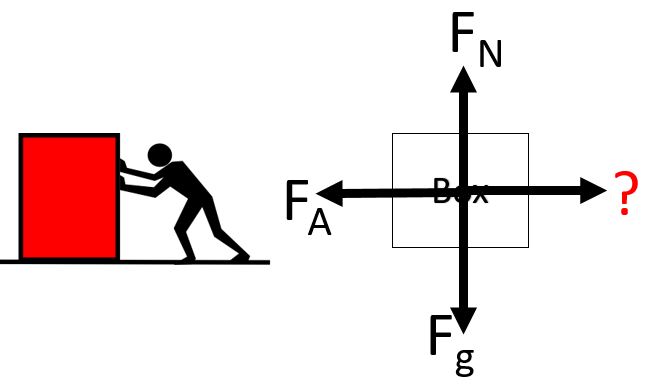

A book is at rest on a table. Check all the forces that act on it.
gravity
normal force
applied force
friction


Velocity is speed with __________________________.
a unicycle helmet
direction
fight

What is motion?
the stopping of an object to a frame of reference
a change in position relative to a frame of reference
the middle ground between light and shadow, between science and superstition, and it lies between the pit of man's fears and the summit of his knowledge
a change in the time in which it takes to get an office referral


The light bulbs are examples of what in the circuit?
voltage
resistor
switch
path
If two balloons have the same charge the balloons will...
repel
attract
stay neutral
An electromagnet can be found in all of the following except...
car
computer
home outlets
speaker
An object with equal amounts of positive and negative charge is electrically....
neutral
charged
positive
negative
All of these are examples of insulators except....
plastic fork
glass marble
rubber band
aluminum can
The region around any charged object where an electric force is applied matches which term?
electric discharge
electric current
electric field
electric force

This is an example of what type of circuit?
simple
series
parallel
A closed path in which electric charges flow matches which term?
electric circuit
electric resistance
electric field
electric force
A material that does not allow electrons to move freely matches which term?
electric circuit
electric current
insulator
conductor


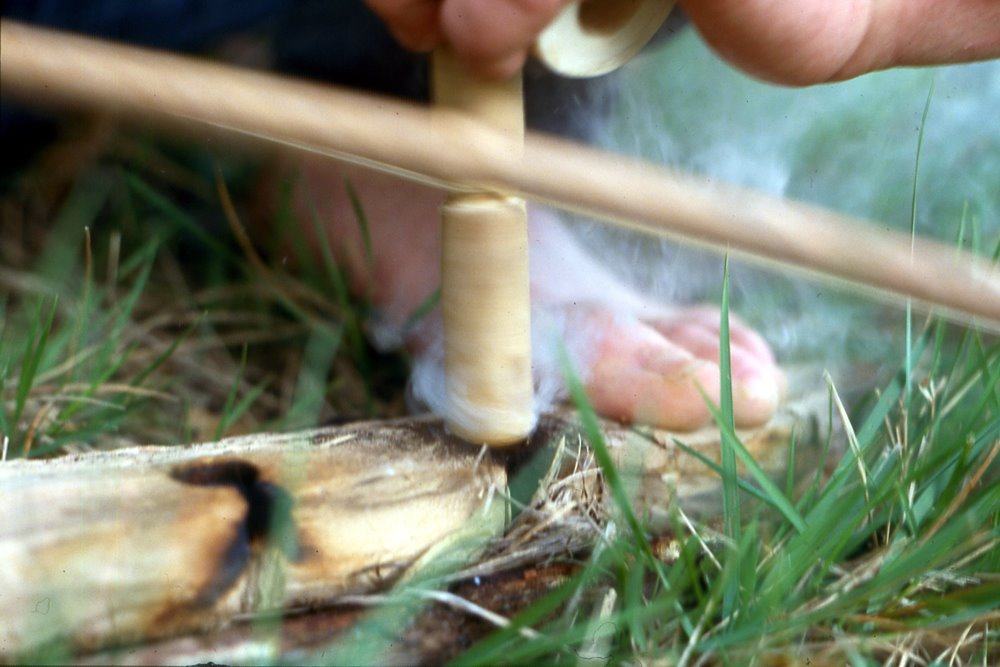
Walking across a carpet is a perfect example of charge being transferred by...
contact
induction
static electricity
friction
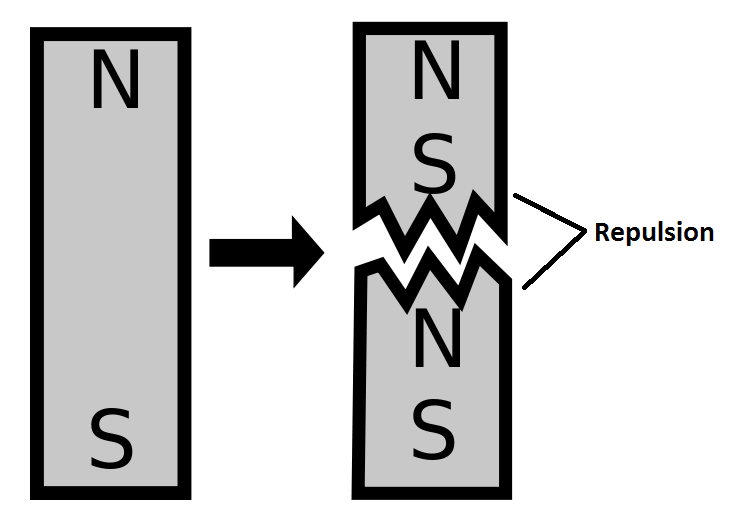
If you break a bar magnet in half, each half...
contains one magnetic pole.
becomes a bar magnet with two poles.
becomes unmagnetized.
is only temporarily magnetized.
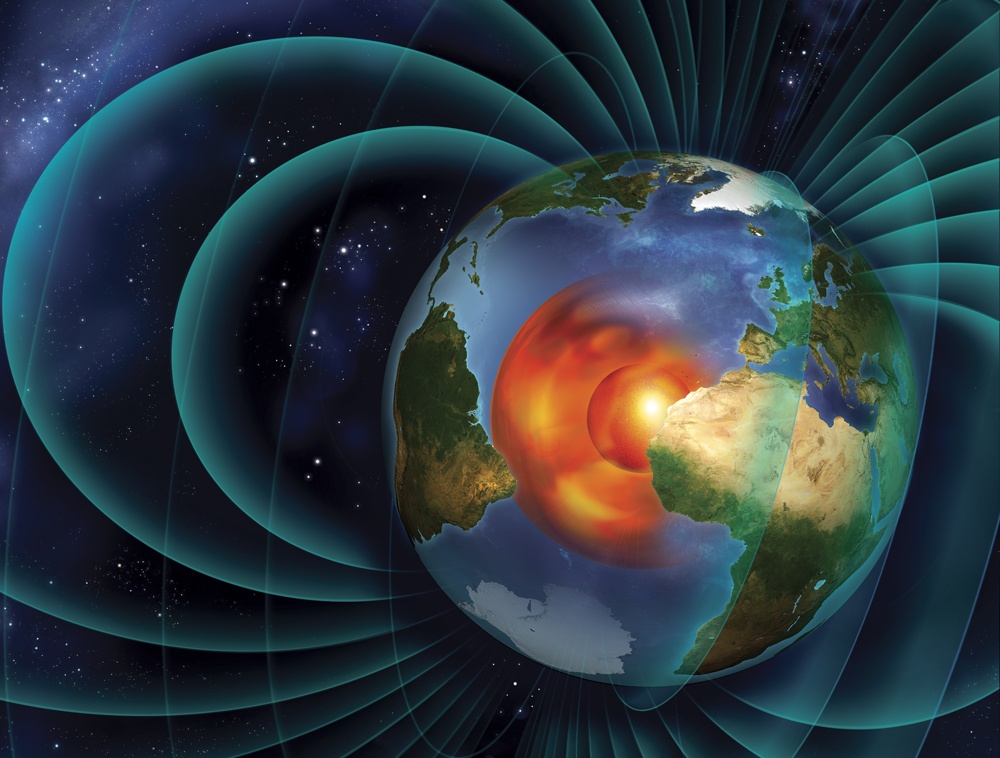
What creates a magnetic field?
charged particles that do not move
moving electric charges
gravity
an isolated magnetic pole
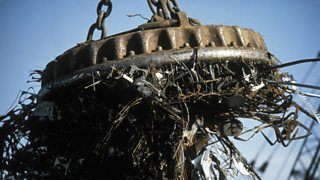
A temporary magnet that only works when electricity is passed through wires surrounding an iron core is called:
electromagnet
galvanometer
induction
super conductor magnet
The electric force between two or more charged objects depends on which of the following quantities?
charge and distance between the charged objects
mass and distance between the charged objects
charge and mass of charged objects
quantity of charges and their masses
In which of the following circuits will all of the remaining light bulbs go out if bulb 3 burns out?


Diagrams of electric fields and magnetic fields often look similar. What is an important difference between electric field lines and magnetic field lines?
Electric field lines always point away from the object generating the field, while magnetic lines always point toward it.
Electric field lines are close together where the electric field is strong, but magnetic lines are close where the magnetic field is weak.
Electric field lines start and end on charges, while magnetic field lines form closed-loop paths to and from the poles.
Magnetic field lines cannot cross, while electric field lines can
What happens if there is a break at any point in a series circuit?
no current flows
current flows through an alternative path
resistance goes to infinity
current reverses direction

Which switch, when opened, will make the light go out?
Q
R
S
T

Why did this simple electric motor work?
The current from the battery induces a magnetic field in the copper loop, turning it into an electromagnet that repels from/attracts to the permanent magnet
The electromagnet on top of the battery pulls on the magnetic copper wire
The magnet induces a current in the copper loop which makes it rotate.
The magnetic field from the battery induces an electric current in the copper loop, turning it into an electromagnet that repels from/attracts to the permanent magnet
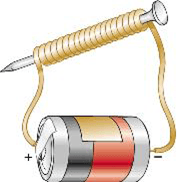
The total energy of all the particles in a substance is called
temperature
thermal energy
degrees
mass
Heat transfer occurs
in many directions
both from warm objects to colder ones and from cold objects to warmer ones
only from warm objects to colder ones
only from cold objects to warmer ones
A measure of the average kinetic energy of the individual particles in an object is called
thermal energy
conduction
convection
temperature
Which particles are moving fastest?
Particles in ice.
Particles in boiling water.
Particles in water from the sink.
Particles in steam.

A hot air balloon rising is an example of ...
conduction
convection
radiation
connection

A snowman melting in the sun
convection
conduction
radiation
connection

Heating a kettle on a hot stove (burner)
convection
conduction
radiation
connection

At what point does the biker have the greatest Kinetic Energy?
Point A
Point B
Point C
Point D
At what point does the biker have the greatest Potential Energy?
Point A
Point B
Point C
Point D

Which Apple has the greatest Gravitational Potential Energy?
The object with a mass of 3kg because its mass is less.
The object with a mass of 50kg because its mass is greater.
Both objects because they are at the same height.
Neither of the objects because they are at the same height.

What type of energy is transformed in the Energy Conversion shown in the image below?
Nuclear Energy
Chemical Energy
Thermal Energy
Electrical Energy

What is the Energy Conversion that is shown in the image?
Radiant to Thermal
Thermal to Chemical
Chemical to Radiant
Radiant to Chemical

What is the Energy Conversion that is shown in the image?
Chemical to Mechanical
Thermal to Chemical
Chemical to Thermal
Mechanical to Chemical

What type(s) of energy does a fridge contain?
Sound Energy
Thermal Energy
Mechanical Energy
All of the above

