
 Worksheets
Eukaryotic Cells by Maam Jaytee
Total questions: 50
Worksheet time: 25mins

What type of cell has a nucleus?
eukaryotic
prokaryotic

Which part of the cell directs all cell activities through the DNA located there?
Endomembrane System
Nucleus
Ribosomes
Mitochondria

Which part of the nucleus is made up of two layers (an inner and an outer), this acts like a cushiony outer shell of protection?
nucleoplasm
nuclear pores
nuclear membrane
nucleolus

What are the tiny holes in the nuclear membrane that allow different cellular materials to come in and go out of the nucleus?
nucleus
nucleoplasm
nucleolus
nuclear pores
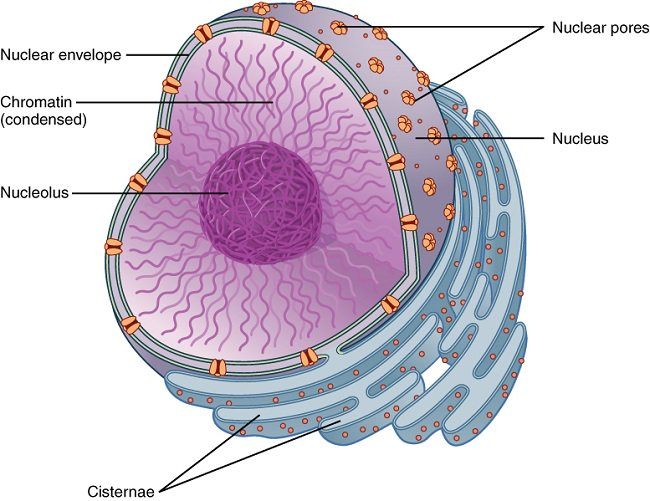
Which of the following choices helps assemble ribosomes, which are combinations made of protein and RNA (ribonucleic acid )?
nuclear membrane
nuclear pores
nucleoplasm
nucleolus
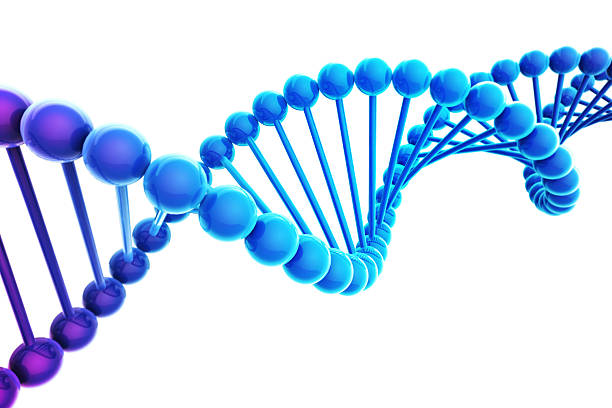
Which of the following terms is a double stranded helix that holds the code for all the cells in the body?
RNA
DNA
Chromatin
Nucleus

Which part of the cell is made up of a network of filaments that maintains the cell structure?
Cytoplasm
Endoplasmic reticulum
Cytoskeleton
Vacuoles

Which of the following is not a component of a plant cell wall?
Cellulose
Lipid
Protein
Polysaccharides

Which of the following is NOT a function of the cytoskeleton?
Transporting of molecules within the cell
Transporting of molecules into the cell
Cell movement
Anchoring the cell

an interconnected network of flattened, membrane-enclosed sacs or tube-like structures
Lysosome
Endoplasmic Reticulum
Golgi complex
Ribosome

Which of the following choices pertains to the structures present in E.R. (Endoplasmic Reticulum)?
Cisternae, vesicles, tubules
Vesicles, ribosome, proteins
Tubules, vacuoles, centrioles

Which organelle is the site for the synthesis and packaging of proteins?
Rough ER
Smooth ER
Lysosome
Plasma membrane

Which part of ER is the site for the creation and storage of lipids and steroids.
Smooth ER
Rough ER
Lysosome
Mitochondria

Which biomolecules are NOT synthesized by the Endoplasmic Reticulum ?
Proteins
Lipids
Cholesterol
Nucleic acids

What makes ER granular?
Lysosome
Ribosome
Mitochondria
F1 particle

Which part of ER is the site for detoxification?
Smooth ER
Rough ER
Both of above
None of above

An organelle that transports and packages large molecules like complex carbohydrates, lipids and proteins.
Sometimes called golgi body or golgi complex.
Ribosome
Golgi Reticulum
Endoplasmic Apparatus
Golgi Apparatus

What does the cis face do?
Creates lipids
Processes substances that came out of the endoplasmic reticulum
Creates proteins
Packages proteins into vesicles

In the Golgi Apparatus macromolecules, such as lipids and proteins, are transported within the cell using____.
Vesicles
Ribosomes
Rough endoplasmic reticulum
DNA

What happens in the Golgi apparatus?
Proteins are created
Proteins are sorted, packaged, and tagged
Stores proteins and other substances
Deposits contents outside of the cell

Who found the Golgi Body?
Mendel
Gregor Golgi
Camillo Golgi

Transport vesicles from the rough ER are most likely on their way to_____________ .
The peroxisomes
The lysosomes
The Golgi Apparatus
outside the cell

Which organelle consists of flattened, membranous sacs; receives transport vesicles from the ER, modifies ER proteins, produces secretory vesicles
Smooth Endoplasmic Reticulum
Rough Endoplasmic Reticulum
Golgi Apparatus
Lysosome

Which organelle has membrane bound sacs, larger than vesicles, stores water and dissolved nutrients?
vesicle
vacuole
lysosome
perixosome

Which type of cell wall has protective layer external to the cell membrane, consists of chitin?
Bacterial Cell Wall
Plant Cell Wall
Protist Cell Wall
Fungal Cell Wall

Which DNA packaging consists of DNA and protein and condenses to form chromosomes?
Nucleus
Nucleolus
Chromatin
Ribosomes

Which parrt of the endomembrane system, sacs of enzymes used to digest food and old, worn out cell parts
Peroxisome
Vesicle
Lysosome
Golgi Apparatus

Which organelle is the site of cellular respiration, produces ATP from sugar?
Chloroplast
Mitochondria
Rough Endoplasmic Reticulum
Cytoplasm

Which of the following choices pertains to a protective layer external to the cell membrane, consists of cellulose?
Protist Cell Wall
Fungal Cell Wall
Plant Cell Wall
Prokaryotic Cell Wall

Forms the boundary of the cell, acts as a selective barrier allowing certain materials to pass but not others
Cell Wall
Cytoplasm
Cell Membrane
Nuclear Membrane

Which organelle is the site of photosynthesis; produces food using light energy, CO2 and H2O?
Mitochondria
Ribosome
Cell Wall
Chloroplast

Supports the shape of the cell, anchors organelles and serves as a "track" for organelles to move on.
Cytoskeleton
Nuclear Membrane
Cell Wall
Gogli Apparatus

Double membrane that forms the boundary between the nuclear contents and the cytoplasm; perforated with pores
Cell Wall
Cytoplasm
Nuclear Membrane
Rough Endoplasmic Reticulum

Proteins found outside an animal cell that function in support, adhesion and movement
Cell Wall
Cytoskeleton
Ribosomes
Extracellular Matrix

Where the components of the ribosome are synthesized and assembled; found in the nucleus
Rough Endoplasmic Reticulum
Nuclear Membrane
Nucleolus
Chromatin

Which type of vesicle that carries material going outside of the cell?
endosome
lysosome
transport
secretory

What is the extrusion process of proteins and lipids from the cell?
phagocytosis
pinocytosis
exocytosis
endocytosis

Which specialized vesicle that contains powerful digestive enzymes. Used to digest and recycle large molecules?
nucleus
nucleolus
lysosome
golgi apparatus
Specialized vesicle that contains enzymes that are used to catalyze reactions that produce hydrogen peroxide.
peroxisome
smooth endoplasmic reticulum
rough endoplasmic reticulum
chromoplast

What is the process by which bacteria, dead tissue, or other bits of material visible under the microscope are engulfed by cells
phagocytosis
pinocytosis
exocytosis
endocytosis
What is the process by which bacteria, dead tissue, or other bits of substances ingested are in solution and not visible under the microscope?
phagocytosis
pinocytosis
exocytosis
endocytosis
Which part of the chloroplast contains a system of flattened membranous sacs?
stroma
chlorophyll
thylakoid
granum

What is the main molecule that absorbs light and captures light energy for the cell?
chitin
cellulose
chlorophyll
chloroplast

Which organelles are responsible for pigment synthesis and storage in specific photosynthetic eukaryotes?
chloroplast
leukoplast
chromoplast
carotene
What is the specialized peroxisome found in plant cells that's responsible for oxidizing fatty acids into intermediates that are eventually converted into sugars that are used for energy?
lysosome
endosome
glyoxisome
peroxisome
Which cell component are microtubule organizing centers for most animal cells?
centromere
lysosome
endosome
centrosomes
Which is the only human cell that has a flagellum?
oocyte
spermatozoa
neuron
nephron
Which vesicle does a secretory vesicle fuse to form a lysosome?
endosome
centrosome
centriole
transport
Which of the following is NOT a eukaryotic cell?
nephron
neuron
amoeba
Escherichia coli
Which of the following is NOT found in a animal cell?
ribosome
cell membrane
mitochondria
chloroplast

