
 Worksheets
Earth Science
Total questions: 140
Worksheet time: 2hrs 45mins
The Hawaiian Islands were formed as a result of _____________.
deposition
glaciers
hurricanes
volcanic activity
Certain land features form where plates meet. Which land feature forms where two continental plates collide?
glaciers
oceans
mountains
trenches
How does a volcano cause a constructive change to the Earth's surface?
It floods the land.
It adds new land.
It takes land away.
It breaks apart land.

Which of these most likely caused the landform shown below?
rock slide
rain storm
strong winds
glacial movement

The Grand Canyon was formed as the result of _______________.
erosion
a glacier
a volcano
an earthquake
The breakdown of rock into smaller pieces by natural processes is called _________.
deposition
fossilization
sediment
weathering
The technology of a seismograph is helpful to humans because it ________.
determines the height of tidal waves
records historical temperature extremes
identifies locations with poor soil
helps detect and measure earthquakes
A student argues that a destructive force can change the surface of Earth. Which of the following could be used to support this claim?
A new island forms in the ocean.
A plain becomes a deep canyon due to erosion.
A sand dune forms on the beach.
A mountain grows taller over thousands of years.
A seawall constructed along a length of oceanfront property can assist a coastal city by _______________________.
keeping water temperatures down.
providing a road for cars.
preventing animals from migrating.
slowing erosion of beach sand.
In a drought, farmers often have problems with their topsoil blowing away when it gets really dry. What could farmers do to keep the lightweight, dry soil from blowing away or eroding?
Plant the seeds farther apart.
Surround the fields with natural barriers, such as trees to block the wind.
Keep cows in the field.
What is a renewable resource?
A resource that can be replaced or recycled.
A resource that will not run out.
A resource that cannot be replaced at all, or cannot be replaced as fast as people use it.
You are planning to buy a home along a river. You want to make sure that your home is safe from flooding and erosion. Which home should you buy?
A house on land that is level with the river with lots of pretty flowers.
A house on rocky, gently sloping land away from the river.
A house at the top of a steep cliff that is made of sandy soil.
What is a non-renewable resource?
A resource that can be replaced or recycled.
A resource that will not run out.
A resource that cannot be replaced at all, or cannot be replaced as fast as people use it.
What is an inexhaustible resource?
A resource that can be replaced or recycled.
A resource that will not run out.
A resource that cannot be replaced at all, or cannot be replaced as fast as people use it.
After a very heavy rain, a large amount of Earth breaks loose on a hillside. Which of Earth's processes caused this?
glacier movement
weathering
land mass motion
volcanic eruptions
In the rock cycle, what causes igneous rock to form?
heat and pressure
weathering and erosion
tectonic plates
the cooling of magma
in the rock cycle, what causes sedimentary rock to form?
compaction and cementation
melting
heat and pressure
red, hot magma
In the rock cycle, what causes metamorphic rock to form?
red, hot magma
heat and pressure
erosion
wind

Stalagmites are structures that form on the floor of some caves. Most scientists explain this by saying that stalagmites form when minerals dissolved in water are left behind where water drips. Which evidence would support this explanation?
Freezing water turns it into a solid.
Water found in caves has minerals in it.
Some stalagmites are taller than others.
Many caves are found deep underground.
What is the breakdown of the Earth’s crust into sediment called?
Weathering
Raining
Erosion
Whooshing
What do flood plains, sandbars, and river deltas in common?
They are formed by water erosion.
They have been formed by glacial erosion.
They have been formed by wind erosion.
They have been formed by sandblasting.
What type of erosion formed the Grand Canyon?
Wind
Water
Sandblasting
Glacial
How might a weathered mountain appear different from an unweathered mountain?
The weathered mountain might be taller.
The weathered mountain would appear rounder.
The weathered mountain would be more jagged
Weathered mountain would contain less trees.
What are the two types of Destructive forces?
Weathering / Warming
Weathering / Erosion
Weathering / Water
Weathering / Climate
What is the difference in air pressure at the peak of a mountain versus the base of the mountain?
Air pressure is greater at the base of the mountain.
The Air pressure depends on the weather.
Air pressure is lower at the base of the mountain.
What step in the water cycle occurs when a water turns into water vapor?
condensation
precipitation
evaporation
What tool do scientists use to study wind speeds inside a thunderstorm to learn about a tornado?
Fujita Scale
Doppler Radar
Space Satellites
Choose the correct definition and example of a fossil fuel.
a rock rich in minerals that can be removed from Earth. Ex. metal
cell that changes energy from the Sun into electrical energy. Ex. solar panels
items made from organisms that lived long ago. Ex. coal
Chemical weathering...
is when rock is broken into smaller pieces, and the material that makes up the rock or soil also changes.
is when only the size of the rocks is changed.
is when nothing changes.
Which of Earth's system is made of all the liquid, water, and snow?
Biosphere
Geosphere
Hydrosphere
Atmosphere
The geosphere is made up of
solid and liquid rocks
soil
all living things
sediment
all water, snow, and ice
The _______________ includes all living and formerly alive organisms, including humans.
Biosphere
Hydrosphere
Geosphere
Atmosphere
The atmosphere is made up of all the...
water
rocks and soil
living things
gases
Check all that apply:
The biosphere and the geosphere interact by...
Water eroding a canyon
Plants growing in soil
Wind eroding a rock
Volcano erupting and covering plants and animals
Trees roots cracking and breaking down rocks
When water is warmed it evaporates and then cooled and condenses, it then will eventually...
evaporate into space.
become a cloud.
melt.
fall as precipitation (rain, snow, sleet, hail).

Most earthquakes tend to occur at which location?
The central regions of very large continents
Groups of islands farthest from any continents
The boundaries between continents and oceans
The steep slopes of the very oldest mountains

The Ring of Fire is an area where a large number of earthquakes and volcanic eruptions occur. What claim can be made about the Ring of Fire from this information?
It is the only place on Earth where earthquakes can happen.
The edges of the tectonic plates are moving in this area.
It represents the areas where tectonic plates are the thickest.
It has been getting larger since Earth first formed.

Peru and Chile are part of South America, which sits on the South American tectonic plate. The Nazca plate is moving toward the South American plate. It is pushed downward, which causes it to slide under the South American plate. Based on this information, what feature could we expect to see off the coast of Peru and Chile?
new Continent formation
Poor fishing conditions
Deep ocean trench
Severe tropical storms

A force caused the continents to drift apart over time. Once scientists figured out what that force was, the theory of plate tectonics was born! The image above shows what Geologists think the Earth looked like millions of years ago. What name was given to this land mass.
Plate Tectonics
Oceana
Pangea
North America
Huge pieces of lithosphere that slowly move on the asthenosphere and consist of the crust and the rigid, uppermost part of the mantle
tectonic plates
North American Plate
Eurasian Plate
African Plate
the place where two different plates have contact.
Pacific Plate
Mountains
Earthquakes
Plate Boundaries
Occurs when two tectonic plates move toward each other and collide
convergent boundary
subduction
volcanic eruptions
divergent boundary
the process in which a denser plate is pushed downward beneath a less dense plate when plates converge; occurs at continental to oceanic boundaries and oceanic to oceanic boundaries
divergent boundaries
volcanic eruptions
subduction
convergent boundary
Occurs when two tectonic plates move away from each other.
Divergent Boundary
Convergent Boundary
Volcanic eruptions
Mountain building
Ridges formed from new crustal material at diverging oceanic plate boundaries
Ocean Basin
earthquakes
spreading ridges
transform boundary
Occurs when two tectonic plates slide past each other
Transform Boundary
Ocean Basin
Divergent Boundary
Spreading ridges


Where would there be more pressure?
on top of a roof of a tall building
sitting in this classroom
on top of a mountian
sitting in the top row of a stadium
In which layer of the atmosphere is the most water vapor found?
thermosphere
mesosphere
troposphere
stratosphere

What layer houses the International Space Station
Exosphere
Mesosphere
Thermosphere
Troposphere
The prefix "Bio" means ____
Life
Earth
Water
Air
The prefix "Geo" means ____
earth, ground and soil
water
life
air
The prefix "Hydro" means ____
ground
water
life
air
The prefix "Atmo" means ____
ground
water
life
air
A measure of how much matter an object has is--
weight
gravity
mass
volume
On which celestial object (outer space) would your mass be the greatest?
Earth
Jupiter
Sun
Your mass doesn't change on different celestial objects
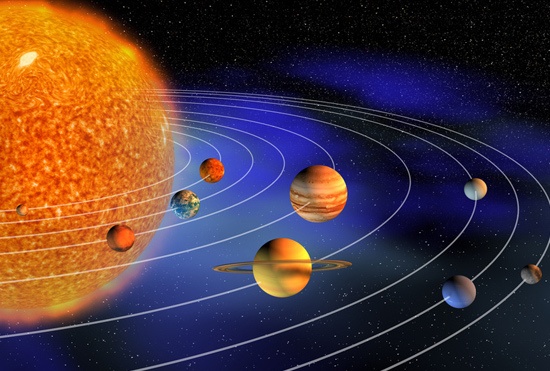
Why do all of the planets orbit the sun rather than Earth?
the sun has more mass
the sun is a star
the Earth is heavier
the sun is in the middle of the milky way
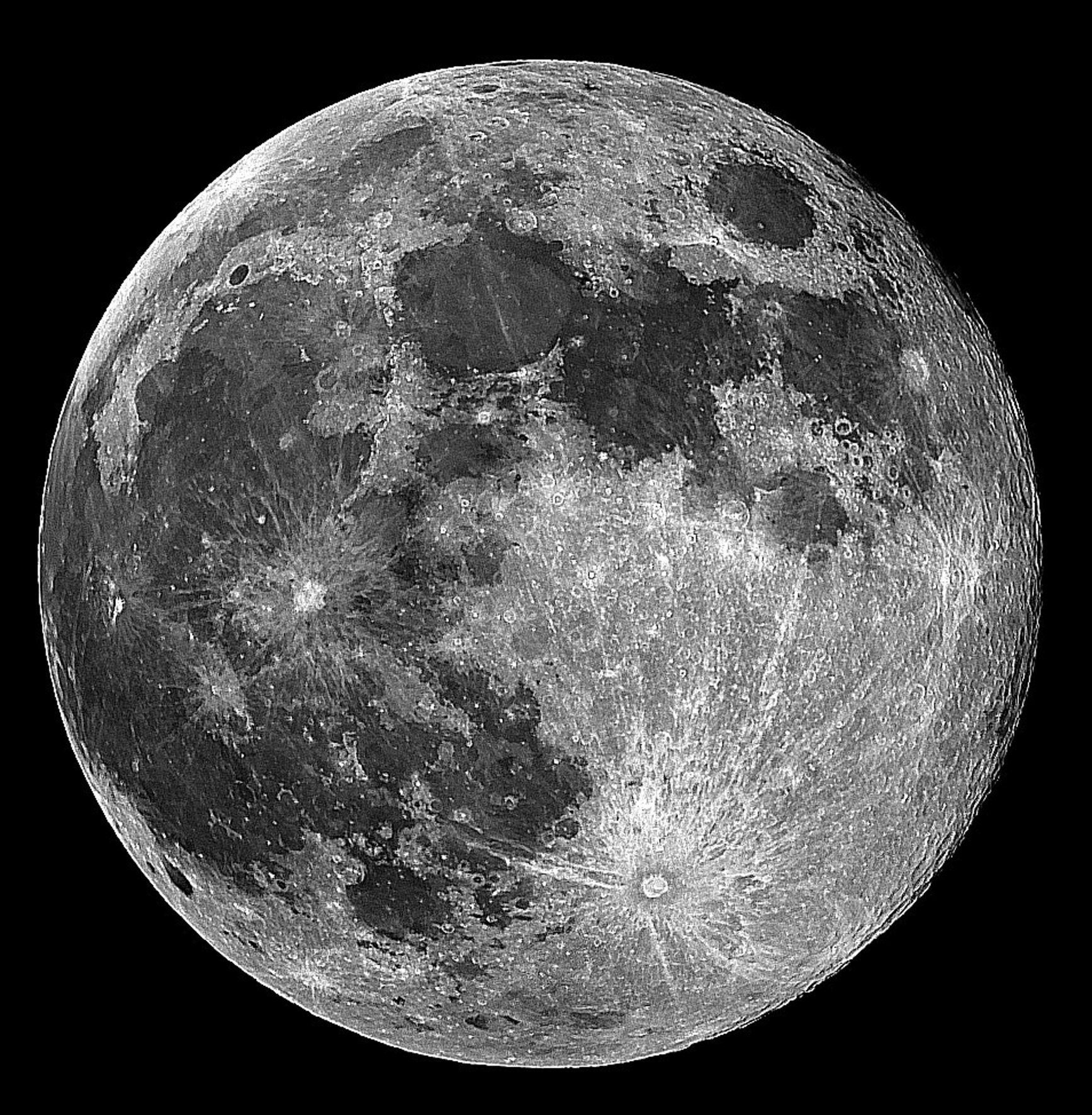
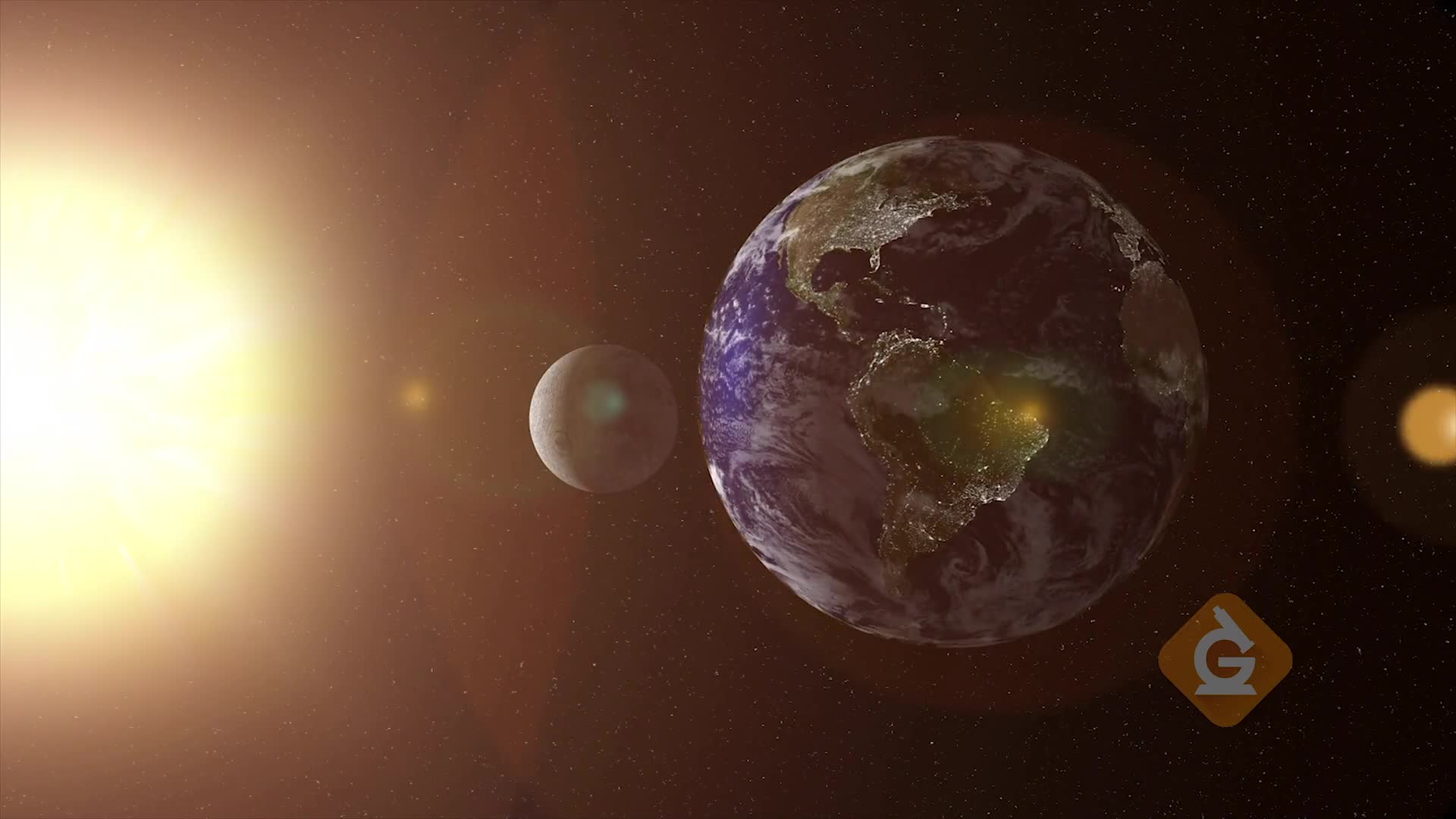
The gravitational force between Earth and the Sun causes ______.
Earth to orbit the Moon
Earth to orbit the Sun
Earth's atmosphere
the Moon to orbit Earth
Differences in the moon's and sun's pull on different sides of the Earth cause _________.
gravity
thunderstorms
tides
Earth's orbit

The weather patterns for a given region over time
weather
climate
waves
global warming
The salt content of a substance
density
temperature
convection
salinity
The circulation of hot and cold fluids (liquids and gases)
convection
radiation
density
temperature
The average kinetic energy of the particles in a sample
heat
temperature
convection
density
What is the Coriolis effect?
heat transfer caused by the rising of hotter, less dense fluids and the falling of cooler, more dense fluids.
A punk rock band.
the apparent deflection of moving air as a result of Earth's rotation.
The amount of matter in a given volume.
Surface Ocean currents are primarily caused by
temperature and salinity
wind
convection
continental drift
Deep Ocean currents are primarily caused by
temperature and salinity
wind
gravity
precipitation
If a material is less dense then water, it will
sink
float
be neutrally buoyant
freeze
What is latitude?
A measure of the distance away from the prime meridian.
A measure of how warm a climate is.
A measure of an angle in Math class.
A measure of the distance away from the equator.
As plants and animals in the ocean die, the nutrients produced from their decay _____.
are recycled by the Global Conveyor Belt
sink to the bottom
are destroyed by sunlight
become coral reefs
Nutrients are brought to the surface for phytoplankton to use at _______.
gyres
eddies
upwellings
the equator
Nutrients are brought to the surface for phytoplankton to use at _______.
gyres
eddies
upwellings
the equator

Winds occur because hot air rises and cool air sinks in a process called...
conduction
convection
radiation
magnetism

Winds that blow from 300 latitude to the equator are called...
westerlies
polar easterlies
trade winds
horse latitudes

The rotation of the Earth causes winds to bend due to the...
coriolis effect
doldrums
trade winds
westerlies

Winds that blow from 300 latitude to 600 latitude are called...
polar easterlies
westerlies
trade winds
doldrums

Winds that blow from the North and South pole toward 600 latitude are called...
trade winds
westerlies
polar easterlies
horse latitudes
In general, how does air move?
From areas of lower pressure to areas of higher pressure
From areas of higher pressure to areas of lower pressure
From areas of hot to cold
A big fan blows it around
What causes wind?
Too much Taco Bell
Differences in elevation
The uneven heating of the Earth by the sun
Ocean currents
_________ is the transfer of heat by direct contact. Warm air is less dense, so it rises above cold air.
Conduction
Convection
Radiation
_______ is the transfer of heat by gas or liquid. Cool air is more dense and pushes warm air above it.
Conduction
Convection
Radiation
_______ is transfer of energy through empty space
Conduction
Convection
Radiation
Where does the initial source of energy come from that creates winds?
the moon
the sun
the rotation of the Earth
Why does warm air rise?
Warm air is more dense than cooler air.
Warm air is less dense than cooler air.
Warm air has more pressure than cooler air.
Warm air has a higher dew point than cooler air.
What is weather?
The amount of moisture in the air
The number of clouds in the sky
The speed of the wind
The state of the atmosphere at any particular time.
What is the difference between absolute humidity and relative humidity?
Absolute humidity represents how much water the air actually holds; relative humidity is how much water the air can hold
Relative humidity makes the air sticky; absolute humidity makes the air dry
Absolute humidity is how much water the air can hold; relative humidity represents how much water the air actually holds
Absolute humidity is expressed as a percentage; relative humidity is expressed as a whole number
Why does it tend to be cool at the Earth's poles?
They are farthest from the sun
They have high absolute humidity
They have the worst weather
Sunlight strikes them at extreme angles
How does air move?
Warm air rises and cool air sinks
Warm air sinks and cool air rises
How do air masses move across the US?
The trade winds move the air masses from west to east
The jet stream moves air masses from west to east
The trade winds move the air masses from the Atlantic Ocean to the Pacific Ocean
The Gulf Stream air moves around the Gulf of Mexico


What would happen if the Sun is removed from the water cycle?
The water cycle would not include precipitation but would continue with groundwater flow.
The water cycle would no longer occur because the Sun provides the energy for evaporation and transpiration.
The water cycle would no longer occur because the Sun provides energy for the formation of clouds.
The water cycle would not include evaporation and transpiration but would continue with condensation.

What is another name or synonym for the water cycle?
Geologic cycle
Hydrologic cycle
Geosphere
Carbon cycle


