wayground logo

Free Printable Worksheets

Font size

S
M
L
XL
Worksheets

Glenco Chapter 9 Lesson 1 Earthquakes

Total questions: 41

Worksheet time: 26mins

Name
Class
Date
1.

______________________ is the study of Earthquakes.

a)

Volcanology

b)

Seismology

c)

Campanology

d)

Geology

2.

Where do most earthquakes occur?

a)

on land

b)

underwater

c)

at tectonic plate boundaries

d)

on a tectonic plate

3.

Which of the following is NOT a type of fault associated with earthquakes

a)

Normal

b)

Forward

c)

Reverse

d)

Strike-slip

4.

The fastest earthquake waves are called

a)

S Wave

b)

P Wave

c)

Seismic Wave

d)

Surface Wave

5.

The 2nd earthquake waves to be detected are called

a)

S Wave

b)

P Wave

c)

Seismic Wave

d)

Surface Wave

6.

earthquake waves that move side to side are called

a)

S Wave

b)

P Wave

c)

Seismic Wave

d)

Surface Wave

7.

earthquake waves that move back and forth are called

a)

S Wave

b)

P Wave

c)

Seismic Wave

d)

Surface Wave

8.

earthquake waves that can move through solid, liquid, and gases are called

a)

S Wave

b)

P Wave

c)

Seismic Wave

d)

Surface Wave

9.

earthquake waves that can NOT move through liquid are called ______________________.

a)

S Wave

b)

P Wave

c)

Seismic Wave

d)

Surface Wave

10.

The most destructive earthquake waves are called ______________________.

a)

S Wave

b)

P Wave

c)

Seismic Wave

d)

Surface Wave

11.
The center point on the surface of an earthquake represented by letter R is called what?
a)
Center point
b)
Focus
c)
Epicenter
d)
Seismic waves
12.
Where is the point at which the first movement occurs during an earthquake? Reperesented by letter S
a)
Epicenter
b)
Focus
c)
Fault
d)
Plate
13.
What is a break in the rock layers called?
a)
Earthquake
b)
Epicenter
c)
Fault
d)
Focus
14.
Which scale measures the intensity of the ground movement?
a)
Mercalli Scale
b)
Richter Scale
c)
Seismogram Scale
d)
Bernoulli Scale
15.
When a rock is under stress and changes shape. What do we call this?
a)
Deformation
b)
Mutation
c)
Compression
16.
What types of waves are released from an earthquake?
a)
Energy Waves
b)
Sonic Waves
c)
Seismic Waves
17.
What is the shaking of the Earth’s crust caused by a release of energy?
a)
Earthquake
b)
Epicenter
c)
Fault
d)
Plate
18.

What is a large ocean wave that results from an underwater earthquake, landslide, or volcanic eruption?

a)

Tsunami

b)

Liquefaction

c)

Seismic Gap

19.

The point on the surface of Earth, directly above the focus, is called the _____________________.

a)

surface focus

b)

epicenter

c)

fault line

d)

earthquake

20.

A ____________________ is where two or more tectonic plates meet.

a)

Plate edge

b)

Plate ridge

c)

Tectonic plate boundary

d)

Tectonic plate focus

21.
This famous transform fault is located in the western United States creates significant earthquake activity for California
a)
New Madrid
b)
Denali Fault
c)
Ramapo Seismic Zone
d)
San Andreas
22.
Which travels fastest, always being the first detected by seismic stations?
a)
P waves
b)
S waves
23.

Which wave causes the most damage?

a)

Primary

b)

Surface

c)

Secondary

d)

Princess

24.
What is the measure of the amount of energy released in an earthquake?
a)
Earthquake
b)
Epicenter
c)
Magnitude
d)
Seismogram
25.
Which scale rates earthquakes based on the amount of damage done?
a)
Mercalli Scale
b)
Richter Scale
c)
Seismogram Scale
d)
Bernoulli Scale
26.

What is the instrument used to measure earthquakes?

a)

Seismograph

b)

Seismologist

c)

Scale

d)

Seismogram

27.

Which city is closest to the epicenter?

a)

A

b)

B

c)

C

28.

Which wave is the most destructive and travels on the surface?

a)

Secondary Wave

b)

Primary Wave

c)

Surface Wave

29.

What is the minimum number of seismograph stations needed to locate an earthquake epicenter?

a)

1

b)

2

c)

3

d)

5

30.

Measures the magnitude or size, of an Earthquake

a)

epicenter

b)

focus

c)

Richter scale

d)

Mercalli Scale

31.

What is the measure of the amount of energy released in an earthquake?

a)

Intensity

b)

Epicenter

c)

Magnitude

d)

Seismogram

32.
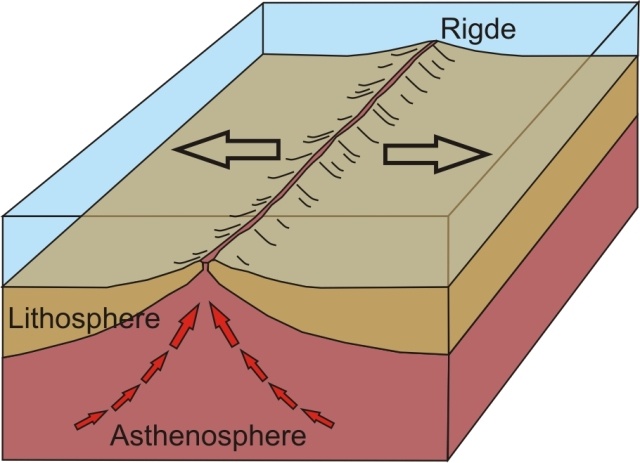
What kind of plate boundary is shown here?
a)
divergent
b)
convergent
c)
transform
d)
subducting
33.
A type of fault where rocks on either side move past each other sideways is called:
a)
normal fault
b)
reverse fault
c)
strike-slip fault
34.
What kind of plate boundary is shown here?
a)
divergent
b)
convergent
c)
transform
d)
strike slip
35.
When tension forces pull rocks apart, what type of fault occurs?
a)
Surface Fault
b)
Abnormal Fault
c)
Normal Fault
d)
Strike Slip Fault
36.
At this place rocks above the fault surface are forced up and over rocks below the fault surface.
a)
Surface Fault
b)
Reverse Fault
c)
Secondary Fault
d)
Primary Fault
37.
What are the seismic waves that begin over an earthquake focus and can highly destructive when it crashes onto a shore called?
a)
Tsunami
b)
Normal Fault
c)
Primary Wave
d)
Liquefaction
38.
What is the instrument called to record seismic waves from earthquakes?
a)
Tsunami
b)
Seismograph
c)
Magnitude
d)
Reverse
39.
What is a seismic wave that moves rock particles up and down, backward rolling motion and swaying motion called?
a)
First Wave
b)
Secondary Wave
c)
Surface Wave
d)
Tidal Wave
40.
What is the fault between two plates that are moving past each other called?
a)
Seismic Waves
b)
Surface Fault
c)
Strike Slip Fault
d)
Reverse Fault
41.
A large section of Earth's crust and rigid upper mantle that moves around on the asthenosphere.
a)
First Fault
b)
Reverse Fault
c)
Normal Fault
d)
Plate