wayground logo

Free Printable Worksheets

Font size

S
M
L
XL
Worksheets

CFE Review (final) Comp

Total questions: 107

Worksheet time: 2hrs 51mins

Name
Class
Date
1.
The maintenance of an organism’s internal environment is called:
a)
compensating
b)
homeostasis
c)
balancing
d)
routine
2.
Which is NOT consistent with Cell Theory?
a)
All cells come from pre-existing cells
b)
All living things are made of cells
c)
All cells are identical in structure and function
d)
Cells are the basic units of structure and function
3.
How many Domains are there?
Name them:
a)
3; Archaea, Bacteria, Eukarya
b)
2; Plant, Animal
c)
1; Eukarya
d)
3; Eubacteria, Eukarya, Fungi
4.

Why is blood considered a tissue?

a)

cells working together for a specific purpose

b)

tissues are always red

c)

blood moves through the entire body

d)

blood makes up an organ system

5.
The diaphragm is a muscle that interacts with the _____ system because it expands and relaxes your chest which pull air in and out of your lungs. 
a)
nervous
b)
respiratory
c)
digestive
d)
endocrine
6.
Cells need oxygen for
a)
diffusion
b)
cellular respiration
c)
photosynthesis
d)
osmosis
7.

Mrs. Goodwyn wants to see if studying time affects test scores...She gives all 6 classes the same assignment but assigns different study times. What is the independent variable?

a)

Study time

b)

Test score

c)

Same assignment

8.

A student wants to test the hypothesis of "If salt is added to water then the boiling point of water will decrease." What is the independent variable?

a)

Amount of salt

b)

Boiling Point

c)

Amount of water

9.

Plants grow best in colored light. What is the independent variable of this statement?

a)

Plant Growth

b)

Colored Light

10.

Mrs. Goodwyn wants to see if studying time affects test scores...She gives all 6 classes the same assignment but assigns different study times. What is the dependent variable?

a)

Study time

b)

Test Score

c)

Same Assignment

11.

A student wants to test the hypothesis of "If salt is added to water then the boiling point of water will decrease." What is the dependent variable?

a)

amount of salt

b)

boiling point

c)

same amount of water

12.

Plants grow best in colored light. What is the dependent variable of this statement?

a)

Plant Growth

b)

Colored Light

13.

Theory or Law? _________ of Thermodynamics: Matter can never be created or destroyed. Tells what happens with matter.

a)

Theory

b)

Law

14.

Theory or law? The cell _________ of living things: living things are made of cells, which explains how things grow and live.

a)

Theory

b)

Law

15.
Stored energy.
a)
Potential Energy
b)
Kinetic Energy
16.

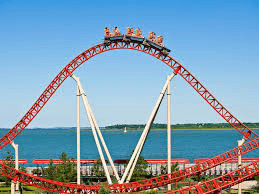
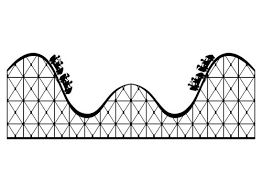
When a roller coaster is at the top of a hill it has

a)

high potential energy

b)

high kinetic energy

c)

low potential energy

d)

equal amounts of kinetic and potential energy
17.
The energy of motion.
a)
Potential Energy
b)
Kinetic Energy
18.

When a roller coaster is at the bottom of a hill it has

a)

high potential energy

b)

high kinetic energy

c)

low kinetic energy

d)

equal amounts of kinetic and potential energy

19.

Which passenger has the most potential energy?

a)

A

b)

B

c)

C

d)

D

20.

Conservation of energy means that

a)

energy can be created but not destroyed

b)

energy can be destroyed but not created

c)

energy can both be created and destroyed

d)

energy can neither be created nor destroyed

21.

Which is the best example that something has kinetic energy?

a)

a car parked on a steep hill

b)

a tennis ball rolling across the court

c)

a picture hanging on the wall

d)

a piece of coal before it's burned

22.

Complete the following sentence. The ________________ an object moves, the more ____________________ energy it has.

a)

slower ... potential

b)

faster .... kinetic

c)

faster ... potential

d)

slower ... kinetic

23.
What is the force that causes objects to fall to Earth?
a)
Air resistance
b)
Gravity
c)
Water resistance
d)
Pressure
24.
What force does a parachute use to slow things down before hitting the ground?
a)
Friction
b)
Air resistance
c)
Water resistance
d)
Wind
25.
When two objects rub together, what force do they produce
a)
Gravity
b)
Air resistance
c)
Friction
d)
Water resistance
26.
What force holds the planets in motion around the sun?
a)
Magnetic
b)
Electrical
c)
Gravitational
d)
Air Resistance
27.
What does the strength of gravity between two objects depend upon?
a)
Mass & distance
b)
Mass & weight
c)
Gravity & inertia
d)
Inertia & mass
28.
What force ultimately slows the roller coaster to a stop?
a)
Applied
b)
Normal
c)
Friction
d)
Magnetic
29.
An _______ force must act on an object for it to CHANGE it's motion
a)
balanced
b)
unbalanced
c)
gravitational
d)
electrical
30.

What is defined as a push or pull?

a)

force

b)

motion

c)

vector

d)

speed

31.

If the net force is equal to zero, the forces acting on the object are

a)

balanced

b)

unbalanced

32.

A contact force is from

a)

objects physically touching

b)

far apart objects

c)

not touching object

d)

always a pull

33.

A non-contact force is between

a)

two objects that aren't touching

b)

two objects that are touching

c)

the ground and wheels

d)

you and me

34.

The force between the phone and the mount is a

a)

contact force

b)

non-contact force

35.

The three examples pictured are of

a)

Non-contact Forces

b)

Contact Forces

36.

A contact force is from

a)

objects physically touching

b)

far apart objects

c)

not touching object

d)

always a pull

37.

A contact force is from

a)

objects physically touching

b)

far apart objects

c)

not touching object

d)

always a pull

38.

A contact force is from

a)

objects physically touching

b)

far apart objects

c)

not touching object

d)

always a pull

39.
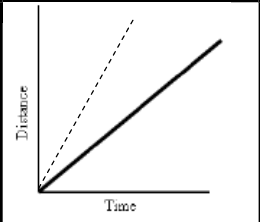
What does this graph represent?
a)
Constant Speed
b)
Acceleration
c)
Not moving
40.

Describe the motion in the graph:

a)

Constant Speed (positive slope)

b)

Stopped (at rest)

c)

Acceleration (increasing speed)

d)

Return Home (negative slope)

41.

Describe the motion in the graph:

a)

Constant Speed (positive slope)

b)

Stopped (at rest)

c)

Acceleration (increasing speed)

d)

Return Home (negative slope)

42.

Describe the motion in the graph:

a)

Constant Speed (positive slope)

b)

Stopped (at rest)

c)

Acceleration (increasing speed)

d)

Return Home (negative slope)

43.
What is happening at D?
a)
Stationary
b)
Accelerating
c)
Fast steady speed; moving away from the starting position
d)
Slower steady speed; moving away from the starting position
44.

Match the description to the graph:

"The car is coming back."

a)
b)
c)
d)
45.
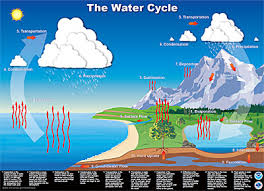
What part of the water cycle does this picture show?
a)
condensation
b)
precipitation
c)
evaporation
46.
Which is the opposite of condensation?
a)
runoff
b)
evaporation
c)
precipitation
d)
transpiration
47.
Snow, sleet, hail, and rain are all examples of  ________________. 
a)
evaporation
b)
condensation
c)
accumulation
d)
precipitation
48.
What is it called when plants give off water vapor as a waste product?
a)
condensation
b)
evaporation
c)
sublimation
d)
transpiration
49.
When water _________, dew forms.
a)
Melts
b)
Evaporates
c)
Condenses
d)
Precipitates
50.
What is the energy source for the water cycle?
a)
the sun
b)
the earth
c)
water
d)
the moon
51.
Precipitation happens when clouds of water droplets are too ______________.
a)
cold
b)
light
c)
heavy
d)
hot
52.
During which stage do clouds form?
a)
condensation
b)
evaporation
c)
precipitation
53.
When water is heated in the ocean by the sun and turns into water vapor
a)
condensation
b)
evaporation
c)
transpiration
d)
runoff
54.
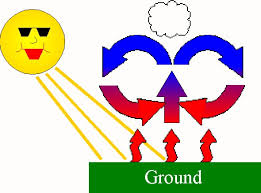
Warm air rises and the cool air sinks demonstrates this type of heat transfer. 
a)
conduction
b)
convection
c)
radiation
d)
Insolation 
55.
What kind of heat transfer happens when the sun heats your body?
a)
Conduction
b)
Radiation
c)
Convection
d)
Density
56.
When you iron a shirt, the shirt gets warm.  This type of heat transfer is an example of
a)
condensation
b)
conduction
c)
convection
d)
radiation
57.
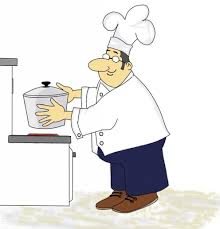
The man takes the hot pot off the stove with his bare hands and his hands get burned.  This is an example of 
a)
conduction
b)
convection
c)
radiation
58.
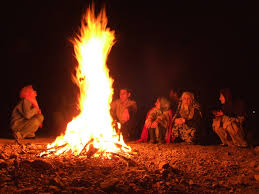
A group of friends gather around a fire to stay warm.  This is an example of
a)
conduction
b)
convection
c)
radiation
59.
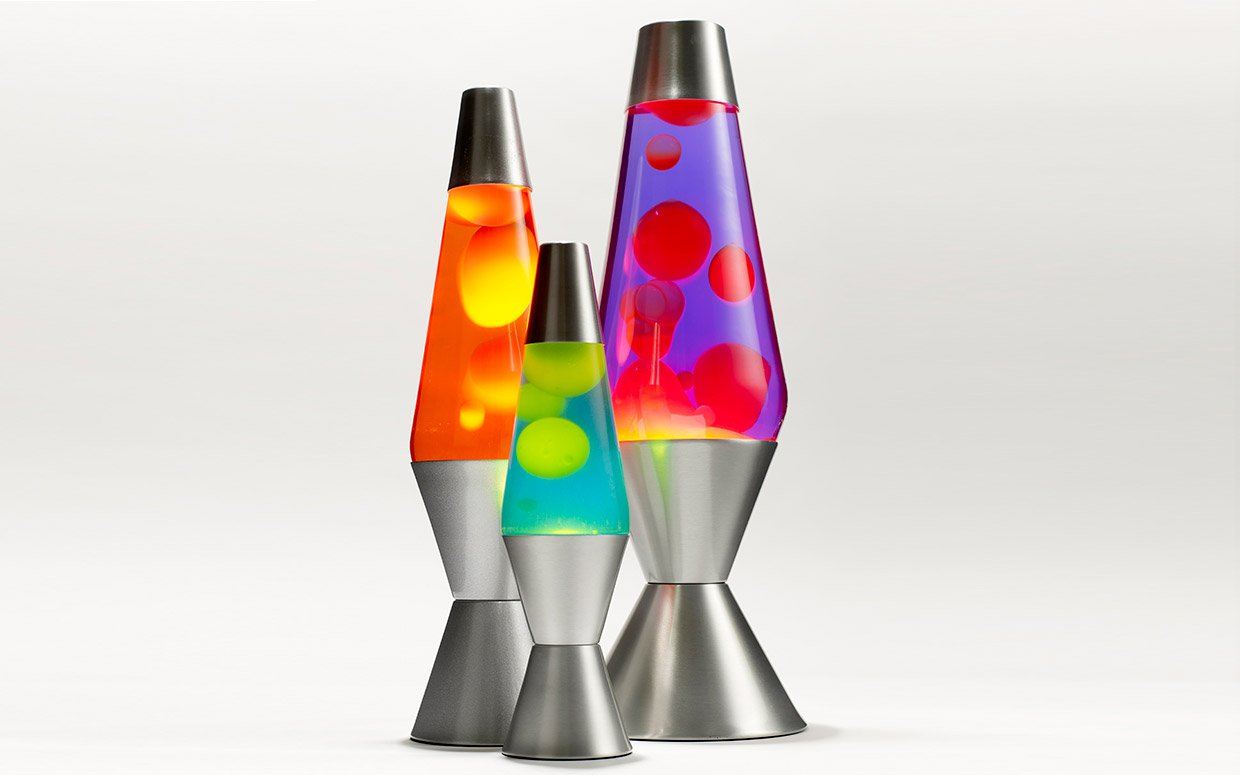
This is a lava lamp. When the light bulb heats the wax, the wax rises. When the wax cools, it falls. This cycle of rising/falling is an example of:
a)
Conduction.
b)
Convection.
c)
Radiation.
60.
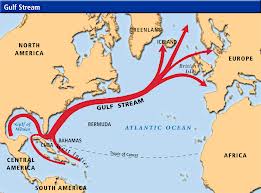
The Gulf Stream is a current that brings warm ocean water from the south to the north. What type of heat transfer is this?
a)
conduction
b)
convection
c)
radiation
d)
Insolation 
61.
Winds are named for the direction they are blowing from?
a)
True
b)
False
62.
Where does the initial source of energy come from that creates winds?
a)
the moon
b)
the Sun
c)
the Earth's surface
d)
the rotation of the Earth
63.
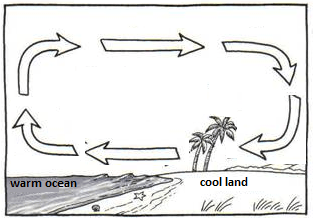
What kind of breeze is this and when would it form?
a)
Land breeze - daytime
b)
Land breeze - nighttime
c)
Sea breeze - daytime
d)
Sea breeze - nighttime
64.
Winds are created by differences in ______
a)
air temperature
b)
 air pressure 
c)
altitude
d)
humidity 
65.
Air always blows from 
a)
High pressure to low pressure
b)
 Hot air to cold air
c)
 low pressure to high pressure
d)
East to west
66.
Cold air exerts _____________ pressure than warm air.
a)
the same
b)
less
c)
more 
d)
impossible to tell
67.
Which term best describes how the earth's atmosphere is heated?
a)
Spirally
b)
Unevenly
c)
Circularly
d)
Kinetically
68.
What is the name for cooler air blowing from the sea to land?
a)
Sea Breeze
b)
Land Breeze
c)
Mountain Breeze
d)
None of the Above
69.
What do you call winds that blow in the same direction all over the Earth?
a)
global winds
b)
Coriolis effect
c)
Greenhouse effect
d)
sea breezes
70.
Wind blows from ______ pressure areas to _____ pressure areas.
a)
high; low
b)
warm; cool
c)
cool; warm
d)
low; high
71.

What will most likely result when the jet stream moves south of North Carolina?

a)

North Carolina will experience tropical weather conditions.

b)

North Carolina will experience cold weather.

c)

North Carolina will experience hot, dry weather.

d)

North Carolina will experience mild weather.

72.

If the jet stream moved south of the Great Lakes, you would expect

a)

warmer weather in the Great Lakes region.

b)

cooler weather in the Great Lakes region.

c)

the Jet Stream doesn't impact the weather of a place

d)

it is impossible to make a hypothesis about this question.

73.

What kind of weather would you expect at the place marked "X" on the weather map?

a)

warm and wet

b)

cold and wet

c)

cold and sunny

d)

cold and clear

74.

What is the effect of the flow of the Gulf Stream Current on Clifden, Ireland

a)

It keeps the coastal area cool.

b)

It makes the climate warmer.

c)

It makes it rain less.

d)

It makes the climate colder.

75.
Two types of ocean currents are
a)
local and global
b)
sea and land
c)
surface and deep
d)
warm and cold
76.

Ocean currents affect climates around the world. Based on the map, which area MOST likely has a warmer climate than expected?

a)

1

b)

2

c)

3

d)

4

77.
The warm, strong current off the coast of Florida is the 
a)
Gulf Stream
b)
California Current
c)
North Equatorial Current
d)
Brazil Current
78.

What heats the Earth's oceans?

a)

People

b)

Boats

c)

a heater

d)

sun

79.
______ is the average pattern for weather over a long period of time.
a)
climate
b)
weather
c)
forecast
d)
sunlight
80.
Earth is unevenly heated due to its?
a)
oceans and moon
b)
tilt and shape
c)
gravity and clouds
d)
climate and weather
81.
Wind speed is changing as the Hurricane moves over land.
a)
Weather
b)
Climate
82.
We can expect rain on Tuesday.
a)
Weather
b)
Climate
83.
The North and South Poles are usually cold and dry.
a)
Weather
b)
Climate
84.
Functions in energy production, known as the energy factory of the cell
a)
mitochondria
b)
chloroplast
c)
vacuole
d)
cytoplasm
85.
The control center that controls all the functions of the cell
a)
cytoplasm
b)
cell wall
c)
cell membrane
d)
nucleus
86.
Contains chlorophyll and is where photosynthesis takes place. Found in plant cells only.
a)
mitochondria
b)
chloroplast
c)
vacuole
d)
cytoplasm
87.
jelly-like substance that is located between the cell membrane and the nucleus
a)
mitochondria
b)
chloroplast
c)
vacuole
d)
cytoplasm
88.
Semi-permeable layer around the cell that encloses the contents of the cell
a)
nucleus
b)
cell membrane
c)
cell wall
d)
chloroplast
89.
I store water in both plant and animal cells. What am I?
a)
cytoplasm
b)
ribosomes
c)
vacuole
d)
lysosomes
90.
Which organelle uses energy from sunlight to make sugar?
a)
mitochondria
b)
nucleus
c)
chloroplasts
d)
vacuoles
91.
Gives the cell a rigid, box-like shape; outside of the cell membrane; in plants.
a)
cytoplasm
b)
chromatin
c)
cell wall
d)
cell membrane
92.

Cells form tissues, tissues form organs, organs work together to form

a)

lungs

b)

organ systems

c)

skin

d)

heart

93.

What might the immune system protect our body from?

a)

sugars, fats, and carbs.

b)

viruses, bacteria

c)

lice, worms, fleas

d)

cough, sneeze, vomit

94.

What is the term for a group of organs that break down food so that it can be used for energy, cell growth and repair?

a)

circulatory system

b)

digestive system

c)

excretory system

d)

muscular system

e)

nervous system

95.

What is the term for the control center for the entire body that sends signals from throughout the body to the brain?

a)

circulatory system

b)

respiratory system

c)

excretory system

d)

muscular system

e)

nervous system

96.

What is the term for the group of organs that remove excess water and filter waste from the body?

a)

circulatory system

b)

respiratory system

c)

excretory system

d)

muscular system

e)

digestive system

97.

What is the term for the organ system that provides oxygen to the blood and removes carbon dioxide from the blood?

a)

circulatory system

b)

respiratory system

c)

nervous system

d)

muscular system

e)

digestive system

98.

What is the term for the organ system that allows for the body’s movement, including voluntary and involuntary movement?

a)

excretory system

b)

respiratory system

c)

nervous system

d)

muscular system

e)

digestive system

99.

What is the term for the organ system that moves blood, gases, and nutrients throughout the body?

a)

circulatory system

b)

respiratory system

c)

nervous system

d)

excretory system

e)

digestive system

100.

What organ system are lungs part of?

a)

digestive system

b)

respiratory system

c)

muscular system

d)

nervous system

e)

excretory system

101.

What color is your blood?

a)

blue

b)

purple

c)

yellow

d)

red

102.

What is the name of the system that supports the weight of the entire body?

a)

Skeletal system

b)

Nervous system

c)

Digestive system

d)

Circulatory system

103.
Choose the correct order of taxa from LARGEST to SMALLEST
a)
Species, Genus, Family, Order, Class, Phylum, Kingdom
b)
Family, Kingdom, Order, Phylum, Class, Order, Species, Genus
c)
Kingdom, Phylum, Class, Order, Family, Genus, Species
d)
Phylum, Order, Species, Family, Genus, Kingdom
104.
The three Domains are:
a)
Plant, Animal, Bacteria
b)
Bacteria, Archaea, Eukarya
c)
Fungi, Animal, Plant
d)
Invertebrates, Vertebrates, Plants
105.
What is the scientific name for a dog?
a)
Dog
b)
familiarius
c)
Canis familiarius 
d)
Canis
106.
Which organisms are closely related? 
a)
American badger and leopard
b)
coyote and gray wolf
c)
european otter and leopard
d)
coyote and american badger
107.
The scientific name for an organism is made from the:
a)
class and family name
b)
genus and species name
c)
domain and kingdom name
d)
kingdom and phylum name