
 Worksheets
Science 6 Semester 2 Exam Revision
Total questions: 120
Worksheet time: 2hrs 0mins
How many types of magnetic poles are there?
2
1
4
3
Materials that are not attracted towards the magnet are called
Iron
Magnetite
Non-magnetic
Magnetic

Name the shape of magnets in the given image.
Horse shoe shaped magnet
Bar magnet
All of them
None of them

Name the shape of the magnet
Ring magnet
Bar magnet
Horse shoe shaped magnet
None of them
Name the first magnet
Horseshoe magnet
Lodestone magnet
Bar magnet
When a bar magnet is brought near iron dust, most of the dust sticks
Near the middle
Equally everywhere
Near two ends
At the middle and ends
Compass needle is made up of magnet
True
False
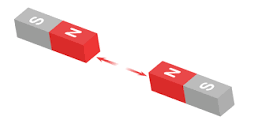
What happens when two different poles are brought near each other?
They push each other away.
They pull each other together.
They stay at rest.
They move up.
Sailors can learn the direction in which they are moving by using a(n) ___.
attract
north
compass
pole
Rubbing a needle with a magnet turns the needle into a ___.
iron
temporary magnet
magnetic field
pole
Which statement is false?
Earth is a giant magnet.
A compass always points west.
A compass needle is a thin magnet.
Magnetic force can pull through water.
The north pole of a magnet attracts the
North Pole of Earth.
north pole of another magnet.
south pole of another magnet.
needle of a compass.
. What would we call a nail that can pick up a paperclip because it is touching a magnet?
Temporary magnet
Poles
Force
Detector
True or False: All metals are attracted to magnet.
TRUE
FALSE
Where on a magnet is the force the strongest
Poles
Middle
Repel
What is a force?
the PUSH or PULL on an object
The MOTION an object creates
The objects HITTING one another
Going REALLY FAST
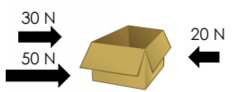
If the net force is 0 the object will ...
CHANGE its motion
STAY the SAME, NOT Move


What is this tool used to measure?
temperature
length
distance
force

What force pulls a mango down to the ground?
Energy
Force
Friction
Gravity

Why is it easy to slip when there is water on a smooth floor?
The water is a lubricant and reduces the friction between your feet and the floor.
The friction between your feet and the floor changes from sliding.
The water increases the friction between your feet and the floor.
The friction between your feet and the floor are nothing do with water.
Which has the greatest friction?
wet floor
polished floor
tiled floor
rough floor
What kind of energy are coal, gasoline, petroleum and firewood contained?
Chemical Energy
Electrical Energy
Radiant Energy
Thermal Energy


Hydro power comes from:
the Sun
water
batteries
dolphins
Electricity is a form of:
energy
volcano
confusion
nuclear explosion

Renewable or Nonrenewable: Oil
Nonrenewable
Renewable

Renewable or Nonrenewable: Sunlight
Renewable
Nonrenewable

This is a liquid fuel derived from plant materials.
wind energy
biofuel (from biomass)
geothermal energy
solar energy
The weight of the objects on the moon surface is equal to ----- its weight on the Earth.
X10
1\6
1\5
The standard unit of mass is ...
kilogram
newton
liter
gram
The standard unit of weight is ...
kilogram
newton
joule
liter
The amount of matter in the object is called ...
weight
power
energy
mass
The amount of force that pulls objects towards the Earth is called ...
mass
power
weight
energy
The device to measure weight is called ...
beaker glass
scale
ruler
forcemeter
Inner planets are consist of ______
Mercury , Venus, Jupiter and Mars
Mercury, Jupiter, Saturn and Mars
Marcury, Earth, Mars and Neptune
Mercury, Venus, Earth and Mars
Which of the following is considered the 'Red Planet?
Mars
Earth
Venus
Mercury
How are different forms of energy related?
they can all be transformed into other forms of energy
none of them can be transformed into other forms of energy
they can be created
they can be destroyed
A change from one form of energy to another
energy conservation
energy transformation
potential energy
kinetic energy
_________ CANNOT be created or destroyed
energy
transformation
motion
pendulums
Another way to preserve those resources is to __________ energy whenever possible.
Turn it off
Run the water
Conserve
Use only what you need

Which point on the roller coaster's path represents the maximum potential energy?


Energy is transferred in solids by conduction, which means that
heat travels in both directions.
heat travels from the cooler object to the hotter object.
heat travels from the hotter object to the cooler object.
heat does not travel between objects of different temperatures.
How many planets in our solar system?
7
8
12
10
It takes ________ days for the Earth to orbit the Sun.
366 days
366 1/2 days
365 1/4 days
300 days
It takes _________ days for the moon to orbit the Earth.
28 days
35 days
25 days
20 days
The moon orbits the Earth and the Earth orbits the __________.
Earth
Planet
Sun
Satellite
It takes ___________ hours for the Earth to make one complete spin on its axis.
24
25
26
27
The imaginary line that separate the Earth into 2 hemisphere is called _____________________
Axis
Line
Equator
Orbit

This phase of moon is called __________________
Waxing gibbous
Waning gibbous
Full moon
New moon

This is _______________
New moon
Last quarter
First quarter
Full moon
The sixth planet from the Sun; known for its large rings.
Saturn
Mercury
Earth
Mars

____________ is used to produce electric current in the circuit.
Part A
Part B
Part C
Part D

When the switch is closed, ___________.
the light bulb will not light up
there is no break in a circuit
the electric current doesn't flow
there is a break in a circuit

This component is used to _________
supply the energy
flow electric current
open or close the circuit
produces light and heat
_____________ convert the electrical energy into sound energy in the electric circuit.
Buzzer
Key
Eraser
Motor

What is the component labelled C
Battery
Buzzer
Light bulb
Switch

What does this symbol mean?
A battery
Batteries
Switch
Wire

What kind of circuit is this?
series
parallel
A mass of 1kg weighs about 10N.
A truck weighs 350 N. What is the mass of the truck?
(a)
1 kg mass = 10 N weight
What is the weight of a 23.5 kg object?
(a)
Why do we have to model our solar system?
Fun activity to do
The solar system is too large to be seen
The solar system is too small to be seen
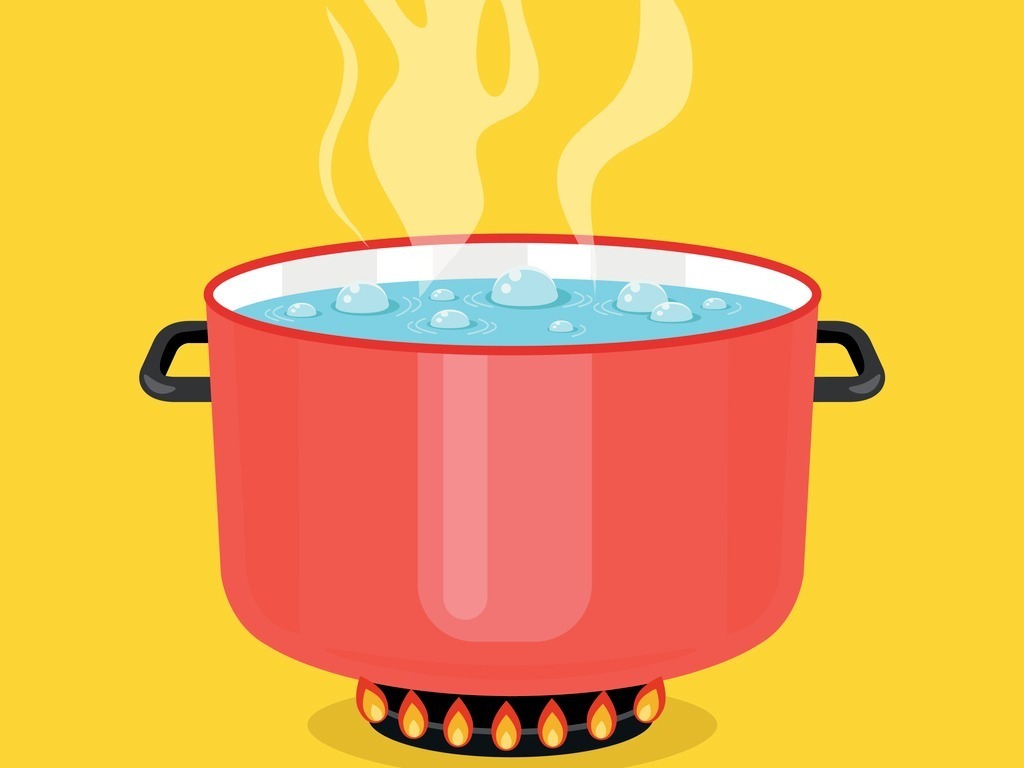
What is happening at the boiling point?
liquid to gas
solid to liquid
gas to liquid
liquid to solid
The temperature at which a substance changes states from a solid to a liquid
Freezing point
Melting point
Evaporation
Condensation
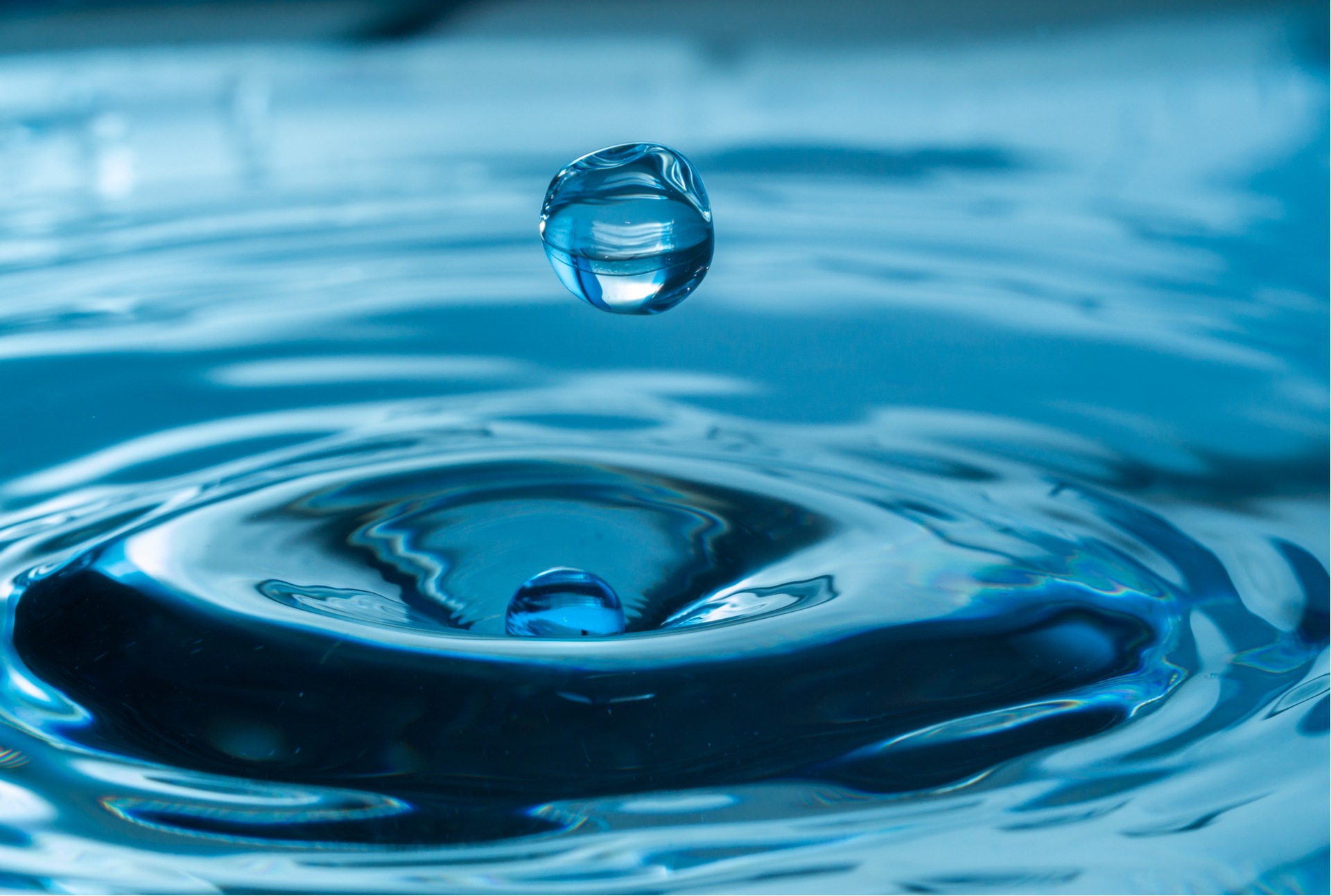
Which of this can water be turned into
liquid
solid
gas
all of the above
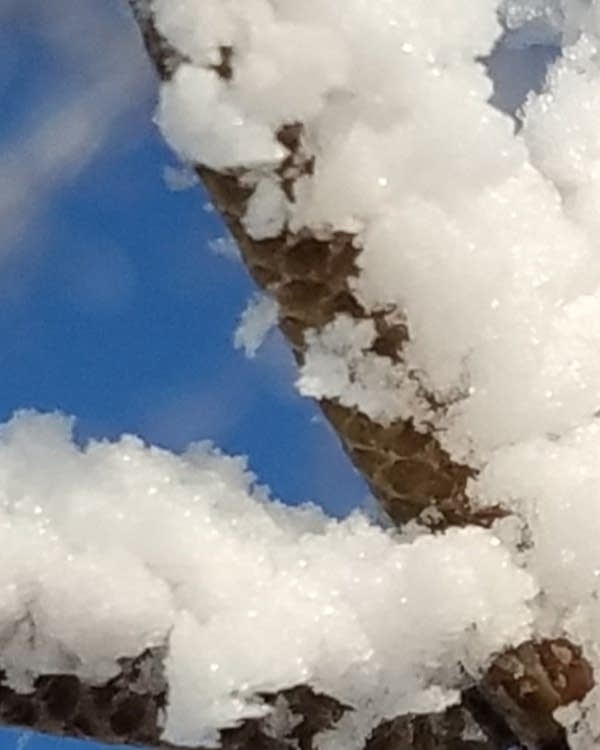
What is water's freezing point?
100 C
0 C
32 C
5 C
Human body normal temperature is around...
27 0 C
370 C
400 C
Which of the following examples undergo the evaporation process?
a pail of water under the heat of the sun
brushing your teeth after meal
ironing clothes every weekend
listening to the radio
A substance's melting point is the same as its
freezing point.
condensation point.
boiling point.
When BOILING occurs what happens to heat and particle movement?
increase of heat and faster particles
decrease of heat and slower particles
When condensation occurs what happens to heat and particle movement?
increase of heat and faster particles
decrease of heat and slower particles
When freezing occurs what happens to heat and particle movement?
increase of heat and faster particles
decrease of heat and slower particles
When melting occurs what happens to heat and particle movement?
increase of heat and faster particles
decrease of heat and slower particles

Which picture represents boiling?
1
2
Which picture represents evaporation?
1
2
Can happen at any temperature.
Evaporation
Boiling
Occurs throughout the whole of a liquid when a liquid is hot enough.
Evaporation
Boiling
Which one of these is considered a SOLUTE?
Salt
Water
Salt Water
From the diagram in the previous slide which is solvent?
Salt
Water
Salt Water
From the diagram in the previous slide which is solution?
Salt
Water
Salt Water

What is a mixture in which all the parts are EVENLY mixed?
energy
beaker
solution
salad

Which of the following is a solution?
lemonade
trail mix
legos
iron filings and sand
What is this tool used to measure?
temperature
length
distance
force

What is a Force?
The distance
Mass
A push or pull
Give me a failing grade

The illustration below shows what happened when a balloon touched a girl’s hair.
Which type of force caused the girl’s hair to cling to the balloon?
magnetic force
frictional force
electrical force
gravitational force

Magnets can be a useful tool. Look closely at the picture below which shows a magnet and various metal objects.
What will happen as the magnet moves closer to the metal objects?
The magnet will attract the objects.
The magnet will become heavier.
The magnet will push the objects away
Nothing will happen to the objects
_________ opposes motion.
acceleration
gravity
friction
inertia
An object drops due to the force of _____________.
inertia
momentum
friction
gravity

What force holds the planets in motion around the sun?
Magnetic
Electrical
Gravitational
Air Resistance

Segment A-B The bus is _________________.
at rest
returning (to original position)
moving forward
Match the description to the graph:
"The car is traveling at a constant speed."


Match the description to the graph:
"The car is stopped."

