wayground logo

Free Printable Worksheets

Font size

S
M
L
XL
Worksheets

Body Systems Review

Total questions: 119

Worksheet time: 2hrs 37mins

Name
Class
Date
1.
Which body system sends electrical signals to all other body systems?
a)
circulatory system
b)
nervous system
c)
digestive system
d)
skeletal system
2.

What system helps deliver nutrients and oxygen to all of your body cells?

a)

Circulatory

b)

Respiratory

c)

Digestion

d)

Excretory

3.

What system supports and protects your internal organs?

a)

Muscular

b)

Digestive

c)

Excretory

d)

Skeletal

4.

Which two body systems are working together to make this type of physical movement from the basketball player?

a)

Circulatory and Excretory

b)

Skeletal and Muscular

c)

Nervous and Digestive

d)

Respiratory and Skeletal

5.

What is the function of the system pictured?

a)

Helps pumps your blood through out your body.

b)

Helps move and protect your body.

c)

Helps take in oxygen and remove carbon dioxide.

d)

Helps maintain body your temperature.

6.

Which system provides shape and support, enables you to move, and stores minerals

a)

Skeletal

b)

Muscular

c)

Integumentary

d)

Respiratory

7.

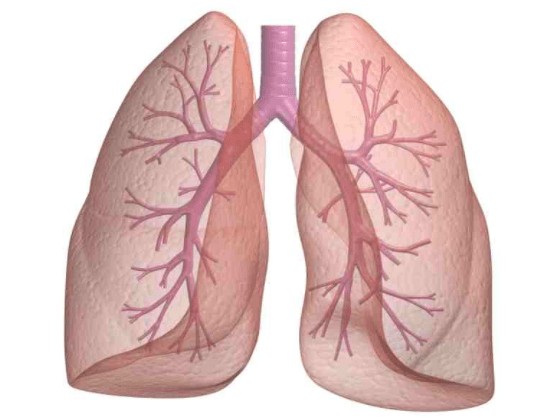
Which system includes the nose, trachea and the lungs?

a)

Excretory

b)

Respiratory

c)

Circulatory

d)

Muscular

8.

Which system includes the kidneys, ureters, urinary bladder, urethra?

a)

Digestive

b)

Muscular

c)

Excretory

d)

Nervous

9.

Which body system transports oxygen and nutrients through out the body?

a)

Muscular

b)

Nervous

c)

Digestive

d)

Circulatory

10.

How does the muscular system and the skeletal system work together?

a)

The muscular system allows the body to stand up while the skeletal system allows the body to move

b)

The muscular system allows the body to move and the skeletal system gives the body a structure

c)

The muscular system gives the body nutrients while the skeletal system gives the body blood

d)

The skeletal system makes blood cells and the muscular system makes nutrients

11.

The muscular organ that pumps blood through out your body is your

a)

Arteries

b)

Diaphragm

c)

Heart

d)

Larynx

12.
The main function of the digestive system is to...
a)
Protect the body from infections
b)
Store nutrients into the bones
c)
Break down food to be absorbed
d)
Support and protect the organs of the body
13.
Which body system is required in producing offspring?
a)
Reproductive System
b)
Endocrine System
c)
Digestive System
d)
Immune System
14.
What is the main function of the excretory system?
a)
Convert food into nutrients
b)
Send signals in the form of hormones
c)
Filter water and remove waste products from the body
d)
Exchange gases between the body
15.
This system brings in oxygen into the body and removes carbon dioxide...
a)
Circulatory
b)
Respiratory
c)
Excretory
d)
Digestive
16.
The large intestine is part of the digestive system. What is the main function of the large intestine?
a)
Remove body fat
b)
Remove Urine
c)
Remove solid waste
d)
Remove water
17.
Which of the following is the SMALLEST?
a)
Tissues
b)
Organs
c)
Cells
d)
Organ Systems
18.

What organ is this?

a)

liver

b)

lung

c)

heart

d)

kidney

19.

Which one is the correct level of organization?

a)

tissue-organ-organ system-organism-cell

b)

cell-tissue-organ system-organ-organism

c)

cell-tissue-organ-organ system-organism

d)

organ-organ system-tissue-organism-cell

20.

What happens to your breathing rate and heart rate when you exercise or scared?

a)

your heart stops beating and you drop dead

b)

you stop breathing and suffocate

c)

heart rate increases and breathing rate increases

d)

nothing happens

21.

What is the function of the muscular system?

a)

support

b)

movement

c)

sending messages

d)

remove wastes

22.

What is the function of the digestive system?

a)

support and protect

b)

breakdown food for energy

c)

movement

d)

produce hormones

23.

Where does digestion begin?

a)

small intestine

b)

esophagus

c)

mouth

d)

pancrea

24.
Which is part of the digestive system?
a)
brain
b)
heart
c)
stomach
d)
lungs
25.
What is the main function of the skeletal system?
a)
clean the body
b)
support the body
c)
deliver nutrients
d)
take in oxygen for body to use
26.
Which body system’s main purpose is to help the body move?
a)
digestive
b)
skeletal
c)
muscular
d)
circulatory
27.

The "removal of waste" is the main function of what body system?

a)

Circulatory

b)

Excretory

c)

Reproductive

d)

Respiratory

28.
What body system protects your organs?
a)
Nervous System
b)
Cardiovascular System
c)
Respiratory System
d)
Skeletal System
29.
 Each body system includes two or more organs that work together.  This means that body systems are interrelated.
a)
True
b)
False
30.
What body system breaks down food for energy?
a)
Urinary System
b)
Digestive System
c)
Lymphatic System
d)
Respiratory
Respiratory System
31.
What system sends and receives messages?
a)
Immune System
b)
Urinary System
c)
Digestive System
d)
Nervous System
32.
What system carries oxygen to the blood?  
a)
Cardiovascular System
b)
Respiratory System
c)
Nervous System
d)
Endocrine System
33.
What system protects the body from disease?
a)
Lymphatic System
b)
Endocrine System
c)
Immune System
d)
Urinary System
34.
Gas exchange between the blood and the outside occurs in which system?
a)
Respiratory
b)
Circulatory
c)
Lymphatic
d)
Integumentary
35.
The main function of the excretory system is....
a)
To filter waste from the blood stream and carry it outside of the body.
b)
To transport nutrients to the body.
c)
To break down nutrients for absorption.
d)
To provide structure and support for the body.
36.
Your skin and hair are parts of your ___________
a)
endocrine system
b)
excretory system
c)
lymphatic system
d)
integumentary system
37.
Which system uses hormones to regulate body activities?
a)
Integumentary
b)
Urinary
c)
Endocrine
d)
Immune
38.
Each bone has a particular job. What is the job of the skull?
a)
pumps blood to the brain
b)
protects the brain
c)
helps the body to make decisions
d)
tells the brain what to do
39.
This system controls everything you do.
a)
nervous system
b)
olfactory system
c)
digestive system
d)
circulatory system
40.
Which part of the body is the control center for the nervous system? 
a)
spinal cord
b)
stomach
c)
brain
d)
heart
41.
What body system makes your body move? 
a)
Circulatory
b)
Respiratory
c)
Skeletal
d)
Muscular
42.
What body system consists of the heart?
a)
Excretory
b)
Digestive
c)
Circulatory
d)
Respiratory
43.
How many bones make up a human adult?
a)
205
b)
206
c)
207
d)
208
44.
My heart is a _________, that pumps blood through the body. 
a)
Cell
b)
Tissue
c)
Muscle
d)
Bone
45.
Veins carry blood ______ the heart. 
a)
Around
b)
Away
c)
To
d)
Across
46.
The air I breathe in goes down my trachea to my ______?
a)
Heart
b)
Lungs
c)
Brain
d)
Stomach
47.
My body needs ______ from the air to live. 
a)
Oxygen
b)
Cardon Dioxide
c)
Carbon Monoxide
d)
Hydrogen Peroxide
48.
I breathe out a gas called ___________ that my body does not need. 
a)
Oxygen
b)
Carbon Monoxide
c)
Carbon Dioxide
d)
Hydrogen Peroxide
49.
My small and large ___________ break down the food so my body can use it for energy.
a)
Intestines
b)
Kidneys
c)
Stomach
d)
Bladder
50.
What body system consists of the lungs
a)
Respiratory
b)
Circulatory
c)
Muscular
d)
Skeletal
51.
What is the main function of the circulatory system?
a)
to make new cells
b)
to break down nutrients
c)
to help deliver messgaes
d)
to pump and deliver blood to all the cells of the body
52.
The __________ is the main organ of the nervous system.
a)
heart
b)
lungs
c)
brain
d)
skin
53.
___________ are the building blocks of life.
a)
cells
b)
legos
c)
blocks
d)
blood
54.
The food I eat goes down my esophagus to my __________.
a)
Bladder
b)
Kidney
c)
Stomach
d)
Big Toe
55.
When tissues come together, they form ___________.
a)
cells
b)
atoms
c)
organs
d)
systems
56.
Which of the following shows the levels of organization of an organism from LEAST to MOST complex.
a)
cells-tissues-systems-organs
b)
organs-cells-systems-tissues
c)
systems-organs-tissues-cells
d)
cells-tissues-organs-systems
57.
Every organ system is made up of one or more: 
a)
Organisms
b)
Bones
c)
Organs
d)
Muscles
58.
A young boy cuts his hand on a piece of glass. To prevent infection, white blood cells travel to the site of the cut through the bloodstream. During this response to injury, the circulatory system works with which body system?
a)
Muscular system
b)
Respiratory system
c)
Excretory system
d)
Immune system
59.
Removes waste and excess material
a)
Lympathic
b)
Immune
c)
Excretory
d)
Nervous
60.
Breaks down food in order to provide energy for the body
a)
Nervous
b)
Immune
c)
Integumentary
d)
Digestive
61.
Transports oxygen, food, and waste products throughout the body
a)
Lymphatic
b)
Endocrine
c)
Muscular
d)
Circulatory
62.
Brings oxygen into the body and releases carbon dioxide and other wastes
a)
Respiratory
b)
Circulatory
c)
Integumentary
d)
Muscular
63.
Levels from smallest to largest
a)
organ, tissue, cell, organ system
b)
cell, tissue, organ system, organ
c)
organ, tissue, organ system, cell
d)
cell, tissue, organ, organ system
64.

Which statement Best describes what takes place in the small intestines?

a)

nutrients are absorbed from the food

b)

wastes are prepared to pass out of the body

c)

food is churned with acid to break down proteins

d)

excess water is reabsorbed into the blood stream

65.

Which of the following helps to produce urine in humans and other mammals?

a)

bladder

b)

urethra

c)

kidneys

d)

ureter

66.

Strong acids are added in this organ to help break food down chemically

a)

small intestine

b)

large intestine

c)

gallbladder

d)

stomach

67.
Which example best shows structures that make up the digestive system in the human body?
a)
heart, blood, vessels
b)
nose, trachea, lungs
c)
brain, spinal cord, nerves
d)
esophagus, stomach, intestines
68.
Which are parts of the digestive system
a)
Mouth, lungs
b)
Mouth, teeth
c)
Mouth, brain
d)
Teeth, lungs
69.
Organ that absorbs most of the nutrients from food
a)
esophagus
b)
stomach
c)
large intestines
d)
small intestines
70.
Lungs are part of the _______________________ system.
a)
muscular system
b)
nervous system
c)
circulatory system
d)
respiratory system
71.
The stomach, heart, lungs and liver are examples of...
a)
cells
b)
organ systems 
c)
organs
d)
tissue
72.
largest organ in the body 
a)
reproductive System 
b)
integumentary System
c)
urinary system
d)
skeletal system
73.
I keep your structure and support your body 
a)
Digestive System 
b)
Muscular System 
c)
Skeletal System 
d)
Immune System 
74.

Which system gives our body its shape?

a)

Muscular

b)

Skeletal

c)

Nervous

d)

Digestive

75.

The brain is the main organ of what system?

a)

Circulatory

b)

Nervous

c)

Endocrine

d)

Respiratory

76.

Name the main organ of the excretory system.

a)

Heart

b)

Liver

c)

Kidneys

d)

Pancreas

77.

System responsible for getting oxygen in and out of the lungs

a)

Circulatory

b)

Muscular

c)

Skeletal

d)

Respiratory

78.

What body System makes it possible to create off spring.

a)

Endocrine

b)

Muscular

c)

Respiratory

d)

Reproductive

79.

Which is the smallest in terms of size?

a)

Organs

b)

Cells

c)

Tissues

d)

Body Systems

80.

Which is the largest in terms of size?

a)

Organs

b)

Cells

c)

Tissues

d)

Body Systems

81.

This is made up of many different cells.

a)

Organs

b)

Cells

c)

Tissues

d)

Body Systems

82.

These are structures made up of different types of tissues all working together.

a)

Organs

b)

Cells

c)

Tissues

d)

Body Systems

83.
 Which system is the esophagus in?
a)
digestive
b)
urinary
c)
integumentary
d)
skeletal
84.
1. Which system are the lungs in?
a)
respiratory
b)
digestive
c)
excretory
d)
muscular
85.
 Which system is the stomach in?
a)
respiratory
b)
digestive
c)
nervous
d)
excretory
86.

What system is the image below?

a)

Respiratory

b)

Digestive

c)

Excretory

d)

Endocrine

87.

What system is shown?

a)

excretory

b)

integumentary

c)

skeletal

d)

muscular

88.

What system is shown?

a)

integumentary

b)

nervous

c)

skeletal

d)

muscluar

89.

What system is shown?

a)

nervous

b)

skeletal

c)

muscular

d)

integumentary

90.

What system is shown?

a)

nervous

b)

circulatory

c)

digestive

d)

endocrine

91.

What system is shown?

a)

digestive

b)

urinary

c)

integumentary

d)

respiratory

92.

What are the structures of the integumentary system?

a)

hair, skin, nails, sweat glands

b)

hair, spit, eye boogers

c)

Hair, nails

d)

Just skin

93.
The model shown is a representation of the ______ system
a)
respiratory
b)
digestive
c)
cardiovascular
94.
I have a brain, spinal cord and nerves.
a)
Digestive System
b)
Nervous System
c)
Muscular System
95.
The smallest unit that is a building block for all life.
a)
tissue
b)
organelle
c)
cell
96.
What is the main function of the respiratory system?
a)
oxygen in; carbon dioxide out
b)
carbon dioxide in; oxygen out
c)
carbon dioxide and oxygen in
97.

Which body system is represented in the diagram?

a)

digestive

b)

circulatory

c)

respiratory

d)

excretory

98.

Which body system is represented in the diagram?

a)

digestive

b)

circulatory

c)

respiratory

d)

excretory

99.

Which body system is represented in the diagram?

a)

digestive

b)

circulatory

c)

respiratory

d)

excretory

100.

Which body system is represented in the diagram?

a)

skeletal

b)

muscular

c)

endocrine

d)

circulatory

101.
These organs are responsible for what?
a)
storing urine
b)
storing water
c)
filtering blood
d)
they don't have a particular job 
102.
What are the main two parts of the central nervous system?
a)
Brain and Skull
b)
Brain and Spinal Cord
c)
Spinal Cord and Nerves
d)
Nerve Cells and Nerve Endings
103.
The purpose of the immune system is to:
a)
Help germs invade your body
b)
Fight off sickness
c)
Make your nose run
d)
Give you diarrhea
104.
organs are made up of
a)
cell
b)
tissue
c)
organ
d)
organ system
105.

What is the largest organ of the body?

a)

heart

b)

skin

c)

stomach

d)

liver

106.

Which blood vessel carries blood away from the heart

a)

capillaries

b)

arteries

c)

veins

d)

venules

107.
Nutrients from digested food are absorbed in which digestive organ?
a)
Small Intestine
b)
Stomach
c)
Large Intestine
d)
Gallbladder
108.
As waste moves through the digestive system, the ______ absorbs water before storing waste in the rectum.
a)
Small intestine
b)
Stomach
c)
Esophagus
d)
Large intestine
109.

What organ is at the center of your circulatory system?

a)

Lungs

b)

Heart

c)

Brain

d)

Rib cage

110.

What are the main parts of your circulatory system?

a)

Bones, tendons, ligaments, joints

b)

Brain, spinal cord, nerves

c)

Heart, veins, arteries

d)

Lungs, windpipe, nose, throat

111.

What is the purpose of your Muscular System?

a)

Movement

b)

Protection

c)

Transporting blood to all parts of the body

d)

Breathing

112.

What is the basic unit of structure and function of an organism?

a)

Tissue

b)

Nucleus

c)

Cell

d)

Organ

113.

True or False: Cells in stomach tissue are different from cells in bone tissue because they have to do different jobs.

a)

True

b)

False

114.

Which of the following is the MOST complex?

a)

cell

b)

organ

c)

tissue

d)

organ system

115.

What is tissue?

a)

An individual cell that works to perform a particular function in the body.

b)

A group of cells that work together to perform the same function.

c)

An individual organ that works to perform a particular function in the body.

d)

A group of organ systems that work together to perform the same function.

116.

Which of the systems listed below carries out the follow function: to break down food into nutrients that can be circulated throughout the body.

a)

Nervous

b)

Skeletal

c)

Endocrine

d)

Digestive

117.

Which system is made up of glands which produce chemicals (hormones) that control many of the body's daily processes such as sleep and hunger?

a)

Endocrine system

b)

Immune system

c)

Digestive system

d)

Nervous system

118.

The ___________system, is made up of the heart, veins, arteries, and capillaries. It's main function is to transport nutrients, such as nutrients and gases (carbon dioxide and oxygen) throughout the body.

a)

Respiratory

b)

Circulatory

c)

Immune

d)

Reproductive

119.

What is the function of the excretory system?

a)

To provide your cells with oxygen.

b)

To circulate nutrients throughout your body.

c)

To remove waste and excess fluid from the body.

d)

To fight off infection.