
 Worksheets
HOMEOSTASIS - HUMAN BODY SYSTEMS & CELLS
Total questions: 115
Worksheet time: 2hrs 56mins
Protects the body, regulates body temperature
Integumentary
Nervous
Skeletal
Muscular
Carries oxygen and nutrients to all parts of the body.
Integumentary
Nervous
Circulatory
Respiratory
Allows movement in the body
Integumentary
Nervous
Skeletal
Muscular
Receives stimuli and transports impulses, coordinates actions and reactions in the body
Integumentary
Nervous
Circulatory
Respiratory
Supports and provides structure for the body
Skeletal
Muscular
Circulatory
Respiratory
Supplies blood with oxygen and rids the body of carbon dioxide
Integumentary
Nervous
Circulatory
Respiratory
Main Organs: Skin
Integumentary
Nervous
Skeletal
Muscular
Main Organs: Heart and blood vessels
Integumentary
Nervous
Circulatory
Respiratory
Main Organs: Muscles
Integumentary
Nervous
Skeletal
Muscular
Main Organs: Brains, spinal cord, nerves
Integumentary
Nervous
Circulatory
Respiratory
Main Organs: Bones and joints
Skeletal
Muscular
Circulatory
Respiratory
Main Organs: Lungs
Integumentary
Nervous
Circulatory
Respiratory

Integumentary
Nervous
Skeletal
Muscular

Integumentary
Nervous
Circulatory
Respiratory

Integumentary
Nervous
Skeletal
Muscular

Integumentary
Nervous
Circulatory
Respiratory

Skeletal
Muscular
Circulatory
Respiratory

Integumentary
Nervous
Circulatory
Respiratory
A ____________ is the basic unit of structure and function for all living things.
skin
cell
eyes
heart
Which body system protects the organs of the body?
digestive
respiratory
skeletal
muscular
This organ is part of the digestive system.
lung
heart
brain
stomach
What is the function of the respiratory system?
To digest your food
To remove waste from the body
To take in oxygen and remove carbon dioxide
To fight disease
What is the function of the digestive system?
It transports blood and oxygen to your cells
It breaks down food so the nutrients can be absorbed by your body
It helps you breathe by taking in oxygen and transporting carbon dioxide out of your body
It helps you move
Which system in the human body includes the heart, blood, arteries, and veins?
cardiovascular
muscular
digestive
respiratory
Which statement best describes the relationship between the nervous system and the muscular system?
The nervous system controls the muscular system.
The muscular system controls the nervous system.
The nervous system provides nutrients for the muscular system.
The muscular system provides nutrients for the nervous system.
In what way are the digestive and circulatory systems alike?
Both protect organs in the body.
Both control movement of the body.
Both absorb gases or nutrients into the body.
Both provide structural support for the body.
Which two body systems work together to support the body and allow the body to move?
circulatory and respiratory
digestive and nervous
skeletal and muscular
circulatory and digestive
Which of the following is a component of the circulatory system?
heart
blood vessels
blood
all answers
Which of the following converts food into energy for the cell?
vacuole
mitochondria
cytoplasm
cell membrane
The fluid that surrounds the organelles is... (hint... "Try to pull a fast one and..."
chloroplast
cytoplasm
vacuole
cell wall
Which organelle takes in "sun showers" and helps plants with the process or photosynthesis?
Vacuole
Mitochondria
Cytoplasm
Chloroplast

What is NOT a part of cell theory:
all cells come from existing cells
all cells have a nucleus
all living things are made of cells
cells are basic unit of structure and function in living things

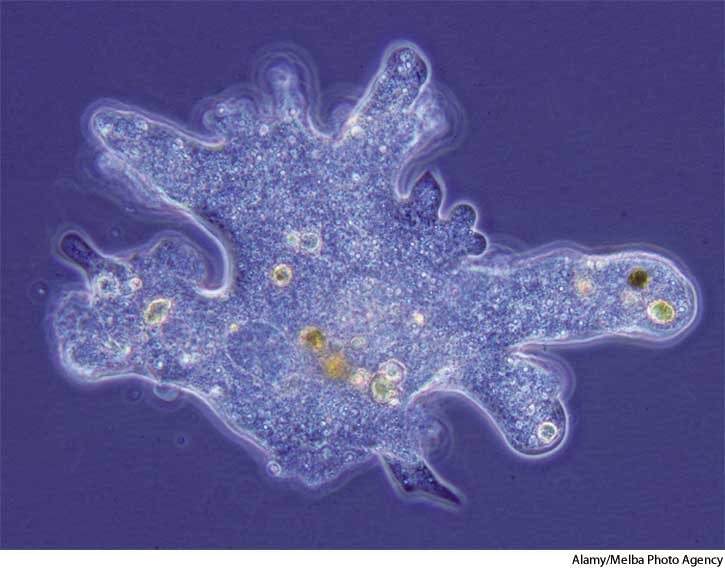


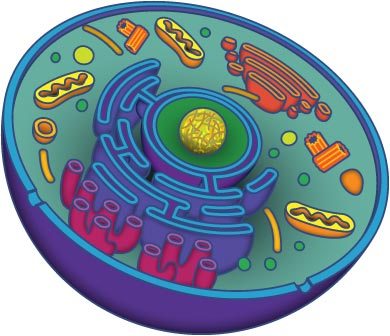

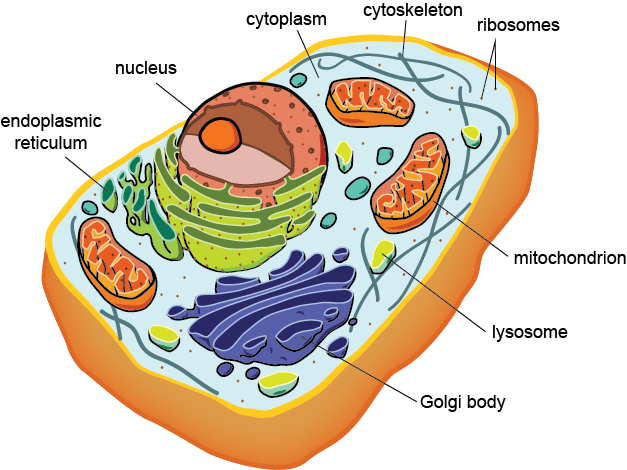

Surrounds and protects plant cells provides the structure stiff and strong
Endoplasmic Reticulum
Mitochondria
Cell Wall
Ribosomes
Hold and protect cell control the movement of materials into and out of the cell gate
Cell Membrane
Chromosomes
Vacuoles
Nucleus
A watery gel-like material in which cell orgeanelles move
vacuole
Golgi Apparatus
Cytoplasm
cell membrane
Powerhouse of the cell organelle that is the site of ATP (energy) production
Nuclear Membrane
Cell Wall
Mitochondria
Vacuoles
Contain chlorophyll capture the energy of sunlight and use it to produce food
Chromosomes
Chloroplasts
DNA
Golgi Apparatus
Store food water and chemicals
Vacuoles
mitochondria
ribosomes
Nucleus
Act as the 'brain' of the cell regulate and control all cell activities
Cytoplasm
Ribosomes
Nucleus
Chloroplasts
deoxyribonucleic acid; the carrier of genetic information
DNA
Golgi Apparatus
Nuclear Membrane
nucleus
bundles proteins into bigger molecules
Cell Theory part 2
Cytoplasm
Golgi Apparatus
Chromosomes
makes proteins and lipids (fats)
Cell Wall
Endoplasmic Reticulum
Ribosomes
Mitochondria
states that all organisms are made of cells, all cells are produced by other living cells, and the cell is the most basic unit of life.
DNA
Nuclear Membrane
Chromosomes
Cell Theory
The "effect" or reaction to a stimulus is the
stimulus
response
stable
change
If the body is infected with bacteria or viruses, the most common response is...
fever
vomiting
shivering
sweating
Which of the following is a stimulus that might result in vomiting?
A cut in the skin
Low energy
Hot temperature
Eating spoiled food
Which of the following is an external stimulus?
Bacterial infection
Hunger
Temperature of environment
Thirst
Which of the following is an internal stimulus?
Presence of food
Being hungry (lack of nutrients)
Predator nearby
Hot temperature
Which of the following is NOT caused by the fight or flight response?
Increased heart rate
Increased blood pressure
Increased breathing
Increased hunger
What is the most likely response to a hot temperature environment?
Shivering
Goosebumps
Sweating
Fever
Hunger, thirst, fever or vomiting are what type of stimuli?
external
internal
something that causes a response is called a
response
stimulus
touch
survival
How an organism reacts to internal or external stimuli...
geotropism
homeostasis
response
photosynthesis
Define homeostasis.
Maintaining balance in a living organism.
The imbalance inside of an organism.
None of the above.
Check all that apply. Which of the following are examples of an organism maintaining homeostasis?
Shivering when cold
Sweating when hot
Fever - an immune response when sick
Vomiting - releases toxins and wastes
Define stimulus.
Change in an organism’s environment that causes it to react.
How the organism reacts to the stimulus.
Define response.
Change in an organism’s environment that causes it to react.
How the organism reacts to the stimulus.
What are the two types of stimuli?
External and internal stimuli
External and intermediate stimuli
Internal and extraterrestrial stimuli
External stimuli...
Stimuli happening outside of the organism
Stimuli happening inside the organism
Internal stimuli...
Stimuli happening outside of the organism
Stimuli happening inside the organism
The presence of food causes the dog to drool. What kind of stimuli is the food?
External
Internal
A plant vacuole does not have enough water stored in it so it begins to shrink. What kind of stimuli is this?
External
Internal
The weather temperature is cold outside and you start to shiver. Which part is the stimulus?
weather temperature
shivering
Weather temperature is an example of what kind of stimuli?
External stimuli
Internal stimuli
You are sick and have an upset stomach. You then vomit. Which part is the stimuli?
sick/upset stomach
vomiting
The weather temperature is cold outside and you start to shiver. Which part is the response?
weather temperature
shivering
You are sick and have an upset stomach. You then vomit. Which part is the response?
sick/upset stomach
vomiting
A plant vacuole starts to shrink due to very little water. This causes the plant to start to wilt. Which part is the response?
Plant wilting
Vacuole shrinking due to decreased water
A plant vacuole starts to shrink due to very little water. This causes the plant to start to wilt. Which part is the stimuli?
Plant wilting
Vacuole shrinking due to decreased water
True or False: All organisms must maintain a stable internal balance in order to survive.
False
True
True or False: Our bodies are always maintaining a state of homeostasis.
True
False

