wayground logo

Free Printable Worksheets

Font size

S
M
L
XL
Worksheets

Physics Units Review

Total questions: 115

Worksheet time: 9hrs 33mins

Name
Class
Date
1.

Sound waves travel as __________ waves.

a)

transverse

b)

electromagnetic

c)

longitudinal

d)

surface

2.

Sound is made when a source of energy forces the matter to _________.

a)

shake

b)

vibrate

c)

move

d)

stay still

3.

A back-and-forth motion causing particles to move close together generates a _________.

a)

rarefaction

b)

surface wave

c)

transverse wave

d)

compression

4.

Sound waves cannot travel through _________.

a)

paper

b)

milk

c)

hydrogen

d)

empty space

5.

In which of these types of media will sound travel fastest?

a)

solid

b)

liquid

c)

gas

d)

vacuum

6.

Which physical property of a medium is defined by how close the particles of the substance are to each other?

a)

elasticity

b)

temperature

c)

density

d)

amplitude

7.

Which temperature causes sound to travel more slowly?

a)

hot

b)

cold

8.

The ____________ of a wave increases with increased energy.

a)

wave length

b)

amplitude

9.

Loudness of waves is measured in ______________.

a)

hertz

b)

decibels

c)

watts

d)

meters/second

10.

The maximum safe level for loudness is __________.

a)

0 dB

b)

60 dB

c)

85 dB

d)

130 dB

11.

Frequency of waves is measured in __________.

a)

hertz

b)

decibels

c)

watts

d)

meters/second

12.

High frequency sounds have ___________ pitch.

a)

high

b)

low

13.

______________ is produced by vibrations.

a)

Sound

b)

Light

c)

Smell

d)

Feeling

14.

The highness or lowness of a sound is its ____________.

a)

pitch

b)

volume

c)

amplitude

d)

frequency

15.

A change in frequency results in a change of wave length; a change in amplitude does not.

a)

true

b)

false

16.

Which of these is not a property of a sound wave?

a)

pitch

b)

elasticity

c)

loudness

17.

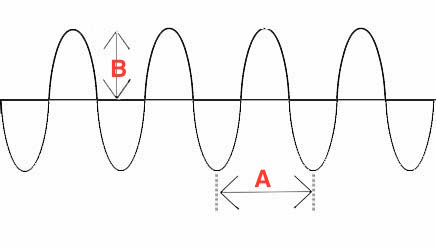
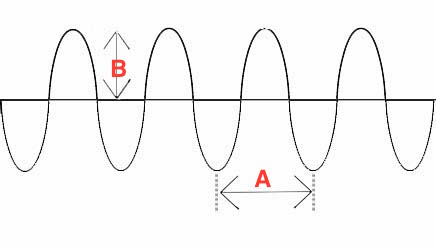
What property of this wave is represented by the letter "A"

a)

amplitude

b)

crest

c)

trough

d)

wavelength

18.
What property of the wave is represented by the letter "B"?
a)
amplitude
b)
crest
c)
trough
d)
wavelength
19.
The highest point on a wave is:
a)
the crest
b)
the trough
c)
the top
d)
the coast 
20.
The lowest point on a wave is the:
a)
Amplitude
b)
Crest
c)
Trough
d)
Wavelength
21.
The number of wavelengths that pass a point each per second is:
a)
frequency
b)
period
c)
longitudinal 
d)
transverse wave 
22.
Which vocabulary term is used to identify the distance between points C & G?
a)
Amplitude
b)
Crest
c)
Frequency
d)
Wavelength
23.
regular disturbances that carry energy through matter or space
a)
crest
b)
energy
c)
wave
d)
trough
24.
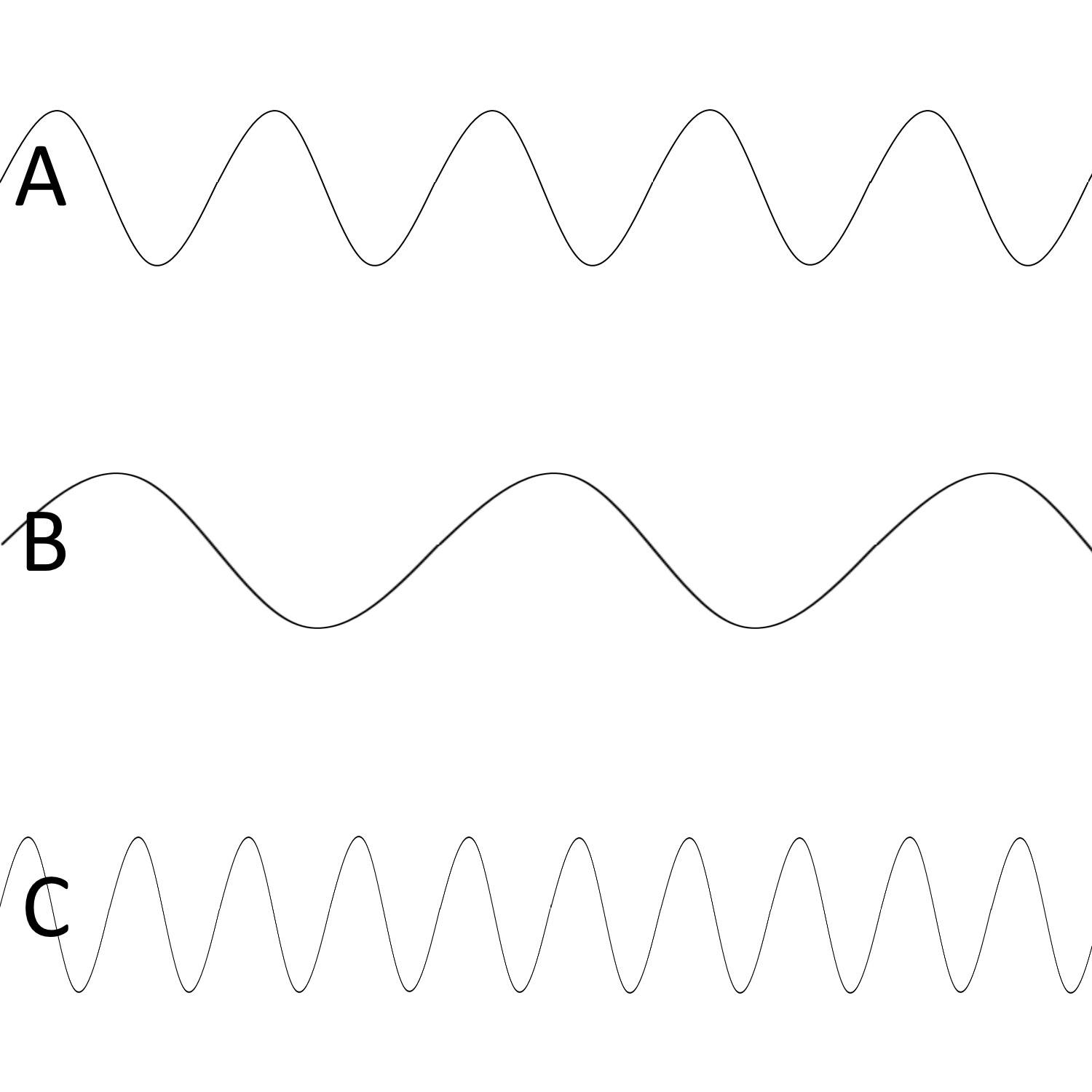
Which wave has the largest wavelength?
a)
A
b)
B
c)
C
d)
None (same wavelength)
25.

What is transferred by a wave?

a)

energy

b)

matter

c)

particles

d)

mass

26.

A wavelength is the distance between which 2 points?

a)

B and G

b)

A and C

c)

C and F

d)

A and H

27.

Which image represents a longitudinal wave?

a)

A

b)

B

28.

The highest part of a transverse wave is

a)

the crest

b)

the trough

c)

the wave point

d)

the hotel transylvania

29.

The lowest part of a transverse wave are the

a)

crests

b)

troughs

c)

wave points

d)

low nodules

30.
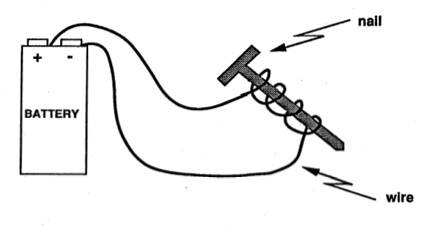
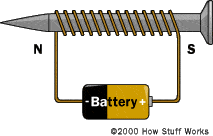
This is a picture of a simple electromagnet. How can the electromagnet be made stronger?
a)
Add more coils of wire to the nail.
b)
Use a smaller battery.
c)
Reverse the poles of the magnet.
d)
Remove all the coils and the nail.
31.
What kind of magnet can be turned on and off?
a)
refridgerator magnet
b)
electromagnet
c)
magnetite
d)
iron
32.
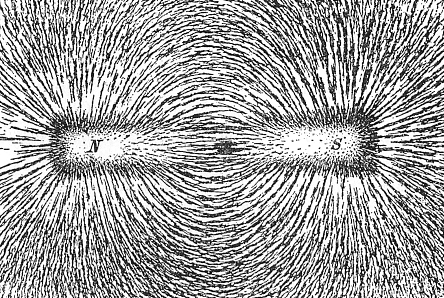
What are the ends of a magnet called?
a)
East and west poles
b)
Left and Right ends
c)
North and South ends
d)
North and South poles
33.
Surrounding every magnet is a __________  __________.
a)
magnetic field
b)
electrical current
c)
another magnet
d)
an enemy
34.
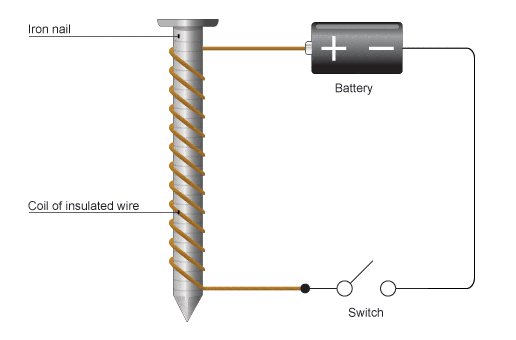
What is most likely to happen when the switch is closed?
a)
A magnetic field should be produced
b)
The nail will rust
c)
The battery will explode
d)
The wire will catch on fire
35.
How do electromagnets differ from regular magnets? 
a)
A. They  can be turned off and on 
b)
B. Their polarity can be reversed
c)
C. Their strength can be changed
d)
D. All of the above
36.

Magnets on refrigerator cannot be turned off. Which type of magnets they belong?

a)

electromagnets

b)

battery

c)

permanent magnets

d)

copper wire

37.

What is the role of the battery in the electromagnet?

a)

It provides light energy for the electromagnet.

b)

It provides magnetic field for the electromagnet.

c)

It provides sound energy for the electromagnet.

d)

It provides the power source for the electromagnet.

38.

What would happen if you took one end of the wire off the battery?

a)

The nail will be a magnet.

b)

The nail would no longer be a magnet

c)

Nothing will happened.

d)

The nail will heats up.

39.

What are the components of the electromagnets?

a)

battery, wire and bulb

b)

battery , copper wire and plastic bottle

c)

battery, copper wire and iron nail

d)

battery, wire and aluminum

40.
Magnetism is generated by moving
a)
protons.
b)
electrons.
c)
neutrons.
d)
elements.
41.
As the distance between two magnets increases (they get farther apart), the force between them:
a)
Increases
b)
Decreases
c)
Stays the Same
42.
If you cut a magnet in half, what happens to the poles?
a)
One half gets the North Pole, the other half gets the South Pole
b)
Both halves get only a North Pole
c)
Both halves get only a South Pole
d)
Both halves get a North pole and a South Pole
43.
What characteristics do magnetic substances have?
a)
They can give you a "shock" when you touch them
b)
They can push or pull objects without touching them
c)
They are always black and cold to touch
d)
They fall faster than other objects when you drop them
44.
Earth acts like a giant magnet because its center is made up MOSTLY of
a)
granite
b)
limestone
c)
iron
d)
nickel
45.
The two poles on a magnet are
a)
north and east
b)
north and west
c)
south and north
d)
south and west
46.
What kind of magnet can be turned on and off?
a)
refridgerator magnet
b)
electromagnet
c)
magnetite
d)
iron
47.
Where is the strongest attraction force of the magnet?
a)
at the poles
b)
in the middle
c)
above the magnet
d)
below the magnet
48.
Electricity can be used to create a magnet
a)
True
b)
False
49.
You can make an electromagnet stronger by...
a)
increasing the current through the wire
b)
make the iron core bigger
c)
increase the number of loops around the core
d)
All of these
50.
The distance between 2 corresponding parts of a wave  (example- crest to crest) is its _____________________
a)
trough
b)
frequency
c)
amplitude
d)
wavelength
51.
Any material that a wave travels through is called a ____________________.
a)
vibration
b)
compression
c)
medium
d)
crest
52.
In what type of wave does the medium vibrate parallel to the direction of the wave?
a)
surface wave
b)
longitudinal wave
c)
transverse wave
d)
electromagnetic wave
53.
What are the highest parts of a transverse wave called?
a)
amplitude
b)
trough
c)
resting point
d)
crest
54.
In longitudinal waves, the parts where the coils are spread apart are called what?
a)
rarefactions
b)
compressions
c)
mechanicals
d)
longitudes
55.
In what type of wave does the medium move perpendicular to the movement of the wave?
a)
Transverse
b)
Longitudinal
c)
Electromagnetic
d)
Radio
56.
What number represents the wavelength?
a)
1
b)
2
c)
3
d)
4
57.
As the frequency of a wave increases, the __________________ decreases.
a)
amplitude
b)
resting point
c)
wavelength
d)
crest
58.
What number represents the amplitude?
a)
1
b)
2
c)
3
d)
4
59.
In a longitudinal wave, the parts where the coils are close together are called what?
a)
longitudes
b)
rarefactions
c)
compressions
d)
contractions
60.
How often a wave occurs is the wave's __________________
a)
crest
b)
frequency
c)
wavelength
d)
resting point
61.

Two types of mechanical waves are transverse and _______________ waves

a)

medium

b)

water

c)

longitudinal

d)

crest

62.
It takes more force to accelerate the iron man on the left than the iron man on the right because the iron man on the left has more mass. This best describes
a)
Newton's first law, the law of inertia
b)
Newton's second law, the law of acceleration
c)
Newton's third law, the law of action reaction 
d)
The law of universal gravitation
63.
At which point is potential energy greatest
a)
W
b)
X
c)
Y
d)
Z
64.
What is the attractive force that exists between all objects that have mass?
a)
Weight
b)
Mass 
c)
Gravity
d)
Viscosity
65.
What is Newton's First Law known as? The Law of
a)
Friction
b)
Mass
c)
Inertia
d)
Gravity
66.
What is a PUSH or PULL of an object?
a)
Motion
b)
Force
c)
Friction
d)
Gravity
67.
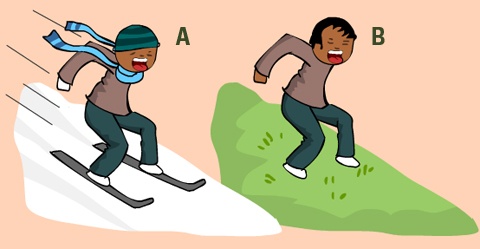
Why is it harder for the boy in Image B to get down the hill?
a)
Motion
b)
Friction
c)
Work
d)
Displacement
68.
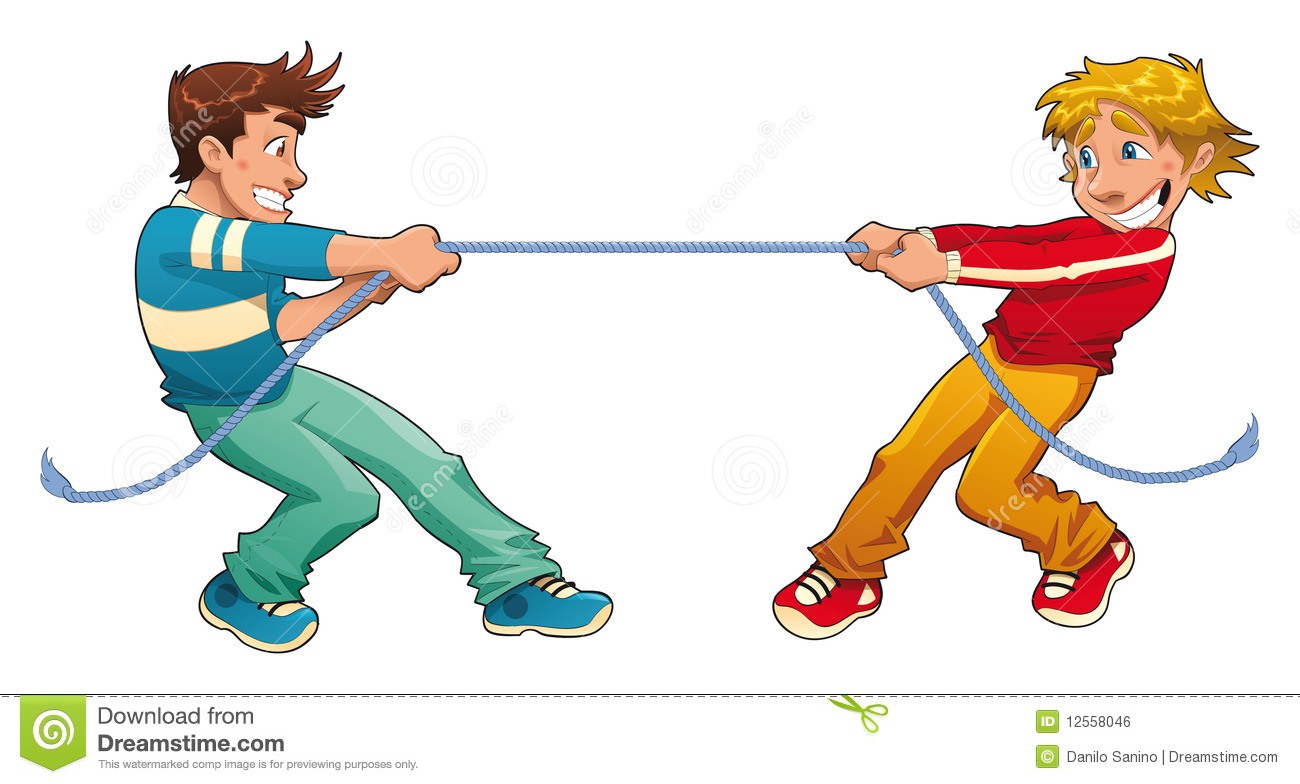
If these boys are pulling with the same amount of force.  What will happen?
a)
The boy in blue will win.
b)
They will not move at all.
c)
The boy in red will win.
d)
Both will fall down.
69.
For every action, there is an equal and opposite reaction.
a)
Newton's
1st
Law of Motion
b)
Newton's
2nd
Law of Motion
c)
Newton's
3rd
Law of Motion
70.
An automobile you are riding in suddenly stops, but you continue to go forward.
a)
Newton's
1st
Law of Motion
b)
Newton's
2nd
Law of Motion
c)
Newton's
3rd
Law of Motion
71.
What Unit do we Measure Force in? 
a)
Newtons
b)
Joules
c)
Force
d)
Kilograms
72.
With unbalanced forces, the object will move in the direction that the _______ force is being applied.
a)
larger 
b)
smaller 
c)
equal 
d)
less
73.
What is Newton's First Law
a)
F=ma
b)
Every action has an equal and opposite reaction
c)
An object at rest stays at rest, an object in motion stays in motion. 
d)
Friction 
74.
A person is pushed forward into their seatbelt when a car stops
a)
1st
b)
 2nd
c)
2 and 3
d)
3rd 
75.
Newton's third law states that any action will have a(n) _______ and ______ reaction
a)
Equal and similar
b)
Equal and opposite
c)
Equal and different
d)
Greater and opposite
76.
You hit a wall with a stick.  The equal but opposite reaction is _____
a)
the wall pushes against you
b)
the stick pushes against you
c)
you push against the stick
d)
the wall pushes against the stick
77.
What law is best described by inertia?
a)
1st
b)
2nd
c)
3rd
d)
law of conservation of mass
78.
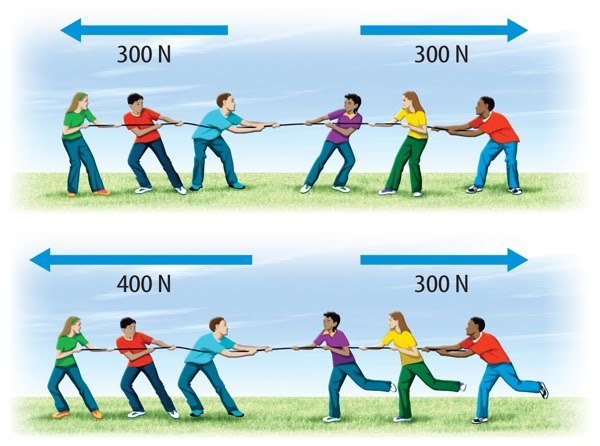
Which one is balanced?
a)
top
b)
bottom
c)
both
d)
neither
79.

What law is best described

a)

1st

b)

2nd

c)

3rd

d)

law of motion

80.

What law is best described

Equal and Opposite

a)

1st

b)

2nd

c)

3rd

d)

speed

81.

What law is best described

A magician pulls a tablecloth out from under dishes and glasses on a table without disturbing them.

a)

Newton's 1st Law

b)

Newton's 2nd Law

c)

Newton's 3rd Law

82.

What law is best described

A person not paying attention while skateboarding hits a rock. The skateboard stops...they don't.

a)

The Law of Inertia (1st law)

b)

The Law of Acceleration (2nd law)

c)

The Law of Conservation of Momentum

d)

Action Reaction Law (3rd law)

83.
You and your dad are moving the couch from one side to another. Your dad pushes with a force of 35 N to the right and you push with a force of 25 N right. What is the net force on the couch?
a)
60 N right
b)
10 N left
c)
60 n right
d)
50 N left
84.
What do each of the letters correctly represent?
a)
Funny, Monkeys, Arrive
b)
Force, Mass, Acceleration
c)
Free, Mass, Access
d)
Force, Magnesium, Arsenic
85.
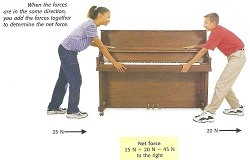
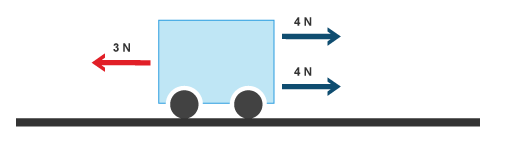
What is the net force?
a)
5 N
b)
45 N to the left
c)
5 N to the right
d)
45 N to the right
86.
Which one is balanced?
a)
top
b)
bottom
c)
both
87.
Is it BALANCED? 
a)
Yes
b)
No
88.

What is the force on a 1000 kg elevator that is falling freely at 9.8 m/sec2

a)

102.04 n

b)

9,800 n

c)

980 n

d)

103 n

89.
What is the acceleration of a 50 kg object pushed with a force of 500 newtons?
a)
100 m/s2
b)
25,000 m/s2
c)
10 m/s2
d)
25 m/s2
90.
A 50 kg skater pushed by a friend accelerates 5 m/sec2.  How much force did the friend apply?
a)
45 N
b)
15 N 
c)
10 N
d)
250 N
91.
A force of 250 N is applied to an object that accelerates at a rate of 5 m/sec2.  What is the mass of the object?
a)
100kg 
b)
1,250kg
c)
50kg
d)
5kg
92.
This triangle is used to determine speed. 
a)
True
b)
False
93.
How much force is needed to accelerate a 3kg skateboard at 5m/s2. 
a)
8N
b)
1.6N
c)
0.6N
d)
15N
94.
If you increase the force on an object, its acceleration? 
a)
decreases
b)
stays the same
c)
also increases
d)
stops
95.
A 50 kg skater pushed by a friend accelerates 5 m/s2.  How much force did the friend apply? The answer to this question is most likely (HINT: Look at the units!!!) - 
a)
250 N
b)
250 m/s2
c)
250 kg 
96.
A force of 250 N is applied to an object that accelerates at a rate of 5 m/s2.  What is the mass of the object? The answer to this question is most likely (HINT: Look at the units!!!) - 
a)
50 N
b)
50 m/s2
c)
50 kg
97.
A 20 kg bike accelerates at 10 m/s2.  what was the force?
a)
25 Newtons
b)
20 Newtons
c)
200 Newtons
d)
10 Newtons
98.
Unit of mass
a)
m/s 2
b)
m/s
c)
newtons
d)
kg
99.
If you increase the mass on an object, its acceleration
a)
decreases
b)
stays the same
c)
also increases
d)
stops
100.
A 50 kg skater pushed by a friend accelerates 5 m/sec2.  How much force did the friend apply?
a)
45 N
b)
15 N 
c)
10 N
d)
250 N
101.
About how long does it take the moon to make one complete cycle around the earth?
a)
65 days
b)
8 days
c)
365 days
d)
28 days
102.
Which moon phase is visible at position 4?
a)
new moon
b)
1st quarter
c)
full moon
d)
3rd quarter
103.
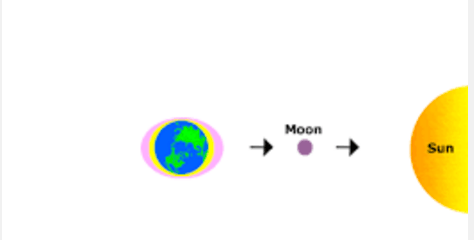
What type of tides would this arrangement of earth-moon-sun create?
a)
neap tide
b)
spring tide
c)
new moon tide
d)
full moon tide
104.
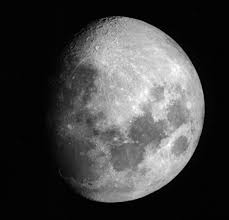
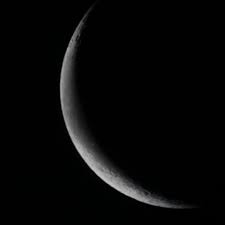
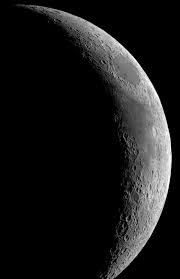
Name the moon phase
a)
waning crescent
b)
waxing crescent
c)
waning gibbous
d)
waxing gibbous
105.
Name the moon phase
a)
waning crescent
b)
waxing crescent
c)
waning gibbous
d)
waxing gibbous
106.
Name the moon phase
a)
waning crescent
b)
waxing crescent
c)
waning gibbous
d)
waxing gibbous
107.
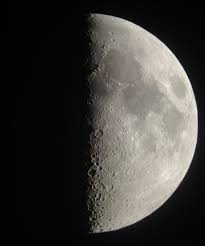
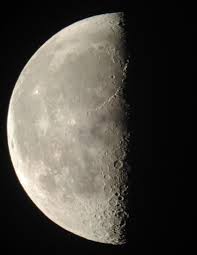
Name the moon phase
a)
First Quarter
b)
Last Quarter
c)
New Moon
d)
Full Moon
108.
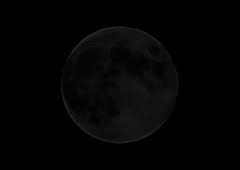
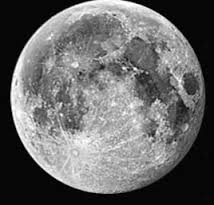
Name the moon phase
a)
First Quarter
b)
Last Quarter
c)
New Moon
d)
Full Moon
109.
Name the moon phase
a)
First Quarter
b)
Last Quarter
c)
New Moon
d)
Full Moon
110.
Name the moon phase
a)
First Quarter
b)
Last Quarter
c)
New Moon
d)
Full Moon
111.
Which moon phase is shown in this diagram?
a)
new moon
b)
first quarter
c)
full moon
d)
last quarter/3rd quarter
112.
Name the phase of the moon for letter a
a)
First Quarter
b)
Last Quarter
c)
Waxing Gibbous
d)
Waning Gibbous
113.
Name the moon phase
a)
waning crescent
b)
waxing crescent
c)
waning gibbous
d)
waxing gibbous
114.
The moon is a natural  ______ of Earth.
a)
comet
b)
axis
c)
satellite
d)
space probe
115.
Tides are caused by ___________
a)
wind
b)
gravitational pull of moon
c)
waves gravitation toward land
d)
rain