
 Worksheets
Chemical and Physical Change
Total questions: 117
Worksheet time: 1hrs 1mins

Glass breaking is an example of :
chemical change
Physical Change
No Change
Spoiling food is an example of:
chemical change
physical change
no change
Which is an example of a different substance being formed?
glass breaking
metal melting
water freezing
wood burning
Which of the following is not an example of a mixture?
Fruit salad
Salt
Lucky Charms

Which of the following is an example
of a chemical change?
frying eggs
melting ice cream
making a paper airplane
wetting a towelphy

Which is an example of a physical
change?
a candle burning
baking a cake
evaporating water
metal rusting
Jen baked a cake for her sister birthday. Jen state that once the cake was complete it suffer a
Physical Change
Chemical Change
No Change

Mowing the lawn is an example of
Chemical Change
Physical Change
No Change
Jerome put water in the freezer and made ice. Which of the following happened?
Water underwent a chemical change.
Water physically changed from a solid to a liquid.
Water physically changed from a gas to a liquid.
Water physically changed from a liquid to a solid.
Which of the following will result in a substance with new chemical properties?
Shredding a newspaper
Breaking a mirror
Cutting wood
Popping popcorn
Select all the examples of a chemical change.
ice melting
nail rusting
bread baking
wood burning
milk spoiling
Which is needed for both boiling and melting to occur?
solids
gases
heat
pressure
The boiling of water results in a physical change in matter from
solid to solid
gas to solid
solid to gas
liquid to gas
Physical change is
A change of matter from one form to another without turning into a new substance.
A change that occurs when one or more substances produce new substances with different properties.
The changes that happen to substances during a chemical change.
The temperature at which a solid becomes a liquid. The melting point of water is 0 °C.
Chemical change is
A change of matter from one form to another without turning into a new substance.
A change that occurs when one or more substances produce new substances with different properties.
The changes that happen to substances during a chemical change.
The temperature at which a solid becomes a liquid. The melting point of water is 0 °C.
Chemical reaction is
A change of matter from one form to another without turning into a new substance.
A change that occurs when one or more substances produce new substances with different properties.
The changes that happen to substances during a chemical change.
The temperature at which a solid becomes a liquid. The melting point of water is 0 °C.

Melting point is
A change of matter from one form to another without turning into a new substance.
A change that occurs when one or more substances produce new substances with different properties.
The changes that happen to substances during a chemical change.
The temperature at which a solid becomes a liquid. The melting point of water is 0 °C.

Boiling point is
The temperature at which a liquid changes to a gas. The boiling point of water is 100 °C.
A change that occurs when one or more substances produce new substances with different properties.
The changes that happen to substances during a chemical change.
The temperature at which a solid becomes a liquid. The melting point of water is 0 °C.

Freezing point is
The temperature at which a liquid changes to a gas. The boiling point of water is 100 °C.
The temperature at which a liquid changes into a solid. A substance's freezing point is the same as its melting point. The freezing point of water is 0 °C.
The changes that happen to substances during a chemical change.
The temperature at which a solid becomes a liquid. The melting point of water is 0 °C.
Is glass breaking a chemical or physical change?
changes affecting the form of a chemical substance, but not its chemical identity.
What is a chemical change?
How two chemicals react with one another when combined
A property that we can measure or observe with our 5 senses or other tools
When two chemicals react with one another to form a new substance
When a change occurs but it does not result in the formation of a new substance
A student mixes yellow powder with water. Which observation would prove a CHEMICAL change occurred?
The powder DISSOLVED in the water
The water turned the COLOR yellow
The water's TEMPERATURE changed
The STATE OF MATTER changed
Which of the following examples provides evidence of a PHYSICAL change?
Wood is burned and releases ash and smoke
Iron rusts over time
When mixed, baking soda and vinegar form gas bubbles
Boiling water bubbles when heated
Which of the following options provides evidence of a CHEMICAL change?
Wood is burned releasing ash and smoke
Rocks separate when soil is sifted
Boiling water bubbles when heated
Salt dissolves in water
Which observations prove a chemical change occurred ?
Dissolving and expected color change
Mixing and dissolving
State of matter change and boiling water bubbles
Unexpected color change and temperature change
When mixing milk and vinegar, a white, chunky, solid substance is formed. What has occurred?
Physical change: state of matter
Chemical change: precipitate
Physical change: freezing
Chemical change: new gas
You mix two liquids together, bubbles form and the temperature decreases. This is a....
Endothermic chemical change
Exothermic chemical change
Physical Change
You mix a red liquid and a white solid together. They turn yellow and the temperature increases. This is a...
Endothermic chemical change
Exothermic chemical change
Physical Change
You mix a yellow powder and a clear liquid. The liquid turns light yellow and the powder seems to disappear. This is a...
Endothermic Chemical Change
Exothermic Chemical Change
Physical Change


Choose the best description below for the image
physical change
chemical change

Choose the best description below for the image
physical change
chemical change

Choose the best description below for the image
physical change
chemical change

Choose the best description below for the image
physical change
chemical change

Choose the best description below for the image
physical change
chemical change

Choose the best description below for the image
physical change
chemical change

The image is best described as
Chemical Change
Physical Change
Which of the following is not a sign of chemical change?
Change is shape
Change in colour
Change in temperature
Production of light or sound
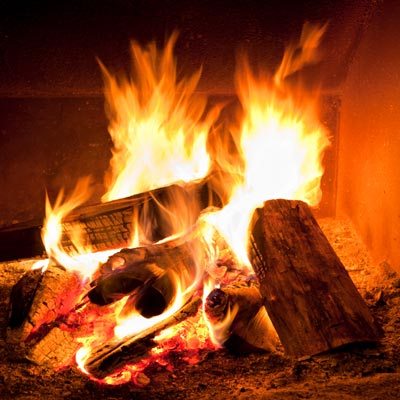
Logs of pine wood are burning in a fireplace. What is a sign that a chemical change is happening to the wood?
The wood turns black
The wood is brown
Logs of pine wood are burning in a fireplace. What is a sign that a chemical change is happening to the wood?
Heat and light are released
The wood smells like pine
A chemical change occurs when:
a new substance is created
a substance looks different from before
a substance's physical properties change
two substances are mixed together
Which of the following is a chemical change?
Water combines with sodium to form sodium hydroxide and hydrogen gas
Salt is mixed with pepper in a bowl
Which of the following is a chemical change?
Water breaks down to form hydrogen gas and oxygen gas
Water freezes to make ice
True/False: Chemical changes are usually easy to reverse.
True
False
Which of the following characteristics is shared by all chemical reactions?
Produce a precipitate
Show a color change
Release heat energy
Form new substances
Chemical or Physical change?
most of the properties before and after are the same.
Chemical
Physical
Chemical or Physical change?
Most of the properties before and after are the different.
Chemical
Physical
Chemical or Physical change?
Breaking an egg
Chemical
Physical
Chemical or Physical change?
Shattering a vase.
Chemical
Physical
True/False: When a substance undergoes a physical change a new substance is produced.
True
False
True/False: When a substance undergoes a physical change the particles moves to new positions, speed up or slow down.
True
False
True/False: When a substance undergoes a physical change the particles can change speed but not position.
True
False
Which term matches the following definition?
Definition: a usually irreversible chemical reaction involving the rearrangement of the atoms of one or more substances and a change in their chemical properties or composition (make up), resulting in the formation of at least one new substance.
Chemical change
Physical Change
Chemical property
Physical property
Which term matches the following definition?
Definition: a usually reversible change in the physical properties of a substance, as size or shape. This change does not result in a change chemical properties or composition (make up), as it is the same substance before and after the change.
Chemical change
Physical Change
Chemical property
Physical property
Which term matches the following definition?
Definition: a characteristics of chemicals that are not associated with a change in it's chemical composition. Example include size, shape, colour, density, mass, volume, length and lustre. An example of this for iron is it is silver, shiny and dense.
Chemical change
Physical Change
Chemical property
Physical property
Which term matches the following definition?
Definition: a characteristics of chemicals that are associated with a change in it's chemical composition (make up). Example include flammability and reactivity. An example of this for Iron is it combines with oxygen in the presence of water to form rust (iron oxide).
Chemical change
Physical Change
Chemical property
Physical property

Is this an example of a physical or chemical change?
physical
chemical

Is this an example of a physical or chemical change?
physical
chemical

Is this an example of a physical or chemical change?
physical
chemical

Is this an example of a physical or chemical change?
physical
chemical

Is this an example of a physical or chemical change?
physical
chemical

Is this an example of a physical or chemical change?
physical
chemical
Burning needs................gas
oxygen
carbon dioxide
nitrogen


Melting butter for popcorn is a
chemical change
physical change
A change in which NEW substances are formed.
Chemical change
Physical change
Which of the following is NOT an example of chemical change?
sour milk
burning wood
breaking a pencil
rust
Which of the following is true?
A physical property can only be seen.
A physical property describes how matter can change when exposed to air.
A physical property is something that can be observed about the substance by itself.
A physical property can only be observed when two types of matter interact.

Which of the following are physical properties of the matter pictured?
Check all that are true
reacts to oxygen
smooth
malleable (bendable)
reddish-brown
shiny
A chemical property describes how matter __________.
smells
reacts with another type of matter
looks under a microscope
dissolves when made into a solution
Physical properties are to __________, as chemical properties are to __________.
chemical changes; physical changes
physical changes ; chemical changes
matter ; matter
chemical reactions ; chemical reactions
Which of these would NOT be chemical properties of oxygen?
Check all that are true.
has no color
reacts to moisture and iron to form rust
helps many substances burn
has no odor
A physical change can change the __________ of a substance but cannot form new matter.
Check all that are true.
state
size
color
shape

Which statement best describes what is happening in the images?
a physical change
a chemical change
both a physical and a chemical change
dissolving

Jack leaves solid butter near a warm surface. When Jack returns, the butter has turned into a liquid. Jack's friend Elijah insists this is a chemical change. Is Elijah right?
no, because no new matter was formed
yes, because the matter changed states
no, because the butter didn’t have enough time to go through a chemical change
yes, because melted butter is a new type of matter

Imagine the substances below are combined. None of them dissolve and no new matter is created. What happened?
A physical change that is a solution.
A physical change that is a mixture.
A chemical change that is a mixture.
A chemical change that is a solution.

When combined, the powder and water create a solution because the powder dissolves evenly into the water. This is an example of a __________. If the water were evaporated from the solution, the powder would __________.
physical change ; have disappeared
physical change ; remain
chemical change ; be a new matter
chemical change ; remain

Fireworks can be many different colors. The color depends on the mix of chemicals inside the fireworks. When the different chemicals ignite, they each produce different colors. Which of the following is true about fireworks?
The fireworks’ color is caused by matter dissolving.
A chemical change causes the fireworks’ color.
Neither a physical nor a chemical change causes the fireworks’ color.
A physical change causes the fireworks’ color.
Which of these are most likely to cause a chemical change?
Check all that are true.
folding
rusting
cooking
burning
True or false?
Clues like color change, bubbles, and odors guarantee a chemical change has occurred.
False, these are all clues to only physical changes.
True, all are signs that a chemical change has definitely occurred.
False, some of these clues can be either physical or chemical changes.
False, no clues to chemical changes exist.
TRUE or FALSE: "Matter cannot be lost even when a chemical reaction occurs."
TRUE
FALSE
A new substance is formed during which type of change?
Physical Change
Chemical Change
Properties that can only be observed or measured by changing the chemical identity of a substance.
Physical Properties
Combustible Properties
Chemical Properties
Changeable Properties
How easily a substance reacts with Oxygen.
reactivity
oxidation
combustibility
solubility
Which of the following is a Chemical Property?
solubility
flammability
viscosity
melting point
Which of the following is a Chemical Property?
radioactivity
boiling point
solubility
viscosity
Which of the following is a Chemical Property?
viscosity
melting point
solubility
toxicity
How easily a substance will set on fire.
oxidation
reactivity
combustibility
chemical property
Matter is neither created or destroyed during a chemical change. It only changes forms.
Law of Conservation of Changes
Law of Conversation of Energy
Law of Conversation of Matter
Law of Conservation of Particles
Release of light, temperature change, sudden color change, sudden appearance of a solid, and gas given off are all evidence of what?
chemical change
physical change
matter disappearing
physical and chemical changes occurring
Process by which the atoms of one or more substances are rearranged to form different substances.
physical reaction
solubility
chemical reaction
oxidation
Cutting, crushing, melting, and boiling are all examples of what?
physical changes
chemical changes
messes
Law of Conservation of Particles
A change is a substance that affects its chemical properties thus a chemical reaction happens and a new substance is formed.
physical change
physical properties
chemical change
chemical properties
How easily a substance reacts, usually with an acid or a base
reactivity
solubility
oxidation
flammability
Which of the following is an example of a chemical change?
burning
rusting
decomposing
ALL of these are examples of chemical changes
Burning charcoal is an example of which of the following?
oxidation
combustibility
reactivity
viscosity
Which of the following creates rust on vehicles?
oxidation
solubility
combustibility
reactivity
Fluorine gas spontaneously igniting a concrete block at room temperature is an example of which of the following?
oxidation
viscosity
combustibility
reactivity
A change in a substance that only affects its physical properties.
physical change
chemical change
oxidation change
matter change
TRUE or FALSE: "Breaking a glass window with a baseball is an example of a chemical change."
TRUE
FALSE

