
 Worksheets
Energy and Energy Transfer
Total questions: 115
Worksheet time: 1hrs 8mins
What is potential energy?
energy stored in objects not in motion
energy stored in objects in motion
Which of the following are examples of potential energy?
chemical energy
nuclear energy
sound energy
elastic energy
What is energy stored in the chemical bonds of substances?
chemical energy
potential energy
nuclear energy
elastic energy
What are examples of chemical energy?
batteries
fuel
matches
food
What is potential energy stored in the nucleus of an atom?
nuclear energy
chemical energy
elastic energy
sound energy
What is an example of nuclear energy?
energy given off by the sun
energy stored in food
energy of a moving car
energy of a stretched rubberband
What is potential energy stored in an object when work is performed to change its shape?
elastic energy
chemical energy
thermal energy
nuclear energy
What are examples of elastic energy?
stretching a rubberband
pulling a slinky
energy of the sun
energy in batteries
What is kinetic energy?
energy stored in an object not in motion
energy of objects in motion
Which of these are forms of kinetic energy?
thermal energy
electromagnetic energy
sound energy
electrical energy
What is kinetic energy of a moving charge?
electric energy
chemical energy
nuclear energy
sound energy
What are examples of electric energy?
toaster
TV
ac
washing machine
What is kinetic energy caused by vibrations of particles in a medium?
sound energy
light energy
electric energy
elastic energy
What are examples of sound energy?
an airplane taking off
a balloon popping
a buzzing bee
strings of a guitar
What is energy of electromagnetic waves?
electromagnetic energy
chemical energy
elastic energy
nuclear energy
What are examples of electromagnetic energy?
visible light
xrays
gamma rays
microwaves
What is the total kinetic energy of all particles of a substance?
thermal energy
elastic energy
nuclear energy
chemical energy
How does temperature affect thermal energy?
Particles at higher temperatures move faster.
Particles at higher temperatures move slower.
How does the quantity of particles affect thermal energy?
More particles = more thermal energy
Less particles = more thermal energy
Where does a roller coaster have the most kinetic energy?
at the top
at the bottom
moving from top to bottom
moving from bottom to top
Where does a roller coaster have the most potential energy?
at the top
at the bottom
moving from the top to bottom
moving from the bottom to the top
How does the speed of an object relate to amount of kinetic energy?
higher speed = more kinetic energy
lower speed = more kinetic energy
What two factors does gravitational potential energy depend on?
height
mass
speed
weight
How are mass and gravitational potential energy related?
more mass = more gpe
more mass = less gpe
How are height and gravitational potential energy related?
higher above the ground = more gpe
higher above the ground = less gpe
What is the process of energy changing from one form to another?
energy transformation
energy transfer
Which law states that energy cannot be created or destroyed, only converted from one form to another
law of conservation of energy
law of conservation of mass
law of use of energy
law of use of mass
What is the movement of energy from one place or object to another?
energy transformation
energy transfer
What is kinetic mechanical energy transformed into electrical energy?
alternative energy
energy transfer
potential energy
designed energy
What is a group of interacting parts that move or work together?
system
results
electricity
station
What is the importance of energy in systems?
energy must be put into a system to produce results
energy must be put into a system to produce more energy
What is an example of a natural system?
tree
car
wind up toy
What is an example of a designed system?
tree
river
car
What is an example of a combined system?
hydroelectric dam
tree
car
wind up toy
What is energy transferred between two objects that are at different temperatures?
heat
cold
energy transformation
What refers to how quickly a material transfers and absorbs energy as heat?
thermal conductivity
electrical conductivity
thermal radiation
What is the transfer of heat or electricity through matter (direct contact)?
conduction
convection
radiation
What are examples of conduction?
touching a spoon in a cup of hot liquid
heating pad on a back
chocolate melting on your hand
pan on burner
What is the transfer of heat through a fluid?
conduction
convection
radiation
What are examples of convection?
convection currents of the ocean
lava lamp
boiling water on the stove
lizard warming belly on a hot rock
What is the transfer of energy through electromagnetic waves?
conduction
convection
radiation
What are examples of radiation?
feeling the warmth of a bonfire
feeling the warmth of the sun while laying out at the beach
touching a metal spoon in a cup of hot tea
convection currents of the ocean
How does the temperature of an object affect the flow of heat?
Heat always flows from an object at a higher temperature to an object at a lower temperature.
Heat always flows from an object at a lower temperature to an object at a higher temperature.


What energy conversions take place when you vigorously rub your hands together?
friction => heat
chemical => thermal
mechanical => thermal
kinetic => chemical
Which of the following is the correct chain of energy that takes place when a flashlight is turned on?
chemical => electrical => light
mechanical => electrical => light
nuclear => chemical => light
thermal => chemical => mechanical
What type of energy is food energy stored in your muscles?
mechanical
nuclear
thermal
chemical
Muscles operate to push the pedals on a bicycle causing the wheels to turn. What type of energy being represented?
mechanical
physical
thermal
chemical
Which type of potential energy is stored in a gasoline?
nuclear
mechanical
chemical
thermal
Any form of energy can be converted to any other form of energy.
True
False


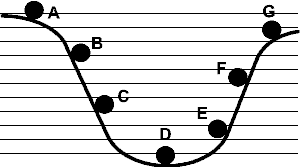
At which point does the ball has the greatest gravitational potential energy (GPE)?
A
G
D
C
G
Which would have the LEAST gravitational potential energy (GPE)?
A ball sitting on the ground
Moon viewed from the Earth
An airplane flying 30,000 feet above the ground
A rock sitting on top of Mt. Everest
How could you increase the gravitational potential energy of an object without changing its mass and gravity?
Make the object larger
Lower the object towards the ground
Raise the object farther off the ground
Allow the object to roll on the ground


What type of energy is stored in the chemical bonds of substances?
Chemical Energy
Nuclear Energy
Elastic Energy
Mechanical Energy
What type of energy is found in the nucleus of atoms?
nuclear energy
electric energy
thermal energy
sound energy
What type of energy is found in an object when work is performed to change its shape?
electric energy
elastic energy
chemical energy
thermal energy
Which is the energy of electric charge?
thermal energy
mechanical energy
electric energy
nuclear energy
Which is the energy of electromagnetic waves?
chemical energy
mechanical energy
electromagnetic energy
sound energy
Which is the energy of all the particles that make up an object?
chemical energy
thermal energy
elastic energy
electric energy
Which is the energy caused by the vibration of particles in a medium?
chemical energy
mechanical energy
nuclear energy
sound energy
Which types of energy is the sum of potential and kinetic energy?
mechanical energy
electromagnetic energy
electric energy
nuclear energy
Particles move faster at _______ temperatures than ________ temperatures.
higher, lower
lower, higher
The ______ particles an object has, the ______ thermal energy it has.
more, less
less, more
more, more
less, less
Which of the following are examples of electromagnetic energy?
visible light
microwaves
washing machine
TV
x-rays
Which of the following are examples of chemical energy?
food
batteries
toasters
rubberbands
rubberbands
Which of the following are examples of elastic energy?
rubberbands
spring
diving board
the sun
visible light
Chemical energy depends on the position and arrangement of the atoms in a compound.
true
false
Energy given off by the sun is an example of nuclear energy.
true
false
Which of the following does gravitational potential energy depend on?
mass
height
speed
Which of the following does kinetic energy depend on?
mass
height
speed
Which of the following are examples of potential energy?
chemical energy
nuclear energy
sound energy
elastic energy
Which of the following are examples of kinetic energy?
elastic energy
nuclear energy
electromagnetic energy
thermal energy
Which of the following are examples of potential energy?
chemical energy
nuclear energy
sound energy
electric energy
Which of the following are examples of potential energy?
elastic energy
sound energy
electric energy
electromagnetic energy
Potential energy can be changed to kinetic energy but kinetic energy cannot be changed to potential energy.
true
false

