
 Worksheets
Respiratory - Circulatory - Digestive Systems
Total questions: 119
Worksheet time: 4hrs 28mins
Your lungs are ___________ air
My lungs are __________________ air.
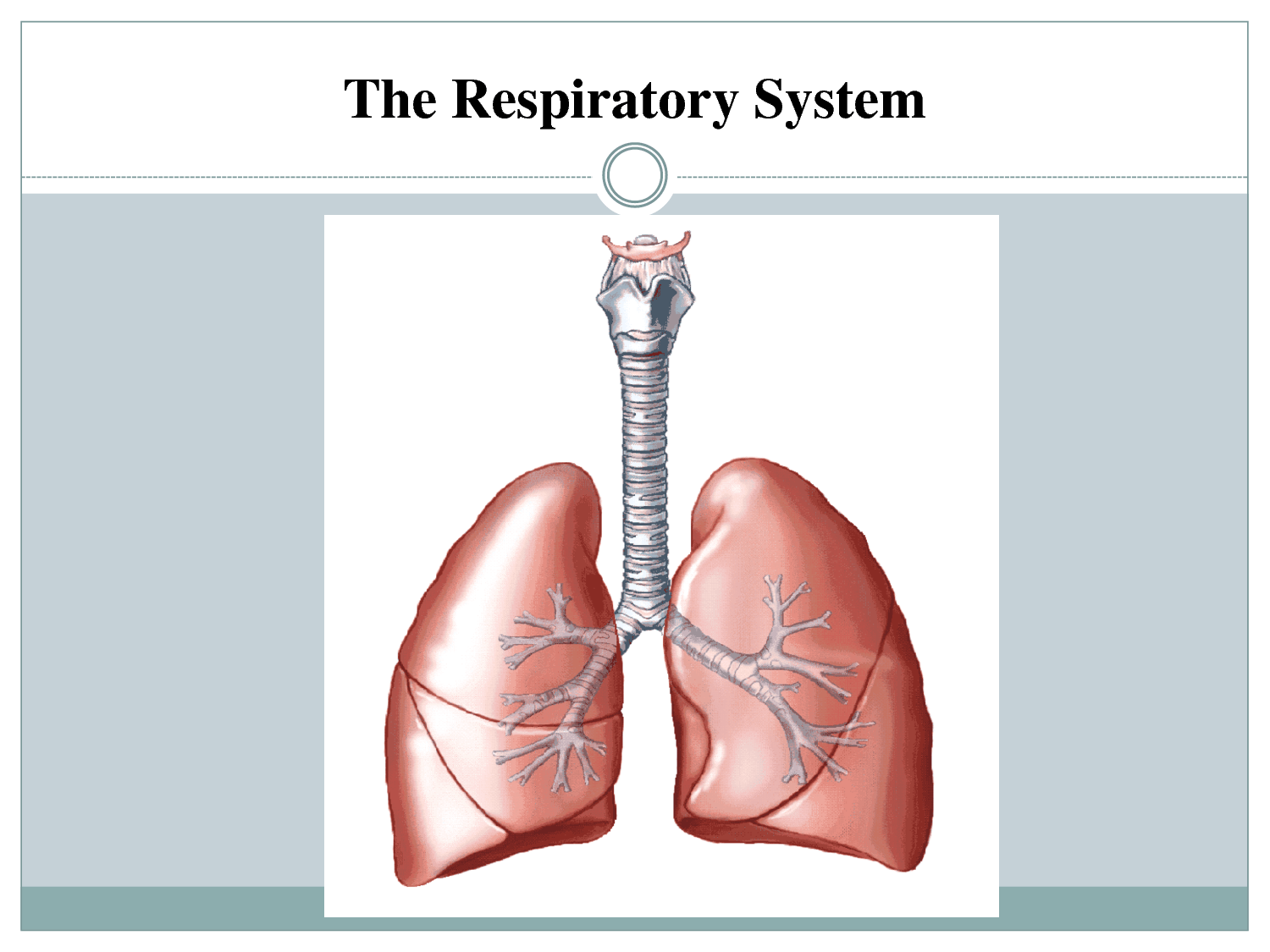
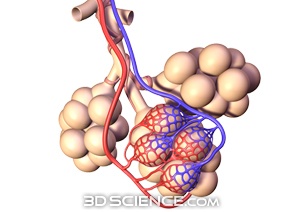

The heart is part of the respiratory system.
True
False
What do we take in when we inhale?
carbon dioxide
oxygen
lungs
What do we let out when we exhale?
oxygen
Carbon dioxide
lungs
Your lungs are ___________ air
My lungs are __________________ air.
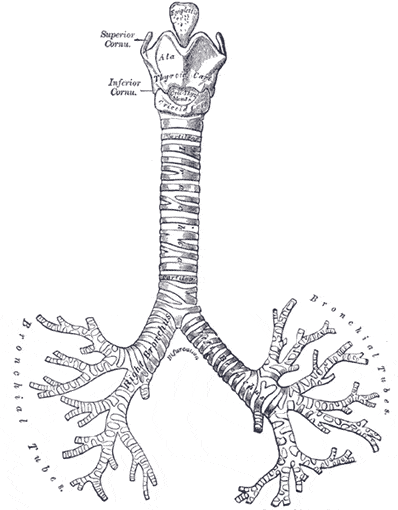
The "windpipe" is also called the...
trachea
bronchi
bronchioles
alveoli
Tiny blood vessels surrounding the alveoli
capillaries
alveoli
cilia
larynx
Also called the windpipe
Larynx
pharynx
trachea
alveoli
Tiny air sacs in the lungs
alveoli
capillaries
trachea
cilia
Also called the throat
larynx
pharynx
trachea
bronchi
Where does the exchange of oxygen and carbon dioxide take place?
bronchi
pharynx
trachea
alveoli
Which part of the body controls breathing?
lungs
brain
trachea
cilia


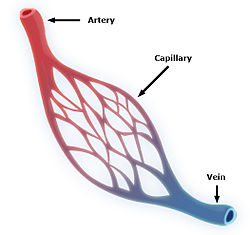
What type of blood vessel carries blood towards the heart?
Vein
Artery
Capillary
Tube

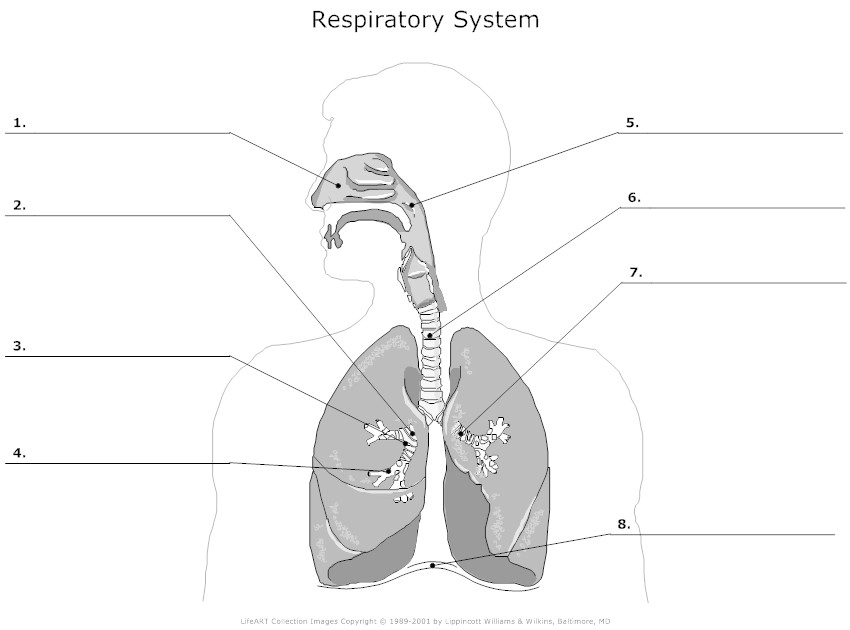
What part of the respiratory system is number 2?
Bronchi
Mouth
Nose
Trachea

What part of the respiratory system is number 1?
Bronchi
Mouth
Nose
Trachea

What part of the respiratory system is number 4?
Bronchi
Mouth
Nose
Trachea

What part of the respiratory system is number 3?
Bronchi
Mouth
Nose
Trachea

What part of the respiratory system is number 5?
Trachea
Alveoli
Lungs
Nose
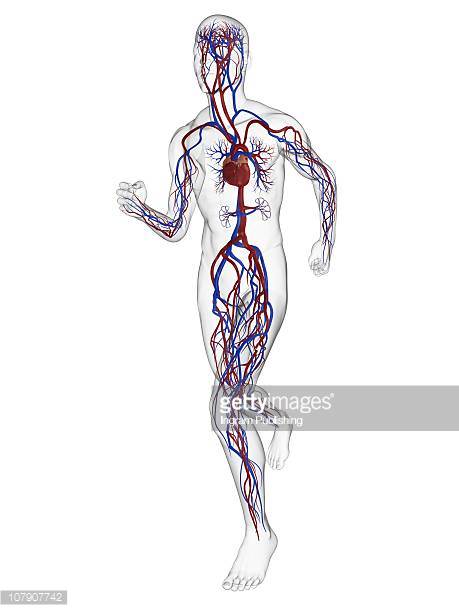
What is the main organ of the circulatory system?
small intestine
bone
lungs
heart
Running is an activity that causes the cells in the muscular system to use oxygen at a faster rate. Which system responds by delivering more oxygen to these cells?
digestive
nervous
circulatory
endocrine

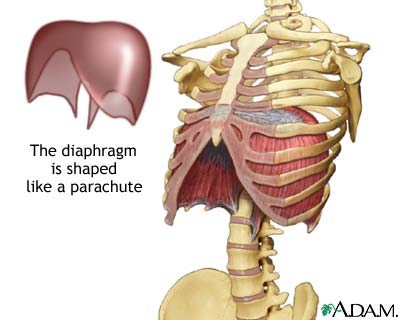
When we breath in the diaphragm...
Contracts
Relaxes
When we breathe out the diaphragm...
Contracts
Relaxes


Arteries carry oxygen rich blood away from the heart.
True
False
Veins carry oxygen poor blood back to the heart.
False
True
The heart is about the size and shape of your . . .
head
fist
hand
foot
How does the heart work?
It pumps blood first to the lungs, back to the heart and then around the rest of the body.
It pumps blood first to the rest of the body, back to the lungs and then to the heart.
It pumps blood around the rest of the body, back to the heart and then to the lungs,




where is aorta
1
2
10
4


Pulmonary veins
Pulmonary artery
Aorta
Superior Vena cava


The main artery in the heart is the
aorta
vena cava
pulmonary artery
pulmonary flow
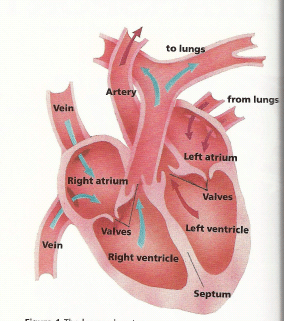
The ______________pump blood into the body.
septum
atria
ventricles
The digestive process starts in the:
Stomach
Esophagus
Mouth
Bathroom
The liver’s role is to:
Mash up food
Turn water into food
Help the stomach
makes another juice called bile
When they reach the stomach, mashed-up food particles mix with:
Guava juice
Gastric juices and stomach acid
Mucus
Bile
Where does the blood pick up nutrients from food?
small intestine
stomach
large intestine
esophagus
When you swallow, the food leaves your mouth and goes to?
stomach
Esophagus
small intestine
liver
What is the purpose of the digestive system?
to help the body breathe
to pump blood throughout the body
change food into a form that can be used by the cells
to help your body move
How long does it take your body to digest food from a meal?
a few minutes
a few hours
a day
many days
What organ helps to remove waste your body doesn't use?
mouth
stomach
small intestine
large intestine
What are the main organs of the digestive system?
mouth, esophagus, gall bladder, pancreas
mouth, esophagus, stomach, liver, gall bladder, pancreas, small intestine, large intestine
heart, blood vessels, nerves, brain
bones, muscles, brain, stomach, skin
How long is an adult’s small intestine?
22 feet
30 inches
30 miles
17 feet
The liver’s role is to:
Mash up food
Turn water into food
Help the stomach
Remove harmful substances from the blood
Your food can spend up to this long in the small intestine:
4 minutes
4 months
4 seconds
4 hours
Which organs help with the absorption of nutrients?
Pancreas, liver, and gall bladder
Liver, heart, and spleen
Gall bladder, kidneys, and appendix
Kidneys, liver, and bladder
The large intestine measures about:
1 foot long
10 feet long
5 feet long
100 feet long
Why is the digestive system so important for the human body?
It circulates blood to all of the organs.
It moves oxygen through the lungs and into the blood.
It carries away waste products from the place they are created.
It breaks food into nutrients and moves the nutrients into the blood.
What role does the circulatory system provide to the digestive system?
It releases waste into the blood.
It transports nutrients to cells.
It moves food through the intestines.
It transports food particles to the muscles.


The name of the ball of food passed through esophagus to the stomach
bolus
epiglottis
wad
seafood

Waste foods are separated from solids and liquids in the __________________.
small intestine
large intestine
liver
stomach

What does your tongue do?
It produces insulin.
It produces bile.
nothing
It moves food around your mouth.


