
 Worksheets
Ecology Review
Total questions: 60
Worksheet time: 2hrs 42mins

Cattle egrets forage (feed) in fields among cattle. The egret gets easy access to flying insects stirred up by the cattle, and the cattle don't care if the egrets are there or not.
mutualism
commensalism
competition
parasitism
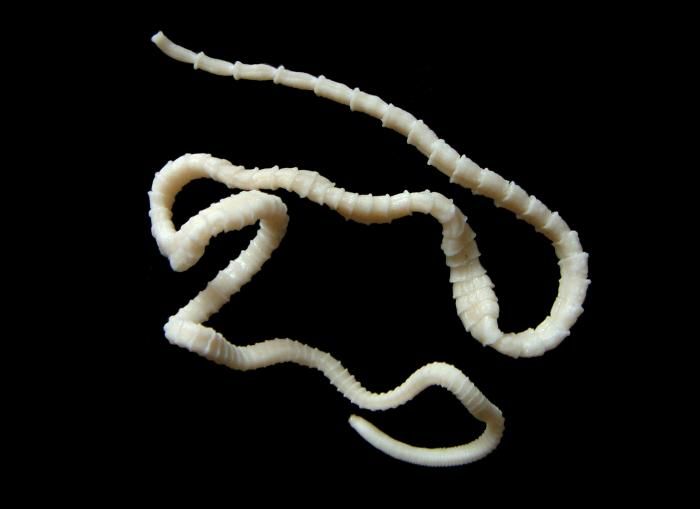
A tapeworm and a cat have this type of relationship.
mutualism
parasitism
commensalism
predation
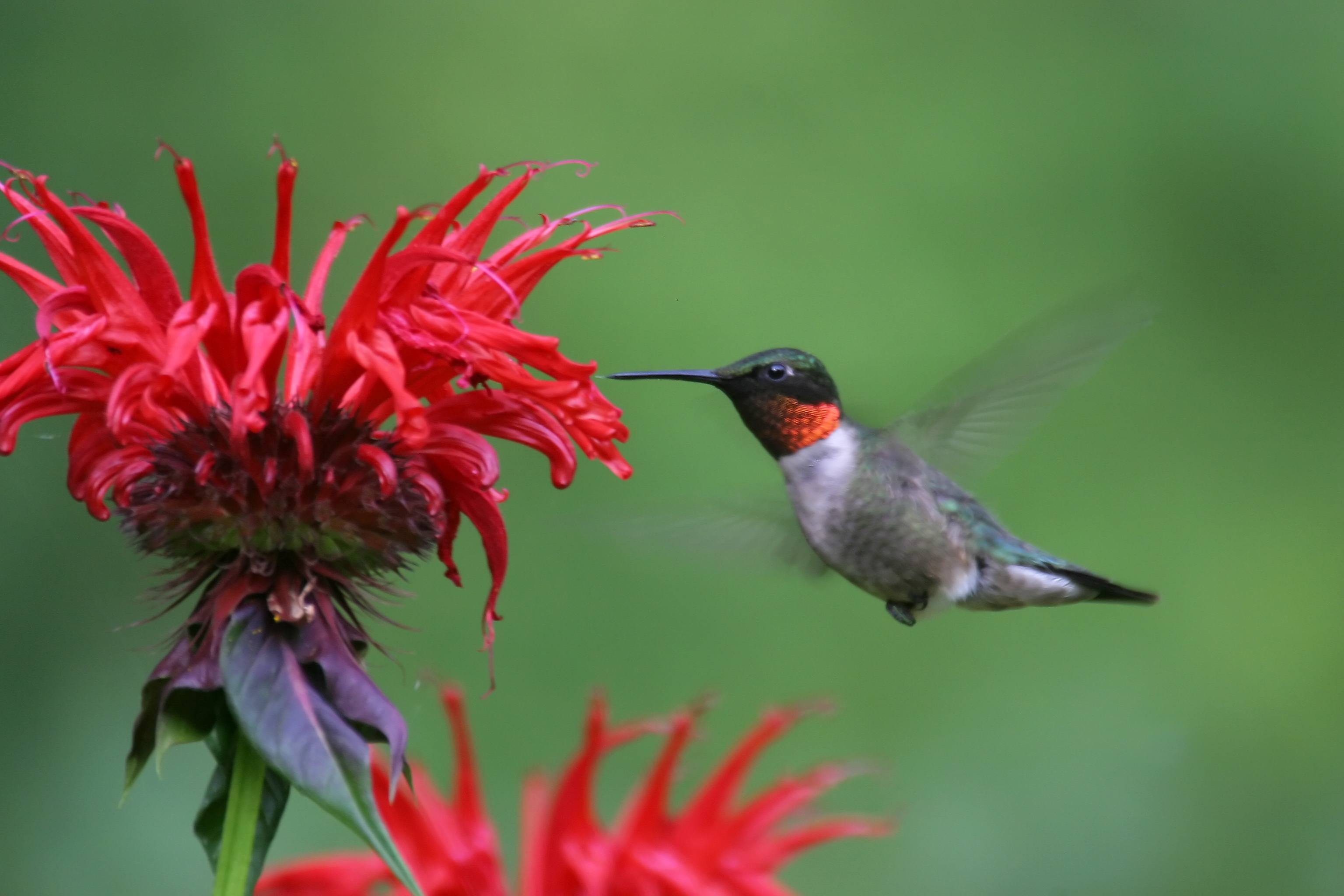
Hummingbirds feed on nectar from flowers. The flowers are pollinated by hummingbirds as they move from flower to flower.
commensalism
mutualism
parasitism
predation
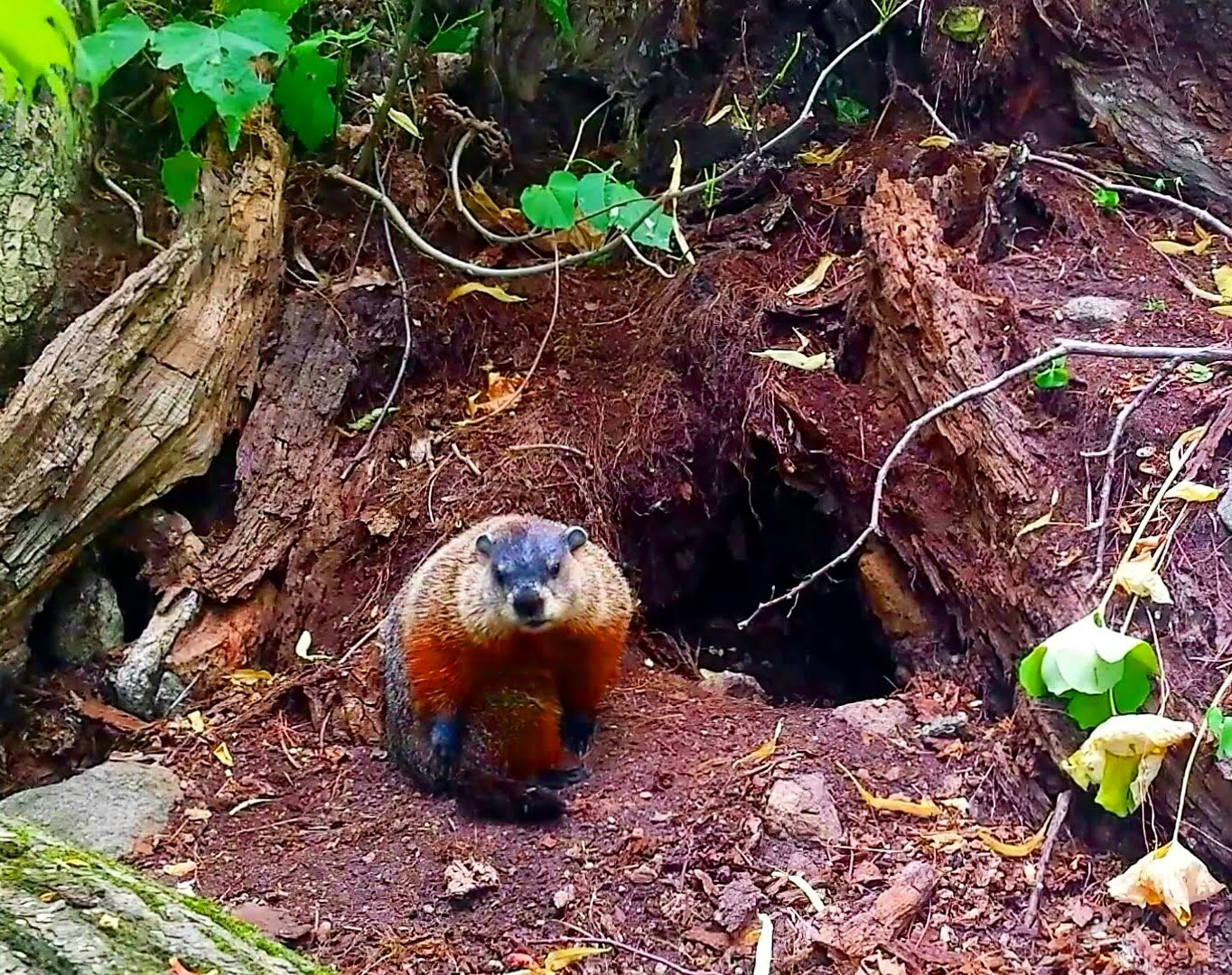
Skunks often live in burrows that have been dug and abandoned by woodchucks.
commensalism
mutualism
parasitism
predation

Which best describe parasitism?
Both organisms benefit positively from the relationship
One organism benefits from the relationship the other is harmed
One organism benefits from the relationship the other is not affected
Both organisms benefit negatively from the relationship
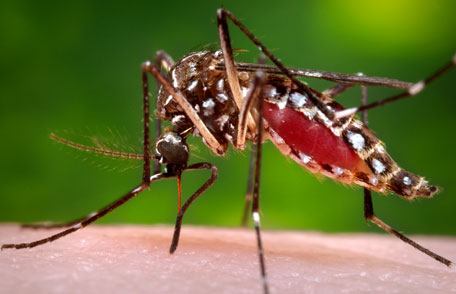
When a mosquito bites you, you are the __________ and the mosquito is the ____________.
host, hostess
parasite, host
host, parasite
prey, predator

Clown fish live among the deadly tentacles of the sea anemone and are protected by it. The clown fish eats food left over by the anemone keeping the area clean and also acts as “bait”.
mutualism
commensalism
parasitism
predation

This is an example of....
commensalism
predation
parasitism
mutualism

A spider spins it's web between this animals antlers. This is an example of ......
predation
commensalism
parasitism
mutualism
A deer would be ________________ factor in its ecosystem.
an abiotic
a biotic
Water would be ________________ factor in an ecosystem.
an abiotic
a biotic
The sun is a(n) ____________________ factor
biotic
abiotic
If you were studying an African environment, and you saw a herd of elephants, what level of the biosphere are you observing?
community
organism
ecosystem
population
If you were swimming in a lake and saw fish, water plants, and frogs, you would be looking at what?
population
ecosystem
organism
community
If we were in the desert, and we studied the sand, rocks, lizards, cactus, and the snakes, we would be studying the entire desert _____________________________.
community
ecosystem
population
organism


What is a fitting description for this diagram?

The Mayfly is a food source for which 3 organisms?


Arrows in a food web represent...
eating
sunlight
energy
matter
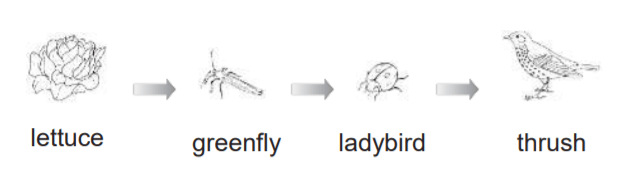
Who is the producer?
lettuce
greenfly
ladybird
thrush
Position that an organism occupies based on what it eats
Producer
Trophic level
Heterotroph
Consumer
Makes its own food
Herbivore
Carnivore
Heterotroph
Autotroph
Cannot make its own food
Autotroph
Producer
Heterotroph
Biomass
Which organisms eat only producers?
Secondary Consumers
Apex Predators
Tertiary Consumers
Primary Consumers
Which level is found at the top?
Primary Consumers
Tertiary Consumers
Producers
Secondary Consumers
High biodiversity removes the predators and parasites in the ecosystem and makes it safer.
True
False
High biodiversity makes the food web more complex and better able to support the most species, even if some populations decrease.
True
False
High biodiversity ensures that many different ecological niches (jobs, roles) are filled, which helps the ecosystem function well.
True
False
High biodiversity makes an ecosystem more sustainable because the food web is stronger and organisms perform a wider variety of functions.
True
False
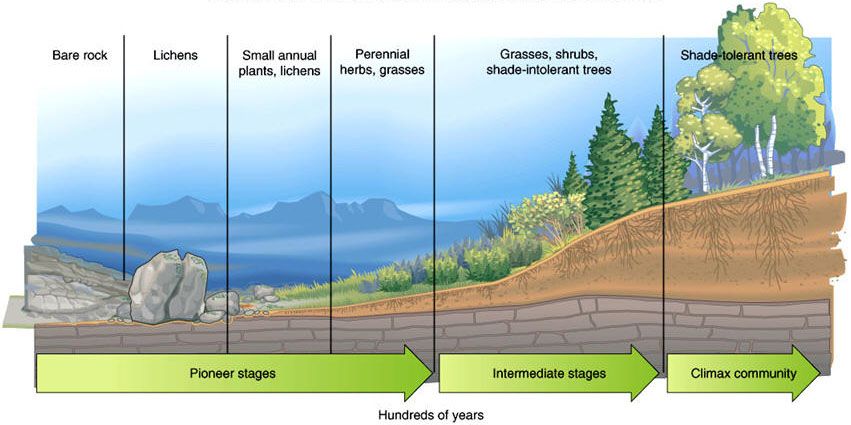
The picture display which type of succession?
primary
secondary
tertiary
all of the above
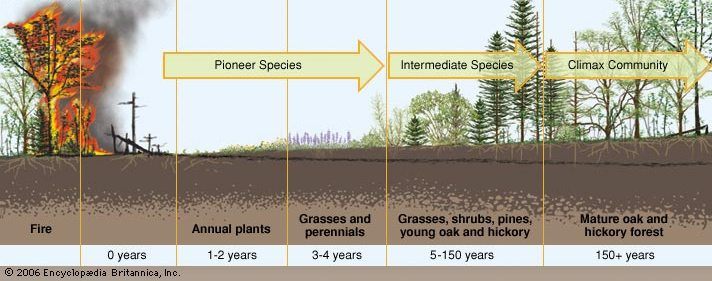
The picture displays which type of succession?
primary
secondary
tertiary
all of the above
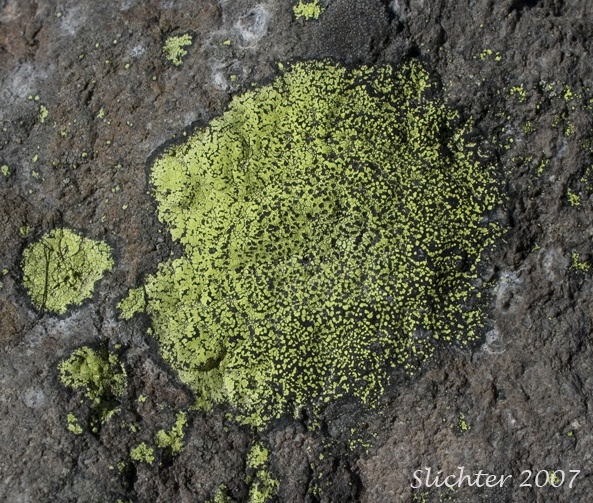
What is the name given to lichen/algae during primary succession?
pioneer species
volunteer species
founder species
conqueror species
The final stage of ecological succession can typically be observed when evidence of a _____________________ is present.
Mature Tree Growth
Climax Community
Pioneer Community
housing community

Which biome is hot all year with wet and dry seasons?
tropical rainforest
arctic tundra
temperate grassland
desert

Biome with plants and grasses, but no trees.
grassland
desert
forest
arctic tundra

Biome with many different species of cacti and reptiles and very little rainfall.
Desert
Temperate Rainforest
Tropical Rainforest
Arctic Tundra

Forest biome with many different trees, mosses and ferns; most trees lose and regrow their leaves each year.
temperate rainforest
biome
desert
grassland

Which biome contains large populations of grazing herbivores, few species of birds, and deep, rich soil?
tropical rain forest
desert
deciduous forest
grassland

Which biome is represented by the rainfall amounts in letter C?
desert
prairie
deciduous forest
tropical rain forest
Plants and animals in the tundra must be able to adapt to the extremely ___________ weather
small
cold
perennials
shallow


In which biome would you find Massachusetts?
coniferous forest (taiga)
tundra
grassland
deciduous forest
How much of the Earth’s surface does Marine Biomes cover?
1/2
1/3
3/4
1/4


