
 Worksheets
Biochemistry Retake - Enzymes
Total questions: 74
Worksheet time: 49mins
The substance that binds to an enzyme is called a?
Polypeptide
Co-enzyme
Vitamin
Substrate
Which of the following best explains why enzymes are necessary for reactions in our cells?
The reactions are too slow to meet the needs of the cell if enzymes are missing.
Enzymes supply the oxygen necessary for the reactions.
Enzymes change reactants from solid to liquid during the reactions.
The reactions take up too much space in the cell if enzymes are missing.
Changes in pH and temperature can ___________________ an enzyme which causes it to lose its shape and affects its function.
puncture
denature
double
delete
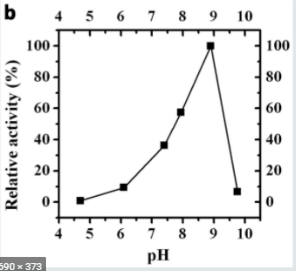
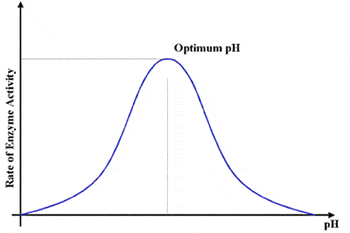
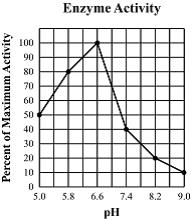
What is the optimal pH for this enzyme?
6
10
9
7
The ____________________ mechanism describes how each substrate must fit into the enzyme.
lock and key
hammer and nail
jigsaw puzzle
seesaw
The _____________________ mechanism describes how an enzyme changes shape once the substrate is bonded.
hammer and nail
induced fit
jigsaw puzzle
lock and key
What is the purpose of an enzyme?
control how many reactions occur
raise activation energy
give permission for the reaction
speed up chemical reactions
Where do substrates bind to an enzyme?
calcium channels
active site
receptor molecules
voltage-gated channels
Once a new product leaves an enzyme, the enzyme is unchanged and ready for the next substrate. What is this called?
fragile
reusable
specific
catalyst
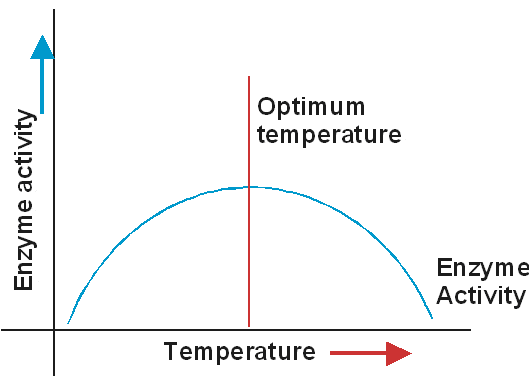
All of the following affect the functioning of an enzyme EXCEPT:
pH
temperature
metabolism
enzyme concentration, substrate concentration, inhibitor molecules
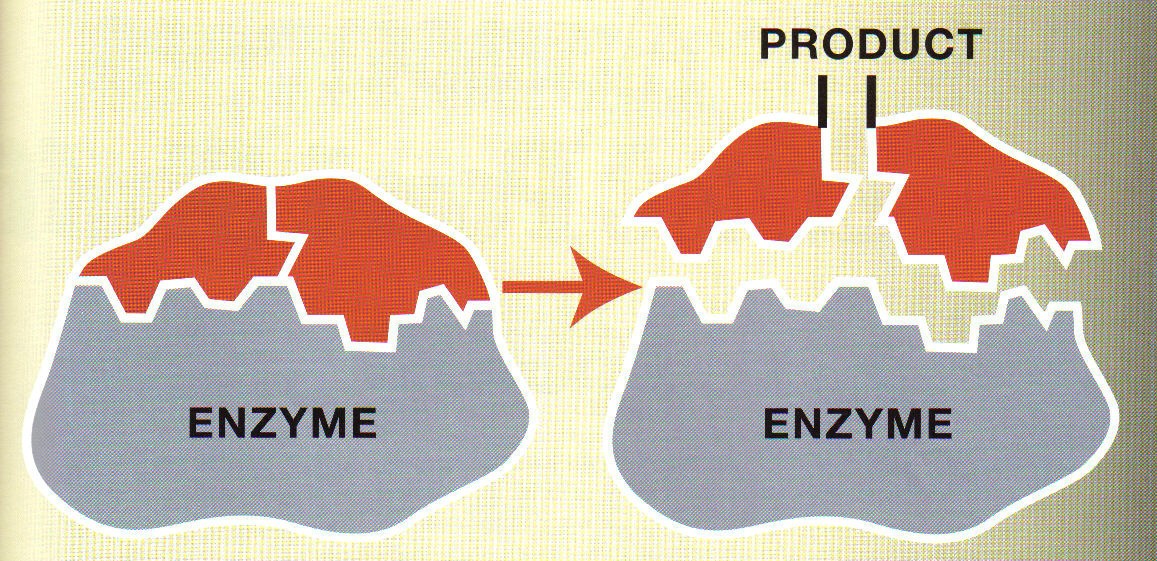
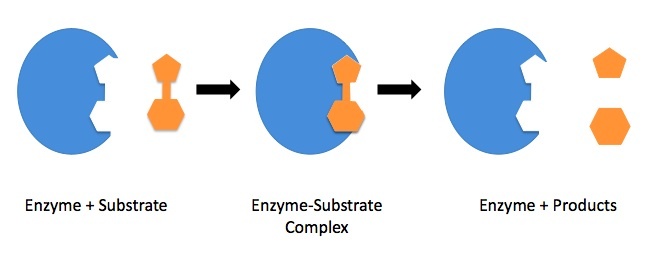
After the enzyme and substrate bind together and perform the reaction, what does the substrate become?
a substrate
an active site
an enzyme
a product

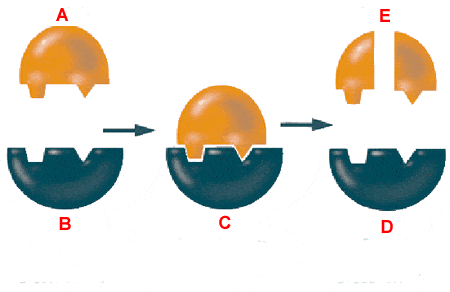
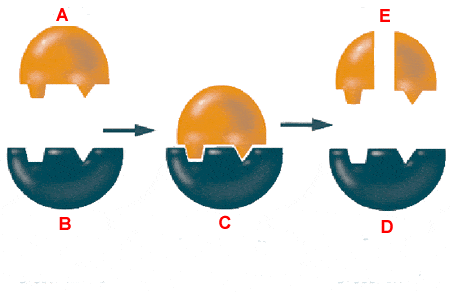
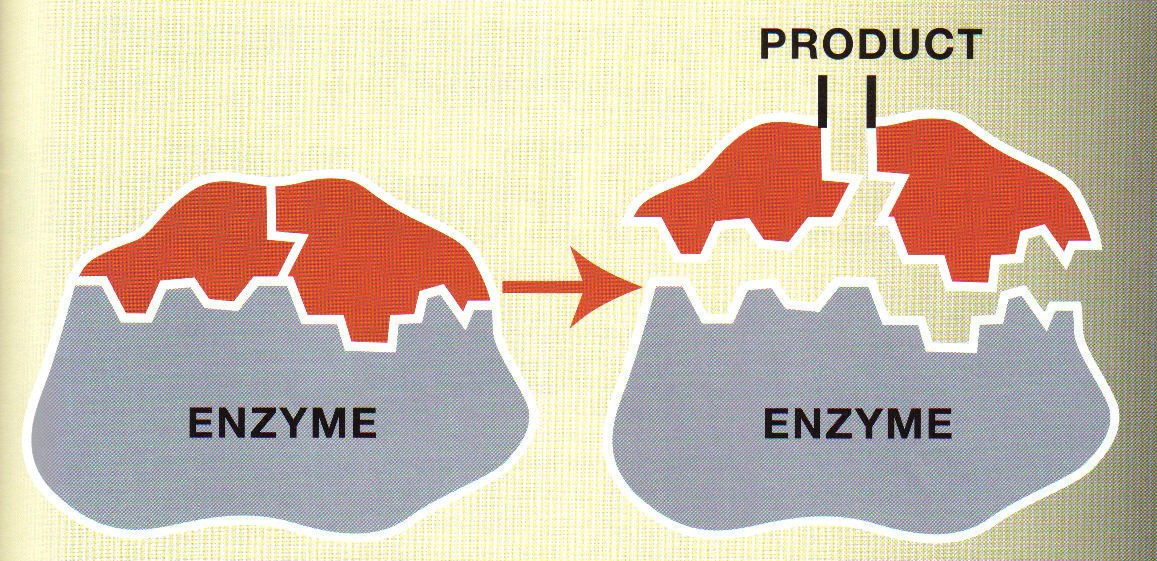
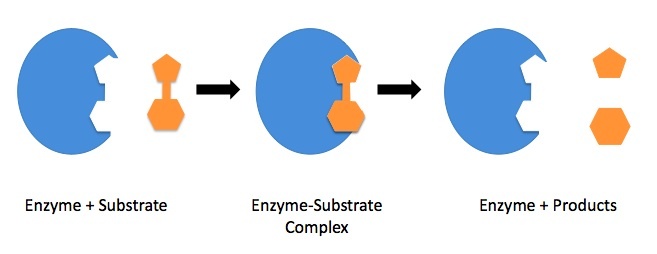
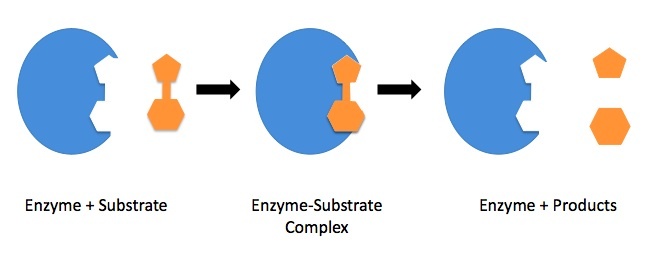
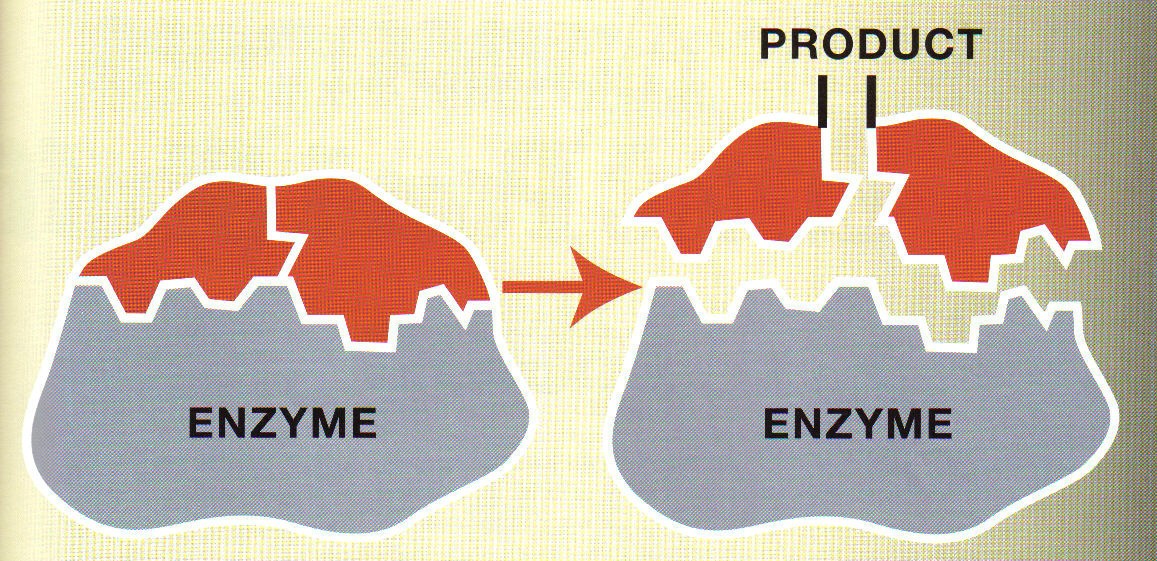
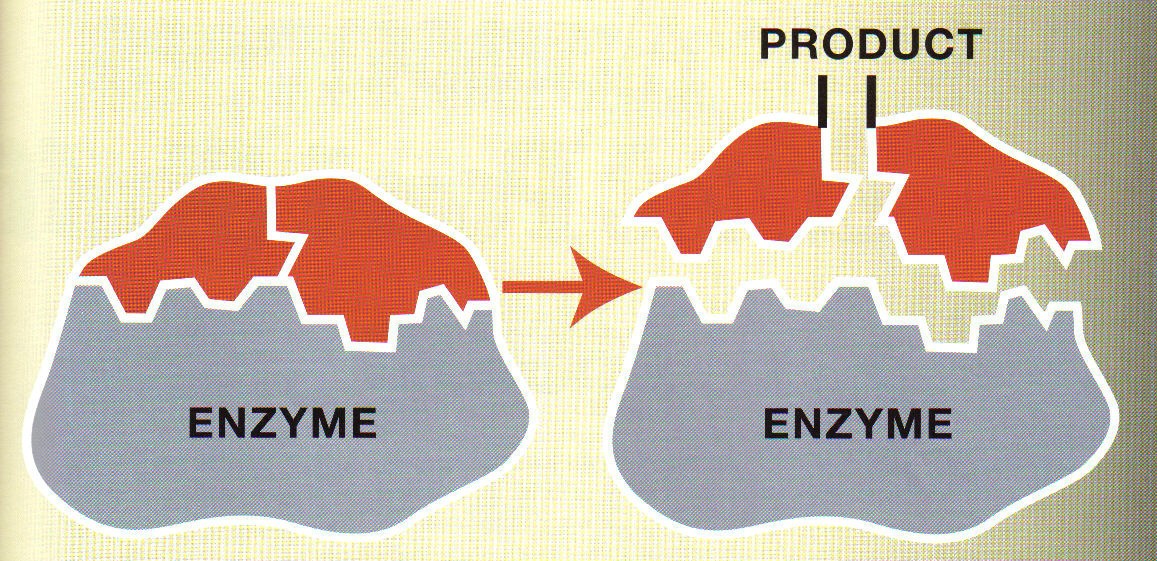
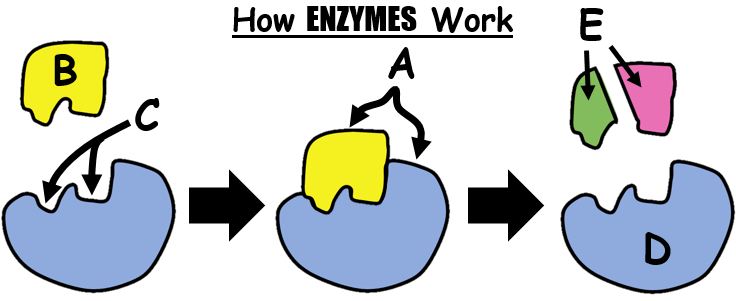
Which letter represents the product?
A
B
C
D

Which enzyme represents the substrate?
A
B
C
D

Which letter represents the enzyme?
A
B
C
D
Exothermic reactions:
release energy
absorb energy
Endothermic reactions:
release energy
absorb energy

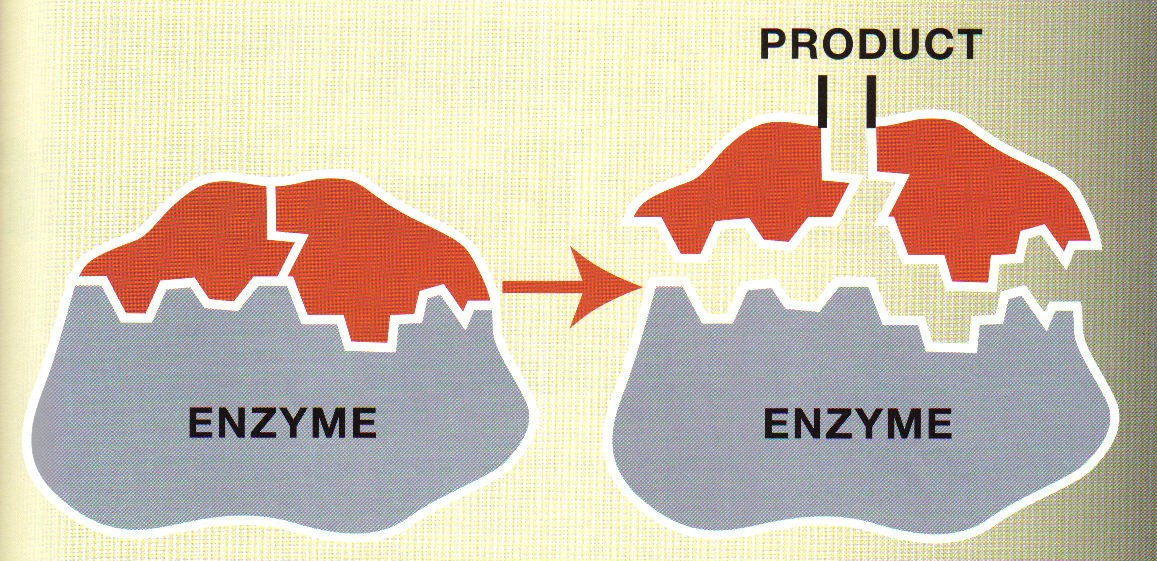
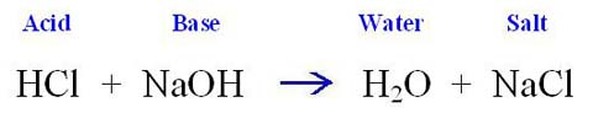
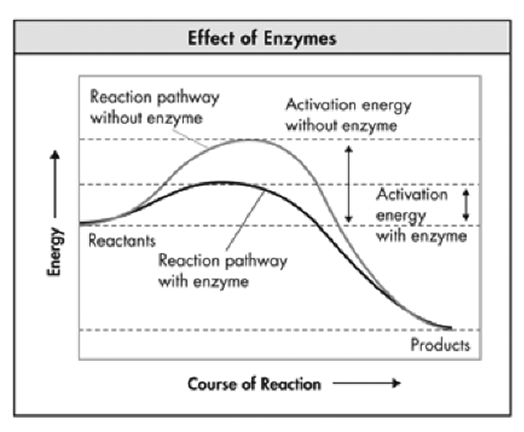
Is this reaction exothermic or endothermic?
Endothermic
Exothermic
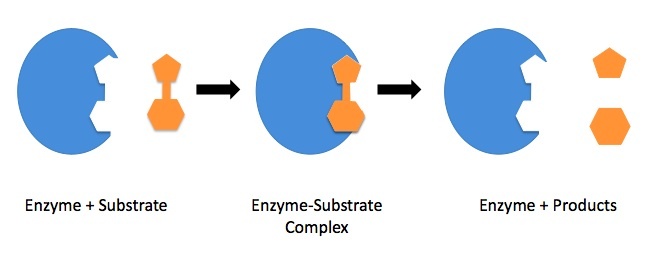

Enzymes are an example of
Lipids
Carbohydrate
Protein
Nucleic Acid
Enzymes are what macromolecule?
Nucleic Acid
Lipid
Protein
Carbohydrate
Without proper enzyme regulation you would die
true
false
How does an enzymes shape relate to its function?
the shape of the enzyme has no relation to its function
the enzyme is shaped specially for certain substrates to perform a specific reaction
the enzyme shape acts as a receptor to certain products
the enzyme shape can fit into specific substrates to cease a reaction
What can affect enzyme ability? (select all that apply)
temperature
inhibitors
pH
enzyme potential
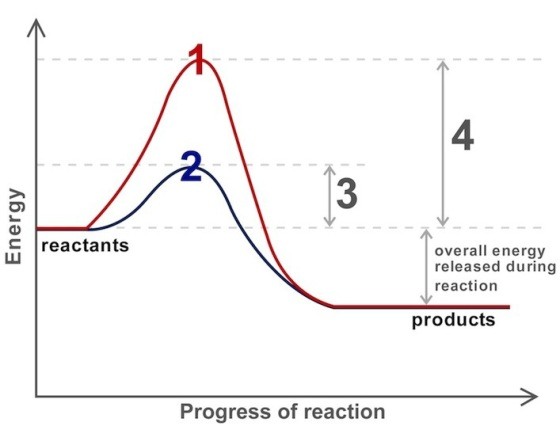
Which color line represent a reaction with an enzyme present?
Blue
Red
Both
Neither
The enzyme and substrates have
adverse shapes
complementary shapes
contrary shapes
similar shapes
FATS---->FATTY ACIDS/GLYCEROL
__________________ converts fats to emulsified fats
Bile juice
Pancreatic juice
Gastric juice
Orange juice
enzymes
Amylase helps to speed up the breakdown of carbohydrates. Amylase would be an example of which group of important biological molecules?
lipids
enzymes
carbohydrates
hormones
Amylase is an enzyme found in saliva that helps break down starch in your mouth. In this chemical reaction, starch would be an example of a(n)
substrate
enzyme
active site
product

A
B
C
D
Trypsin is an enzyme that is secreted into the small intestine to further break down peptides into their amino acids. If trypsin is mixed in with a solution of starch molecules, which of the following is most likely to happen?
Trypsin will break down the starch if the pH is within the optimum range.
Trypsin will break down the starch if the temperature is within the optimum range.
Trypsin will not break down the starch because enzymes are substrate specific.
Trypsin will not breakdown the starch if the solution is not in the small intestine.
In what ways do enzymes help a cell carry out its chemical reactions?
Enzymes lower the amount of reactants needed for the reaction to occur.
Activation energy and the rate of reaction are both increased by enzymes.
Enzymes speed up chemical reactions by lowering the activation energy needed.
Enzymes slow the reaction down by increasing the amount of energy produced.
Lipase is produced by the pancreas to help digest fat. Lipase breaks down the fats into fatty acids.
What role does the lipase play in this reaction?
substrate
enzyme
substrate-enzyme complex
product
Lipase is produced by the pancreas to help digest fat. Lipase breaks down the fats into fatty acids.
Identify the substrate in this reaction.
lipase
fats
fatty acids
pancreas

