
 Worksheets
HAP5.6 Special Senses
Total questions: 42
Worksheet time: 28mins
Rods are light sensitive cells in the retina that
give you color vision in dim light
respond in dim light
give you color vision in bright light
respond in bright light
Cones are light sensitive cells in the retina that
give you color vision in bright light
respond in dim light
give you color vision in dim light
respond in bright light
The optic nerve transmits signals to the
temporal lobe
parietal lobe
occipital lobe
frontal lobe
The cornea
helps protect the eye
begins bending light to make an image
both of the above
none of the above
The pupil is located at the center of the
sclera
iris
retina
nothing
The vitreous humor is
gel like and gives the eyeball its shape
watery and gives the eyeball its shape
The blind spot is created by the
retina
optic nerve leaving the eye through the retina
nothing; we don't have one
The sclera is designed for
strength
clarity
The human eye is surrounded by how many muscles?
4
2
6
5
What is the name of the 3 bones in the ear?
isicles
ossicles
eardrum
anvil
The ___________ catches sound waves and funnels them through the ear canal.
Cilia
Funnel
Eardrum
Pinna
What is a structure in your ear that is a tube that circles around itself like a violin containing fluid?
Cochlea
Cilia
Anvil
Malleus
Different ____________ cause different parts of the fluid in the cochlea to vibrate.
Nerves
Temperatures
Vibrations
Pitches

What does the eustachian/auditory/pharygnotympanic tube do ?
helps with balance and equilibrium
filters out ear wax
Equalizes pressure between the middle and outer ear

What part of the inner ear helps you keep your balance ?
Vestibule
the Ossicles (MISO)
Pinna
Semicircular canals

What is the middle ear filled with in a healthy ear?
endolymph
perilymph
air
water

What is the function of the middle ear?
amplify sound
convert acoustic energy into mechanical energy
direct sound toward inner ear
all of the above

An inflammation of the mucous membranes that line the nasal passage
Rhinitis
Septum problems
histamines
antihistamines

Senses that respond to chemicals in solution utilize which of the following:
Meissner's corpuscle
chemoreceptors
crista ampullaris
beta lactamase
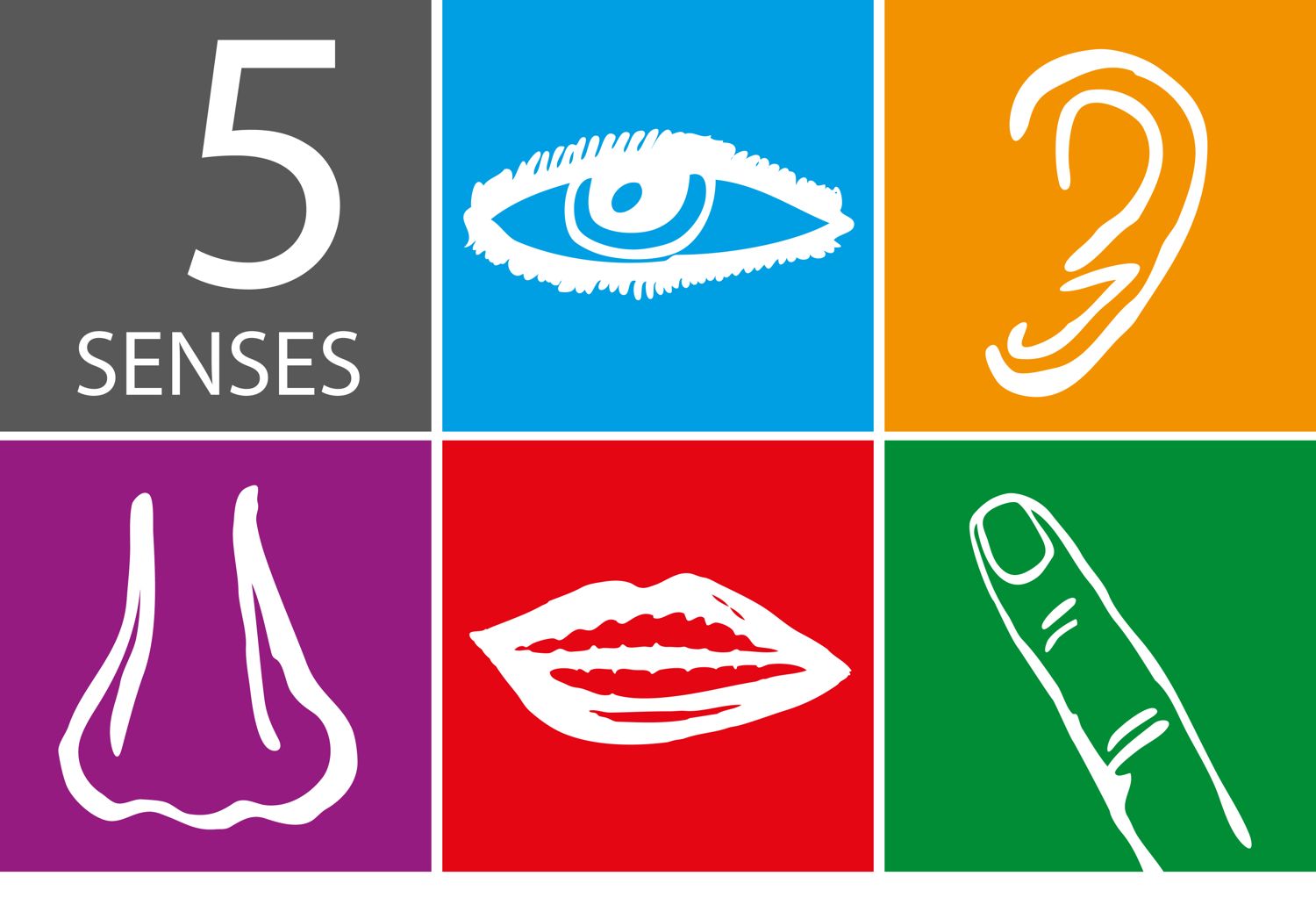
Which of the following senses are most closely related:
touch and smell
smell and taste
taste and hearing
hearing and smell

The nerves associated with smell are referred to as the:
olfactory receptor cells
smell cells
gustatory receptor cells
umami cells
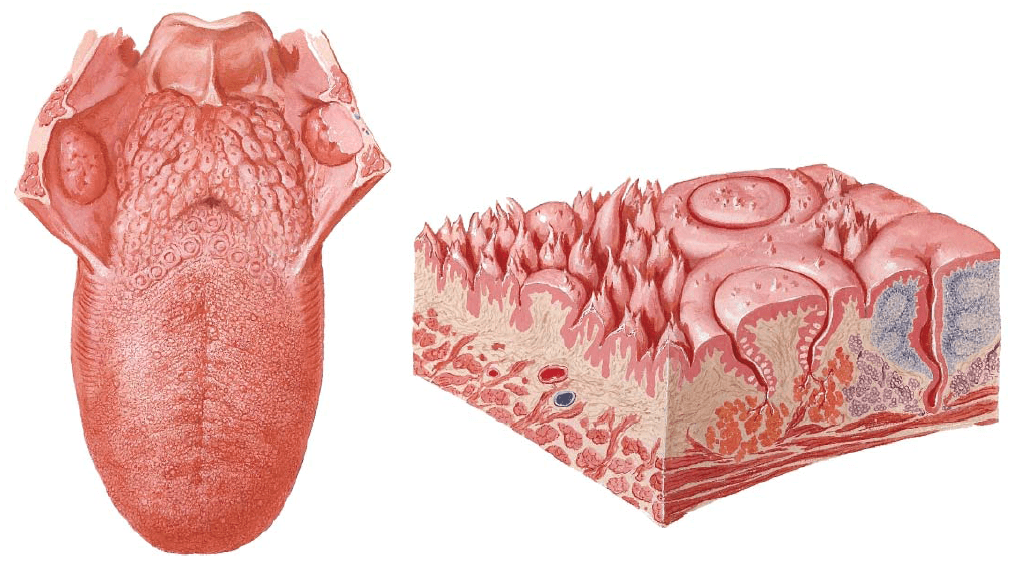
Small projections located on the tongue’s surface where taste buds are located are known as:
papillae
gustatory cells
olfactory epithelium
mucous producing glands
NOT a primary taste sensation
bitter
salty
sweet
peppery
lobe of brain responsible for smell
frontal
parietal
occipital
temporal
chemical sense of smell
ageusia
gustation
olfaction
anosmia
receptor of gustation; sweet, salty, sour, bitter, umami
cones
olfactory receptors
hair cells
taste buds
A person who can smell nothing has:
anosmia
hyperosmia
hyposmia
Redosmia

