
Font size
 Worksheets
8ME end of year quiz
Total questions: 89
Worksheet time: 1hrs 21mins
When we investigate the rate of reaction we are looking at the...
amount of product formed
speed of reaction
concentration of reacting particles
combining reactants with products
Increase in temperature of the reactants can do one of the following
Slow collision frequency
Allow less effective collision between the particles
increase collision between the particles thus increasing the rate.
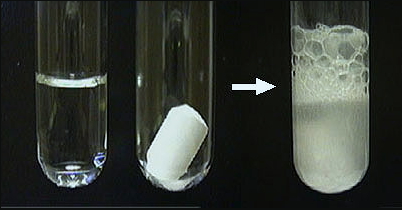
How could we make this reaction happen more quickly?
Decrease the concentration of the acid
crush the chalk to increase the surface area
Put the test tube in an ice bath
Creating fossils is a very _____ chemical reaction
Fast
Slow
It is not a chemical reaction
The major theory of reaction rate is called
Collision theory
Crash theory
Newton's laws
Thermodynamics
When surface area is decreased the rate of reaction...
Decreases, because there are LESS possible sites for correct collisions
Increases, because there are LESS possible sites for correct collisions
Decreases, because there are MORE possible sites for correct collisions
Increases, because there are MORE possible sites for correct collisions
Which group of the periodic table are alkali metals found in?
Group 1
Group 2
Group 7
Group 8
Which of the followings is the most reactive alkali metal in water?
Lithium
Sodium
Potassium
Hydrogen
What is formed when sodium reacts with water?
Sodium oxide and hydrogen
Sodium hydroxide and hydrogen
Sodium hydroxide and oxygen
Sodium hydroxide and carbon dioxide
What is the symbol equation for the reaction between Potassium and water?
2K + 2H2O → 2KOH + H2
2Na + 2H2O → 2NaOH + H
2K + H2O → 2KOH + CO2
2Na + 2H2O → 2NaOH + CO2
Which of the followings is not an alkali metal?
Li
Cl
K
Cs
How many electrons do the alkali metals have in their outer most shell?
1
2
8
7
What happens to the melting point of the alkali metals as you move down the group?
decreases
increases
no change
first increases than decreases
Which alkali metals is the least reactive?
Lithium
Sodium
Potassium
Rubidium
Which alkali metal has the lowest natural abundance (existence)?
Francium
Rubidium
Potassium
Sodium
Alkali are so reactive to air. Because of that they are generally stored in ......
water
oil
vaults
cotton
.................. is released when alkali metals react with water.
Hydrogen
Oxygen
Metahne
Carbon dioxide
What kind of solution is produced when group 1 metals react with water?
Neutral
Acidic
Alkaline
Ionized
What colour do the alkali metals turn the universal indicator when they are added to the water?
Orange
Red
Blue/purple
Green
What does the "thermal" in thermal decomposition mean?
sulfur
catalyst
heat
oven
What happens when CO2 is bubbled through limewater
It changes from pink to blue
It goes pop
It goes cloudy
It gets hot
______________ (+ heat) → zinc oxide + carbon dioxide
zinc carbonate
zinc oxide
zinc dioxide
zinc hydrogen carbonate
Why does thermal decomposition need heat energy
to make magic
to break bonds
to make water
to work as a catalyst
Which of the following is MOST reactive?
Magnesium
Lead
Tin
Copper
Zinc
Which metal is more reactive than calcium?
magnesium
potassium
silver
aluminum
Choose the least reactive metal
calcium
magnesium
iron
copper
What does displacement mean?
A chemical reaction where a less reactive metal takes the place of a more reactive metal in a compound.
A chemical reaction where a more reactive metal takes the place of a less reactive metal in a compound.
A more reactive metal is removed from a compound.

Magnesium chloride + Sodium → ?
Sodium chloride + Magnesium
Magnesium chloride + Sodium (No change)
Sodium magnesium + Chlorine

Lithium chloride + Iron → ?
Lithium chloride + Iron (No change)
Iron chloride + Lithium
Lithium oxide + hydrogen

Zinc sulphate + Magnesium → ?
Magnesium + Sulphur + Hydrogen
Zinc sulphate + Magnesium
Magnesium sulphate + Zinc
Iron nails + copper oxide → ?
Iron nails + copper oxide
Iron oxide + copper oxide
Iron oxide + copper
Magic
This type of combustion occurs when there is a limited supply of oxygen
Complete Combustion
Incomplete Combustion
Hydrocarbon fuel + oxygen ----> ___+____
(Select 2)
CO2
O2
H2O
CxHy
Incomplete combustion is harmful to humans because it ___________________.
increases the level of sugar in the blood
produces large amounts of carbon dioxide
decreases the amount of sugar in the blood
produces carbon monoxide that reduces the level of oxygen in the blood
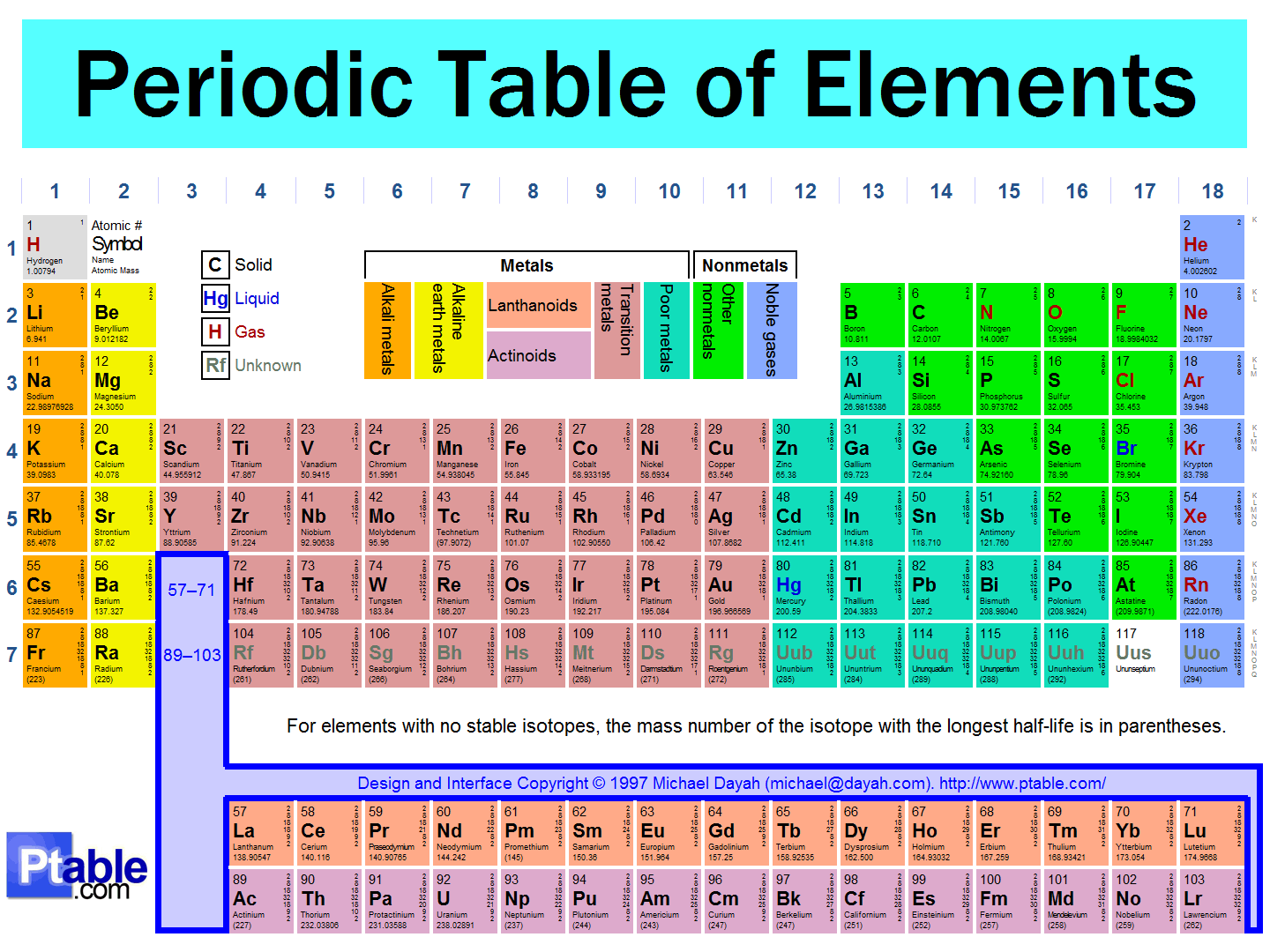
The vertical (up and down) columns in the Periodic Table are called
groups
towers
periods
atomic numbers
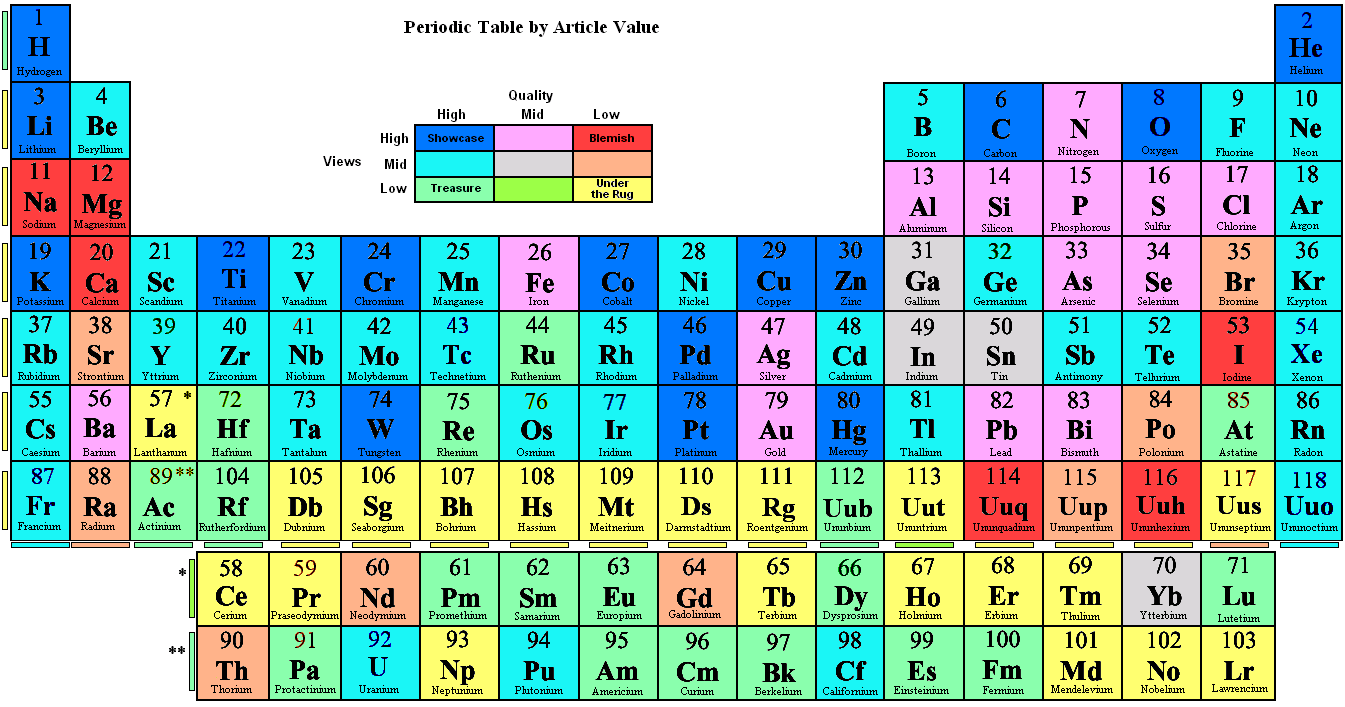
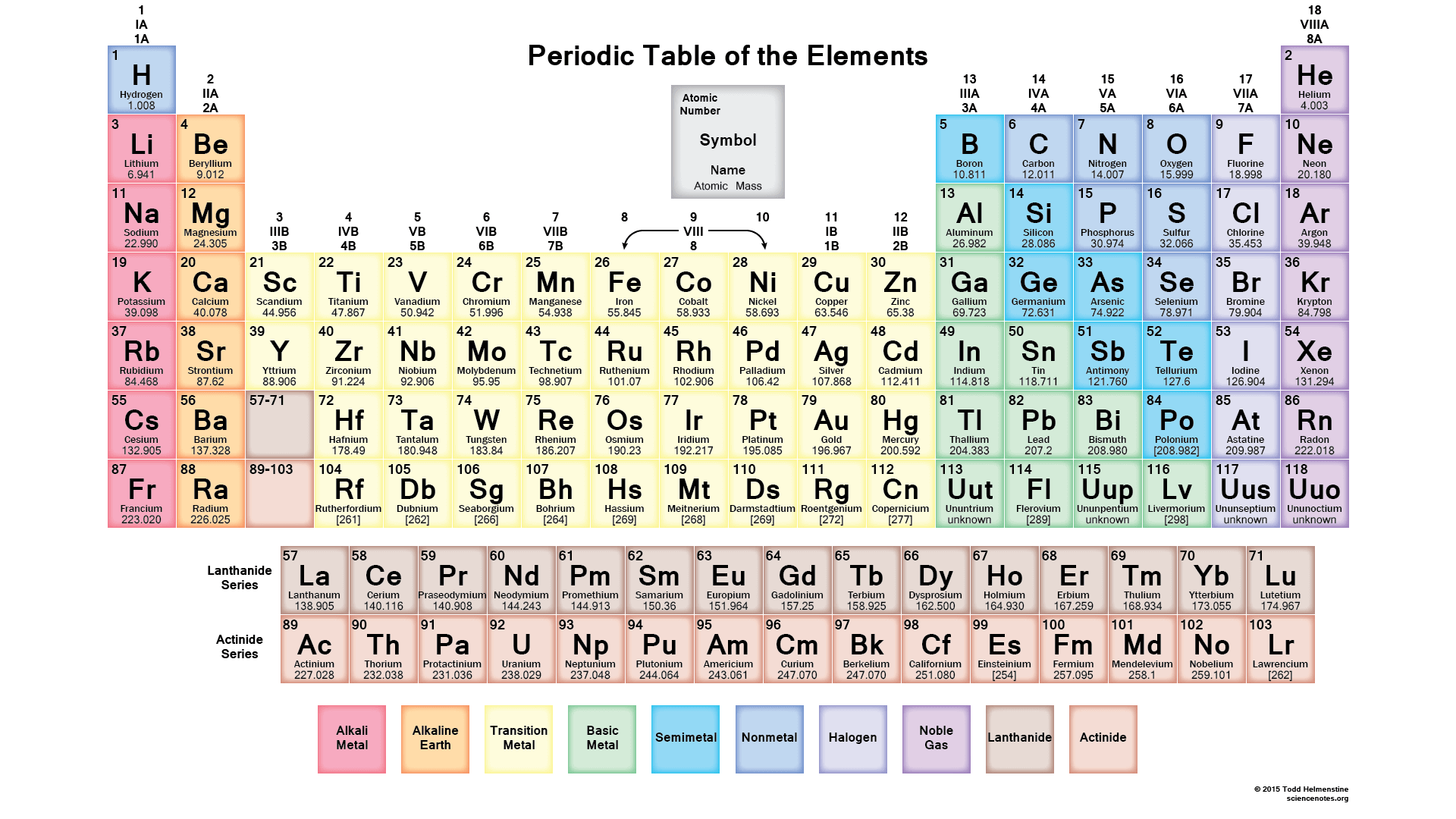
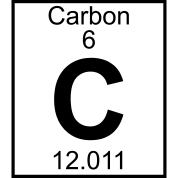
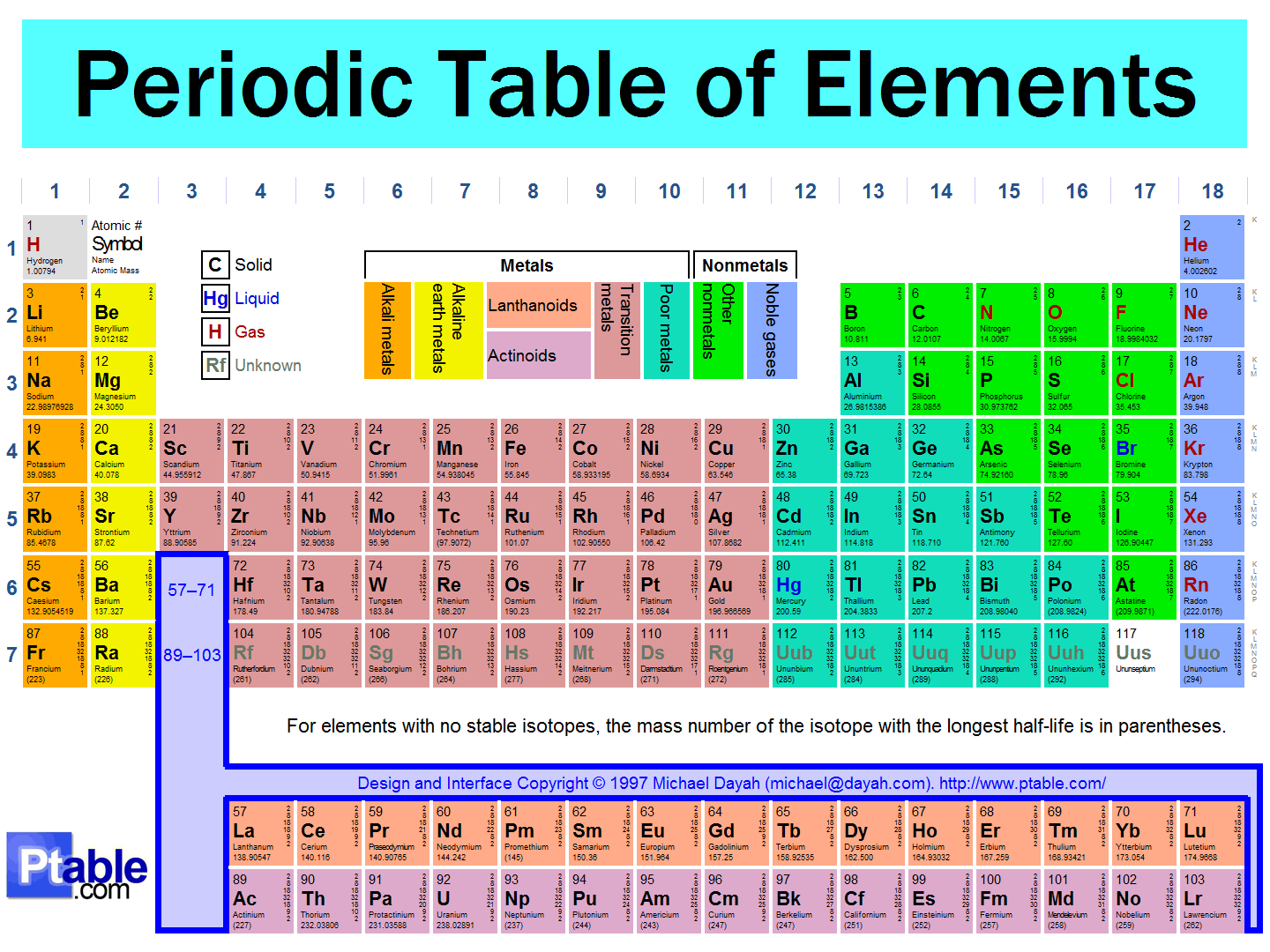
The horizontal (side to side) rows in the Periodic Table are called
groups
families
periods
atomic numbers
period
Elements that occur in vertical columns on the periodic table.
A horizontal row of elements in the periodic table
Found in group two of the periodic table; highly reactive
A subatomic particle that has a negative charge
A subatomic particle that has a positive charge and that is found in the nucleus of an atom
Proton
elecrtron
groups
neutrons
A subatomic particle that has a negative charge
nobles gases
protons
electrons
neutrons


Who invented the Periodic Table?
Mendeleev
Bohr
Lewis
Democritus
As you move left to right on a row or period what happens?
Atomic number increases by 1
Electrons decrease
Number of shells decrease
Nothing
Mendeleev's genius was his ability to
predict elements that were not discovered yet
organize elements by their mass
had an element named after himself
organize elements by properties
Valence means......
inside
outside
full

Rows on the periodic table are called ___________.
Periods
Sentences
Fences

The columns in the periodic table are called ___________.
Towers
Herds
Groups
Elements in the same group have __________
Similar Properties
Same number of shells
Similar Mass


Which of the following is the only metal that exist as a liquid at room temperature?
Gold (Au)
Mercury (Hg)
Titanium (Ti)
Argon is a ____________ at room temperature.
Gas
Liquid
Solid
To test for hydrogen you....
use a lit splint
use a glowing splint
add anhydrous copper sulphate
bubble the gas through limewater
The positive result for a lit splint test......
gives a squeaky pop
turns cloudy
the splint relights
the splint goes out

