
 Worksheets
biodiversity form 2
Total questions: 102
Worksheet time: 1hrs 17mins


Food Web B is an example of...
Low biodiversity and low sustainability. If the producer dies then all the food web will suffer.
High biodiversity and high sustainability. If an organism is removed the food web will continue with no effect.

True or false, Chlorofluorocarbons (CFCs) is a chemical group largely responsible for the depletion of the ozone layer?
True
False

What is this picture likely illustrating?
It is comparing the number of trees in the past to the number of trees now to show the effects of deforestation.
It is showing the hole in the ozone layer.
It is describing how the number of people who drive to work has decreased over time.
None of the above

What is one big concern of global warming?
It is melting the ice caps which raises the ocean water levels. This could result in flooding of coastal cities.
It is freezing the ice caps which lowers sea levels.
It is causing longer winters which result in longer periods of time without sunlight.
It is taking carbon dioxide out of the atmosphere which limits the number of trees that can survive.

Which for the following organisms would belong in the same Kingdom as a penguin?
Three animals are shown. Which one is a mammal?


Animals are classified into ______ groups.
purple
4
2
blue
What are the two groups scientists classify animals? PICK TWO
vertebrates
vascular
novascular
invertebrates
What are the two groups scientist use to classify plants? PICK TWO
Plants
Trees
Nonvascular
Vascular
How does a fish differ from a jellyfish?
A fish has a backbone
A fish lives in water
A fish can reproduce
A fish is in the animal kingdom
Vascular plants are divided into two more groups. What are those two groups?
bryophytes
seeds
seedless
non-vascular
True or False: Vascular plants have tubes to transport nutrients and minerals.
True
False
True or False: Invertebrates have a backbone.
True
False
There are 5 categories for vertebrates. Which one is NOT one of them?
Fish
Mammals
Humans
Reptiles

Which statement would be true when classifying these animals?
They are reptiles and vertebrates.
They are amphibians and vertebrates.
They are reptiles and invertebrates.
They are amphibians and invertebrates.

Mrs. Collins asked her class to draw pictures of invertebrates. Which student or students pictures were correct?
Student B
Student A
Student A and B
Student C and D

Anastayjia visited 3 different ecosystems to collect specimens. She visited a grassy area in a tundra and woody area in a Temperate deciduous forest. She collected 20 different types of species from the tundra and 98 different types of species from the forest. Which ecosystem is the MOST sustainable?
Tundra
Desert
Temperate deciduous forest
Rainforest
What two factors would make biodiversity increase?
Tornadoes and hurricanes
Large amount of producers and water
More predators and competition
The water cycle and ocean warming

What is true about sustainability?
Having a small number of species increases biodiversity
Sustainability is how organisms change over time
Sustainability is how much rainfall and sunlight an ecosystem receives
The more different types of species you have (biodiversity) the better an ecosystem can sustain itself
Biodiversity means..
The variety of life in an ecosystem
How an ecosystem changes over time
Differences among humans
Diversity of a select few species in a deserted area
A certain area of the Indian ocean is expected to dry up and become a desert over thousands of years. What will happen to the sustainability of this ocean?
Sustainability would increase because the number of species would increase
Sustainability would remain the same
Sustainability would decrease because the number of species would decrease
Not enough information is given

Which of the following would cause biodiversity to DECREASE?
Water
Forest Fires
Sunlight
Producers
What is the most important biotic factor in supporting an ecosystem?
water
sunlight
herbivores
producers
What is false about biodiversity
More biodiversity makes it least likely for a species to survive a disturbance such as a Tsunami
More biodiversity allows species to survive a disturbance such as a hurricane
As biodiversity increases sustainability increases
Genetic biodiversity is what makes us look and act different
A hurricane hit a tundra and a forest. A tundra is less biodiverse than the forest. Which biome would be impacted the most?
The forest because it has more species and it wouldn't be able to sustain itself as well as the tundra
They would be impacted the same
The forest because it has more producers
The tundra because it has less species and it wouldn't be able to sustain itself as well as the forest

When biodiversity increases
Sustainability decreases
Sustainability remains the same
Sustainability also increases
Sustainability becomes greater by 2

When biodiversity decreases
Sustainability also decreases
Sustainability remains the same
Sustainability increases
Sustainability is not impacted
Biodiversity occurs in all except..
Genes
Abiotic factors
Species
Ecosystem
The greater a habitat’s biodiversity, the greater will be that habitat’s
sustainability over time
consumption of energy in the form of sunlight
temperature ranges across the seasons
distance to the nearest water source.
Which of the following most likely supports the most sustainable ecosystem?
The habitat with the greatest number of predators
The habitat with the greatest variety of living things
The habitat with the warmest average temperature
The habitat with the greatest number of consumers
The ocean ecosystem has a high sustainability because of -
strong, persistent currents
predator/prey relationships
the large variety of different organisms, producers, and water
None of the above
The diversity of organisms whether microorganisms, animals or plants is known as (a) .
Biodiversity exists as a result of the diversity of (a) and climate.
Which of the following is NOT a characteristic of plant that has monocotyledon seed?
Has parallel vein leaves
Has tap root
Has woody stem
Non-flowering plant
What is an endemic species?
Species that can be found anywhere
Animals that became endangered
Organisms that can only be found in restricted habitat
Plants that can undergo photosynthesis
An animal that is poikilothermic and covered with moist skin.
amphibian
mammal
reptile
fish
Which of the animals below are reptiles? Choose the CORRECT answers.
croccodiles
alligators
chickens
fish
frogs
Choose the animal that is a vertebrate.
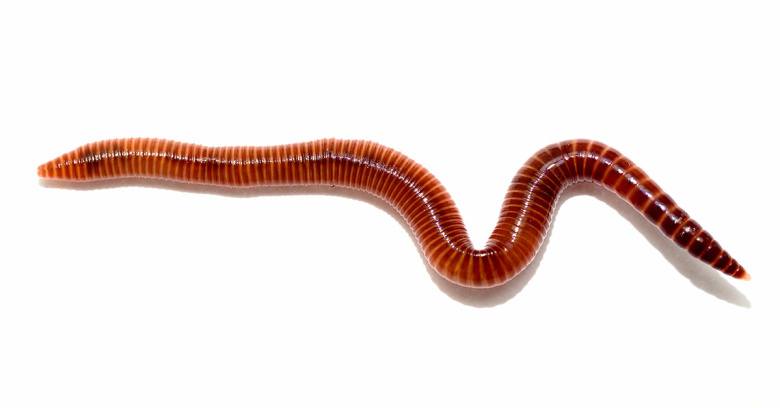
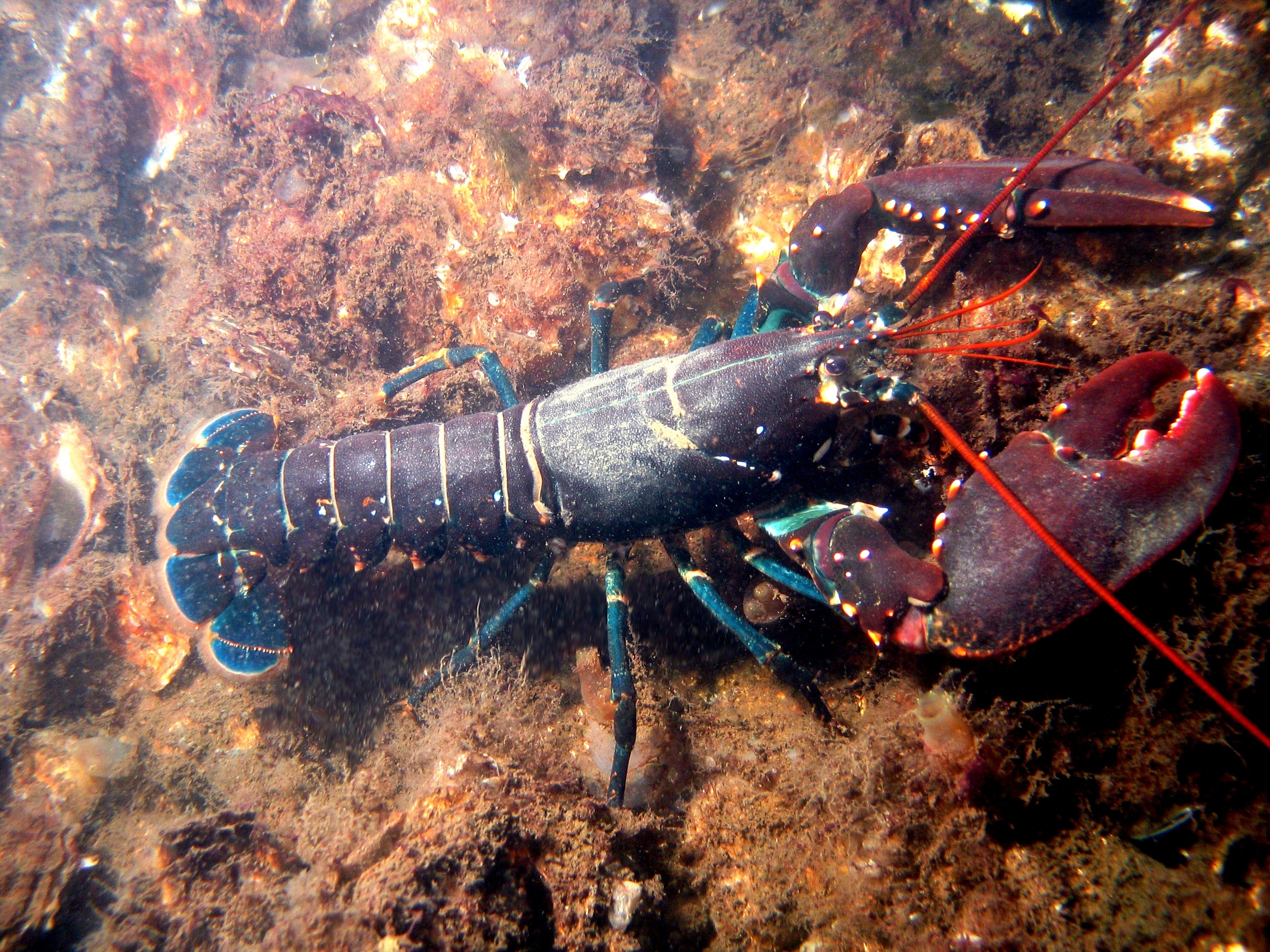
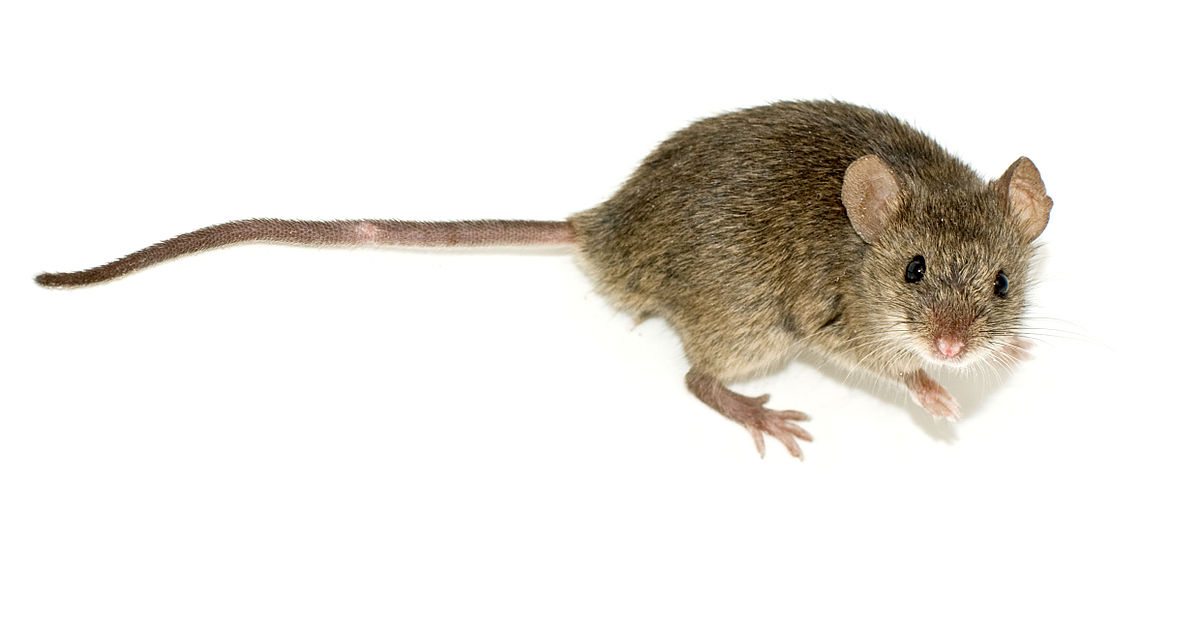
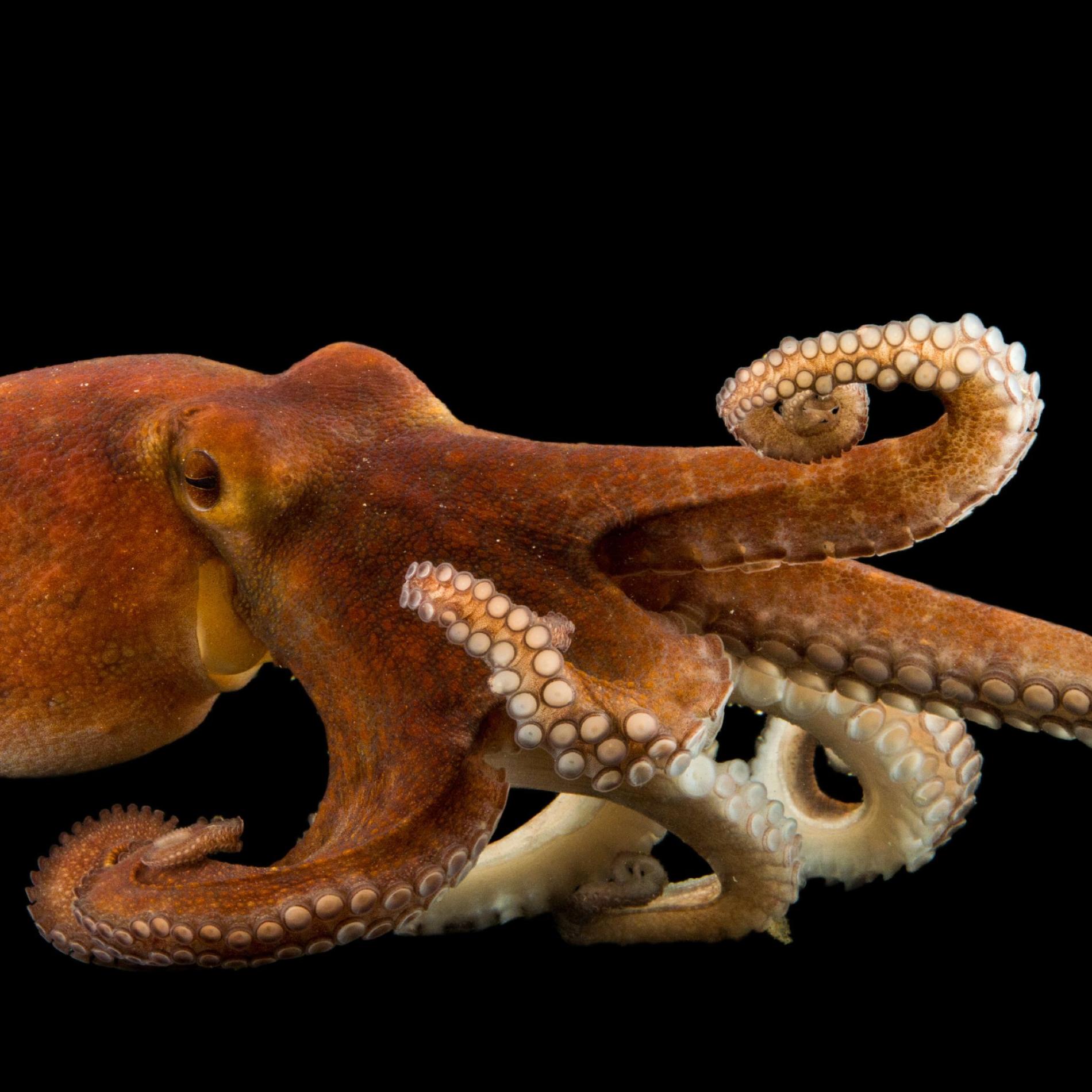

What is the characteristic of this plant ?
Leaves with network-like veins
Dicotyledons
Wooden stem
Fibrous root system

What can be done by human to maintain and conserve biodiversity ?
Deforestation
Encourage sales of turtle eggs
Reforestation
Carry out breeding programs

What of the following is NOT a characteristics of bat?
Breathe through lungs
Covered with hairs
Poikilothermic
Have a pair of scaly feet
undergo internal fertilization

State the factors that threaten the extinction of the above animals.
Illegal hunting and high demands for animal products
The use of chemical fertilisers and pesticides excessively
to agricultural
Uncontrolled logging activities
The habitats of animals have been destroyed
How does a fish differ from a jellyfish?
A fish has a backbone
A fish lives in water
A fish can reproduce
A fish is in the animal kingdom
True or False: Invertebrates have a backbone.
True
False
Mrs. Collins asked her class to draw pictures of invertebrates. Which student or students pictures were correct?
Student B
Student A
Student A and B
Student C and D
Which statement would be true when classifying these animals?
They are reptiles and vertebrates.
They are amphibians and vertebrates.
They are reptiles and invertebrates.
They are amphibians and invertebrates.

True or False: Plant A (as shown in picture) is a non-flowering plant and can reproduce by producing spores.
True
False

Durian tree is a dicotyledonous plant with a (a) root system.

Choose the correct characteristics of the rhinoceros hornbill.
lay eggs with soft shells
lay eggs with hard shells
have feathers
cannot fly

This animal is classified as mammals although it lay eggs because
it breathe through lungs
it is homeothermic
it has fur
it nurse its young
Which of the following are endemic animals and plants in Malaysia?


Biodiversity is the diversity of organisms whether microorganisms,animals or plants
True
False

What kind of vertebrates on pictures shows
Fish
Mammals
Reptiles
Amphibians

Which of the following is tertiary consumer
Lion
Sun
Plant
Deer
What are factors that influence size in an ecosystem
Source of food
Change of whether
Migration
Change in population size

Which classes of food helps to growth and repair damaged tissues
Fat
Fibre
Protein
Carbohydrate
What are the importance on vitamin c
(a)
What are the two ways air bone diseases are transmitted.
Droplet transmission
Dust transmission
Waterbone transmission
Infection through vectors
During electrolysis oxygen gas is produced....and hydrogen gas is produced....
Anod,cathod
Anode,cathod
Anode,cathode
Anoded,cathode
Factors affect the rate of evaporation of water except,
Movement of land
Humility
Exposed surface area of water
Surrounding temperature
In your opinion,why fine sugar dissolves faster compared to sugar cubes
(a)
What does the root "bio" mean...
living
nonliving
toxic
variety
What does the root "diversity" mean...
living
nonliving
toxic
variety
(a) is the variety of living things in the world.

How do biodiversity and stability work together?
The lower the biodiversity the greater the stability of an ecosystem.
The higher the biodiversity, the less stable the ecosystem
The higher the biodiversity, the greater the stability of the ecosystem.
Biodiversity has nothing to do with ecosystem stability.


Which ecosystem is more likely to survive a change in the environment?
One with High biodiversity
One with Low biodiversity

Which shows more biodiversity Image A or Image B. Why?
Image B is more biodiverse, because shows more different species than image A.
Image A is more biodiverse, because shows a greater number of organisms that image B
Both images show the same biodiversity

In this food web example you can see that rain forests have many producers consumer and predators. How would you describe the rain forest biome?
It has high biodiversity
It has low biodiversity.

Define genetic diversity
a variety of genes and traits within a species
a variety of ecosystems in a given area
system made up of all the living and nonliving things in a given area
a variety of species in an ecosystem
Which statement best describes an example of high biodiversity?
A pond ecosystem is populated by a single species of frogs
A state park that includes multiple forest and freshwater ecosystems with many different species of fish, birds and frogs in a variety of colors
A desert ecosystem is populated by organ pipe cacti, camels, and armadillo lizards
The level of biodiversity that involves a variety of habitats is _____ diversity.
ecosystem
population
genetic
species
Why is biodiversity important to ecosystems?
It helps populations adapt to ecological changes.
It increases at each level of the food chain.
Which ecosystem below has the HIGHEST biodiversity?


What are the 3 types of biodiversity (SELECT 3)
Genetic
Species
Ecosystem
Size
Biotic
The more different types of organisms and the more relationships that can occur between organisms the greater the...
Species Diversity
Genetic Diversity
Ecosystem Diversity
Greater ____________________ means there are more habitats to support different types of organisms.
Ecosystem Diversity
Species Diversity
Genetic Diversity
The greater the ____________________, the more likely a species is to survive changes to their environment
Genetic Diversity
Species Diversity
Ecosystem Diversity
Things of value that ecosystems provide for free are called ___________________.
ecosystem services
ecosystem diversity
food services
species diversity
Define species diversity
a variety of genes and traits within a species
a variety of ecosystems in a given area
system made up of all the living and nonliving things in a given area
a variety of species in an ecosystem

Abiotic is non-living


