
 Worksheets
10 physics
Total questions: 70
Worksheet time: 1hrs 16mins


When objects remain in the same place, it is the result of...
gravity
friction
a balanced force
an unbalanced force


Inertia is defined as.
For every action, there is an equal and opposite reaction
Larger objects take more force to move
An object in motion tends to stay in motion unless acted on by an opposite force
A push that acts in the opposite direction and it slows down.
Which is an example of a force that works AGAINST MOTION?
Force
Motion
Gravity
Friction
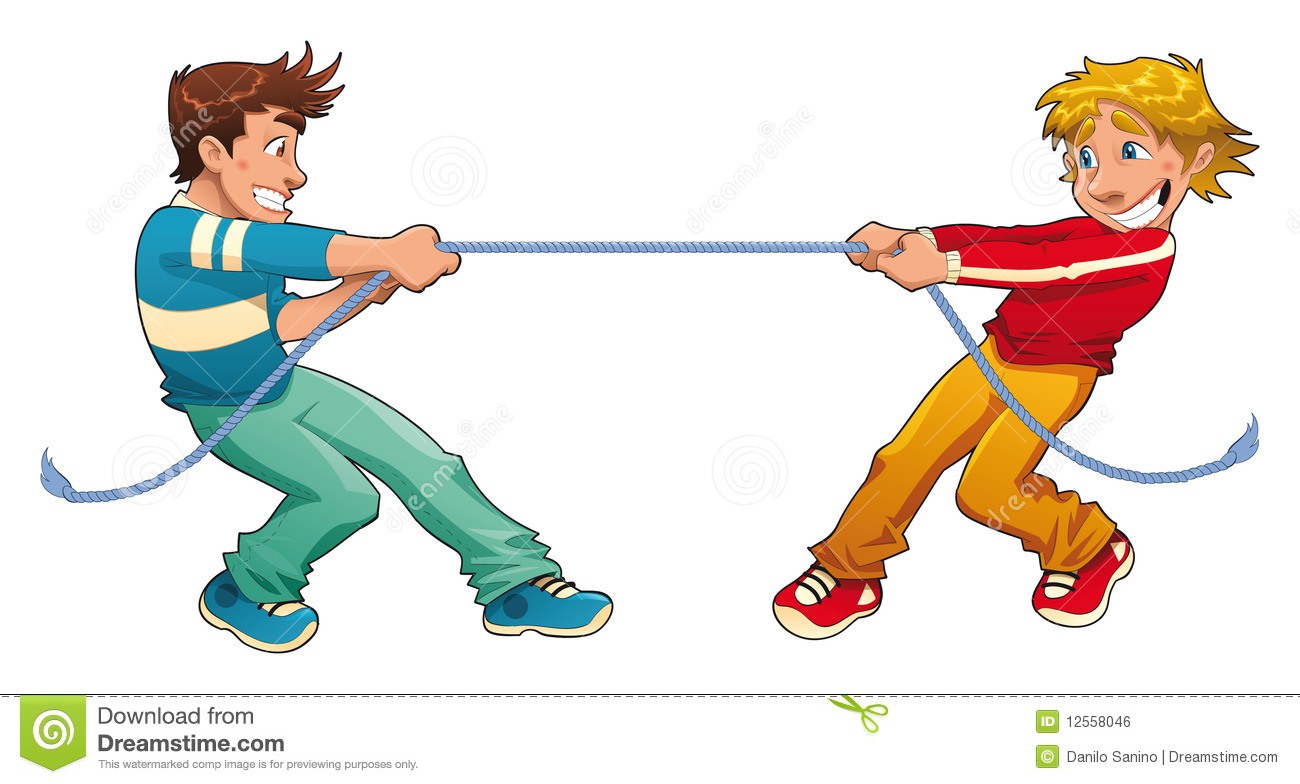
It is much more difficult to move a dresser full of clothes than an empty dresser. Why?
An object in motion stays in motion.
It takes more force to move an object with more mass.
It takes more friction to move the empty dresser.
What is the speed of a runner who runs 400 meters in 40 seconds?
10 meters/second
40 meters/second
100 meters/second
1,600 meters/second


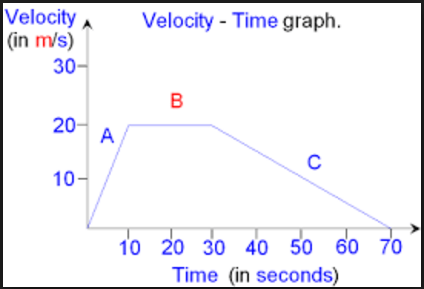
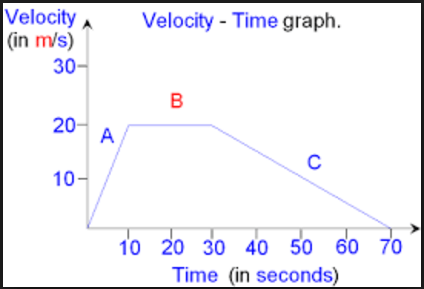

A car driving at 50km/h drives for 1.5 hours. What distance did it cover?
50km
25km
100km
75km
A truck driving at 60km/h travels 150km. How long is it driving for?
2.8 hours
2.1 hours
2 hours
2.5 hours

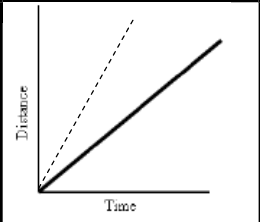
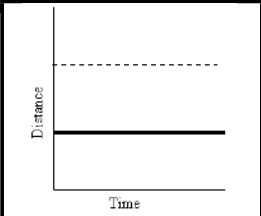
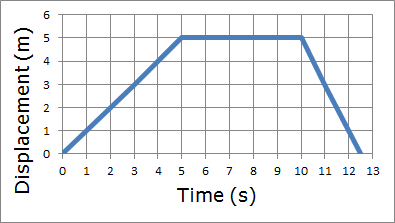


Calculate the Net Force.
60N, Left
40N, Right
0 N
60N, Right


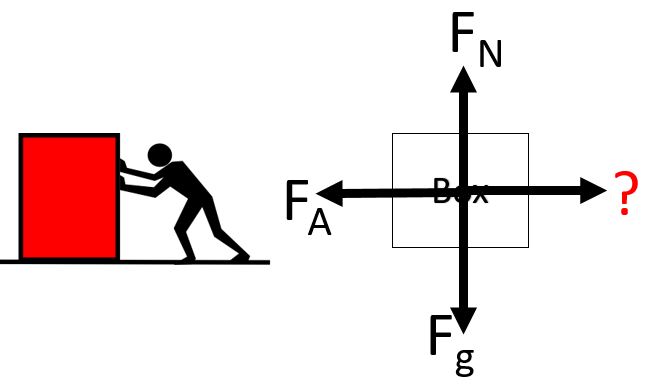


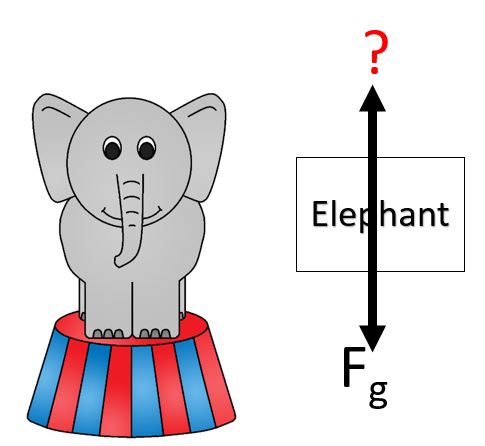

Which freebody diagram best represents an air balloon hovering in the air


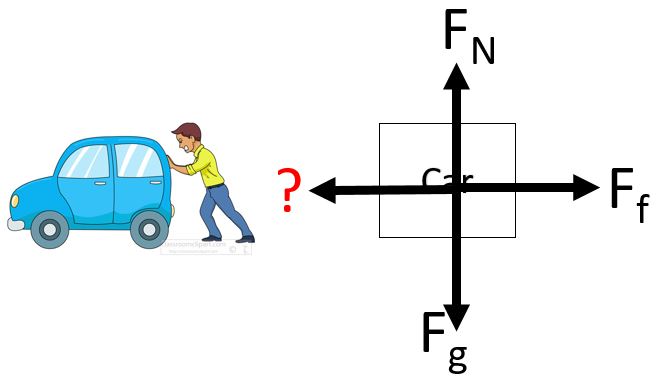
Which freebody diagram best represents a desk being pushed across the classroom floor?


A ticker tape timer produced the section of ticker tape below. The time interval between any two dots is 0.2 of a second. According to this section of ticker tape the moving object that produced this section of tape was travelling at ...
about 7.1 cm s-1
6.9 cm s-1
7.9 cm s-1
7.5 cm s-1

A long tape is attached to a moving trolley and threaded through a device that places a tick upon the tape at regular intervals of time.
The movement of a trolley down a slope was investigated using ticker tape with a frequency of 50 Hz. The ticker tape produced 50 dots per second.
The 14 cm length of the ticker tape was cut into four strips. It was cut through the middle of the first and then the sixth hole.
What is meant by acceleration?

A long tape is attached to a moving trolley and threaded through a device that places a tick upon the tape at regular intervals of time.
The movement of a trolley down a slope was investigated using ticker tape with a frequency of 50 Hz. The ticker tape produced 50 dots per second.
The 14 cm length of the ticker tape was cut into four strips. It was cut through the middle of the first and then the sixth hole.
Is the trolley moving at a constant velocity?
Yes
No
We can't tell
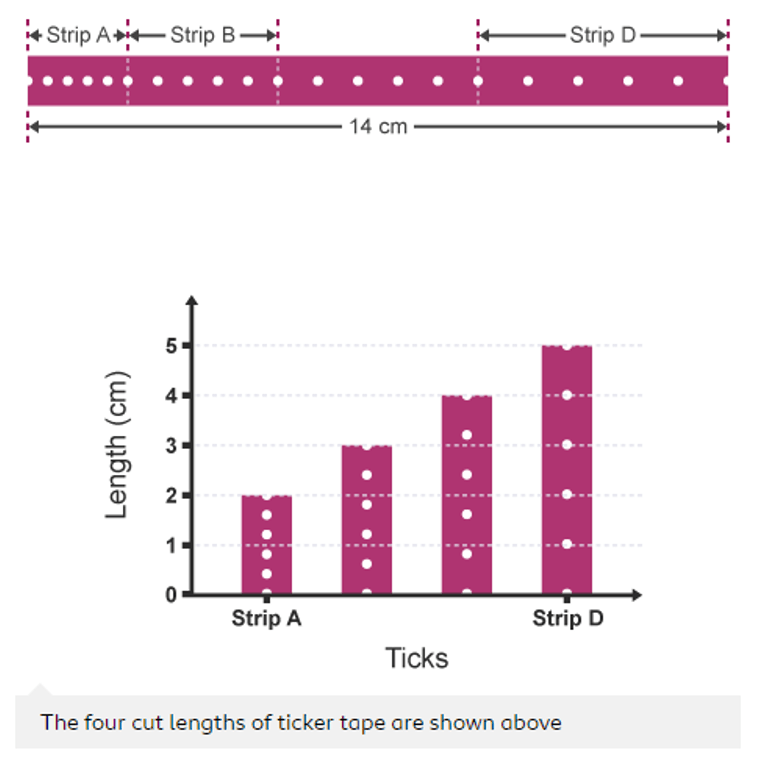
Calculate the time that it took for Strip A to form
0.01s
0.1s
0.2
0.12
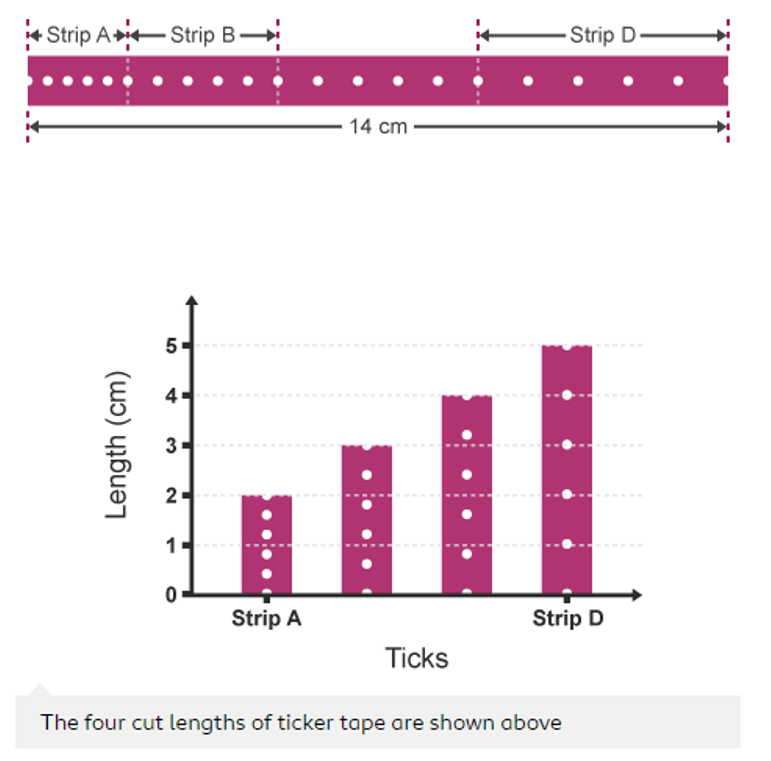
Calculate the mean velocity of the trolley for Strip A
0.2 cm/s
2 cm/s
20 cm/s
0.005 cm/s
What is a ticker tape diagram?
A line of dots drawn on a page.
A line of dots created by pulling ticker tape through a device that makes impressions on the tape at regular intervals. It represents the motion of the object that pulled the tape.
A line of dots created by pulling ticker tape through a device that makes impressions on the tape at regular intervals. The dots are random and cannot be analyzed.
A line of dots created by a machine that puts dots on tape at positions of your choice.
A diagram of a piece of ticker tape.
What does it tell you if the dots on a piece of ticker tape are close together?
The object was moving (relatively) slowly.
The object was moving (relatively) fast.
The object was speeding up.
The object was slowing down.
The object wasn't moving at all.
Which of the following pieces of ticker tape represent an object that is speeding up? (Assuming the ticker tape was pulled to the LEFT, through the device.)





Kinetic energy is measured in.....
kilograms
metres per second
Joules
metres
Gravitational potential energy is measured in.....
kilograms
metres per second
Joules
metres
Any form of energy is always measured in.....
kilograms
metres per second
Joules
metres
Mass is measured in...
grams
kilograms
metres
metres per second
Velocity and speed are measured in.....
kilograms
metres per second
Joules
metres
The kinetic energy of a trolley is 22.5 J. The speed of the trolley is 3 m/s. What is the mass of the trolley?
5 kg
15 kg
2.5 kg
10 kg
What is the equation to work out gravitational potential energy?
mass x gravitational field strength x height
0.5 x mass x velocity2
mass x height
height x gravitational field strength
What is the equation to work out mass from gravitational potential energy?
mass x gravitational field strength x height
Energy x gravitational field strength x height
gravitational field strength x height
Energy / (height x gravitational field strength)
What is the equation to work out height from gravitational potential energy?
mass x gravitational field strength x height
Energy x gravitational field strength x mass
gravitational field strength x mass
Energy / (mass x gravitational field strength)
A 40 kg boy is standing on top of a cliff. His gravitational potential energy is 20,000 J and the gravtiational field strength is 10 N/kg. Calculate the height of the cliff.
10 m
25 m
50 m
100 m
More mass = More inertia
True
False

Rank these objects in order of their inertia, from greatest to least.
ABCD
DABC
DCBA
CBAD

Michael Jordan guides a golf ball around the outside rim of the green at the Hole-In-One Putt-Putt Golf Course. When the ball leaves the rim, which path (A, B, or C) will the golf ball follow?
A
B
C

