wayground logo

Free Printable Worksheets

Font size

S
M
L
XL
Worksheets

Biomolecules, Enzymes, Cell Structure

Total questions: 64

Worksheet time: 2hrs 33mins
Name
Class
Date
1.
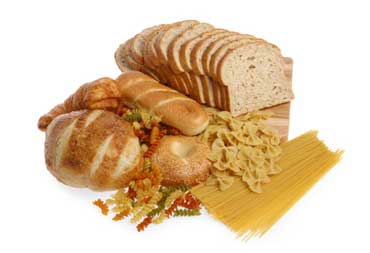
Which biomolecule is found in pasta and bread?
a)
Lipid
b)
Protein
c)
Nucleic Acid
d)
Carbohydrate
2.
Which biomolecule is a main source of quick energy?
a)
Nucleic Acid
b)
Protein
c)
Lipid
d)
Carbohydrate
3.
Which biomolecule is a main source of quick energy?
a)
Nucleic Acid
b)
Protein
c)
Lipid
d)
Carbohydrate
4.
Which biomolecule is found in fats, oils, and waxes and is a source of long-term energy
a)
Proteins
b)
Nucleic Acid
c)
Lipids
d)
Carbohydrate
5.
What is the function of a nucleic acid?
a)
Stores genetic information
b)
Stores energy
c)
Quick source of energy
d)
Builds structures
6.
Carbon, Hydrogen, Oxygen and Nitrogen are elements in what biomolecule?
a)
Carbohydrate
b)
Lipid
c)
Protein
d)
Nucleic acid
7.
Carbon, Hydrogen, Oxygen and Nitrogen are elements in what biomolecule?
a)
Carbohydrate
b)
Lipid
c)
Protein
d)
Nucleic acid
8.
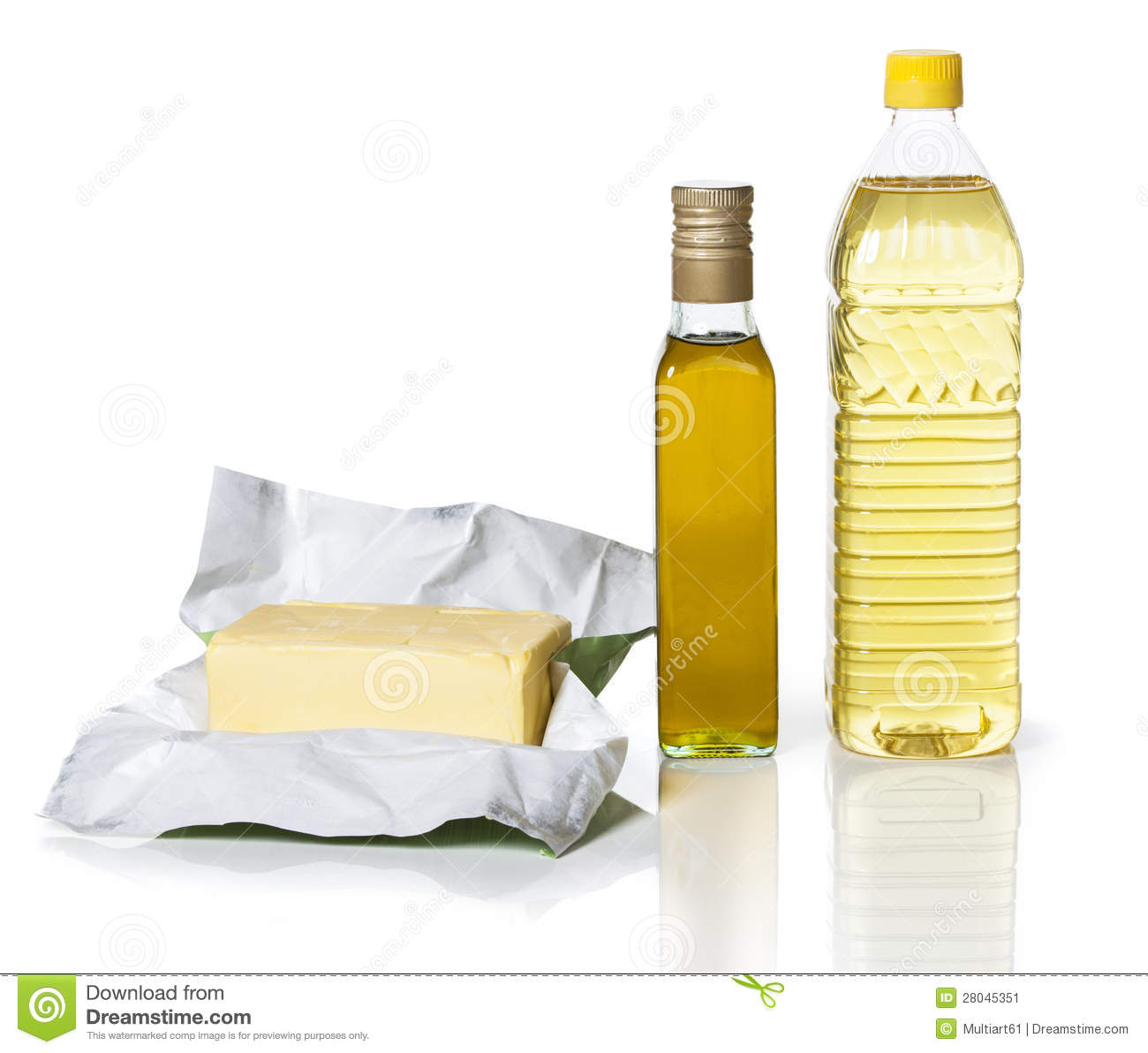
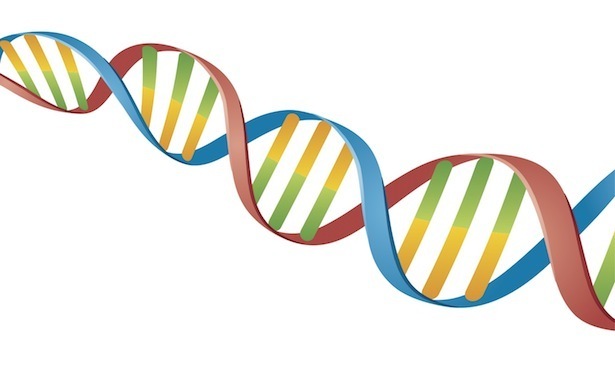
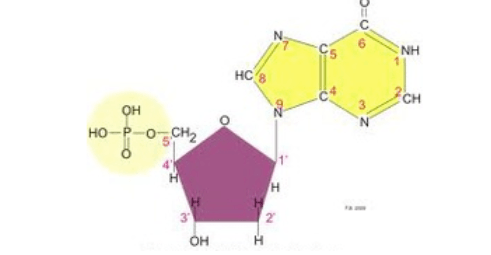
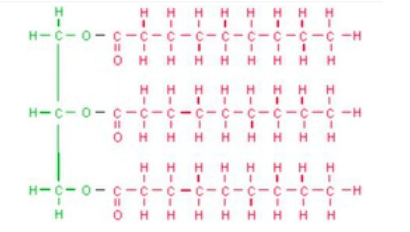
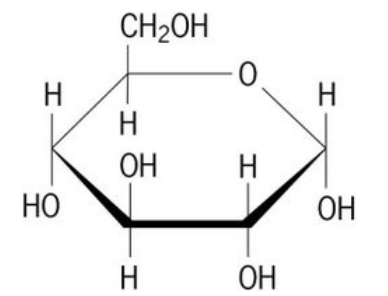
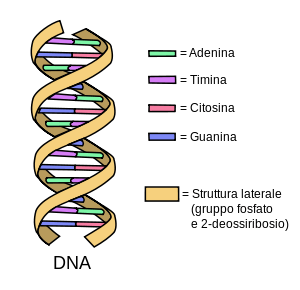
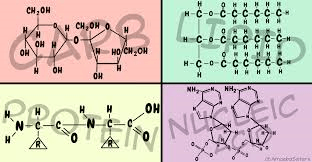
Which biomolecule is this a picture of?
a)
Protein
b)
Nucleic Acid
c)
Lipid
d)
Carbohydrate
9.
Which biomolecule is this a picture of?
a)
Protein
b)
Nucleic Acid
c)
Lipid
d)
Carbohydrate
10.
Which biomolecule is this a picture of?
a)
Protein
b)
Nucleic Acid
c)
Lipid
d)
Carbohydrate
11.
Which biomolecule is this a picture of?
a)
Protein
b)
Nucleic Acid
c)
Lipid
d)
Carbohydrate
12.
Which biomolecule is made of nucleotides and contain you DNA?
a)
Carbohydrate
b)
Lipids
c)
Protein
d)
Nucleic Acid
13.

Which biomolecule helps form muscles?

a)

Nucleic Acid

b)

Carbohydrate

c)

Protein

d)

Lipids

14.
Which biomolecule is responsible for insulation and energy storage?
a)
Protein
b)
Nucleic Acid
c)
Lipid
d)
Carbohydrate
15.
Which biomolecule has sugars and starches?
a)
Lipids
b)
Proteins
c)
Carbohydrates
d)
Nucleic Acid
16.
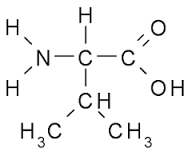
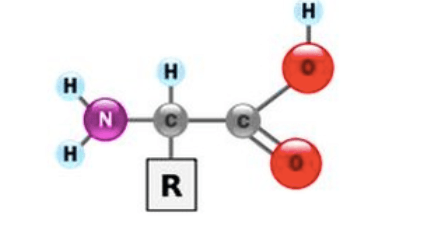
What type of molecule is this?
a)
Nucleic acid
b)
Protein
c)
Carbohydrate
d)
Lipid
17.
What type of molecule is this?
a)
Nucleic acid
b)
Protein
c)
Carbohydrate
d)
Lipid
18.
What elements are common to all 4 biomolecules?
a)
Carbon, hydrogen, nitrogen
b)
Carbon, Nitrogen, Phosphorus
c)
Carbon, Hydrogen, Oxygen
d)
Carbon, Hydrogen, Phosphorus
19.
A monomer is ...
a)
a single atom
b)
a building block for polymers
c)
a single element
d)
is an inorganic molecule
20.
What does the word organic mean?
a)
has nitrogen
b)
has sulfur
c)
has carbon
d)
has oxygen
21.
Which of the following is NOT a biomolecule?
a)
Water
b)
Nucleic Acid
c)
Protein
d)
Lipid
22.
Which of the following is NOT a biomolecule?
a)
Water
b)
Nucleic Acid
c)
Protein
d)
Lipid
23.
Which foods are high in protein?
a)
Meats, cheeses, milk, eggs
b)
Breads, pasta, grains
c)
Butter, oil, lard
d)
Apples, Bananas, Grapes
24.
What is the functions of lipids?
a)
Quick source of energy
b)
Builds muscles, skin, enzymes
c)
Stores genetic information
d)
Stores energy, insulation, protection
25.
Enzymes are considered to be 
a)
Lipids
b)
Carbohydrate
c)
Protein
d)
Nucleic Acid
26.
What is the purpose  of an enzyme?
a)
give permission for the reaction
b)
raise activation energy
c)
speed up reactions
d)
control how many reactions occur
27.
Where do substrates bind on an enzyme?
a)
voltage-gated channels
b)
surface receptor
c)
calcium channels
d)
active site
28.
Enzymes are capable of increasing the rate of a chemical reaction within a living cell.  Enzymes accomplish this through which of the following means?
a)
reducing the number of products   
b)
reducing the activation energy
c)
increasing the temperature of the cell
d)
increasing the concentration of reactants 
29.
What is structure A?
a)
Substrate
b)
Active site
c)
Enzyme
d)
Products
30.
What is structure C?
a)
Substrate
b)
Active site
c)
Enzyme
d)
Products
31.
What is structure E, F, G?
a)
Substrate
b)
Active site
c)
Enzyme
d)
Products
32.
What is a substance called if it speeds up a chemical reaction?
a)
reusable
b)
catalyst
c)
specific
d)
fragile
33.
Each enzyme only has 1 substrate that will fit its active site.  What is this called?
a)
reusable
b)
catalyst
c)
specific
d)
fragile
34.
Which chemical is classified as an enzyme?
a)
Galactose
b)
Lipid
c)
Protease
d)
Manganese dioxide
35.
After the enzyme and substrate bind together and perform the reaction, what does the substrate become?
a)
a substrate
b)
an enzyme
c)
a product
d)
an active site
36.
Which of these is most likely an enzyme?  
a)
Sucrose
b)
Galactose
c)
Fructose
d)
Amylase
37.
Which is NOT true?
a)
Enzymes speed up chemical reactions.
b)
Enzymes react best at a specific temperature.
c)
Enzymes only control ONE type of reaction.
d)
Enzymes are made of fatty acids.
38.

Enzymes are lipids that act as biological catalysts.

a)

True

b)

False

39.

Name two organelles that are only found in plant cells.

a)

Cell wall and chloroplasts

b)

Cell wall and nucleus

c)

Chloroplast and mitochondria

d)

Cell membrane and ribosome

40.

This organelle contains DNA and controls cellular growth and reproduction

a)

mitochondria

b)

nucleus

c)

cell wall

d)

cytoplasm

41.

This organelle encloses and supports cells in plants

a)

cell membrane

b)

nucleus

c)

cell wall

d)

mitochondria

42.

Organelle that separates the interior of all cells from the outside environment.

a)

mitochondria

b)

cell membrane

c)

vacuole

d)

nucleus

43.

This is an image of a(n)

a)

plant cell

b)

animal cell

44.

This organelle converts energy into forms that are usable by the cell.

a)

mitochondria

b)

vacuole

c)

nucleus

d)

cell wall

45.

This organelle absorb sunlight and uses it to produce food for plant cells

a)

Ribosomes

b)

Endoplasmic Reticulum

c)

Mitochondria

d)

Chloroplasts

46.

This is a picture of a(n)

a)

animal cell

b)

plant cell

47.

This organelle functions to package and deliver proteins:

a)

golgi bodies (apparatus)

b)

ribosomes

c)

mitochondria

d)

nucleus

48.

Which of these is NOT an organelle

a)

endoplasmic reticulum

b)

vacuole

c)

mitochondria

d)

alveoli

49.

cell with no membrane bound structures and no

nucleus

a)

Eukaryote

b)

Prokaryote

c)

Plant

d)

Animal

50.

where proteins are made

a)

flagella

b)

ribosome

c)

lysosome

d)

centriole

51.

firm, fairly rigid structure found outside of

plants for support

a)

cell membrane

b)

cell wall

c)

golgi apparatus

d)

chloroplast

52.

breaks down food into energy that the cell can

use in a process called cellular respiration

a)

chloroplast

b)

ribosome

c)

mitochondria

d)

nucleus

53.

used for storage in the cell

a)

lysosome

b)

vacuole

c)

mitochondria

d)

chloroplast

54.

cell with membrane bound organelles and a

nucleus

a)

prokaryote

b)

eukaryote

c)

bacteria

d)

peroxisome

55.

structure that packages and modifies proteins

a)

smooth ER

b)

golgi apparatus

c)

rough ER

d)

lysosome

56.

transports proteins throughout the cell

a)

lysosome

b)

vesicle

c)

cilia

d)

vacuole

57.

An organism made of only one cell is called _____ .

a)

Eukaryotic

b)

Mutlicellular

c)

Monocellular

d)

Unicellular

58.

What is the basic unit of an organism?

a)

Chloroplast

b)

Organelle

c)

Organ

d)

Cell

59.

What kind of organism is made of many cells, each with a special function?

a)

Multicellular

b)

Eukaryotic

c)

Prokaryotic

d)

Unicellular

60.

What are the small structures inside of cells that carry out specific functions called?

a)

Animalcules

b)

Organelles

c)

Tissues

d)

Organs

61.

What is the function of the Vacuoles

a)

Store food, water and waste

b)

Receive proteins

c)

Assembles amino acids

d)

Found inside the nucleus

62.

Which cell contains Chloroplasts?

a)

Animal

b)

Plant

63.

What two organelles are only found in a plant cell?

a)

Vacuole

b)

Cell Membrane

c)

Cell Wall

d)

Chloroplast

64.

What organelle packages material in the cell?

a)

ER

b)

Amazon

c)

Golgi Body

d)

Fed Ex